- Mumbai Airport will cut 265 weekly departures from October 25, 2026, as Terminal 1 closes for redevelopment.
- The reduction removes about 33% of international slots at Terminal 2, affecting 46 airlines; flights are not guaranteed to relocate.
- Airlines must identify slots to surrender by October 6; passengers should confirm their airport and departure time.
Mumbai Airport will cut 265 weekly international departures from October 25, 2026, as Terminal 1 closes ahead of redevelopment. Not all will move.
Airlines can transfer some services to Navi Mumbai International Airport or suspend them temporarily. The change takes effect at 11.59 pm.
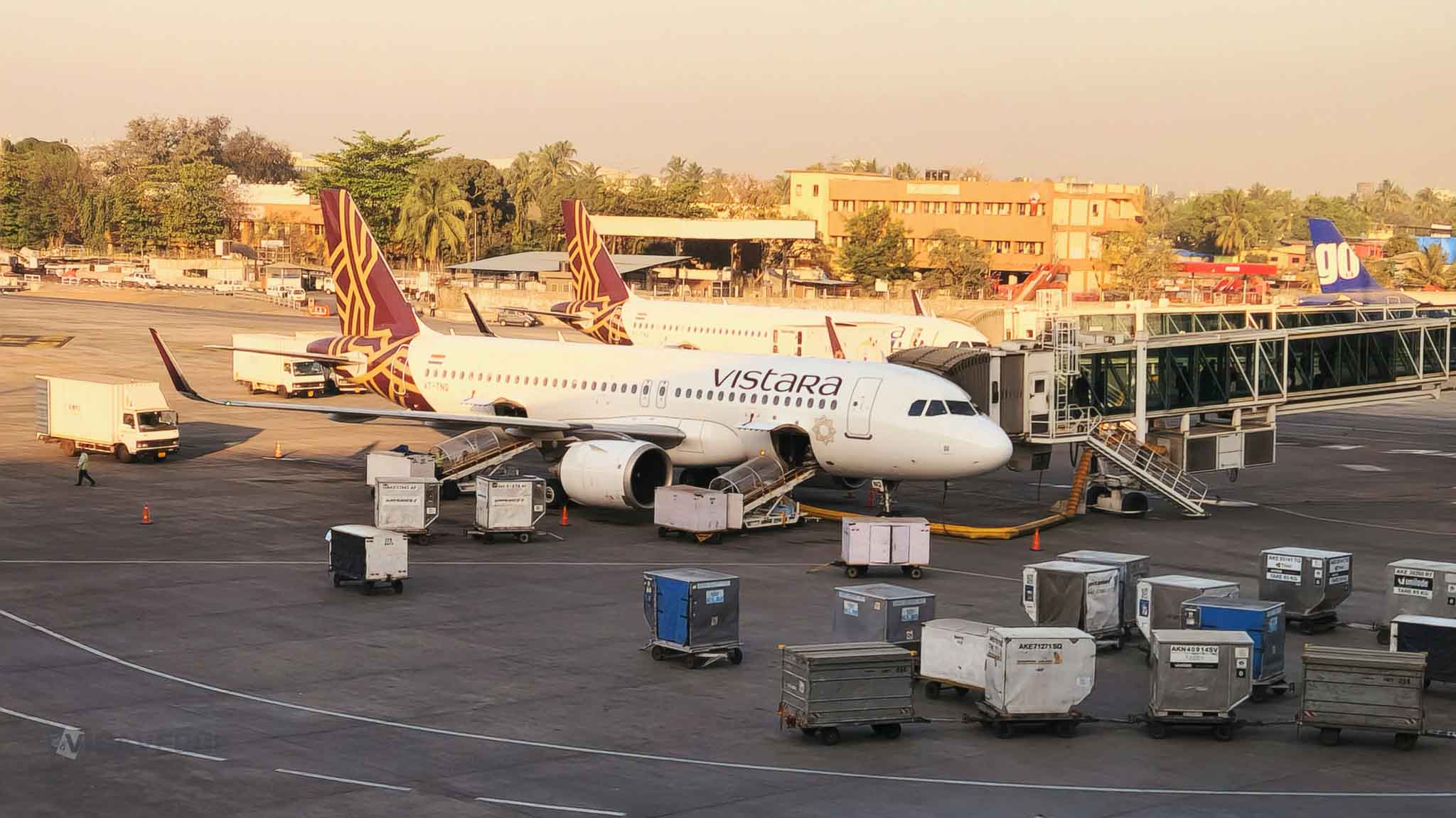
The reduction removes about 33% of the 770 weekly international departure slots at Terminal 2, affecting 46 airlines. The figure is a cut in departures, not a count of flights guaranteed to relocate.
That distinction runs through the plan: some international services may shift, while others could stop. Passengers may see altered frequencies, departure times or airports.
Airlines face a choice, not a blanket transfer
Arun Bansal, CEO of Adani Airports Holdings Ltd, said the shift to Navi Mumbai would be temporary, not a permanent redirection of Mumbai traffic.
“The transition to Navi Mumbai Airport is temporary and does not represent a permanent shift of Mumbai airport traffic.”
The operator is presenting the second airport as an alternative for carriers that choose to move services. Airlines that do not transfer flights may suspend them instead.
Terminal 1 operations are due to stop on October 25. Its redevelopment is scheduled to begin in January 2027, prompting the reshuffle of capacity at Terminal 2.
Airlines must identify surrendered slots by October 6
Carriers have until October 6 to tell the airport operator which slots they are willing to give up. If they miss the deadline, the operator can assign slots on operational grounds.
The Terminal 2 space and facilities are being reserved for domestic services displaced from Terminal 1. That domestic demand is the reason international departure capacity is being reduced.
To attract new international services, the airport operator has offered airlines a 100% waiver on landing fees at Navi Mumbai. The offer may help carriers considering a move, but it does not require them to transfer flights.
AAHL said it has held extensive consultations with airlines about Terminal 1 since 2020. It also said the planned closure and phased demolition can no longer be deferred, with Navi Mumbai available as another operating option.
Splitting services may add time and cost to journeys
Air France-KLM said splitting its operations between the two airports “does not make sense.” Airlines and industry groups have also warned that dividing services could weaken connectivity and raise travel costs.
Passengers whose flights move may need longer ground transfers to reach the new airport, with higher cab costs. A booking from Mumbai could therefore involve a different departure point, not merely a revised schedule.
If carriers cancel services or shift them to other Indian cities instead, fewer seats may be available from Mumbai. That could tighten supply during the festive and winter peak and push fares higher.
Travelers should check the departure airport and timing directly with their airline before setting out. Schedules may change as carriers decide which slots to retain, surrender or move.
Terminal work is expected to continue through 2029-2030
Terminal 1’s redevelopment has been discussed for years amid safety and infrastructure constraints. Its closure had previously been delayed because a viable alternative for airport operations was not available.
The replacement structure is expected to remain under redevelopment through 2029-2030. Mumbai slot rights are promised to return once the new terminal is commissioned.
That restoration is tied to the terminal commissioning, while the October schedule changes begin first. The immediate airline deadline is October 6.