Key Takeaways
• IndiGo Airlines will launch 18 daily flights from Navi Mumbai International Airport starting August-November 2025.
• The airline plans to increase to 140 daily flights and 30 international routes by November 2026.
• Navi Mumbai Airport aims to ease Mumbai’s congestion and handle 20 million passengers initially.
IndiGo Airlines to Launch 18 Daily Flights from Navi Mumbai International Airport: What It Means for Travelers, Airlines, and India’s Aviation Future
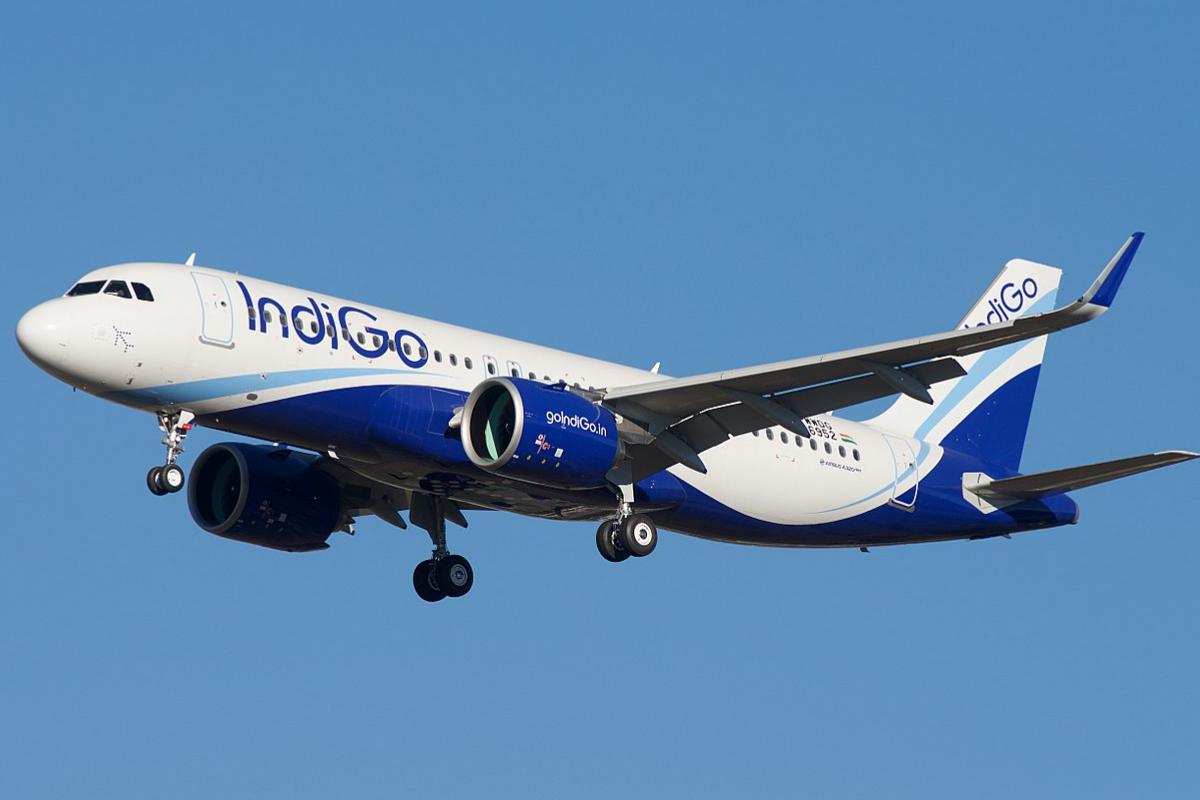
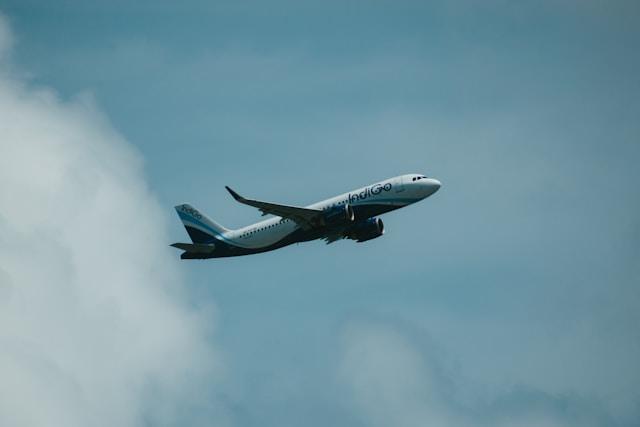
IndiGo Airlines will become the first carrier to start commercial flights from the new Navi Mumbai International Airport (NMIA), with a plan to operate 18 daily flights from the very first day of airport operations. This move is set to change the way people travel in and out of the Mumbai region, offering more choices, reducing congestion, and supporting India’s goal to become a global aviation leader. Here’s a detailed look at what’s happening, why it matters, and what travelers, airlines, and other stakeholders can expect in the coming months.
What’s Happening: The Key Facts
Who: IndiGo Airlines, India’s largest airline by market share
What: Launching 18 daily flights (36 Air Traffic Movements, or ATMs) from NMIA, connecting to over 15 cities
When: Operations expected to begin between August and November 2025 (exact date pending)
Where: Navi Mumbai International Airport, a brand-new airport serving the Mumbai metropolitan area
Why: To ease congestion at Mumbai’s current airport, improve connectivity, and support India’s aviation growth
How: Through a phased operational plan, starting with 18 daily departures and ramping up to 140 daily flights by November 2026
Why This Matters: The Big Picture
Mumbai is one of India’s busiest cities and a major economic hub. Its main airport, Chhatrapati Shivaji Maharaj International Airport, is often crowded, with long lines and limited space for more flights. The opening of Navi Mumbai International Airport is a big step forward, giving the city a second major airport and making travel easier for millions of people.
IndiGo Airlines’ decision to start with 18 daily flights shows its confidence in the new airport and its commitment to giving travelers more options. This move is also important for the airline itself, as it helps IndiGo secure the best time slots and routes at a brand-new hub, just as it did at other new airports like Noida International Airport.
The Timeline: How IndiGo’s Operations Will Grow
IndiGo’s plan for NMIA is not just about the first day. The airline has a clear schedule to increase its flights over time, making the airport a major center for both domestic and international travel.
Here’s how the ramp-up will work:
| Date/Phase | Daily Departures | Total ATMs | International Departures |
|---|---|---|---|
| Opening Day (2025) | 18 | 36 | 0 |
| November 2025 | 79 | 158 | 14 |
| March 2026 | 100+ | 200+ | Not specified |
| November 2026 | 140 | 280 | 30 |
- Opening Day (Expected August–November 2025): 18 daily flights to more than 15 Indian cities
- By November 2025: 79 daily flights, including 14 international routes
- By March 2026: Over 100 daily flights
- By November 2026: 140 daily flights, with 30 international routes
No other airline has announced a similar commitment for the opening phase of NMIA, putting IndiGo Airlines in a strong position as the airport’s main carrier from the start.
The Airport: What Makes Navi Mumbai International Airport Special
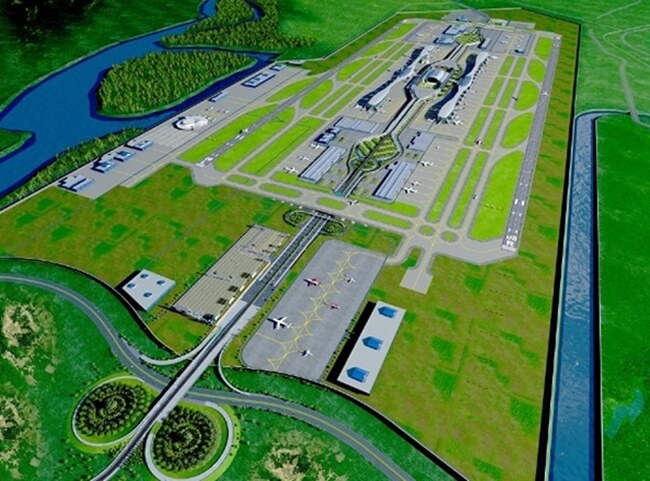
Navi Mumbai International Airport is not just another airport. It is one of India’s largest greenfield (built from scratch) airport projects, with a total cost of about $2.1 billion. The airport is being developed by Navi Mumbai International Airport Pvt Ltd (NMIAL), a joint venture between Adani Airport Holdings Ltd (74% ownership) and CIDCO (City and Industrial Development Corporation of Maharashtra Ltd, 26% ownership).
Key features of NMIA:
- Initial passenger capacity: 20 million people per year, with plans to grow to 90 million annually when fully complete
- Cargo capacity: Starting at 0.5 million metric tonnes (MMT), rising to 3.2 MMT at full build-out
- Modern design: A terminal inspired by the lotus flower, with advanced facilities for comfort and efficiency
- Aero city: Plans for a business and leisure area around the airport, bringing in extra revenue and creating jobs
The airport is designed to ease congestion at Mumbai’s existing airport, improve the travel experience, and help India reach its goal of becoming the world’s third-largest aviation market by 2030.
What This Means for Travelers
For passengers, the opening of NMIA and IndiGo’s 18 daily flights bring several benefits:
- More flight options: Travelers will have more choices for both domestic and international flights, making it easier to find convenient times and routes.
- Less congestion: With two major airports, Mumbai’s air traffic will be spread out, leading to shorter lines, faster check-ins, and a smoother experience.
- Modern facilities: NMIA promises state-of-the-art terminals, better baggage handling, and improved comfort for all passengers.
- Clear information: Passengers will need to check their tickets and airport codes (NMIA vs. BOM) to make sure they go to the right airport for their flights.
International flights from NMIA are expected to begin by November 2025, with IndiGo planning 14 daily international departures at that time. This will make it easier for people in Mumbai and nearby areas to travel abroad without having to deal with the crowds at the old airport.
What Airlines Need to Know
For airlines, the opening of NMIA means new opportunities and some important steps to follow:
- Phased shift: Airlines are being asked to move their domestic operations to NMIA between April and June 2025, with international flights likely to start by August 2025.
- Coordination: Airlines must work closely with Adani Airport Holdings Ltd and NMIAL for slot allocation (deciding when flights can take off and land), ground handling, and making sure everything is ready for smooth operations.
- Competitive pressure: IndiGo’s strong early commitment may push other airlines to announce their own plans for NMIA soon, to avoid losing market share.
Statements from Key Stakeholders
Pieter Elbers, CEO of IndiGo Airlines, said the airline is focused on “operational readiness” and meeting the “evolving needs of aspirational travellers.” He highlighted the strategic importance of NMIA for IndiGo’s network and for India’s aviation growth.
Arun Bansal, CEO of Adani Airport Holdings Ltd, called the partnership with IndiGo a “major step towards confirming NMIA’s position as a transfer hub for domestic and international travellers.” He said the goal is to “transform the travel experience for millions of passengers.”
Policy Implications and Practical Effects
The opening of NMIA and IndiGo’s ramp-up plan have several important effects:
- Easing congestion: Mumbai’s main airport is one of the busiest in India. NMIA will help spread out flights and passengers, making travel smoother for everyone.
- Boosting connectivity: With more flights and new routes, people in Mumbai and nearby areas will find it easier to travel within India and abroad.
- Supporting economic growth: Better air travel options help businesses, tourism, and trade, supporting India’s broader economic goals.
- Setting a model: The public-private partnership (PPP) between Adani and CIDCO is seen as a model for future airport projects in India.
How the Ramp-Up Will Work: Step-by-Step
For Airlines
- Plan the shift: Airlines must decide which flights to move to NMIA and when, following guidance from airport authorities.
- Coordinate with NMIAL and AAHL: Work together on slot allocation, ground handling, and making sure staff and equipment are ready.
- Prepare for international flights: Get ready for international operations by August–November 2025, including customs and immigration arrangements.
For Passengers
- Check your ticket: Make sure you know which airport your flight departs from (NMIA or BOM).
- Book flights: From opening day, you can book IndiGo flights to over 15 Indian cities from NMIA.
- Look for international options: Starting November 2025, international routes will be available from NMIA.
- Arrive early: As with any new airport, give yourself extra time to get familiar with the layout and check-in process.
For more information on airport operations and passenger rights, travelers can visit the Directorate General of Civil Aviation (DGCA) India website, which provides official updates and guidelines for air travel in India.
Expert Analysis: Why IndiGo’s Move Is Strategic
Aviation experts say IndiGo’s aggressive ramp-up at NMIA is a smart move. By starting with 18 daily flights and planning to reach 140 daily departures by November 2026, IndiGo is securing the best slots and building a strong presence at a major new hub. This mirrors the airline’s approach at other new airports, helping it stay ahead of competitors.
Industry analysts also point out that NMIA’s opening will help decongest Mumbai’s airspace and provide a backup in case of problems at the old airport. This is especially important for a city as large and busy as Mumbai.
Government officials see NMIA as a key part of India’s plan to modernize its aviation infrastructure. The partnership between Adani and CIDCO is being watched closely as a possible model for other airport projects across the country.
According to analysis by VisaVerge.com, IndiGo’s early and large-scale commitment to NMIA is likely to shape how other airlines respond, and could set the tone for competition and service quality at the new airport.
Multiple Perspectives: What Different Groups Think
- IndiGo Airlines: Sees NMIA as a chance to expand its network, offer more choices to travelers, and strengthen its leadership in Indian aviation.
- Adani Group/AAHL: Wants to make NMIA a regional and global hub, focusing on passenger experience and efficient operations.
- Passengers: Will benefit from more flight options, less congestion, and better airport facilities.
- Other airlines: May feel pressure to match IndiGo’s scale and speed, or risk losing customers to the airline’s early advantage.
Background: The Long Road to NMIA
The idea for Navi Mumbai International Airport has been around for over a decade. The project faced many delays due to land acquisition, environmental clearances, and funding challenges. Now, with construction nearly complete, NMIA is set to transform Mumbai into a global aviation hub, similar to cities like Dubai, London, or Singapore.
Both of Mumbai’s airports (BOM and NMIA) are managed by the Adani Group, which should make it easier to coordinate flights and manage traffic between the two airports.
Looking Ahead: What’s Next for NMIA and Indian Aviation
- Full-scale operations: By November 2026, NMIA is expected to handle 140 daily departures, including 30 international routes, making it a major gateway for both India and the world.
- Aero city development: Plans for a business and leisure area around the airport will bring in extra revenue and create a new ecosystem for jobs and services.
- More airline announcements: As the opening date approaches, other airlines are expected to reveal their own plans for NMIA, increasing competition and choices for travelers.
Practical Takeaways for Travelers and Airlines
- Travelers: Check your flight details carefully, especially the airport code, and look forward to more options and a better travel experience from late 2025 onward.
- Airlines: Prepare for the shift to NMIA by working closely with airport authorities and planning for both domestic and international operations.
- Businesses and the local economy: Expect new opportunities as NMIA grows, from logistics and cargo to hospitality and retail.
Official Contacts and Resources
- IndiGo Airlines: Customer Care: 0124-6173838 / 0124-4973838 | Website: www.goindigo.in
- Navi Mumbai International Airport Pvt Ltd (NMIAL): Information typically available via Adani Airports’ official site
- Adani Airport Holdings Ltd (AAHL): Details usually found on the Adani Group’s official website
For the latest updates on airport operations, policies, and passenger rights, visit the DGCA India official website.
In Summary
IndiGo Airlines’ commitment to operate 18 daily flights from Navi Mumbai International Airport from the very first day, with plans to quickly ramp up to 140 daily departures by November 2026, marks a turning point for Indian aviation. This move will ease congestion at Mumbai’s current airport, improve connectivity for millions of travelers, and set a new standard for airport experience in the region. The partnership between IndiGo and Adani Airport Holdings is key to NMIA’s rise as a major domestic and international hub, supporting India’s broader ambitions in the global aviation market.
As NMIA prepares to open its doors, travelers, airlines, and businesses should get ready for a new era in Mumbai’s—and India’s—air travel story.
Learn Today
Navi Mumbai International Airport (NMIA) → A new greenfield airport near Mumbai designed to reduce congestion and increase capacity.
Air Traffic Movements (ATM) → The total number of aircraft takeoffs and landings at an airport.
Greenfield Airport → An airport built from scratch on undeveloped land rather than expanding an existing one.
Slot Allocation → The process of assigning specific times for aircraft takeoff and landing to airlines.
Phased Operational Plan → A gradual increase in flight operations over time to manage capacity and demand.
This Article in a Nutshell
IndiGo Airlines will pioneer commercial flights at Navi Mumbai International Airport with 18 daily departures starting in late 2025, setting a new benchmark for India’s aviation growth and connectivity in the Mumbai region.
— By VisaVerge.com