- Navi Mumbai International Airport launched commercial flight operations on December 25, 2025.
- The facility currently handles 20 million passengers annually across a growing domestic network.
- Summer 2026 plans include 1,092 weekly flights connecting to 46 domestic destinations.
(NAVI MUMBAI) — Navi Mumbai International Airport has operated commercial flights since December 25, 2025, opening a second airport for the Mumbai Metropolitan Region and shifting traffic from Mumbai’s Chhatrapati Shivaji Maharaj International Airport.
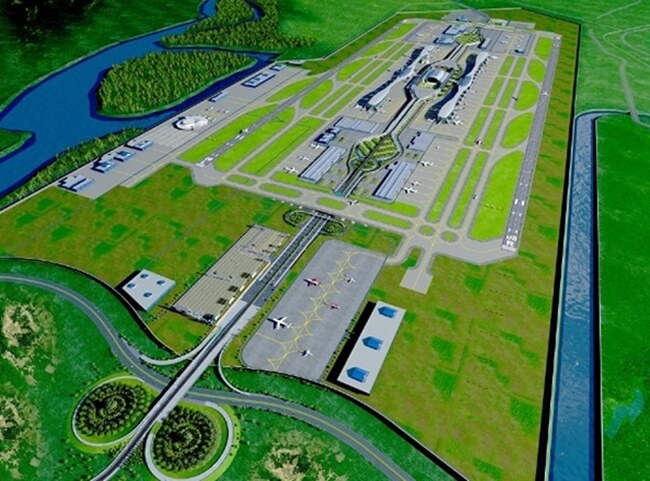
The greenfield airport, developed by Navi Mumbai International Airport Limited, or NMIAL, launched with one runway and one terminal after Prime Minister Narendra Modi inaugurated the facility on October 8, 2025. NMIAL is a joint venture between Adani Airport Holdings Ltd, which holds a 74% stake, and the City and Industrial Development Corporation of Maharashtra, or CIDCO, which holds 26%.
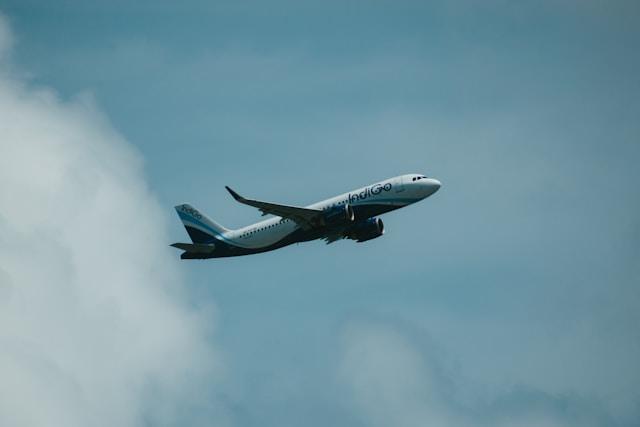
Commercial operations began with IndiGo flight 6E460 from Bengaluru landing at 8:00 AM on December 25, 2025, followed by IndiGo’s 6E882 departure to Hyderabad at 8:40 AM. The first arrival received a ceremonial water cannon salute.
Day one brought around 30 air traffic movements, including 15-24 scheduled departures to nine domestic destinations, and served over 4,000 passengers. Airlines operating from Navi Mumbai at launch included IndiGo, Akasa Air, Air India Express and Star Air, with flights to Bengaluru, Delhi, Goa, Kochi, Ahmedabad, Hyderabad, Lucknow, Mangaluru, Nagpur, Jaipur, Chennai, Coimbatore and Vadodara.
Built at a first-phase cost of approximately ₹19,650 crore, the airport started with capacity to handle 20 million passengers per annum and 0.5-0.8 million metric tonnes of cargo annually. Across five phases, that is set to rise to 90 MPPA and 3.2 million metric tonnes of cargo.
Construction stemmed from work that began in 2018, with the project’s conceptual origins dating to 1997. By mid-2025, construction had crossed 96% completion, and Gautam Adani, chairman of Adani Group, greeted the first passengers when commercial services began.
Initial operations ran for 12 hours a day, from 8:00 AM to 8:00 PM, with capacity for up to 10 aircraft movements per hour. Extended timings started on January 24, 2026, allowing later flights, including IndiGo’s Navi Mumbai-Delhi service departing at 8:50 PM from February 1, 2026.
From February 2026, the airport rolled out 24/7 operations in stages as airlines expanded schedules. Peak traffic on opening day fell between 5:00 AM and 7:00 AM.
Airline Expansion and Early Network Growth
Airline growth has driven much of the early ramp-up at NMIAL. IndiGo began with 16-18 daily departures to cities including Delhi, Bengaluru, Goa and Hyderabad, then expanded to 34 by February 2026 while also leading the summer schedule with more than 30 new routes and ATR operations.
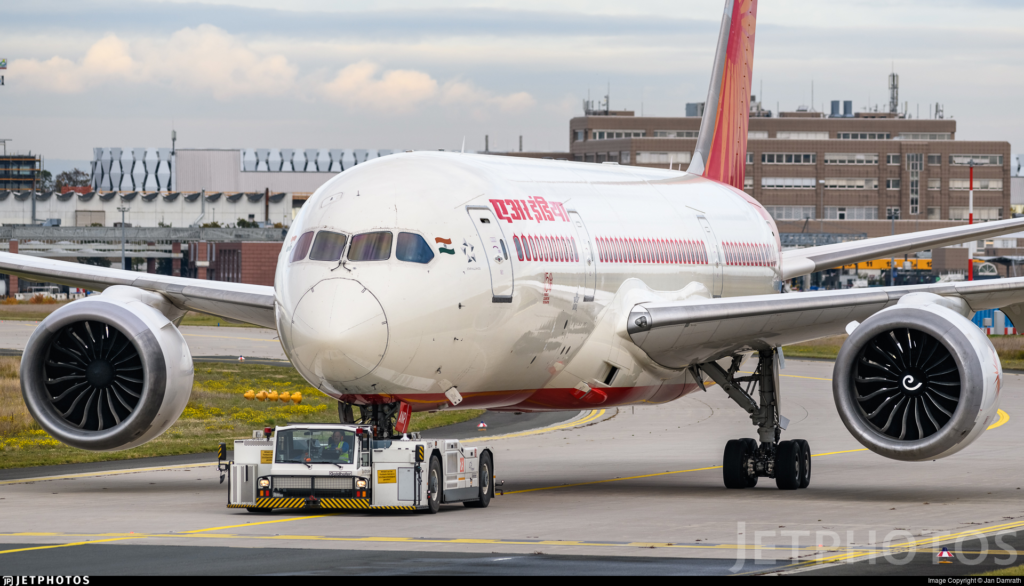
Akasa Air launched 15 domestic flights from the airport and is targeting 40 domestic and 10 international services within the first year. Air India Express, part of Air India Group, began with 20 daily departures, or 40 ATMs, to 15 cities and plans to scale to 55 daily, or 110 ATMs, including 5 international, by mid-2026 and 60 daily, or 120 ATMs, by winter 2026.
Star Air added regional domestic links during the opening phase. Together, the four carriers established the airport’s first network as it moved from limited operating hours to a full-day schedule.
On March 26, 2026, NMIA announced its first summer schedule covering March 29 to October 24, 2026. That plan connects the airport to 46 domestic destinations and adds 30 new routes.
The schedule includes high-frequency links to commercial centers and leisure destinations, with Delhi served by 9 daily departures, Bengaluru by 6 and Goa by 7. Varanasi also features in the route map as airlines widen domestic coverage from Navi Mumbai.
IndiGo, Akasa Air and Air India Express are driving that expansion. NMIA projects 1,092 weekly ATMs under the summer schedule, averaging 156 a day, while daily departures are set to rise from 22 at launch to 78 by April 2026.
International flights are slated to begin within six months of launch, around June 2026. Air India Group is expected to pioneer that phase with up to 5 daily international services by mid-2026.
The early domestic network has focused on destinations with heavy passenger demand, including Delhi, Goa, Bengaluru, Kochi, Hyderabad, Kolkata, Lucknow, Varanasi and Indore. That approach has allowed airlines to build traffic before international services start.
Terminal Design, Infrastructure and Operating Model
Terminal infrastructure has been designed around both speed and scale. The main terminal, inspired by the lotus flower, includes digital check-in and security systems, while the airport says its baggage claim system uses 360-degree barcode scanning.
The airport also includes biometrics-based immigration processing, aimed at reducing wait times for international passengers when those flights begin. Energy-efficient buildings and water recycling form part of the airport’s initial operating model.
CIDCO spent ₹2,000 crore on land rehabilitation as the project moved forward alongside environmental approvals, safety checks and operating licenses. That work progressed in parallel with construction and cleared the way for the commercial launch at the end of 2025.
The airport now supports up to 10 aircraft parking stands in its initial phase. It also levies user development fees of up to ₹1,225 to support ongoing enhancements.
Connectivity, Regional Access and Economic Impact
Road and transport links have expanded around the airport as flight operations have increased. By March 2026, direct connections to the Mumbai-Pune Expressway and the Atal Setu-Coastal Road had been completed, along with a Thane elevated road.
Authorities have also tied the project to suburban railways, metro lines and water transport, building a multimodal system around the site in Navi Mumbai. Those links are intended to shorten journeys from Mumbai, Pune and Thane and to spread traffic across the wider region.
For the Mumbai Metropolitan Region, the airport’s opening marks the start of a multi-airport system rather than a single-airport model. That shift comes as Mumbai’s primary airport faces saturation and passenger demand continues to rise.
Since opening, NMIA has handled thousands of passengers and dozens of flights, taking pressure off Chhatrapati Shivaji Maharaj International Airport. The airport also anchors a wider economic corridor connecting Mumbai, the MMR and Pune.
That has drawn attention beyond airlines. The project is expected to generate thousands of jobs in aviation, hospitality, retail and logistics, while real estate, hotel and business activity gathers around the airport’s economic zone.
Cargo is also part of the airport’s early strategy. The first phase allows for 0.5-0.8 million metric tonnes of cargo annually, and long-term expansion would lift that to 3.2 million metric tonnes, creating a larger logistics base around NMIAL and CIDCO-backed development.
Project Timeline, Challenges and Long-Term Outlook
The phased rollout reflects the project’s long gestation and the hurdles it faced before launch. Land acquisition and environmental issues delayed progress, though the airport moved ahead through investments ranging from ₹16,700-19,650 crore and a sequencing plan that started with domestic services before round-the-clock operations and then international flying.
That sequencing has shaped airline planning as well. Carriers have used the first months to establish domestic frequency, add routes and build passenger flows before the next wave of expansion in mid-2026 and winter 2026.
Maharashtra Chief Minister Devendra Fadnavis called the facility “the most modern and fully-equipped airport in the country,” linking it to the state’s aviation and infrastructure ambitions.
The airport’s long-term growth target remains far larger than its current footprint. Once all five phases are complete, NMIA is expected to handle 90 MPPA, placing it among India’s biggest airports by planned capacity.
For now, its immediate test is execution: turning launch-day traffic into a stable, high-frequency operation while international service, cargo growth and surface transport links all scale up together. The summer 2026 schedule, with 46 destinations and 1,092 weekly flights, offers the clearest measure yet of how quickly Navi Mumbai has moved from project site to working airport.