- Recent H-1B enforcement focuses on worksite compliance and fraud under Project Firewall initiatives launched in 2025.
- A viral claim of illegal detention was denied by Infosys leadership, clarifying it was an administrative entry denial.
- The Simeio precedent requires filing amended H-1B petitions whenever a worker’s job location changes significantly.
(INDIA) — A key immigration precedent, Matter of Simeio Solutions, LLC, 26 I&N Dec. 542 (AAO 2015), continues to shape how U.S. agencies treat H-1B workers assigned to changing client sites, and it helps explain why today’s enforcement climate—especially under Project Firewall—can feel like “jail or deportation” even when the most common outcome is simply denial of entry or petition problems rather than an arrest.
Simeio’s practical impact is straightforward: when an H-1B worker’s job location changes in a way that requires a new labor condition application (LCA), the employer typically must file an amended or new H-1B petition. In a period of heightened cross-agency review of third‑party placements and wage compliance, that rule becomes a pressure point for IT services firms and their employees—particularly Indian nationals working on rotating client assignments.

1) Viral claim vs. official statements: what was alleged, and what was denied
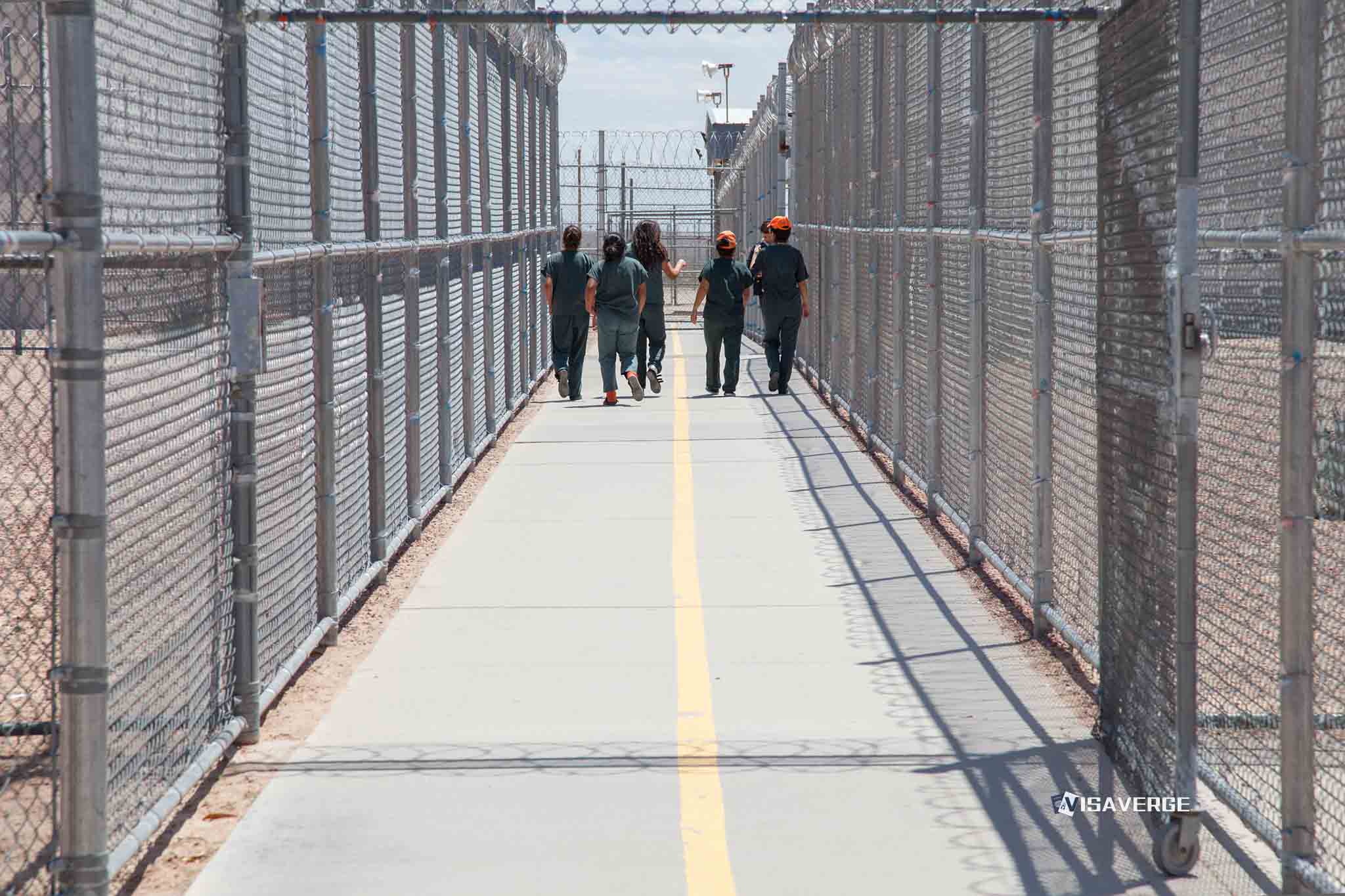
On January 13, 2026, an X post by Chetan Anantharamu circulated widely in indian tech circles. It alleged that a Mysuru-based Infosys employee in the United States was “picked up” by immigration agents, given two hours to pack, forced to choose “jail or deportation,” and then publicly humiliated during removal travel via Frankfurt.
On January 14, 2026, Infosys CEO Salil Parekh addressed the claim during an earnings call. He stated that no infosys employee had been detained by U.S. authorities. He described a different event: months earlier, one employee was denied entry and returned to India, characterizing it as an administrative action at a port of entry rather than a detention episode.
That distinction matters legally. Being denied entry at a port of entry can occur without criminal custody. It can involve withdrawal of an application for admission, expedited removal, or a return on the next flight, depending on facts and discretion.
Those scenarios differ sharply from an “ICE pickup” after admission, which can trigger formal removal proceedings under INA § 240.
A denial of entry can happen quickly and with limited review. It may still carry serious immigration consequences, including bars after expedited removal. Get legal advice fast if a denial or expedited removal is on the table.
2) Policy context: Project Firewall and increased H‑1B scrutiny
Even if the viral narrative was overstated, the fear it triggered is rooted in a real enforcement shift. Project Firewall, launched September 19, 2025, was described as an effort to detect, deter, and prosecute H‑1B fraud. The initiative is tied to inter‑agency data sharing among the Department of Labor (DOL), Department of Homeland Security (DHS), USCIS, and the Department of Justice (DOJ).
The stated targets include third‑party placement models and wage violations, two long-running risk areas in H‑1B compliance. As of December 5, 2025, reported figures indicated roughly 175–200 investigations had been initiated under Project Firewall.
This policy background matters because H‑1B enforcement is rarely about a single document. It often involves a chain: LCA requirements under DOL rules, petition terms under USCIS rules, and admissibility review at the border by CBP under DHS.
3) The precedent: Matter of Simeio Solutions and why worksite changes can unravel a case
In Matter of Simeio Solutions, LLC, 26 I&N Dec. 542 (AAO 2015), the Administrative Appeals Office held that an H‑1B petitioner must file an amended or new petition when a change in the beneficiary’s place of employment requires a corresponding new LCA.
Key facts that drove the decision
Simeio involved an H‑1B worker who moved among worksites. USCIS focused on whether the petitioner had maintained compliance with the terms tied to the LCA and petition filings, including location-based wage and notice requirements.
The AAO concluded that a material change in employment location that triggers a new LCA is not a minor administrative detail. It is a change that generally requires an amended filing.
Why it matters now
Project Firewall’s emphasis on client-site placements makes Simeio more than a technical precedent. In many IT consulting arrangements, a worker’s end-client site and commuting area can change during a project. If the employer does not timely amend, the case can become vulnerable in multiple ways:
- USCIS petition risk: An employer may face a request for evidence, denial, or later compliance action if the petition no longer matches reality.
- Status and travel risk: A worker may be admitted earlier based on a petition that later becomes inaccurate. Future travel can expose the mismatch at the border.
- DOL wage and notice risk: A new location often means new wage obligations and new LCA posting. That can become an enforcement hook.
These risks intersect with black-letter rules: H‑1B classification comes from INA § 101(a)(15)(H)(i)(b), and core petition requirements appear in 8 C.F.R. § 214.2(h). While Simeio is an AAO precedent (not a circuit court decision), USCIS officers commonly apply it nationwide in adjudications.
When a worksite move requires a new LCA, employers should evaluate an H‑1B amendment before the move. Late filings can create status and travel issues.
4) New policy pressures: fees, selection rules, and a recurring Infosys misconception
The viral story spread into a broader narrative about a sweeping crackdown on Indian IT firms. Some of that narrative reflects real policy changes.
The $100,000 one-time fee for certain new H‑1B petitions
A September 19, 2025 Presidential Proclamation imposed a one-time $100,000 fee for new H‑1B petitions for workers outside the United States. USCIS later confirmed that certain petitions filed at or after 12:01 a.m. EDT on September 21, 2025 must include the additional $100,000 payment as a condition of eligibility.
For firms that regularly onboard workers abroad for U.S. client projects, this kind of fee can change staffing models quickly. It also increases incentives to rely on extensions, transfers, or alternative visa categories—each with its own compliance risks.
Weighted selection effective February 27, 2026
A DHS final rule, effective February 27, 2026, is described as shifting the H‑1B selection process to favor higher-paid workers. If implemented as described, entry-level roles may face worse odds, especially in high-volume filing models.
The $34 million “new settlement” claim is not new
A recurring social media claim tied to the current controversy cites a “new” $34 million Infosys settlement. The cited matter is historical, not new: a 2013 settlement involving visa fraud allegations. That history can shape public perception, but it is not proof of a 2026 incident.
Viral posts often mix true policy changes with incorrect case details. In immigration, small factual differences change outcomes.
5) How this affects individuals and firms: travel, site visits, and speech concerns
For H‑1B workers
The lived experience of “jail or deportation” anxiety often comes from the border process. A worker can be refused admission if CBP believes the person lacks proper documentation, will work outside petition terms, or cannot clearly explain the client-site assignment.
Even absent criminal custody, denial of entry can be traumatic and career-altering. Workers should treat travel as a legal event. The admissibility inquiry occurs under INA § 212, and CBP can inspect devices and review public online information in many circumstances.
While the legal limits vary by context, the practical point is that inconsistent statements, missing documentation, or mismatched worksites can trigger problems.
For employers, including large IT services firms
Project Firewall reporting has contributed to a sense of increased client-site investigative activity. Firms may respond by slowing new H‑1B hiring for off-site projects, tightening vendor chains, reducing bench time, and standardizing documentation. The new fee and selection changes amplify this business pressure.
Legally, the high-risk zone often includes:
- Worksite moves without an amendment (Simeio concerns).
- Wage level and actual wage problems under DOL rules.
- Third-party placement documentation gaps, such as unclear control, duties, and end-client letters.
Circuit splits or conflicting decisions?
Simeio is an AAO precedent applied by USCIS in benefits adjudications. Some disputes over H‑1B interpretation and deference can vary by circuit in federal litigation, especially in APA challenges.
However, the core “amendment for material worksite change” rule has been broadly treated as controlling within the agency, even if case outcomes can differ based on local federal court rulings and settlement posture.
Practical takeaways (and when to call a lawyer)
- If your worksite changes, ask about an H‑1B amendment immediately. Tie the question to LCA coverage and commuting area.
- Travel with a document plan. Carry the approval notice, recent pay statements, an updated employment verification letter, and clear client-site details consistent with the petition.
- Do not assume a denial of entry is “routine.” It can create long-term consequences, including expedited removal bars, depending on what is signed or issued.
- Employers should treat Project Firewall as a compliance stress test. Expect DOL wage scrutiny and cross-agency referrals where records conflict.
For workers and employers facing a denial of entry, site-visit concerns, or a potential investigation, consult an experienced immigration attorney promptly. The safest approach is individualized counsel based on the petition history, LCAs, travel history, and client documentation.
Official government resources (H‑1B and enforcement background)
– USCIS H‑1B Specialty Occupations: https://www.uscis.gov/working-in-the-united-states/h-1b-specialty-occupations
⚖️ Legal Disclaimer: This article provides general information about immigration law and is not legal advice. Immigration cases are highly fact-specific, and laws vary by jurisdiction. Consult a qualified immigration attorney for advice about your specific situation.
Resources:
This report analyzes the intersection of H-1B immigration law, recent enforcement policies like Project Firewall, and viral misinformation. It clarifies that while administrative scrutiny at borders is intensifying, reports of mass arrests are often overstated. Key legal precedents and new 2025-2026 regulations, including significant fee increases and salary-based selection, are creating a more complex landscape for IT service firms and foreign professionals.