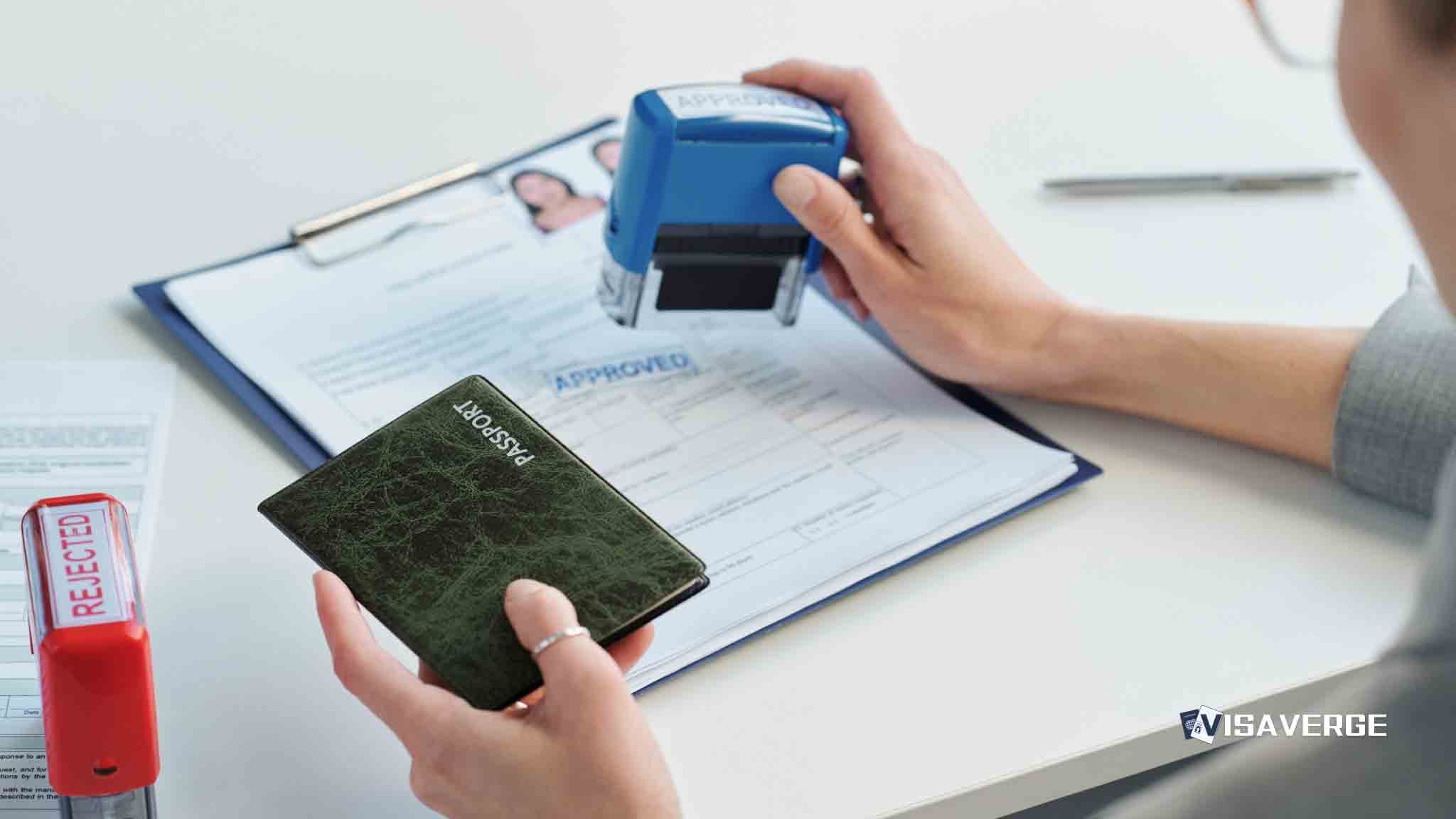
A new U.S. Department of State policy, effective June 18, 2025, now requires all F-1 visa applicants to make their social media profiles public for review by consular officers. This change has led to a sharp rise in visa denials, with many students losing their chance to study in the United States ?? after social media vetting under Section 214(b) revealed content seen as hostile or inconsistent with visa eligibility.
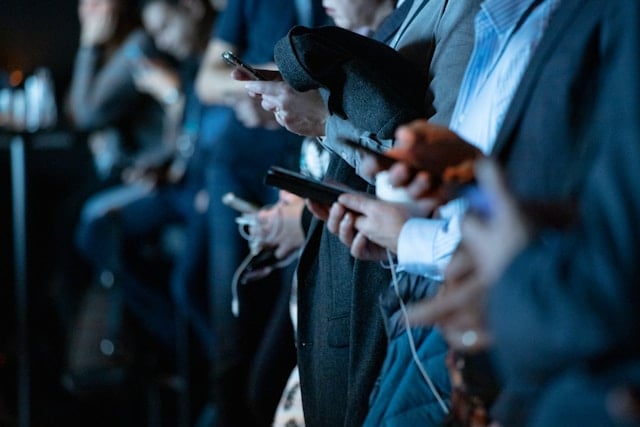
The policy applies to F-1, M, and J visa categories, affecting thousands of international students each year. Consular officers now check applicants’ Facebook, Instagram, X (formerly Twitter), LinkedIn, TikTok, and other accounts for any signs of hostility toward the United States ??, support for terrorism, or political activism that could be viewed as adverse. If applicants refuse to make their profiles public or if officers find concerning content, they may deny the visa under Section 214(b), which is the law used when someone cannot show they qualify for a nonimmigrant visa.
Free toolOPT Timeline Calculator Online
Secretary of State Marco Rubio has confirmed that hundreds of student visas have already been revoked under this policy. He stated that the Department of State will continue to enforce these rules, especially for applicants from China ?? or those linked to anti-American activities. The new process has also caused longer wait times for interviews and visa decisions, as officers spend more time reviewing online profiles.
How the Policy Works
| India | China | ROW | |
|---|---|---|---|
| EB-1 | Feb 01, 2023 ▲109d | Jul 01, 2023 | Current |
| EB-2 | Nov 01, 2013 | Oct 01, 2021 ▲30d | Jan 01, 2025 |
| EB-3 | Jan 01, 2014 | Jan 08, 2022 ▲7d | May 15, 2024 ▼109d |
| F-1 | Jan 22, 2020 | Jan 22, 2020 | Jan 22, 2020 |
| F-2A | Sep 22, 2026 ▲31d | Sep 22, 2026 ▲31d | Sep 22, 2026 ▲31d |
Under the new rules, all F-1 visa applicants must:
- Set all social media accounts to public so consular officers can review posts, photos, and comments.
- Allow officers to check for content that could show hostility toward U.S. citizens, culture, government, or institutions.
- Avoid posts supporting terrorism, antisemitic violence, or fraud in the visa process.
- Be aware that political activism or protest participation may also be flagged as a negative factor.
If an applicant refuses to make their profiles public, this can be seen as a negative sign and may lead to a visa denial under Section 214(b). Officers are told to take screenshots and write detailed notes about anything they find that could affect the decision.
Impact on Students and Families
Many students have reported sudden visa denials after their social media was reviewed. One applicant described the experience as losing everything “in one second” after a consular officer found a post that was seen as hostile. Others have been denied for old posts, jokes, or comments that were misunderstood or taken out of context.
Universities and international student offices, such as Yale’s Office of International Students and Scholars, now advise students to:
- Review and clean up their social media content before applying for a visa.
- Change privacy settings to public as required by the new policy.
- Consult experienced immigration attorneys if they are worried about their digital footprint.
VisaVerge.com reports that this policy has created confusion and fear among applicants, with many worried that even innocent posts could be misinterpreted. Some students have deleted years of content or stopped posting altogether to avoid problems.
Concerns from Advocacy Groups and Universities
Privacy and free speech advocates warn that the new policy could lead to self-censorship. Students may feel forced to hide their opinions or avoid talking about important issues online. There are also concerns that minority voices or lawful political expression could be unfairly targeted.
Academic groups, including the American Council on Education (ACE) and the University Professional and Continuing Education Association (UPCEA), have spoken out against the policy. They argue that it could hurt the United States ??’s reputation as a welcoming place for international students and reduce enrollment and diversity on campuses.
A spokesperson for ACE said, “We are concerned that this policy sends the wrong message to talented students around the world. The United States ?? has always been a leader in higher education, but these new rules may make students think twice about coming here.”
Background: How Did We Get Here?
The current social media vetting policy builds on earlier steps taken during the Trump administration. In 2017, the Department of Homeland Security began collecting social media identifiers for immigration files. By 2019, the DS-160 visa application form was updated to ask for social media handles from the past five years. However, until 2025, enforcement was inconsistent, and applicants were not required to make their profiles public.
The new policy marks a major shift, with a focus on national security and ideological vetting. Consular officers now have clear instructions to look for any signs of anti-American sentiment or activities that could be seen as a threat.
Section 214(b): The Legal Basis for Denials
Section 214(b) is a part of U.S. immigration law that requires applicants for nonimmigrant visas, like the F-1 visa, to prove they intend to return home after their studies and that they meet all eligibility requirements. If an officer is not convinced, they can deny the visa under this section. Now, with social media vetting, posts or comments that seem inconsistent with visa intent can be used as evidence for denial.
For more information about Section 214(b), applicants can visit the U.S. Department of State’s official page on visa denials.
What Can Applicants Do?
Given the strict new rules, students hoping to study in the United States ?? should take several steps:
- Carefully review all social media accounts for posts, photos, or comments that could be misunderstood.
- Delete or edit anything that might raise questions about their intentions or views.
- Make all profiles public before the visa interview, as required.
- Be honest on the DS-160 visa application form and provide accurate social media handles.
- Seek help from university international offices or immigration lawyers if unsure about what might be a problem.
It is also important to remember that even old posts can be found and used in the decision process. Officers are trained to look for patterns or signs of behavior that could be seen as risky.
Challenges and Ongoing Debates
The policy has sparked debate about the balance between national security and civil liberties. Advocacy groups are pushing for clearer guidelines and better protection for free speech. Some legal experts believe the policy could face court challenges, especially if it is used to target certain groups unfairly.
Universities are also worried about the impact on international enrollment. Many fear that students from countries with tense relations with the United States ??, such as China ??, may face extra scrutiny or higher denial rates.
As of July 31, 2025, there are no signs that the policy will be rolled back. The Department of State may make changes in the future, but for now, the rules remain in place.
Official Resources and Support
Applicants should always check the U.S. Department of State’s visa information page for the latest updates and instructions. University international offices can provide guidance and connect students with legal help if needed.
For those filling out the DS-160 visa application form, the official version can be found here.
Looking Ahead
The new social media vetting policy has changed the F-1 visa process in 2025, making digital footprints a key part of the decision. Students, families, and universities must now pay close attention to online activity and be ready for more questions during the visa process.
While the policy aims to protect national security, it also brings new risks and challenges for international students. Careful planning, honest communication, and support from experts can help applicants avoid common problems and improve their chances of success.
As the debate continues, many hope for clearer rules and fairer treatment for all students who want to study in the United States ??. For now, understanding the new requirements and preparing social media profiles are essential steps for anyone applying for an F-1 visa.
Learn Today
F-1 Visa → A nonimmigrant visa allowing international students to study full-time in U.S. academic programs.
Section 214(b) → U.S. immigration law section allowing visa denial if applicants fail to prove eligibility or intent.
Consular Officer → A U.S. diplomat authorized to evaluate visa applications and decide approvals or denials.
Social Media Vetting → Reviewing online profiles to assess applicants’ suitability and security risks before visa issuance.
DS-160 Form → The official electronic application form for nonimmigrant U.S. visas including social media information.
This Article in a Nutshell
Starting June 2025, F-1 visa applicants must publicize social media for consular checks. This new policy increases visa denials based on content seen as hostile, impacting international students’ chances to study in the U.S., sparking debates on security versus free speech concerns.
— By VisaVerge.com