Key Takeaways
• Since June 2025, all F, M, and J visa applicants must set social media accounts to public.
• Consular officers review online profiles for hostility, terrorism support, antisemitism, or political activism.
• Noncompliance with public account rules can cause visa denial without formal appeal process.
The U.S. State Department’s Expanded Social Media Screening for Student Visa Applicants: An Analytical Review
Purpose and Scope
Free toolOPT Timeline Calculator Online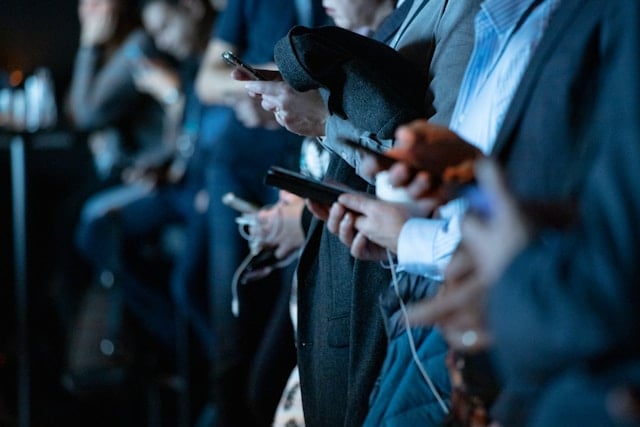
This analysis examines the expanded social media screening requirements for student visa applicants announced by the U.S. State Department in June 2025. The new policy requires all applicants for F, M, and J visas to make their social media accounts public for government review. This report explores the policy’s purpose, the methods used to implement it, key findings from its rollout, and the practical effects on international students and educational institutions. It also presents data trends, compares this policy to past practices, and discusses the broader implications for privacy, national security, and the U.S. higher education system.
Methodology
This review draws on official U.S. State Department announcements, stakeholder statements, and media coverage from June 2025. It synthesizes guidance documents, expert opinions, and firsthand accounts from students and university officials. The analysis includes:
- A breakdown of the policy’s requirements and screening criteria
- Step-by-step process for applicants
- Visual descriptions of the screening process and its impact
- Comparisons to previous visa screening practices
- Evidence-based conclusions about the policy’s effectiveness and challenges
- Limitations of current data and areas for future monitoring
Key Findings
- All student visa applicants must set their social media accounts to “public” before their interview.
- Consular officers review online profiles for signs of hostility, support for terrorism, antisemitic activity, or political activism.
- Failure to comply with the public account requirement can result in visa denial.
- The policy has caused concern among students and universities, especially in countries with large applicant pools.
- Privacy advocates and education leaders warn the policy may deter qualified students and harm the U.S.’s reputation as a welcoming destination.
- The policy builds on earlier security-focused visa screening measures and reflects a broader trend of using social media in immigration vetting.
Data Presentation and Visual Descriptions
To help readers picture the process, imagine the following:
- A student visa applicant logs into their social media accounts (such as Facebook, Instagram, Twitter, or LinkedIn) and changes privacy settings so anyone can view their posts, photos, and profile information.
- At the U.S. embassy or consulate, a consular officer opens the applicant’s public profiles and scrolls through years of posts, looking for red flags such as anti-U.S. statements, support for violence, or evidence of political activism.
- If the officer finds concerning content, they may ask the applicant to explain or provide more information. If accounts are private or limited, the officer may treat this as a refusal to provide information, which can lead to denial.
Comparisons, Trends, and Patterns
Comparison to Previous Practices
- Before June 2025: Student visa applicants were asked to list their social media handles on the DS-160 form, but were not required to make accounts public. Officers could request more information if needed, but there was no blanket requirement for public access.
- After June 2025: All applicants must proactively set accounts to public. Officers are instructed to treat private accounts as a failure to provide information, which is grounds for denial.
Trends and Patterns
- Increased Use of Social Media in Screening: The U.S. State Department has gradually expanded social media vetting since the late 2010s, especially for applicants from certain countries or flagged for additional review. The June 2025 policy makes this a universal requirement for all student visa applicants.
- National Security Focus: The policy reflects ongoing concerns about foreign influence, terrorism, and the potential for individuals to use student visas for harmful purposes.
- Growing Student Anxiety: Reports from China ??, India ??, Mexico ??, and the Philippines ?? show that students are worried about how their online presence might be interpreted and whether old posts could jeopardize their visa chances.
Policy Details and Screening Criteria
Who is Affected?
- All applicants for F, M, and J visas (these cover academic students, vocational students, and exchange visitors)
- Applicants from all countries—no exceptions based on nationality
What Must Applicants Do?
- Set all social media accounts to “public” before their visa interview
- Be prepared to answer questions about past posts, comments, or online activity
- Avoid deleting or hiding accounts, as this may be seen as evasive
What Are Officers Looking For?
Consular officers are instructed to review applicants’ online presence for:
- Hostility toward U.S. citizens, culture, government, or institutions
- Support for terrorism or threats to U.S. national security
- Unlawful antisemitic harassment or violence
- Political activism, especially if it might continue in the U.S.
What Happens If Applicants Don’t Comply?
- Private or limited accounts are treated as a failure to provide information
- Applicants may be denied a visa or face additional scrutiny
- There is no formal appeal process for denials based on social media screening
Practical Effects on Applicants
Step-by-Step Process for Student Visa Applicants
- Review all social media accounts and set privacy settings to “public.”
- Schedule a visa interview at the U.S. embassy or consulate.
- Attend the interview, where consular officers will review online profiles.
- Answer any questions about online activity, if asked.
- Wait for a decision, which will include the results of the social media review.
Common Concerns and Challenges
- Uncertainty about what content might be considered disqualifying
- Fear that old posts, jokes, or political opinions could be misinterpreted
- Worry about privacy and the safety of making personal information public
- Potential for delays if officers request more information or clarification
Impact on International Students and U.S. Universities
- Delays in visa processing due to the extra time needed for social media review
- Possible reduction in international student enrollment if students are deterred by the policy
- Increased workload for university admissions and international student offices as they help students prepare for the new requirements
Background and Historical Context
Roots in Earlier Policies
- The Trump administration began requiring visa applicants to list social media handles in 2019, focusing on national security.
- The Biden administration continued and expanded these checks, especially for high-risk applicants.
- In May 2025, the U.S. State Department paused new student visa appointments to prepare for the expanded vetting process.
Why Social Media?
- Officials argue that social media provides a window into applicants’ true beliefs and intentions.
- The policy aims to prevent individuals who might pose a threat to the United States ?? from entering on student visas.
Stakeholder and Expert Perspectives
Support for the Policy
- U.S. State Department: Emphasizes that every visa decision is a national security decision. The new measures are designed to keep Americans safe and protect U.S. interests.
- Some security experts: Argue that social media can reveal hidden risks that traditional background checks might miss.
Criticism and Concerns
- Fanta Aw, CEO of NAFSA: Criticized the policy for causing delays and harming the U.S.’s reputation as a welcoming place for global talent.
- Privacy advocates: Worry about the broad scope of the review and the lack of clear guidelines on what content is disqualifying.
- Media outlets: The Washington Post and Politico have highlighted the risk that political activism or personal views could be used to deny visas, raising questions about free speech and fairness.
- University officials: Concerned that the policy will make it harder to attract top students and scholars from around the world.
Comparative Analysis: U.S. vs. Other Countries
- United States ??: Now requires all student visa applicants to make social media accounts public.
- Canada ??, United Kingdom ??, Australia ??: May request social media information in certain cases, but do not have a blanket requirement for public accounts.
- Trend: The U.S. is leading in the use of social media as a standard part of visa screening, but other countries may follow if security concerns increase.
Evidence-Based Conclusions
Effectiveness
- The policy may help identify applicants who pose a genuine security risk, especially those who openly support violence or terrorism online.
- However, there is little evidence so far that requiring all accounts to be public will significantly improve security outcomes compared to targeted screening.
Risks and Downsides
- The policy may deter qualified students who value privacy or fear misinterpretation of their online activity.
- It could lead to fewer international students choosing U.S. universities, which would have economic and cultural impacts.
- There is a risk of bias or inconsistency in how consular officers interpret social media content.
Limitations of Current Data
- The policy is new, so there is limited data on how many applicants have been denied visas due to social media screening.
- It is unclear how officers are trained to interpret online content, especially in different languages or cultural contexts.
- There is no public reporting on the number of denials or the specific reasons for them.
Future Outlook and Anticipated Developments
- The U.S. State Department may further refine the policy, possibly adding more guidance on what content is disqualifying.
- Legal challenges or privacy complaints could force changes to the policy.
- Universities and advocacy groups will likely continue to monitor the impact on international student enrollment and push for more transparency.
Practical Guidance for Applicants
- Review your social media history and remove or clarify any posts that could be misinterpreted.
- Set all accounts to public before your interview, but be aware that this means anyone can see your information.
- Be honest and prepared to explain your online activity if asked by a consular officer.
- Consult official resources such as the U.S. Department of State’s visa information page for the latest updates and requirements.
- Reach out to your university’s international student office or organizations like NAFSA for support and advice.
Official Resources and Contact Information
- U.S. Department of State: Provides official guidance and updates on student visa policies. Visit the official student visa page for details.
- NAFSA: Association of International Educators: Offers resources and advocacy for international students and institutions.
- VisaVerge.com: Analysis from VisaVerge.com suggests that staying informed and proactive is the best way for applicants to avoid problems under the new policy.
Summary of Actionable Takeaways
- Set all social media accounts to public before your visa interview.
- Review your online history for any content that could raise concerns.
- Be ready to explain your posts and online activity if asked.
- Check official government websites for the latest requirements.
- Seek help from your university or trusted organizations if you have questions.
Conclusion
The U.S. State Department’s expanded social media screening for student visa applicants marks a major shift in how the United States ?? evaluates international students. While the policy aims to strengthen national security, it also raises important questions about privacy, fairness, and the future of international education in the U.S. As the policy is implemented, ongoing monitoring and feedback from students, universities, and advocacy groups will be essential to ensure that the process remains fair, transparent, and effective.
For the most current information, applicants should always refer to the official U.S. State Department website and consult with their university’s international office. By staying informed and prepared, students can better manage the challenges of the new social media screening requirements and pursue their educational goals in the United States ??.
Learn Today
F Visa → A nonimmigrant visa category for academic students studying in the United States.
Consular Officer → A U.S. government employee who reviews visa applications and interviews applicants abroad.
Social Media Screening → A security process reviewing applicants’ publicly accessible social media content for risks.
DS-160 Form → An online application form for nonimmigrant visas required by the U.S. Department of State.
NAFSA → An association that supports international educators and advocates for international students in the U.S.
This Article in a Nutshell
The U.S. expanded social media screening now requires student visa applicants to make accounts public. This aims to enhance national security but raises privacy and fairness concerns that may affect international student enrollment and university operations.
— By VisaVerge.com