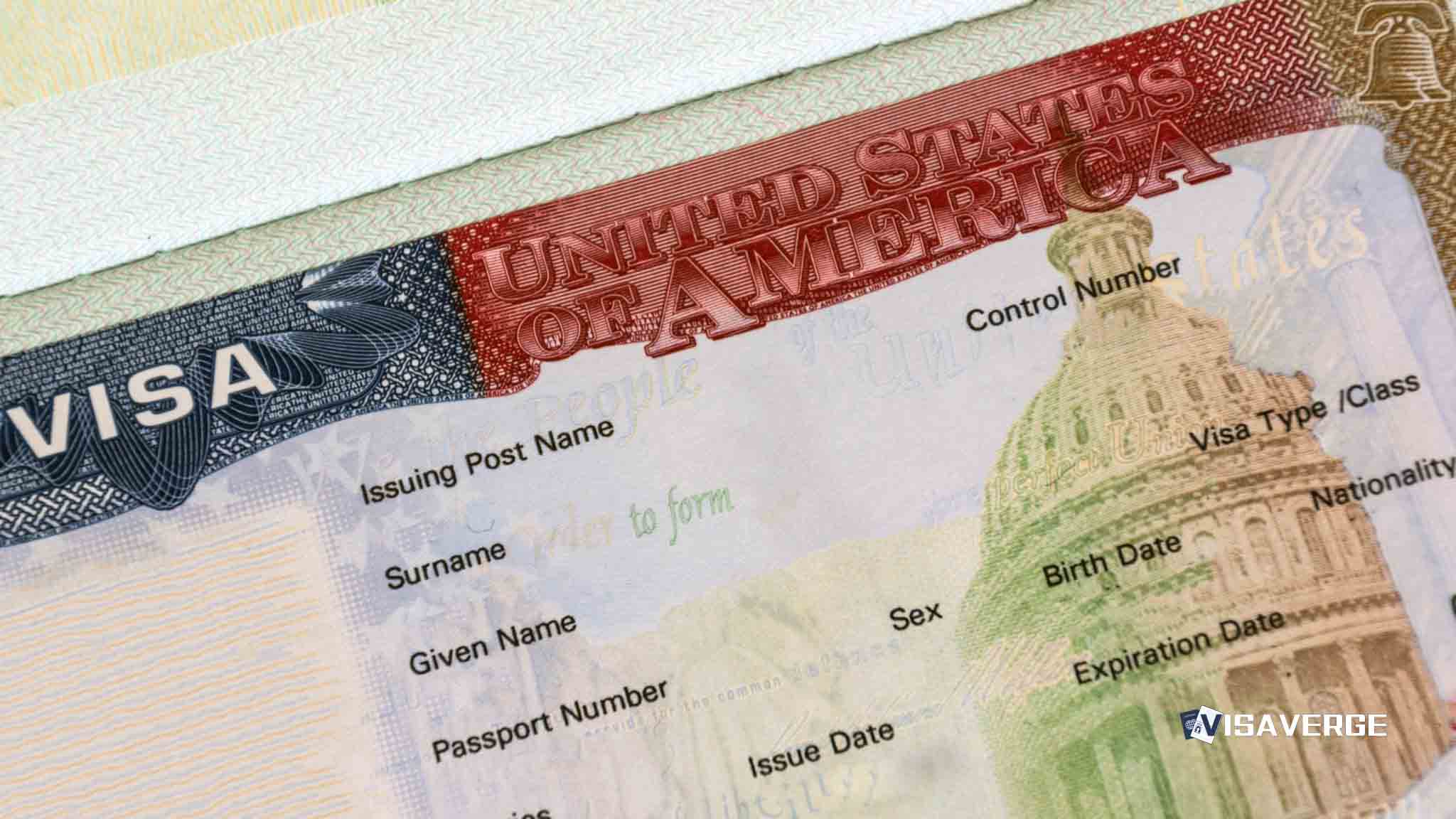
The U.S. Embassy in Armenia has issued a clear warning for anyone seeking a student visa: breaking U.S. laws can cost you your status, your ability to return, and future visas. Embassy guidance in 2025 says violations—including crimes, unauthorized work, or failing to keep full‑time study—can trigger visa cancellation at the border or later, denial of entry, or even removal from the United States ??. The rules apply to holders of F (academic student) and J (exchange visitor) visas and to new applicants traveling.
Under tightened vetting in 2025, the Embassy requires F, M, and J applicants to keep social media public for identity checks, submit the <a href="https://travel.state.gov/content/travel/en/us-visas/tourism-visit/ds-160-online-nonimmigrant-visa-application.html">DS-160</a> at least two business days before the interview starting April 21, 2025, and use the new appointment system launched May 30, 2025. Rules tied to June 9, 2025 Presidential Proclamations add limits. Missing these steps can lead to refused appointments or delays.
Students already in the United States must keep status clean: maintain full‑time enrollment, avoid unauthorized work, and keep your <a href="https://www.ice.gov/sevis">SEVIS</a> record accurate. The Embassy says any criminal offense, any break in student status, or failure to report program changes can trigger visa revocation or denial of re‑entry. Before returning to the U.S., students must notify the Embassy about changes to their start date, school, field of study, or SEVIS number so records match at the port of entry.
For updates on interviews, documents, and travel rules, the U.S. Embassy in Armenia directs applicants to its visa page: https://am.usembassy.gov/visas/.
Tighter vetting and new embassy procedures
The Embassy’s message is blunt: social media transparency is now required. As of June 2025, F, M, and J applicants are told to keep social media profiles public so consular officers can verify identity and spot fraud. This sits alongside security steps tied to the June 9, 2025 Presidential Proclamations.
The Embassy also stresses process discipline. Applicants must:
- Upload all requested documents to their CEAC account.
- Bring originals to the interview.
- Follow exact timing rules for form submission and appointment scheduling.
Two key procedural changes affect applicants now:
- Starting April 21, 2025, all nonimmigrant visa seekers must submit the
DS-160at least two business days before the interview; otherwise, the appointment can be denied. - A new appointment and document system started May 30, 2025 in Yerevan to improve scheduling and communication.
Interview Waiver Program criteria are also changing, with updated rules taking effect September 2, 2025, which may alter who can renew without an in‑person interview.
The consequences are not theoretical. Crimes, immigration violations, or failure to keep your student record active can lead to visa cancellation, refusal of future applications, or removal from the U.S. Border officers can cancel a visa on the spot if they see status issues or misrepresentation.
For F and J travelers, that means strict compliance before, during, and after every trip. Careful re‑entry is essential if your SEVIS record or program details changed.
What Armenian students must do now
Follow these steps to reduce the risk of refusal, cancellation, or denial of entry:
- Complete the
DS-160early- Submit it at least two business days before your interview.
- Official application: https://travel.state.gov/content/travel/en/us-visas/tourism-visit/ds-160-online-nonimmigrant-visa-application.html
- Pay the
<a href="https://www.ice.gov/sevis/i901">I-901</a>SEVIS fee and keep the receipt- Instructions: https://www.ice.gov/sevis/i901
- Schedule your interview in the new system
- Use the Embassy’s May 30, 2025 process and retain confirmation emails.
- Prepare core documents
- Passport, photo, proof of enrollment,
SEVISrecord, financial evidence, and any other items requested by the Embassy.
- Passport, photo, proof of enrollment,
- Complete a medical exam if instructed
- Follow the Embassy’s doctor list and timing requirements.
- Attend the interview with originals
- Be prepared to explain your study plan, funding, past travel, and how you will follow U.S. law.
- Report program changes before travel
- If your start date, school, field, or
SEVISnumber changed, notify the Embassy so records match on arrival.
- If your start date, school, field, or
- Keep status during your stay
- Study full‑time, avoid unauthorized work, and follow school reporting procedures. Breaks in status can lead to visa revocation or denial of re‑entry.
Quick checklist (bullet points)
- DS-160: submitted ≥2 business days before interview
- SEVIS/I-901: fee paid, receipt saved
- New appointment system: used for scheduling
- Documents: originals and CEAC uploads
- Medical exam: if required
- Program changes: reported in advance
- Status maintenance: full‑time study, authorized work only
Why this matters: analysis and practical impact
According to analysis by VisaVerge.com, the Embassy’s measures in Armenia reflect a global shift: more front‑end identity checks, stricter timing rules, and closer review of student records to prevent misuse.
- Applicants face extra care before interviews and before every trip back to the U.S., especially if program details changed.
- If you follow the rules, your case is stronger; if you cut corners, the risks are immediate:
- Consular refusal
- Cancellation at the airport
- A bar on future travel
Students who succeed typically:
– Keep full course loads
– Avoid unauthorized off‑campus work
– Update SEVIS and notify the Embassy of program changes
Social media and identity verification
One new pain point is social media. The Embassy asks applicants to keep accounts public for checks.
- If your usernames differ or privacy settings hide content, officers may question your identity or doubt your answers.
- Keep handles consistent, review old posts for accuracy, and be ready to explain any gaps.
- Refusing to cooperate can slow or stop your case because identity verification is central to current screening.
Interview waivers and ongoing rules
- Rules for interview waivers shift after September 2, 2025. Some renewals may still qualify to mail documents; others will require in‑person interviews.
- Applicants must follow every instruction closely—especially deadlines—or risk refusal. Missing the two‑business‑day
DS-160window can end an appointment before it starts.
The core rule remains simple: obey U.S. law and your visa conditions — full‑time study, honest answers, and no work unless clearly allowed by your school and status.
The Embassy ties strict enforcement to national security and public safety. While the policy is strict, it is clear and applies the same way to every student who seeks a visa or arrives at the airport.
Frequently Asked Questions
This Article in a Nutshell
The U.S. Embassy in Armenia warns 2025 student visa holders: maintain full-time study, avoid unauthorized work, and follow DS-160, SEVIS, and new appointment rules to prevent visa cancellation, denied entry, or removal. Social media transparency and strict deadlines (April 21, May 30, June 9) increase vetting and enforcement.