Key Takeaways
• In 2025, AI screens all U.S. visa applicants before interviews, increasing denials and scrutiny.
• New rules require uploading documents 72 hours before interviews, plus travel and social media histories.
• Student visa denials hit 41%; interview waivers are limited; country overstay rates affect approvals.
As of July 2025, the process for getting U.S. visas has changed in several important ways. these changes affect almost every applicant, from tourists and students to workers and families hoping to visit or move to the United States ??. The U.S. government has introduced new technology, stricter rules, and more detailed checks. This has led to more visa denials and made it harder for many people to get approval. If you are planning to apply for a U.S. visa, it’s important to understand what has changed, who is affected, what you need to do, and how these updates might impact your application.
Below, you’ll find a clear summary of the five most common reasons for U.S. visa denials in 2025, what’s new about each, who is most affected, the effective dates, what actions you need to take, and what these changes mean for people with pending or future applications. This guide also includes practical tips, official resources, and expert advice to help you avoid common mistakes and improve your chances of visa approval.
Free toolREAL ID Requirements Checker tool
Summary of What Changed
The U.S. Department of State has made several big updates to the visa process in 2025:
- AI and Data Analytics are now used to screen all applicants before interviews.
- Interview and documentation rules are stricter, with new requirements for submitting documents and sharing travel and social media history.
- Student visa (F-1) denials have reached record highs, with new reasons for refusal.
- Interview waivers are harder to get, meaning more people must attend in-person interviews.
- Country-specific overstay rates now play a bigger role in decisions, affecting applicants from certain countries more than others.
Let’s look at each of these changes in detail, who is affected, and what you need to do.
1. Enhanced AI and Data Analytics Screening
What’s New:
Starting in 2025, the U.S. Department of State uses advanced AI and data analytics to check visa applications before interviews. This technology reviews your data, travel history, and other records to spot possible risks or problems. The system can flag applications for extra review if it finds anything unusual or inconsistent.
Who Is Affected:
– All visa applicants, including tourists, students, workers, and family members.
– People from countries with higher rates of visa overstays or past immigration violations are more likely to be flagged.
Effective Date:
This screening process has been in place since early 2025 and now covers all U.S. visa categories.
Required Actions:
– Double-check all information on your application forms. Make sure your name, dates, travel history, and personal details match across all documents.
– Be honest and consistent. If you have unusual travel patterns or a complex immigration history, prepare to explain them clearly during your interview.
– Keep records. Save copies of your old visas, travel tickets, and any documents that show your movements.
Implications for Pending Applications:
If you already applied and are waiting for a decision, your application may still go through this new AI screening. If the system finds a problem, you might be asked for more information or called for an extra interview.
How to Avoid Problems:
– Accuracy is key. Even small mistakes or differences in your application can lead to delays or denials.
– Prepare explanations. If you have traveled to many countries, stayed for long periods, or had previous visa issues, be ready to talk about them openly.
2. Stricter Interview and Documentation Requirements
What’s New:
As of April 2025, the U.S. government has made the interview and documentation process much stricter. The main changes include:
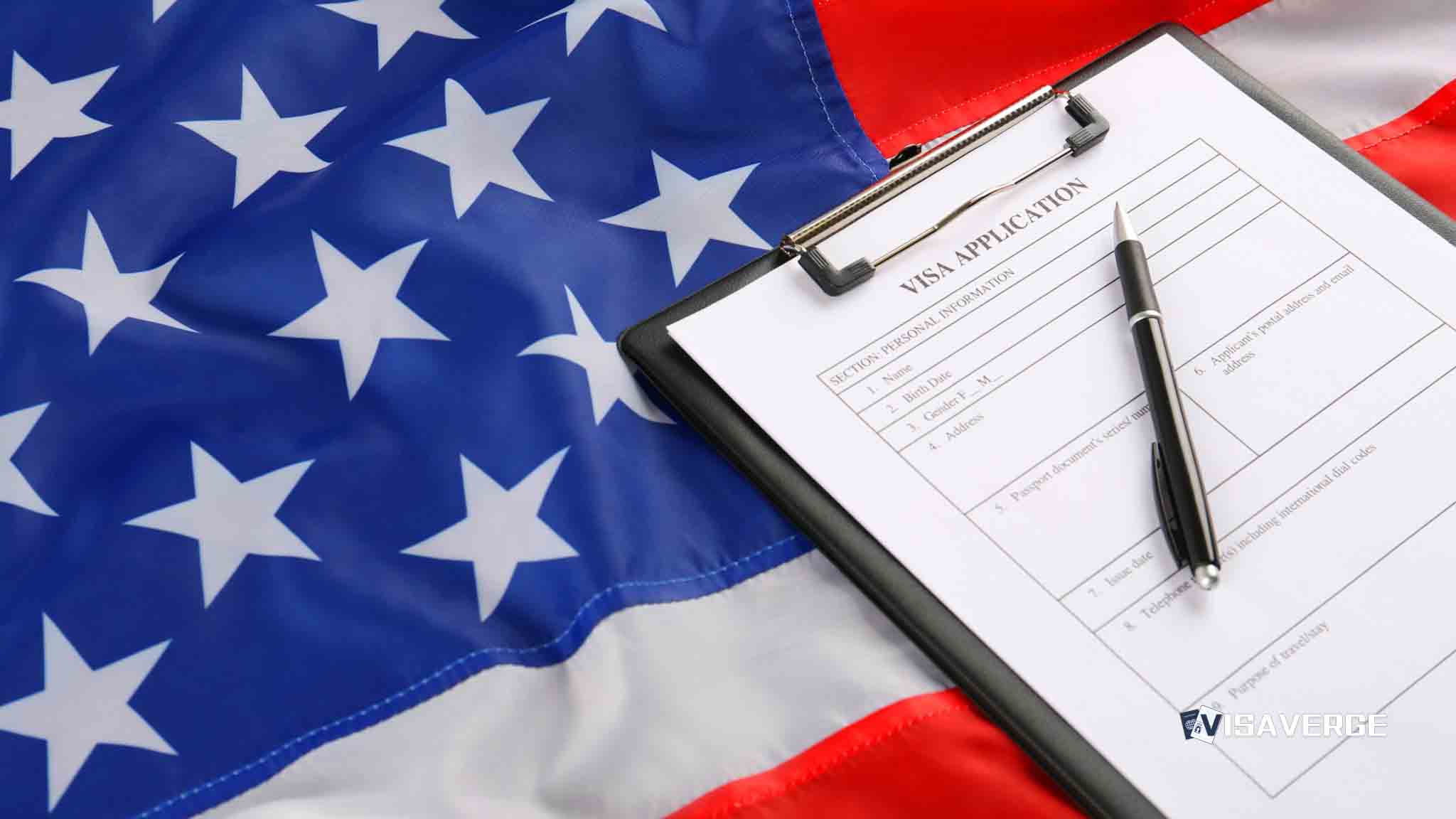
- Barcode matching is now required on all DS-160 forms (the main online visa application form). The barcode must match your appointment and uploaded documents.
- Digital upload of supporting documents is required at least 72 hours before your interview. If you miss this deadline, your application may be denied or delayed.
- You must provide two years of travel history and five years of social media history as part of your application.
Who Is Affected:
– All nonimmigrant visa applicants (tourists, students, workers, etc.).
– Anyone applying for a new visa or renewing an old one.
Effective Date:
These rules apply to all interviews scheduled after April 2025.
Required Actions:
– Fill out the DS-160 form carefully. Make sure the barcode on your form matches your appointment and uploaded documents. You can find the official DS-160 form here.
– Upload all required documents (such as passports, financial records, school letters, job offers) at least 72 hours before your interview.
– Prepare your travel and social media history. Write down where you have traveled in the last two years and your social media accounts from the past five years.
Implications for Pending Applications:
If you have an interview scheduled after April 2025, you must follow these new rules, even if you started your application earlier. Missing the upload deadline or failing to provide complete history can lead to automatic denial.
How to Avoid Problems:
– Start early. Gather your documents and upload them well before the deadline.
– Be consistent. Make sure your travel and social media history match what you put on your application.
– Check embassy websites for country-specific instructions. For example, Türkiye now uses a new appointment platform that requires advance registration and uploads.
3. High Denial Rates for Student Visas (F-1)
What’s New:
The denial rate for F-1 student visas has jumped to 41% in the 2023–2024 fiscal year, the highest in over ten years. This is up from 36% the year before. The reasons for denial have also changed, with more focus on the applicant’s intentions and background.
Who Is Affected:
– All students applying for F-1 visas to study in the United States ??.
– Students from countries with high visa denial rates or overstay problems.
Effective Date:
These trends and rules are in effect for all F-1 applications in 2025.
Common Reasons for Denial:
– Weak or unclear reasons for choosing a specific program or school.
– Applying for a second degree in the same field without a good explanation.
– Suspicions of sham marriages (fake marriages for immigration purposes).
– Not showing enough English language skills.
– Poor visa history, including previous overstays or denials.
Required Actions:
– Write a strong statement explaining why you chose your program and school. Be specific about your goals and how the program fits your plans.
– Show proof of English skills. Bring test scores or certificates if possible.
– Be honest about your past. If you had a previous visa denial or overstay, explain what happened and what has changed.
– Prepare for questions about your plans after graduation. Show that you intend to return home or follow the rules of your visa.
Implications for Pending Applications:
If you have already applied but not yet had your interview, review your application for these issues. Be ready to answer questions about your choices and background.
How to Avoid Problems:
– Be prepared. Practice answering questions about your study plans and future goals.
– Bring all supporting documents to your interview, including acceptance letters, financial proof, and English test results.
– Stay consistent. Make sure your answers match what you wrote in your application.
4. Reduced Eligibility for Interview Waivers
What’s New:
In February 2025, the U.S. Department of State changed the rules for interview waivers. Now, only certain applicants can skip the in-person interview when renewing a visa.
Who Is Affected:
– People renewing a U.S. visa in the same category (for example, renewing a tourist visa as a tourist).
– Applicants whose previous visa expired within the last 12 months (the old rule allowed up to 48 months).
Effective Date:
These changes apply to all visa renewals submitted after February 2025.
Required Actions:
– Check your eligibility for an interview waiver before applying. If your visa expired more than 12 months ago or you are changing categories, you must attend an in-person interview.
– Plan ahead. If you want to renew your visa without an interview, apply within the 12-month window.
Implications for Pending Applications:
If you applied for a renewal before February 2025, the old rules may still apply. For new applications, expect to attend an interview unless you meet the new, stricter criteria.
How to Avoid Problems:
– Apply early. Don’t wait until your visa is about to expire.
– Prepare for an interview. Even if you hope for a waiver, be ready to attend in person.
5. Country-Specific Overstay and Immigration History Impact
What’s New:
The U.S. government now looks closely at the overstay rates for each applicant’s home country. If your country has a high rate of people overstaying their visas or breaking immigration rules, your application will get extra scrutiny.
Who Is Affected:
– Applicants from countries with high overstay or visa violation rates.
– People with any history of overstaying or breaking visa rules.
Effective Date:
This policy has been in effect throughout 2025.
Required Actions:
– Show strong ties to your home country. This can include a job, family, property, or other reasons you will return home after your visit.
– Provide clear travel plans. Explain why you are visiting the United States ?? and what you will do when you return home.
– Avoid any visa violations. If you have overstayed before, be honest and explain what happened.
Implications for Pending Applications:
If you are from a country with a high overstay rate, expect more questions and possibly longer processing times. You may need to provide extra documents to prove your intent to return home.
How to Avoid Problems:
– Gather proof of your ties to your home country, such as job letters, property deeds, or family records.
– Be clear about your plans. The more details you can give, the better.
Practical Tips and Additional Updates
- Visa appointment systems: Some U.S. embassies, like in Türkiye, now use new online platforms for booking appointments and uploading documents. Always check the embassy website for the latest instructions.
- Bring original documents: For immigrant visa interviews, bring the original versions of all documents you uploaded to your CEAC account.
- Start early: Begin gathering documents and preparing your application well before your planned travel date.
- Consult experts: Immigration attorneys recommend being transparent, consistent, and well-prepared. If your case is complicated, consider getting legal advice.
Implications for Pending and Future Applications
If you have already applied for a U.S. visa and are waiting for a decision, these new rules may still affect your case. You could be asked for more documents, called for an extra interview, or face longer processing times. For future applicants, it’s more important than ever to prepare carefully, follow all instructions, and be honest in every part of your application.
Key Takeaways for All Applicants:
- Accuracy and honesty are more important than ever due to AI and data analytics screening.
- Follow new documentation rules closely, especially uploading documents and providing travel/social media history.
- Student visa applicants should prepare strong explanations and proof of English skills.
- Interview waivers are now harder to get, so plan for an in-person interview.
- Applicants from high-risk countries must show strong reasons to return home.
Official Resources
For the most up-to-date information on U.S. visas, application forms, and embassy instructions, visit the U.S. Department of State Visa Information page. You can also access the official DS-160 form for nonimmigrant visa applications.
Expert Perspectives
According to analysis by VisaVerge.com, the use of AI and data analytics in the visa process is designed to reduce fraud and overstays, but it also means more responsibility for applicants to provide clear, accurate, and honest information. Experts warn that these changes can make the process more stressful, especially for people from countries with high denial rates. Early preparation, careful documentation, and legal advice can help applicants avoid common mistakes and improve their chances of approval.
Next Steps for Applicants
- Review your application: Check all information for accuracy and consistency.
- Gather documents: Collect originals and digital copies of all required paperwork.
- Upload documents early: Make sure everything is submitted at least 72 hours before your interview.
- Prepare for your interview: Practice answering questions about your travel, study, or work plans.
- Check embassy websites: Look for country-specific updates or changes to appointment systems.
- Seek help if needed: If your case is complex, consider consulting an immigration attorney.
By following these steps and staying informed about the latest rules, you can improve your chances of getting your U.S. visa approved in 2025. Remember, the process is now more detailed and careful than ever, but with the right preparation, you can avoid common pitfalls and move forward with your plans to visit, study, or work in the United States ??.
Learn Today
AI and Data Analytics → Technology used to review visa applications by analyzing data and detecting risks before interviews.
DS-160 Form → The primary online nonimmigrant visa application form required with a barcode for processing.
Interview Waiver → A policy allowing some visa renewals without in-person interviews under specific eligibility criteria.
Overstay Rate → The percentage of visa holders from a country who remain in the U.S. beyond their visa’s validity.
F-1 Student Visa → A nonimmigrant visa for international students pursuing academic studies in the United States.
This Article in a Nutshell
Starting 2025, U.S. visa applications face AI screenings, stricter document rules, and tougher interviews. Student visas see record denials. Applicants must prepare detailed travel and social media histories, attend interviews more often, and prove strong home country ties to succeed amid increased scrutiny.
— By VisaVerge.com