Key Takeaways
• Turkish student detained due to retroactive F-1 visa revocation after a 2023 DUI conviction.
• University of Minnesota supports Doğukan Günaydın, criticizing sudden arrest and lack of procedural fairness.
• Case underscores systemic immigration issues affecting international students’ rights and visa enforcement practices.
The detention of Doğukan Günaydın, a Turkish graduate student at the University of Minnesota ??, has sparked a wave of concern and debate surrounding immigration enforcement in the United States. This case raises critical questions about the treatment of international students, transparency in immigration processes, and how academic institutions should respond when one of their own is impacted. Günaydın’s situation underscores larger systemic issues in immigration enforcement that other international students and universities are watching closely.
The Arrest That Shook a Campus
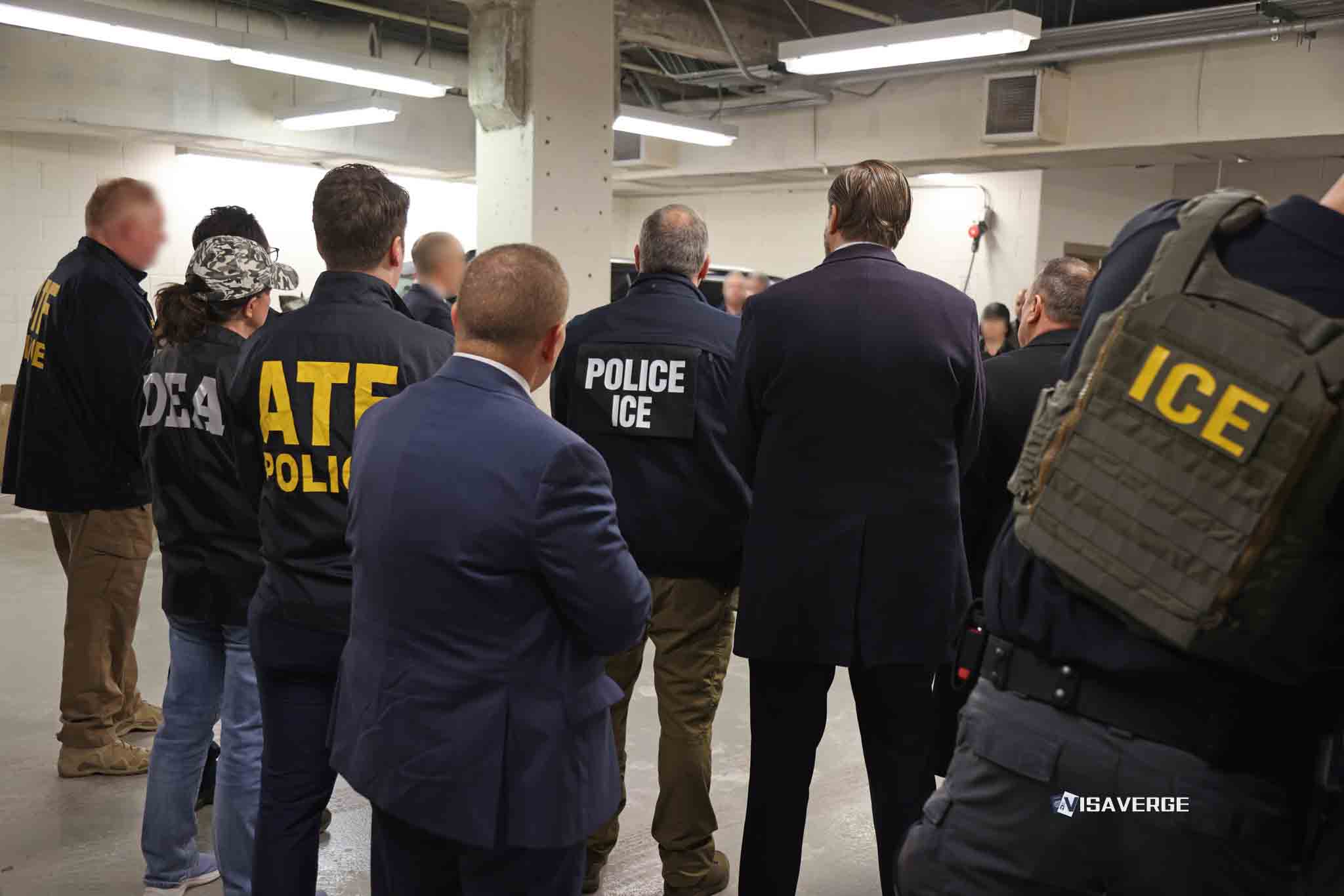
On the morning of March 27, 2025, Doğukan Günaydın was walking outside his home in St. Paul, Minnesota ??, when he was approached and detained by plainclothes federal officers. According to Günaydın, the situation was so sudden that he initially thought someone was attempting to kidnap him. The unmarked arrest drew immediate criticism for its lack of transparency and the anxiety it caused within the community.
Free toolOPT Timeline Calculator OnlineFederal officials later clarified the reason for his detention: a drunk driving conviction, dated back to June 2023, was cited as grounds for revoking his F-1 student visa. The Department of Homeland Security (DHS) revoked his visa seven hours after he was detained, retroactively citing the DUI offense as evidence of his failure to maintain lawful status. For international students, the suddenness and retroactive nature of this action reveal how uncertain residing in the U.S. can be, regardless of compliance with earlier punishments.
Questions About Legal Fairness
Günaydın’s legal team quickly responded, filing a case to challenge his detention and seek his release. His lawyers argue that the conviction, while serious, does not qualify as grounds for deportation under U.S. immigration law. They pointed out that Günaydın had already faced the legal consequences of his DUI charge, including fines and completing a court-mandated program. His team believes retroactively canceling his visa nearly two years later undermines basic principles of fairness and due process, leaving him vulnerable to sudden legal jeopardy.
A key issue in the legal argument is timing. The visa revocation happened after Günaydın was already detained, making it appear to some as if it was a pretext for justifying his arrest. Critics argue this reveals a troubling pattern in immigration practices, where retroactive measures leave individuals without the opportunity to defend themselves beforehand. Immigration scholars suggest that such enforcement methods violate the rights of individuals who were otherwise following their visa terms at the time of enforcement.
Adding to the controversy is the apparent lack of formal notice regarding the specific charges against Günaydın. His attorneys claim they were not given clear information ahead of an upcoming court hearing scheduled for April 8, 2025. Without this clarity, preparing his defense becomes significantly harder, prompting critiques of the immigration system’s procedural fairness when applied to non-citizens.
The University and Community Speak Out
The University of Minnesota ??, where Günaydın is enrolled as a graduate student, did not stay silent about the incident. They publicly expressed concern over his arrest, stating that they were not informed ahead of time and advocating for a resolution that respects his rights. The university also provided Günaydın with legal resources and emphasized its commitment to supporting its international student population.
The case has motivated protests on campus, led by the university’s graduate labor union. Members condemned the method of Günaydın’s detention as unsettling and disruptive, while also drawing attention to the broader difficulties international students frequently face in the United States. Advocacy groups argue that sudden arrests like this one instill fear among international communities, deterring talented individuals from choosing U.S.-based educational institutions.
In Minnesota’s political arena, Governor Tim Walz and U.S. Senators Amy Klobuchar and Tina Smith have called for federal authorities to explain the handling of Günaydın’s case. In a joint statement, they stressed the importance of international students in contributing to Minnesota’s research and academic excellence. This response reflects a growing recognition of the challenges faced by international scholars against the backdrop of stricter immigration enforcement nationwide.
Examining Broader Implications for Students and Policy
The detention of Doğukan Günaydın offers a stark example of the hurdles international students must navigate under current U.S. immigration policies. Many experts are questioning whether revoking visas for convictions such as DUIs, especially years after the fact, properly balances public safety with individual rights. The fact that Günaydın had met all legal obligations related to his conviction complicates the argument that he poses an ongoing threat, leaving many to question the proportionality of federal actions in such cases.
One of the biggest concerns from immigration advocates is the retroactive application of visa rules. Under typical due process, individuals should have a fair opportunity to understand potential legal consequences ahead of time. Instead, retroactive enforcement leaves students like Günaydın unprepared for their lives to be upturned. As Günaydın’s case proceeds, it will serve as a precedent for how similar situations are handled in the future, especially regarding the balance between immigration control and due process.
For international students, many of whom come to the U.S. on F-1 student visas, cases like this create an unpredictable landscape. Students travel far from home for opportunities to study, conduct research, and broaden their professional horizons. A sudden visa revocation can disrupt years of hard work and financial investment, creating ripple effects throughout academic ecosystems. Universities, too, are left grappling with how they can better protect students and advocate for more clarity in immigration regulations.
The Emotional and Societal Fallout
The impact of Günaydın’s detention extends well beyond the legal and academic debates. Protests organized by fellow students and advocacy groups highlight a shared sense of unease about current immigration enforcement trends. Demonstrators have voiced fears about how incidents like these not only harm individuals but also discourage future international talent from considering studies in the United States, potentially weakening the country’s educational and cultural standing.
Although federal officials have stated that Günaydın’s detainment was purely related to his DUI conviction and not influenced by his political opinions or academic work, some remain skeptical. Recent incidents nationwide have highlighted cases where non-citizens were targeted for reasons seen as politically motivated. Advocacy groups are using Günaydın’s case as a rallying point to address systemic issues in immigration policies, arguing that reforms are overdue to ensure fairness and accountability.
Toward Resolution: What’s Next?
As Günaydın prepares for his day in immigration court, the stakes are high—not just for him but for countless other international students who share his concerns. Whatever the court decides will set an important example for managing cases involving retroactive visa revocation and due process protections.
At a time when immigration policies often feel contentious, this case emphasizes the importance of transparency, fairness, and balance between security measures and individual liberties. Beyond the courtroom, lawmakers and universities alike will need to grapple with how to prevent similar situations in the future. Ensuring that international students feel supported and valued must remain a key priority for institutions like the University of Minnesota and others nationwide.
For the time being, Günaydın’s case offers an urgent reminder of the human cost of immigration control policies that feel rigid and unpredictable. How it unfolds will likely influence debates on academic freedom, the treatment of international residents, and the role of universities in defending their communities. Whatever the outcome, this story is a moment of reflection for all stakeholders—students, academic leaders, and policymakers alike—as they navigate a complex immigration landscape.
For official details about maintaining an F-1 student visa, including compliance with its terms, visit the U.S. Citizenship and Immigration Services (USCIS) page on F-1 Student Visas.
Learn Today
F-1 Visa → A non-immigrant visa for students to pursue education in the United States at academic institutions.
DUI (Driving Under Influence) → A criminal offense of operating a vehicle while impaired by alcohol or drugs.
Retroactive Enforcement → Application of a new or updated policy to past actions or decisions, affecting their legality.
Due Process → Fair treatment through the judicial system, ensuring legal rights are upheld before enforcement actions.
Immigration Enforcement → Government activities to ensure compliance with laws regulating entry, residence, and removal of non-citizens.
This Article in a Nutshell
Doğukan Günaydın, a Turkish student at the University of Minnesota, was suddenly detained after retroactive revocation of his F-1 visa. This action followed a 2023 DUI conviction, despite fulfilling all legal obligations. The case highlights concerns about procedural fairness, retroactive immigration policies, and their chilling effect on international academic communities nationwide.
— By VisaVerge.com
Read more:
• Supreme Court Ruling Reshapes Deportation Rules in the US
• Supreme Court backs use of Alien Enemies Act in deportations
• Trump revisits birthright citizenship through old court case
• Supreme Court Asked to Review Kilmar Abrego Garcia Deportation Case
• Hearing to Decide If Trump Team Broke Court Rules on Deportation Flights