Key Takeaways
• Over 300 student visas revoked due to political activism or minor infractions, causing nationwide fear among international students.
• DHS uses AI surveillance to monitor students’ social media, flagging posts for alleged security risks and canceling visas.
• Universities like Harvard offer legal guidance, but rising cancellations threaten U.S. global education dominance and student security.
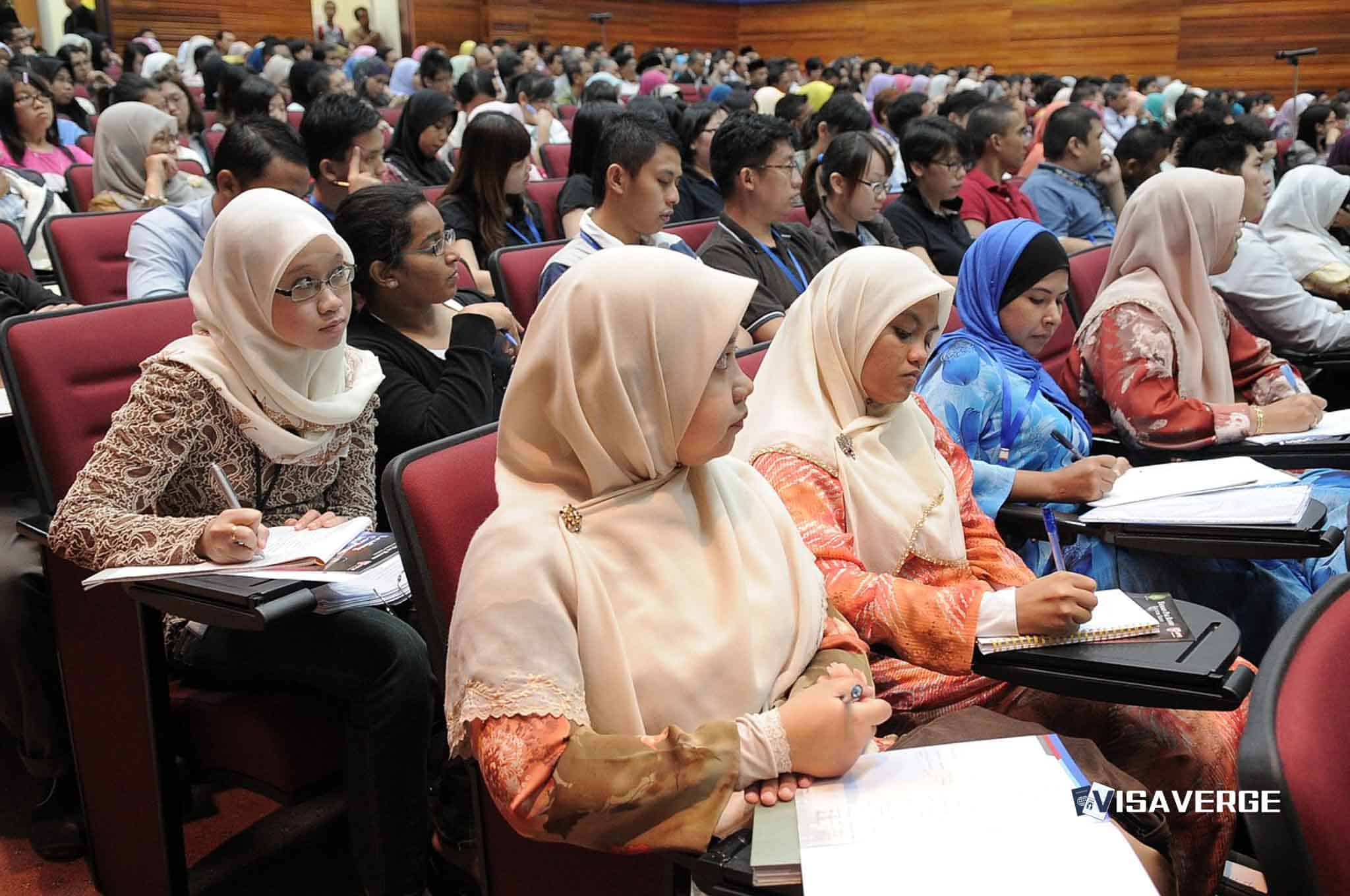
In the spring of 2025, a troubling wave of student visa cancellations in the United States has thrown international students into turmoil. The Department of Homeland Security (DHS) has carried out a slew of visa revocations with little warning, targeting students at some of the country’s top universities. Institutions, including Harvard, Stanford, UCLA, the University of Michigan, and Ohio State, have reported incidents where students suddenly lost their legal residency status, leaving them in a state of fear and uncertainty. For many of these students, the cancellation represents not just an administrative setback but a life-altering crisis.
The recent actions mark a dramatic escalation in visa enforcement, sparking intense debate among academics, policymakers, and immigration lawyers. Whether the cancellations stem from political activism, minor infractions, or surveillance of students’ private lives, their consequences are far-reaching. The current environment raises major questions about civil liberties, due process, and the future of international education in the U.S.
Free toolOPT Timeline Calculator Online
Why Are Student Visas Being Cancelled?
To understand the scope of this issue, it’s crucial to grasp the reasons behind these cancellations. The DHS has pointed to several primary triggers, including political activities, minor rule violations, and advanced surveillance tools. Each factor sheds light on what international students are up against.
Political Activism as a Risk Factor
One of the most controversial grounds for visa revocation has been political activity. Students advocating for causes such as Palestinian rights have become specific targets. The Trump administration drew a controversial link between pro-Palestinian activism on U.S. campuses and support for Hamas, a group classified as a terrorist organization. This stance has paved the way for DHS to closely monitor students involved in peaceful protests or public discussions on these topics.
A notable example is Mahmoud Khalil, a student at Columbia University and a prominent Palestinian activist. His case has encapsulated the tension between immigration enforcement and constitutional freedoms. Khalil was detained and sent to a Louisiana detention center after losing his legal status. Citing a little-known law from 1952 tied to foreign policy concerns, the government justified its actions on national security grounds. Khalil, along with his legal team, argued that his activism is protected under the First Amendment, which safeguards freedom of speech. Opponents of the government’s decision warn that using political beliefs as a basis for visa cancellations erodes core democratic principles.
Minor Infractions Leading to Major Consequences
In addition to political concerns, students are facing severe penalties for relatively small mistakes, such as minor traffic violations or lapses in reporting documents. Previously, such infractions did not automatically lead to immediate deportation or visa loss. Under current policies, however, any breach—no matter how minor—can result in deportation orders and demands to leave the U.S. within a short time frame. For students who may not be familiar with every aspect of complicated immigration laws, this rigid enforcement has become a major source of anxiety.
Social Media Monitoring and Artificial Intelligence Surveillance
Another significant driver of the cancellations is the use of advanced surveillance to monitor international students’ online behavior. The State Department, through a program known as “Catch and Revoke,” employs artificial intelligence (AI) to comb through social media posts. Content flagged as supportive of groups deemed dangerous, such as Hamas, has led to the revocation of over 300 student visas so far. Secretary of State Marco Rubio has stated that further cancellations are expected, fueling concerns about the ethical and legal implications of such practices.
Legal experts and civil rights advocates are raising alarms about this surveillance trend. They argue that AI-driven monitoring may lead to misinterpretations and violates basic privacy protections. For the students affected, it also creates a chilling effect, discouraging them from engaging in online discussions or expressing their opinions freely.
Immediate Consequences for Students
For the international students caught in this crisis, the consequences are both emotional and practical. Losing a student visa means the individual is no longer legally allowed to remain in the U.S. The revocation often happens without advance notice, forcing affected students to abruptly leave their education, jobs, and lives behind.
Some students are fighting back. Mahmoud Khalil, for instance, is contesting his detention and deportation in court. Others, like Xiaotian Liu, a Chinese graduate student at Dartmouth, have filed lawsuits claiming that their rights to due process were violated. These legal battles highlight systemic flaws in how visa cancellations are handled, especially when students are given little opportunity to defend themselves.
The disruptions also ripple through academic life, with students worried about how visa issues might impact their studies. Courses, research commitments, and relationships established over years can disappear overnight, leaving them in professional and personal limbo. For international students who invested heavily in U.S. education, both financially and emotionally, the losses are staggering.
The Response from Universities
Universities themselves have scrambled to respond to the surge in visa cancellations. Prominent institutions have set up special teams to support affected students. Harvard, for example, has organized sessions aimed at informing students of their rights during encounters with immigration enforcement. Other schools have been advising international students to carry essential documentation at all times for fear of sudden checks by federal agencies.
However, institutional support can only go so far. Faculty and administrators worry about the broader implications for international education. Students from across the world contribute not just tuition revenue but also intellectual diversity to U.S. academic institutions. A hostile visa environment could discourage them from applying to American schools, potentially weakening the global dominance of the U.S. education system.
Implications Beyond Academia
The student visa cancellations are part of a much larger story about immigration policy in the U.S. This crackdown intersects with national discussions about free speech, legal fairness, and international relations. It also raises questions about America’s identity as a destination for talent and innovation.
The Threat to Free Speech and Academic Freedom
By targeting individuals like Mahmoud Khalil for political reasons, the visa cancellations challenge long-standing norms around academic freedom. Universities have traditionally served as safe spaces for open debate, yet these new measures risk silencing voices out of fear of legal repercussions. Critics argue that this approach is both short-sighted and harmful to democratic dialogue.
Mounting Legal Disputes
Legal cases challenging student visa revocations are growing in number. These lawsuits often highlight the vagueness in current policies, accusing the government of bypassing essential rights like due process. The legal outcomes could set crucial precedents for how immigration laws are enforced in the years to come.
Global Perceptions and Diplomatic Fallout
Finally, the perception of the U.S. as unfriendly to international students could harm its reputation on the global stage. Countries with strong educational ties to the U.S. may see these actions as discriminatory, straining their relationships with American institutions and policymakers. Over time, these policies might prompt students to choose other destinations like Canada or the United Kingdom over the U.S.
Conclusion: What Lies Ahead
The wave of student visa cancellations has left a lasting impact on higher education in the United States. By revoking visas for reasons such as political beliefs, minor errors, or online posts, the DHS has introduced an environment of fear and unpredictability. Students like Mahmoud Khalil represent just how high the stakes are—not only for the individuals directly affected but also for the future of the U.S. as a leader in global education.
Universities, lawmakers, and communities worldwide are closely watching how this situation unfolds. Whether through evolving legal challenges, institutional reforms, or broader policy shifts, the path forward will undoubtedly shape the role of international students in American institutions. For now, however, the uncertainty facing these students is a stark reminder of how immigration policy intersects with pressing issues like civil rights and global diplomacy.
For official updates on U.S. visa policies, you can visit the U.S. Citizenship and Immigration Services (USCIS) page at https://www.uscis.gov for detailed resources. Meanwhile, analysis from VisaVerge.com underscores that the crisis is a decisive turning point in immigration enforcement, leaving long-term questions about fairness, transparency, and respect for individual freedoms.
Learn Today
DHS → Department of Homeland Security, responsible for U.S. public security and immigration enforcement.
Visa Revocation → The cancellation of a visa, making the holder’s stay in the U.S. illegal.
AI Surveillance → Using artificial intelligence software to monitor and analyze online behavior for potential security concerns.
F-1 Visa → Visa issued to international students attending U.S. educational institutions full-time.
First Amendment → A part of the U.S. Constitution that protects freedoms like speech, religion, and assembly.
This Article in a Nutshell
In 2025, U.S. student visa cancellations surged, alarming international students. Causes include political activism, AI monitoring, and minor infractions. Institutions like Harvard support affected students, while policies generate national debates over civil liberties, academic freedom, and America’s global education appeal. Legal battles and evolving immigration actions continue shaping the future.
— By VisaVerge.com
Read more:
• Canada’s New Rules Allow Study, Work Visa Cancellations, Impacting Many Indians
• Australia Prioritizes Community Safety in Visa Cancellations
• Visa Reinstatement: Over 180 Cancellations Overturned in Australia
• New DS-160 Rules for H1B Dropbox Appointments in India Explained
• Trump administration revokes visas over minor student offenses