- U.S. consular posts in India now enforce a strict match between DS-160 barcodes and appointment bookings.
- A mismatch leads to denial of entry at the VAC and cancellation of scarce Dropbox slots.
- Applicants must submit the DS-160 before booking appointments to ensure system synchronization and data accuracy.
(INDIA) U.S. consular posts in India are now enforcing a strict match rule for H-1B Dropbox cases. The DS-160 barcode number on your confirmation page must match the barcode used on USTravelDocs when you booked the appointment, or you can be turned away at the Visa Application Center.
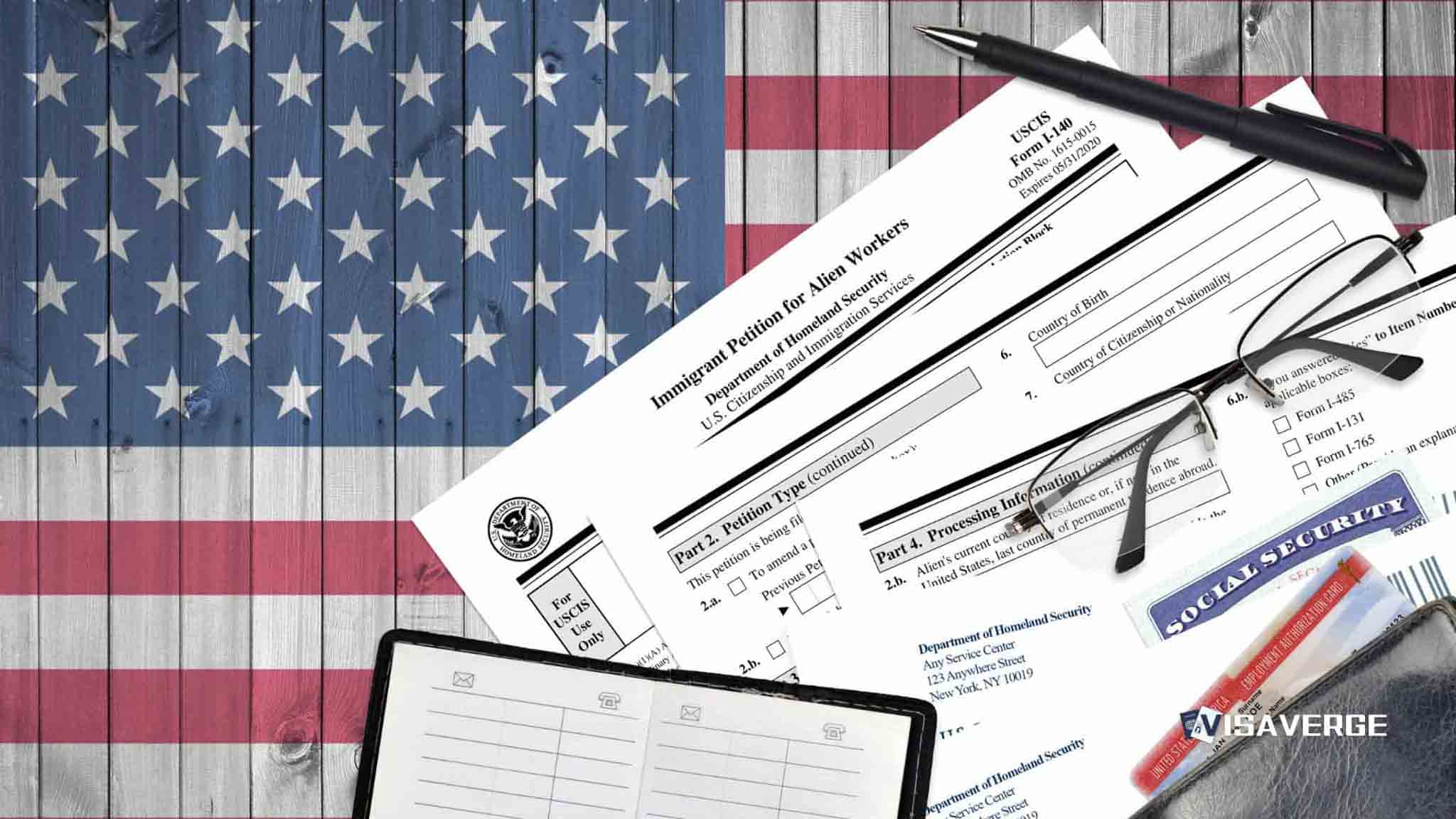
That rule matters most for Indian H-1B workers renewing visas without an interview. A mismatch now means denial of entry, a cancelled slot, and a fresh wait in a system where Dropbox appointments are already scarce. VisaVerge.com reports that this has become one of the most common reasons for avoidable delays.
The barcode now controls the appointment
The DS-160 is the online nonimmigrant visa form used for U.S. visa processing. When you submit it through the Consular Electronic Application Center, it creates a confirmation page with a barcode that begins with AA. That barcode now has to match the one tied to your booking profile.
Free toolH-1B Cost Calculator OnlineAs of May 2, 2025, U.S. consular posts in India began enforcing this rule with greater precision. Applicants must also submit the DS-160 before booking and at least 48-72 hours before the appointment, so the system has time to pull the form for review. The change reflects years of problems with applicants booking first and correcting details later.
For H-1B Dropbox, this is more than a paperwork issue. It affects workers, spouses, and families who have already planned travel, taken leave, or booked accommodation around a visa visit. A small typo now triggers a much larger delay.
How the process works from start to finish
The safest path is simple, but every step has to match.
- Complete and submit the DS-160 first. Check your passport name, employer details, and petition number carefully.
- Print the confirmation page immediately. VAC staff need a clear printed barcode.
- Create or update your USTravelDocs profile. Enter the exact same DS-160 barcode number.
- Pay the MRV fee after the profile is correct. For H-1B applicants, the fee is $205.
- Book the Dropbox slot using that same barcode.
At the appointment, officials scan the barcode on the form and compare it with the booking record. If the numbers do not match, the process stops there. No submission. No biometrics. No visa handling.
India’s visa system handles more than a million nonimmigrant applications a year, and the pressure on H-1B slots is intense. That is why the barcode rule now sits at the center of the process.
What goes wrong most often
The most common error is booking with one DS-160 and arriving with another. That happens when applicants update a form after scheduling, change employers, renew a passport, or realize an old form contains a typo.
Once a DS-160 is submitted, it cannot be edited. A new form creates a new barcode. That means the appointment profile must be updated too.
Another common problem is an outdated form after a job change. H-1B cases rely on the current I-797 approval and current employer information. If the petition details change after submission, the old DS-160 no longer fits the case.
A lost confirmation page also creates trouble. The form can be retrieved through CEAC using the application ID and security questions, but applicants should not wait until the day of the appointment to fix it. Support through USTravelDocs can take time, and every delay pushes the case deeper into the queue.
When a new DS-160 is required
A new DS-160 is needed if the change is material. Passport renewal, address changes, employer transfer, or a new H-1B petition all trigger a fresh form. The booking system keeps the old barcode attached to the appointment profile, so the case has to be cancelled and rescheduled with the new number.
Minor clarifications do not always require a new form. Officers can review supporting documents, such as an updated employer letter, at the Dropbox window. But the core record still has to match.
For families filing together, each person needs a separate DS-160 and a separate barcode. H-4 dependents cannot share a principal applicant’s number. That rule catches many first-time applicants off guard.
Official instructions on visa processing remain available through the U.S. Department of State’s visa information page. That page sits alongside USTravelDocs as the main reference point for current filing rules.
Why the delay is so painful in India
Once turned away, applicants usually lose the slot and have to reschedule. In India, that can mean waiting 1-3 months or longer, depending on demand. Major cities such as Mumbai, Chennai, Hyderabad, Kolkata, and New Delhi continue to face long waits for Dropbox appointments.
The knock-on effect is serious. Workers may miss return dates. Employers may need to adjust start or transfer timelines. Families can be separated longer than planned. If the mismatch happens repeatedly, the case can pick up scrutiny and lead to 221(g) administrative processing or even an interview requirement.
As of early 2026, the system still expects full barcode precision. Select VACs have added newer features, including limited profile edits before booking and mobile scanning tools, but those changes do not soften the main rule. The barcode must match. Every time.
What applicants are expected to carry
Applicants should arrive with a complete file, not a partial one.
- DS-160 confirmation page with the matching barcode
- USTravelDocs appointment letter
- Current passport and old passport with the prior U.S. visa
- MRV receipt
- Latest I-797 approval notice
- Employer support letter
- Recent photograph, if required
- Travel history, if useful for the case
Arrive early. Bags are not allowed inside VACs. Staff expect printed documents, not only screenshots on a phone.
The broader message is clear: H-1B Dropbox in India still offers a faster path than an interview, but only for applicants who keep every record aligned. The DS-160 barcode number is now the gatekeeper, and USTravelDocs is the system that enforces it.