- Colorado officials certified Initiative 95 for the November 2026 ballot to mandate DHS notification.
- The measure targets individuals charged with violent crimes or those with prior felony convictions.
- Law enforcement must notify ICE within 72 hours if immigration status cannot be verified.
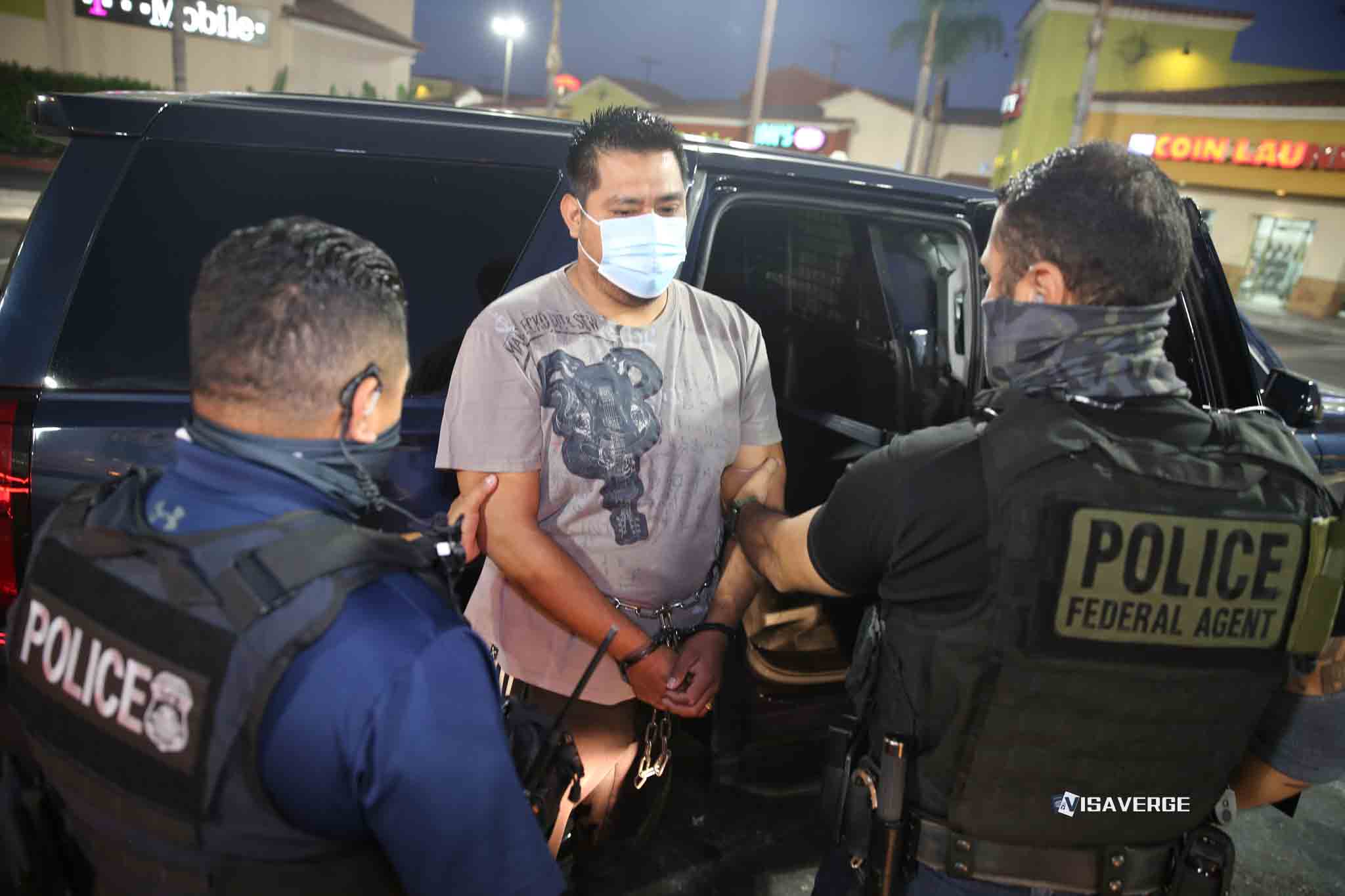
(COLORADO) — Colorado’s election officials have certified Initiative 95 for the November 2026 ballot, setting the stage for a statewide vote on whether to add a new Colorado constitutional requirement that would push local law enforcement to notify DHS/ICE in certain criminal cases.
The certification occurred January 23, 2026, when the Colorado Secretary of State’s Office confirmed the petition met signature thresholds for ballot placement.

If approved by voters, the measure would not take effect immediately upon certification; it would take effect on the timeline stated in the measure’s effective-date provisions.
This is not a court ruling or an ICE regulation. It is a proposed state constitutional amendment that, if adopted, would reshape how Colorado agencies respond when immigration status is uncertain during criminal processing.
Deadline Watch: The next key public milestone is the November 2026 election, when voters will decide whether Initiative 95 becomes part of the Colorado Constitution.
Overview: Colorado Initiative 95 and ballot context
Initiative 95 asks voters whether Colorado should require state and local law enforcement to contact federal immigration authorities after charging certain people whose immigration status is questioned or cannot be confirmed.
It would create a mandatory notice pipeline to DHS/ICE linked to specific criminal charges and prior felony history.
For immigrants and mixed-status families, the practical stakes are significant even without any change in federal law. A state-level notification rule can increase the chance that ICE learns about an arrest early in a criminal case, potentially triggering detainers, transfers, or immigration enforcement interest.
For Colorado communities, the debate often centers on public safety, local policing priorities, and civil-rights safeguards.
What Initiative 95 would do (measure details)
Initiative 95 is structured around a three-part trigger that would require notification to DHS within 72 hours of charging when the three conditions are met.
- Condition one: the person is charged with a violent crime or has a prior felony conviction
- Condition two: the person is not lawfully present, or their status cannot be determined after a “reasonable effort”
- Condition three: the notification occurs within the 72-hour window after charging
The law-enforcement “touchpoints” implicated are the moments when status questions arise: booking, identity checks, criminal history review, and the charging decision.
In many jurisdictions, those steps happen quickly, sometimes before counsel is appointed.
A key legal distinction is charge vs. conviction. A charge is an accusation. It is not proof of guilt. Many immigration consequences attach to convictions under the Immigration and Nationality Act, including deportability grounds tied to certain crimes. See, e.g., INA § 237(a)(2).
But even absent a conviction, early ICE involvement can alter custody decisions and case strategy.
The measure’s “reasonable effort” and “status cannot be determined” language will matter in practice. Status may be unclear due to database delays, name mismatches, missing documents, or uncertainty about lawful entry.
“Lawful presence” is also a term of art. It does not always map cleanly onto what an officer can verify at booking.
Warning: “Unable to verify status” does not necessarily mean “unlawfully present.” Verification errors can happen, including for U.S. citizens and lawful permanent residents.
Certification and signatures
Certification by the Colorado Secretary of State means election officials have validated enough signatures to place the measure on the ballot.
Here, the state confirmed proponents submitted 142,299 valid signatures, exceeding the 124,238 requirement.
After certification, ballot title and summaries become central voter-facing documents. Measures can also face pre-election litigation, including challenges to titles, single-subject rules, or petition procedures.
Those disputes can change timing or language presented to voters.
Existing law and how Initiative 95 changes it
Colorado already has statutes that limit cooperation with civil immigration enforcement in specific ways. Reporting around the measure cites HB 19-1124 and HB 23-1100 as restricting certain information sharing and limiting holds on civil immigration detainers absent a warrant.
A constitutional amendment, if adopted, generally sits above ordinary statutes in the state legal hierarchy. That means Initiative 95 could override conflicting state laws or constrain future legislative revisions.
It may also create implementation friction for agencies that have built policies around current limits.
Operationally, agencies would need written procedures, training, and documentation. They may need audit trails showing what “reasonable effort” occurred and when the 72-hour clock started.
Significance and context: sanctuary status and federal pressure
Initiative 95 arrives amid heightened federal–state tension over “sanctuary” policies. DHS publicly labeled Colorado a “sanctuary jurisdiction” in 2025, and the administration has emphasized more aggressive enforcement and broader cooperation requests.
DHS newsroom statements in 2025 and 2026 also highlight a focus on arrests of people described as “criminal illegal aliens,” including those charged with crimes.
Federal pressure can shape local decision-making even before a legal change takes effect. Public statements about funding restrictions are not the same as enacted appropriations limits, and they are often litigated.
Still, funding threats can influence risk assessments for local governments.
Colorado officials have also taken visible steps in response to federal enforcement activity, including public-facing state tools intended to capture complaints about ICE conduct. Those actions can become part of the factual record if litigation emerges over enforcement practices.
Impact on individuals: proponents vs opponents
Supporters argue Initiative 95 is narrowly aimed at people charged with violent crimes or those with prior felony convictions, and that a mandatory notice rule helps prevent release of higher-risk individuals without federal awareness.
Opponents counter that the measure’s mechanics may sweep more broadly. They point to risks of profiling, mistaken identity, and the possibility that citizens or authorized residents could be flagged because “status cannot be determined.”
They also raise concerns about chilling effects, where immigrant victims and witnesses avoid reporting crimes.
Real-world scenarios illustrate both arguments:
- Booking with unclear identity: A person lacks documents, and databases show inconsistent records. “Unable to determine” could trigger notification even if the person is lawfully present.
- Charged but not convicted: Someone charged with a listed offense is later acquitted or charges are dismissed, but ICE has already been alerted.
- Prior record confusion: A “prior felony conviction” entry may be inaccurate or belong to a different person with the same name and birth date.
Because immigration consequences often turn on conviction records and sentence details, defense counsel typically tries to avoid plea outcomes that trigger deportability or mandatory detention. See INA § 236(c); INA § 237(a)(2).
Early ICE involvement may complicate those negotiations.
Warning: If you or a family member is arrested, do not assume criminal case outcomes will control immigration outcomes. Immigration detention can occur even when charges are pending.
Official sources cited
Readers can verify developments through primary sources. The Colorado Secretary of State website is the authoritative place for certification status, ballot language, and petition mechanics.
DHS and ICE newsroom pages reflect federal enforcement announcements and public messaging, but they do not necessarily create binding legal rules.
For understanding and documenting immigration status, USCIS provides benefit guidance and tools that may help people identify what proof of status they can obtain.
Notes on dates and key figures (quick reference)
- Jan. 23, 2026: Initiative 95 certified for the ballot by the Colorado Secretary of State.
- Jan. 27, 2026: Current reference date for this update.
- November 2026: Voter decision point; litigation can still occur before and after Election Day.
- Signature figures: 142,299 valid signatures vs. 124,238 required.
- Mechanics: 72-hour notification window; triggers include violent-crime charges or prior felony convictions plus an unresolved status determination.
Implementation details can shift if courts modify ballot language, if agencies issue guidance, or if post-election lawsuits challenge the amendment.
Action Steps (now–Election Day): Immigrants with any criminal exposure should consult an immigration attorney and a criminal defense attorney with immigration experience. Keep accessible proof of status, and review identity records for errors before a crisis occurs.
⚖️ Legal Disclaimer: This article provides general information about immigration law and is not legal advice. Consult a qualified immigration attorney for advice about your specific situation.
Resources
Resources (official):
- Colorado Secretary of State (ballot measures)
- DHS Newsroom
- ICE Newsroom
- USCIS Newsroom
- EOIR (immigration court system)
Additional resources:
- AILA Lawyer Referral
- Immigration Advocates Network