- Attorney Claudia Canizares is launching a class-action lawsuit against USCIS over stalled Cuban residency cases.
- The legal action targets delays affecting up to 100,000 Cubans who entered legally under Biden-era programs.
- Eligible participants must contact the firm by March 13, 2026 with proof of lawful entry.
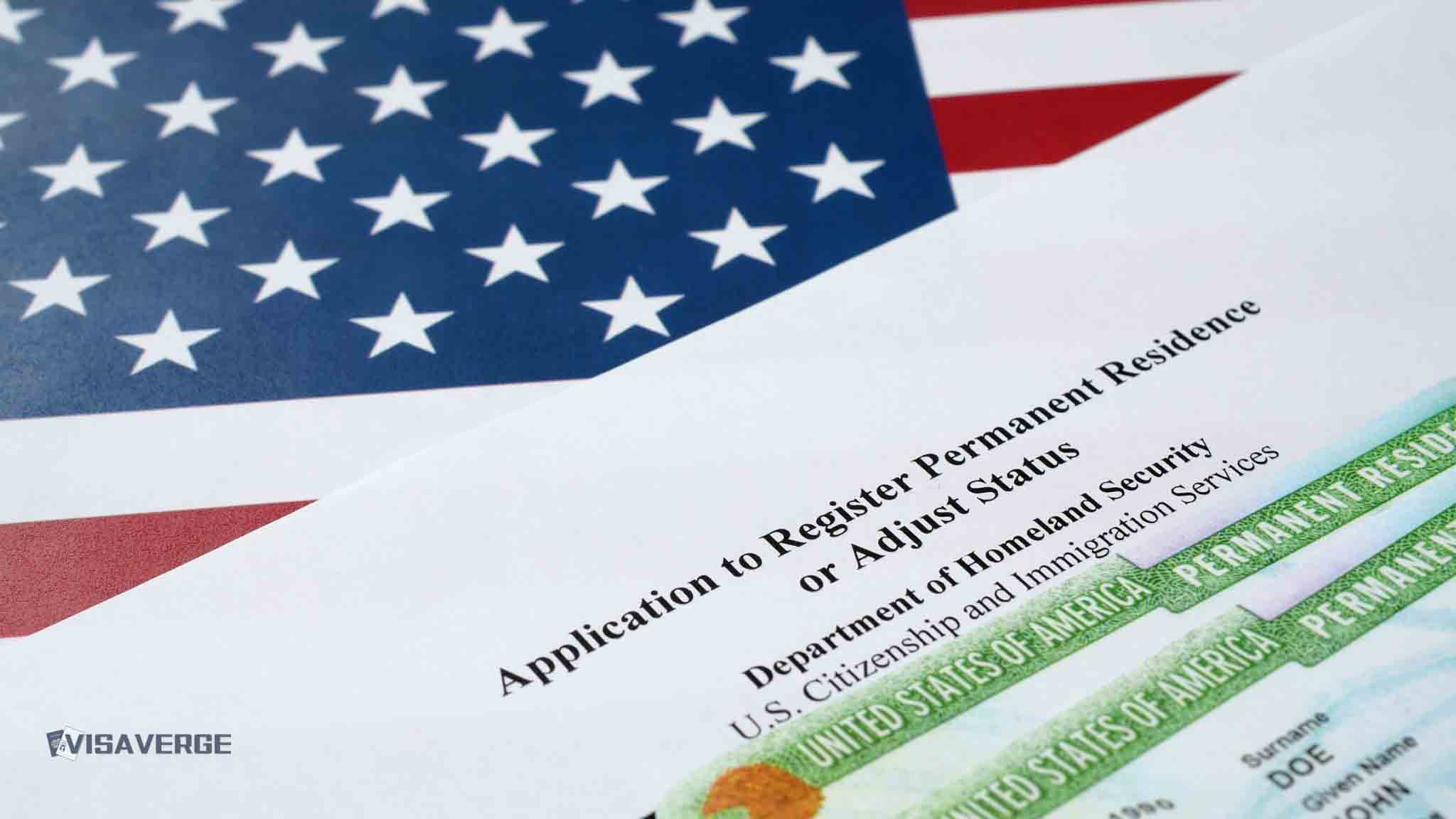
(SOUTH FLORIDA) — Miami immigration attorney Claudia Canizares said she is preparing a federal class-action lawsuit against U.S. Citizenship and Immigration Services (USCIS) over stalled immigration cases that she says are blocking Cubans from moving toward permanent residency under the Cuban Adjustment Act.
Canizares, who has over 15 years of experience in South Florida, said she expects to file the suit next week in South Florida federal court. She said the case targets delays affecting up to 100,000 Cubans who entered legally through Biden-era pathways.
Many of those Cubans arrived through the Cuban humanitarian parole program, the CBP One app process, and family reunification initiatives. Canizares said the slow pace has left families and young adults in prolonged uncertainty as they try to work, study, and stay together.
The Cuban Adjustment Act, often called the CAA, offers a pathway many Cubans have long relied on to seek permanent residency after entering the United States. Canizares’ proposed lawsuit centers on people who say they followed legal entry processes but still cannot move forward because their USCIS cases have stalled.
| India | China | ROW | |
|---|---|---|---|
| EB-1 | Feb 01, 2023 | Aug 01, 2023 ▲31d | Current |
| EB-2 | Nov 01, 2013 | Oct 01, 2021 | Apr 01, 2025 ▲90d |
| EB-3 | Jan 22, 2014 ▲21d | Jan 22, 2022 ▲14d | Jun 15, 2024 ▲31d |
| F-1 | Jan 22, 2021 ▲366d | Jan 22, 2021 ▲366d | Jan 22, 2021 ▲366d |
| F-2A | Oct 22, 2026 ▲30d | Oct 22, 2026 ▲30d | Oct 22, 2026 ▲30d |
Under the draft framework described by Canizares, the lawsuit aims to cover Cubans who entered legally through those specified programs and then sought steps that would allow them to pursue permanent status. The proposed class would exclude people who entered without authorization, she said.
Canizares pointed to 22-year-old Ana Gonzalez as an example of the human cost of delays. Gonzalez entered legally, and she wants to resume nursing studies, but she cannot without residency.
“I would like to stay here and study. I feel like this country is for people who like to work and want to grow,” Gonzalez said.
Canizares warned that prolonged uncertainty carries legal risk for people who cannot secure a stable status. “Immigration can pick them up, detain them and remove them from the country,” she said.
Participation in the class action, Canizares said, requires eligible migrants to contact her office by Friday, March 13, 2026. She said people seeking to join must provide proof of lawful entry and related records tied to their cases.
Canizares also said legal fees run in the thousands, with costs depending on individual attorney agreements. She said outcomes are not guaranteed, and class-action timelines can stretch on as the case moves through early motions and fights over who qualifies as part of the class.
The lawsuit takes shape amid broader disputes over how the government classifies certain Cuban entries and releases, which can determine eligibility under the Cuban Adjustment Act. A central point of conflict involves the I-220A Order of Release on Recognizance, a document many Cubans received after border apprehension.
Cubans with I-220A forms often obtain work authorization and driver’s licenses in practice, but USCIS deems I-220A not equivalent to parole for Cuban Adjustment Act purposes. That distinction can leave people with pending filings stuck for months, with families describing a limbo that affects jobs, schooling, and long-term planning.
A 2023 Board of Immigration Appeals decision ruled I-220A holders ineligible for Cuban Adjustment Act adjustment, a result attorneys say stranded cases pending over 500 days. One example cited in South Florida involves José Manuel Garces, whose I-130 petition filed by his husband remains unanswered.
Other litigation in South Florida has targeted the same fault line from a different angle. Miami attorney Mark Prada has filed separate lawsuits arguing I-220A should be treated as parole equivalent, because recipients presented for asylum at ports of entry.
Prada has said he anticipates government appeals if plaintiffs succeed, a prospect that could extend uncertainty even after early wins. That possibility has shaped how attorneys describe timelines for Cubans trying to decide whether to join lawsuits, pursue individual filings, or wait for policy changes.
Pressure for a fix has also reached Congress, where Republican Congresswoman María Elvira Salazar has pushed for legislative or Department of Homeland Security action. Salazar, the accounts say, made a 2024 request to then-DHS Secretary Alejandro Mayorkas, but the efforts failed.
Broader parole policy changes have added another layer of uncertainty for Cuban families whose plans depend on lawful entry categories. DHS revoked humanitarian parole for 532,000 from Cuba, Haiti, Nicaragua, and Venezuela, effective April 24, with the year not specified in the accounts describing the change.
Other restrictions also intersect with family-based strategies tied to parole. The Cuban Family Reunification Parole (CFRP) process faces challenges linked to a June 9 travel ban that denies visas after approval, leaving some families with authorizations that may not translate into travel.
In South Florida, attorneys and analysts said the disputes reflect shifting assumptions about how Cuban cases will be treated compared with previous eras. Wilfredo O. Allen, a South Florida attorney, described what he sees as the fading of special political protection for multiple groups.
“There’s no political protection—not for Cubans, not for Venezuelans,” Allen said.
Sebastian Arcos, interim director at Florida International University’s Center for Cuban Studies, focused on how people end up on I-220A paperwork and what it signals for their future cases. He described the processing as “arbitrary, rushed, and unjust.”
If Canizares files next week as planned, the case will begin with early procedural fights that can shape whether it becomes a true class action and who it covers. If a court certifies the class and plaintiffs prevail, the lawsuit could affect Cubans nationwide who are waiting for USCIS action tied to legal entry pathways and Cuban Adjustment Act expectations.
Even so, attorneys involved in related litigation have warned that cases can take months or years and can change course through appeals. Canizares has set Friday, March 13, 2026 as the deadline for potential participants to contact her office and submit proof of lawful entry and related records.