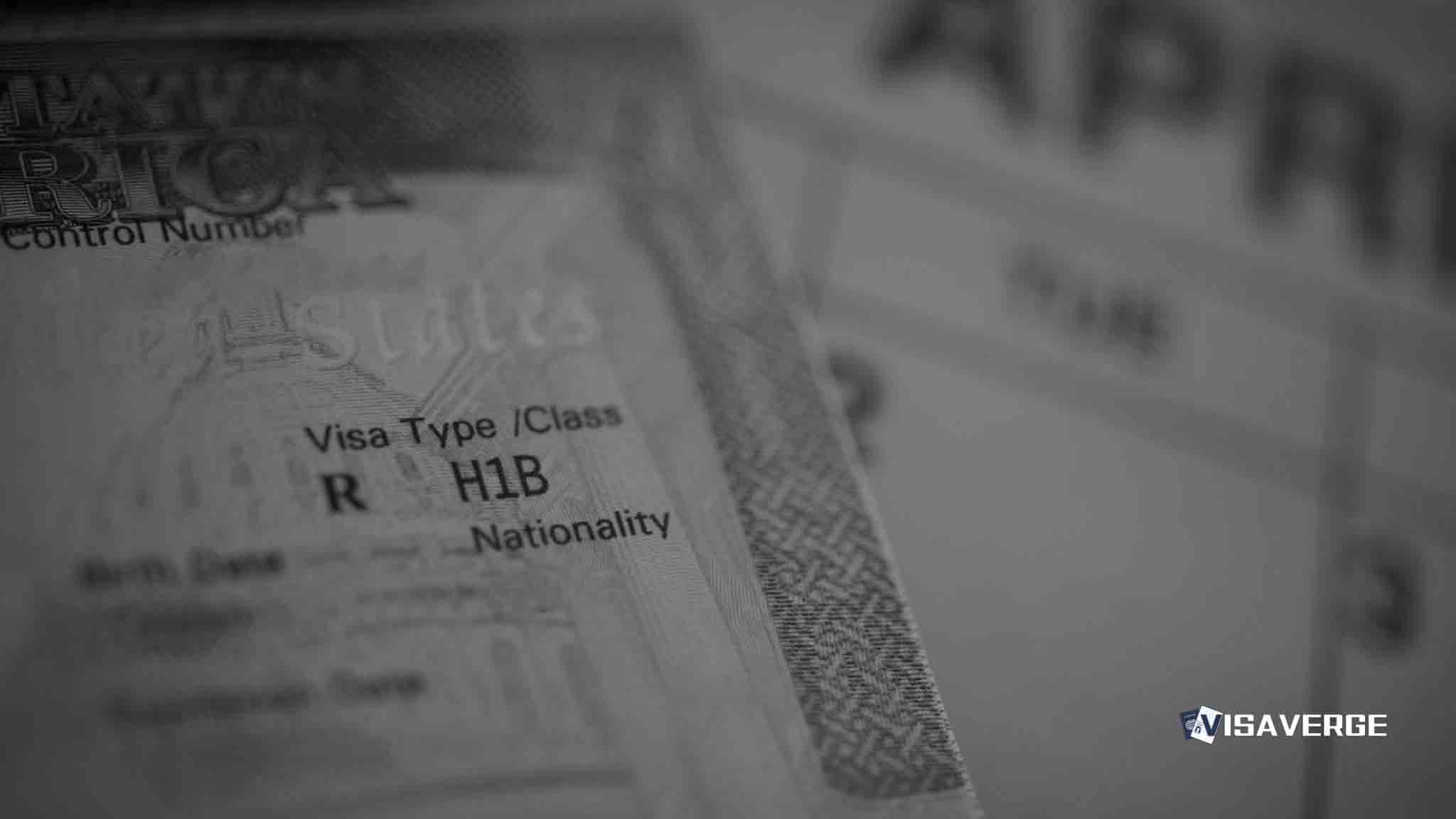
- The USCIS Vetting Center now screens social media and travel history for all H-1B applicants.
- Proposed wage threshold increases could raise sponsorship costs by 33% for entry-level positions.
- Employment Authorization Documents now have a reduced 18-month validity period requiring earlier renewals.
(UNITED STATES) The H-1B process in 2026 is tighter, slower, and more expensive. The USCIS Vetting Center now drives deeper screening, the wage threshold proposal could raise sponsorship costs by about 33%, and the H-1B lottery sits inside a wider enforcement push that affects travel, filing strategy, and hiring plans.
For employers and workers, the first rule is simple: expect more review at every stage. That means stronger documentation, earlier planning, and a longer wait before any visa decision or consular stamp appears. VisaVerge.com reports that the new environment rewards clean records and punishes weak filings.
The first gate is no longer just the lottery
The H-1B selection process still begins with registration, but the real challenge starts after selection. USCIS has added a centralized USCIS Vetting Center to screen applicants for security, fraud, and public-safety concerns. Officials now review online presence and social media for H-1B and H-4 cases, not just work history and diplomas.
Free toolH-1B Cost Calculator OnlineThat change matters because the review now goes beyond passport nationality. Officers also weigh country of birth, dual nationality, long-term residence abroad, and recent travel history. Applicants with complex travel patterns should expect requests for evidence or administrative processing.
Employers should treat every registration as the start of a longer compliance file. The early stage still includes the H-1B lottery, but a win does not guarantee smooth processing. It only opens the door to deeper scrutiny.
Security checks now reach travel, nationality, and online activity
The new screening rules are already reshaping daily planning for foreign workers. In 2026, Proclamation 10998 expanded entry restrictions to 39 countries, including Burkina Faso, Mali, Niger, South Sudan, Syria, and citizens using Palestinian Authority travel documents. The State Department also suspended visa issuance for nationals of 19 countries subject to direct prohibition, including Afghanistan, Eritrea, Iran, Yemen, and Syria.
That does not create a blanket ban for every H-1B worker, but it does make travel more risky. A business trip, family visit, or emergency departure can trigger delays when the worker tries to return. People with recent travel to restricted regions face the highest risk of delay.
The practical timeline is now less predictable. A case can move from lottery selection to petition filing, then to extra vetting, and finally to consular review abroad. Each step can add waiting time.
Filing costs now hit harder
Money has become another barrier. The H-1B registration fee is $215 per submission, far above the old $10 level. Once a candidate is selected, the petition filing fee is $780, and most employers must also pay a $600 Asylum Program fee. That means $1,380 before legal fees, translations, or other expenses.
For large employers, those amounts are manageable. For startups and smaller firms, they change hiring decisions. A company that planned several petitions may now narrow the list or slow recruitment until budgets are approved.
The current proposal from the U.S. Department of Labor could raise the wage threshold across all four H-1B tiers. Entry-level salaries would rise by about 33%. If finalized, this rule would hit junior tech roles, research positions, and other early-career jobs especially hard.
Employers should model those costs now, not after the rule is final. Wages, filing fees, and legal expenses are moving together. That makes sponsorship a far bigger financial commitment than in past years.
Work authorization renewals are moving faster on the calendar
USCIS reduced the maximum validity period for certain Employment Authorization Documents to 18 months in December 2025. That shorter term affects planning even when the worker remains in steady employment.
For employers, the result is more frequent renewals and more I-9 reverifications. Human resources teams need earlier reminder systems and tighter document tracking. A missed renewal can interrupt payroll and create a gap in work authorization.
For workers, the new timeline means less room for delay. An EAD renewal filed late can leave someone waiting while the current card expires. In practice, that creates pressure to start paperwork well before the expiration date.
The change also affects family planning. Spouses, dependents, and employers now have to watch more dates and more follow-up notices.
USCIS backlogs and asylum changes are adding pressure
USCIS processes about 10 million applications, requests, and petitions each year. When filing volumes rise faster than completions, delays follow. The agency is also handling a temporary pause in asylum processing, while new rules tighten deadlines and evidence requirements.
A new rule effective March 30, 2026 requires certain asylum applicants to submit supporting evidence within 14 days of filing Form I-589. That rule does not apply to H-1B workers directly, but it pulls staff and attention toward other parts of the immigration system.
That matters because agency resources are finite. When personnel focus on vetting, asylum reviews, and new screening procedures, employment-based filings can wait longer. Petitioners should expect more Section 221(g) requests, more administrative processing, and slower visa appointment scheduling.
The official USCIS portal remains the best place to track filing guidance and policy updates: USCIS official website.
What each stage now looks like for applicants
The process in 2026 usually unfolds in five stages.
- Registration and selection. Employers enter the H-1B lottery and pay the higher registration fee.
- Petition filing. After selection, the employer files the petition with stronger proof of specialty occupation, qualifications, and business need.
- Vetting. USCIS may review social media, travel history, nationality factors, and background issues through the USCIS Vetting Center.
- Consular processing or change of status. If the worker is abroad, the case may face additional delays before a visa stamp is issued.
- Employment start and maintenance. Employers track EAD renewals, I-9 updates, and travel risks throughout the year.
Each stage now carries a longer timeline than before. Some cases move quickly. Others pause for weeks or months.
What employers and workers should expect from authorities
Employers should expect detailed questions, more evidence requests, and less tolerance for missing records. USCIS is looking closely at job duties, degree matches, salary levels, and the employer’s real need for the position. The Department of Labor is also pressuring sponsors through the proposed wage threshold increases.
Workers should expect scrutiny of every part of their history. Online posts, dual citizenship, old travel records, and prior residence in another country all matter now. Applicants from affected countries face even more attention.
The smart response is preparation. Clean filing packets, complete travel records, and early renewals reduce the chance of delay. Strong cases still get approved, but they do so in a system that demands more proof at every step.
For now, the 2026 H-1B path remains open, but it is narrower. Employers with thin documentation and workers with complicated histories will feel the pressure first. Those with organized records, steady planning, and realistic timelines are in the best position to move through the process without losing time.