- New York led the nation in 2024 with 157,070 new residents, cementing its role as the top immigration hub.
- Family categories accounted for nearly two-thirds of green cards in the nation’s five leading metropolitan areas.
- USCIS issued a 2026 memo requiring most applicants to return home for processing, shifting away from status adjustments.
(UNITED STATES) Family-based immigration remains the biggest path to permanent residence in America, and the largest share of new arrivals still clusters in a few major metro areas. For family green card holders, the leading hubs in 2024 were New York, Miami, Los Angeles, Washington, and Houston, based on federal lawful permanent resident data.
That matters because these cities shape where families reunite, where legal services grow, and where policy changes hit hardest. Data from the Office of Homeland Security Statistics and U.S. Citizenship and Immigration Services shows both a strong family pattern and a growing divide between where visas are granted and how people must now complete the process.

How this ranking was built
This ranking uses the Core Based Statistical Area, or CBSA, totals for new lawful permanent residents in 2024. The numbers come from the “U.S. Lawful Permanent Residents: 2024” Annual Flow Report, published on January 8, 2026, by the Office of Homeland Security Statistics.
The list ranks metro areas by total new LPRs in 2024, not by family cases alone. Even so, family categories made up nearly two-thirds of green cards in these leading urban hubs. That makes the ranking a strong guide to where family immigration was most concentrated.
Federal totals show why. In fiscal year 2024, 1.36 million people became lawful permanent residents, a 15.6% increase over fiscal year 2023. Among them, 672,240 were immediate relatives of U.S. citizens, while 204,240 came through family-sponsored preference categories.
| India | China | ROW | |
|---|---|---|---|
| EB-1 | Feb 01, 2023 | Aug 01, 2023 ▲31d | Current |
| EB-2 | Nov 01, 2013 | Oct 01, 2021 | Apr 01, 2025 ▲90d |
| EB-3 | Jan 22, 2014 ▲21d | Jan 22, 2022 ▲14d | Jun 15, 2024 ▲31d |
| F-1 | Jan 22, 2021 ▲366d | Jan 22, 2021 ▲366d | Jan 22, 2021 ▲366d |
| F-2A | Oct 22, 2026 ▲30d | Oct 22, 2026 ▲30d | Oct 22, 2026 ▲30d |
1. New York-Newark-Jersey City, NY-NJ-PA
The New York metro area ranked first, with 157,070 new lawful permanent residents in 2024. No other metro area came close. That scale makes New York the clearest center of family-based immigration in the country.
For families, the attraction is simple. Large immigrant communities already live across New York City, northern New Jersey, and nearby counties. New arrivals often land where relatives, faith groups, language communities, and legal aid networks already exist.
That local support matters even more when petitions move slowly. As of June 2026, the median processing time for a U.S.-citizen-filed Form I-130, the Petition for Alien Relative, stood at 14 months. Petitions filed by lawful permanent residents were running at about 35 months.
For mixed-status families, New York also faces the strain of recent federal policy shifts. When a spouse, parent, or adult child cannot finish a case inside the country, that often means more legal questions, more travel risk, and longer separation.
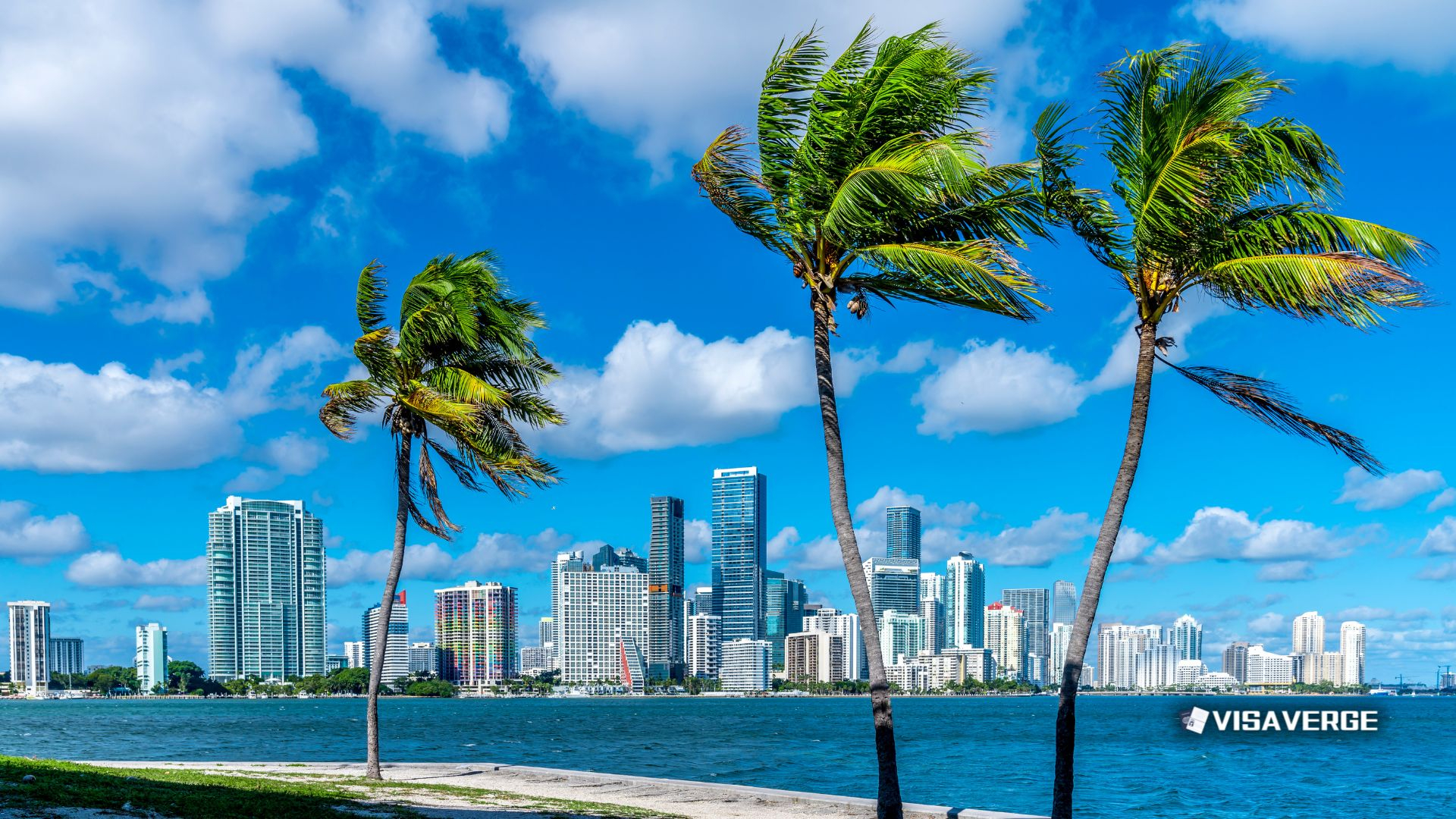
2. Miami-Fort Lauderdale-Pompano Beach, FL
Miami ranked second with 88,651 new lawful permanent residents in 2024, an estimated figure in the federal breakdown. The region has long served as a landing point for families from Latin America and the Caribbean.
That role became more complicated after December 15, 2025, when DHS ended categorical Family Reunification Parole programs for nationals of Colombia, Cuba, Ecuador, El Salvador, Guatemala, Haiti, and Honduras. Families from those countries lost a broader path and moved back to case-by-case humanitarian parole requests.
In a metro area like Miami, that change carries real weight. Many households include relatives with different statuses, pending petitions, or temporary visas. When parole options narrow, more people turn to lawyers and community groups for help with next steps.
Miami’s place near the top also fits the wider family pattern in federal immigration data. Since family categories account for nearly two-thirds of green cards in the leading hubs, the city’s total strongly reflects marriage, parent-child, and sibling sponsorship patterns.
3. Los Angeles-Long Beach-Anaheim, CA
Los Angeles ranked third with 82,979 new lawful permanent residents in 2024, also listed as an estimated figure. The metro area remains one of the country’s oldest and largest immigrant gateways, with family migration at the center.
For many new residents, Los Angeles offers what family immigration often needs most: existing relatives, language access, job networks, and neighborhood familiarity. Those factors reduce the shock of arrival and help families settle faster after approval.
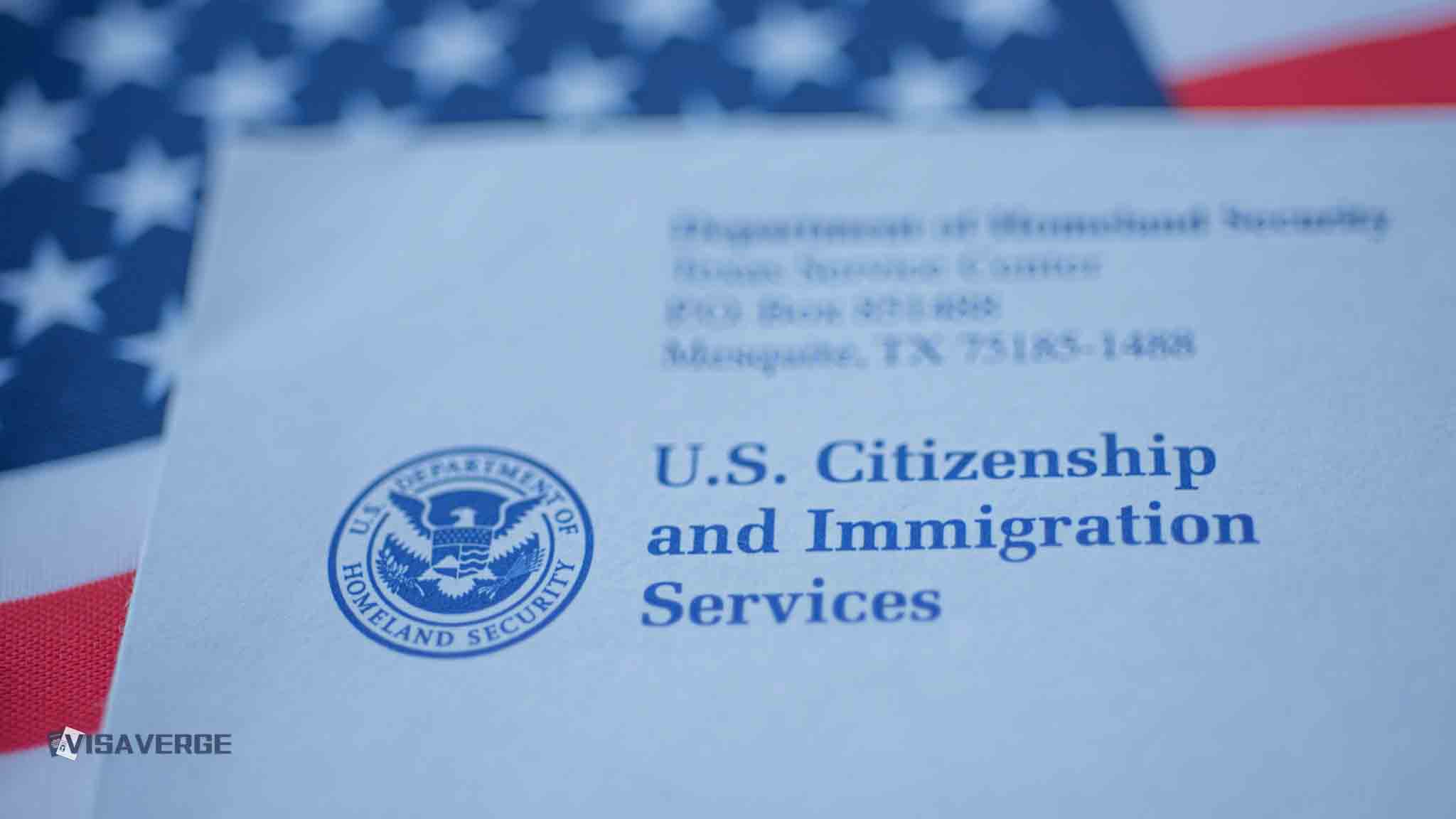
Yet the policy climate changed sharply in 2026. In a May 21, 2026 memorandum, U.S. Citizenship and Immigration Services issued PM-602-0199, which reshaped how people in temporary status pursue green cards from inside the United States. The memo is available here.
A USCIS spokesman, Zach Kahler, described the move . “We’re returning to the original intent of the law to ensure aliens navigate our nation’s immigration system properly. From now on, an alien who is in the U.S. temporarily and wants a Green Card must return to their home country to apply, except in extraordinary circumstances. Following the law allows the majority of these cases to be handled by the State Department at U.S. consular offices abroad and frees up limited USCIS resources.”
For Los Angeles families, that means more cases may now shift to consular processing abroad. That is a major change for people who expected to complete everything while staying with relatives in California.
4. Washington-Arlington-Alexandria, DC-VA-MD-WV
The Washington metro area ranked fourth with 40,644 new lawful permanent residents in 2024, another estimated figure. Its total was far below New York’s, but still large enough to place it among the nation’s main family immigration centers.
Washington’s immigration profile mixes federal workers, international communities, students, and long-settled family networks. That gives new permanent residents access to legal help, nonprofit support, and relatives who already know the local system.
The city also sits close to the policy machinery shaping these cases. The May 2026 memo redefined adjustment of status as an “extraordinary form of relief.” That wording matters. It signals a tighter reading of when people already in the country may finish a green card case without leaving.
For families in the Washington region, the impact is practical. A person on a B-1/B-2 or F-1 visa who planned to adjust status may now face pressure to return home and attend a consular interview instead.
That shift adds costs, risk, and waiting time. It also raises demand for careful legal review, especially in households where one relative is a citizen or resident and another remains in temporary status.
5. Houston-The Woodlands-Sugar Land, TX
Houston ranked fifth with 38,686 new lawful permanent residents in 2024, also an estimated figure. The metro area has grown into one of the country’s strongest immigration magnets, with family sponsorship playing a large role.
Houston’s appeal rests on family ties, lower living costs than some coastal hubs, and broad immigrant communities from Latin America, Asia, and Africa. For new residents, that mix often means easier housing searches and quicker entry into local work networks.
Processing backlogs still shape the experience. A family petition begins with the I-130, but approval is only one stage. If the case falls into a preference category, the wait for a visa number can stretch much longer.
The State Department’s June 2026 Visa Bulletin kept the fiscal year 2026 limit for family-sponsored preference immigrants at 226,000. That cap affects sons, daughters, siblings, and other relatives in categories with annual numerical limits.
Houston families feel that pressure in real time. A city can have strong community support, but no local strength removes federal caps, visa backlogs, or the new push toward overseas processing.
What these five cities show about family immigration now
Taken together, these five metro areas show how family immigration still follows community gravity. People go where relatives already live. They also go where churches, schools, lawyers, employers, and neighbors can help them start over.
That is why urban concentration matters. It is not just a map pattern. It shapes school enrollment, housing demand, legal clinic waitlists, and the daily reality of starting life as a permanent resident.
According to analysis by VisaVerge.com, the concentration of family green card holders in a handful of gateway cities also helps explain why policy changes often hit local service systems first. A federal memo in Washington becomes an intake surge at a legal aid office in Queens, Miami-Dade, Koreatown, Northern Virginia, or southwest Houston.
Readers who want to verify the numbers can check the OHSS annual flow report, the USCIS policy memo, the June 2026 Visa Bulletin, and USCIS naturalization statistics for FY 2024. Together, those records show the same broad picture: family sponsorship remains the core of legal immigration, even as the rules for completing that process have grown stricter.