- A Green Card’s class of admission code reveals the specific legal pathway used for permanent residency.
- Family-based immigration remains the fastest and largest route to obtaining lawful status in the U.S.
- Employment, humanitarian, and diversity programs each have unique codes and annual limits for applicants.
A green card is not a single category. It carries a class of admission, a three-character code that shows how the person became a lawful permanent resident. That code appears on the Permanent Resident Card, on immigrant visas issued abroad, and on USCIS approval notices for Form I-485. For many spouses of U.S. citizens, the code is IR1.

These codes matter because they tell the government, employers, and families the legal pathway behind permanent residence. They also help show whether a case came through family sponsorship, work, humanitarian protection, or another route. The same system sits behind annual visa limits, waiting lines, and the path to citizenship.
The code printed on the green card
USCIS and the Department of State use classes of admission to sort immigrant cases into clear legal groups. The first letter shows the broad category. The second letter narrows the type. The third character shows the status or stage. So IR1 means an immediate relative spouse who entered as a new arrival. IR6 means the same spouse adjusted status inside the United States.
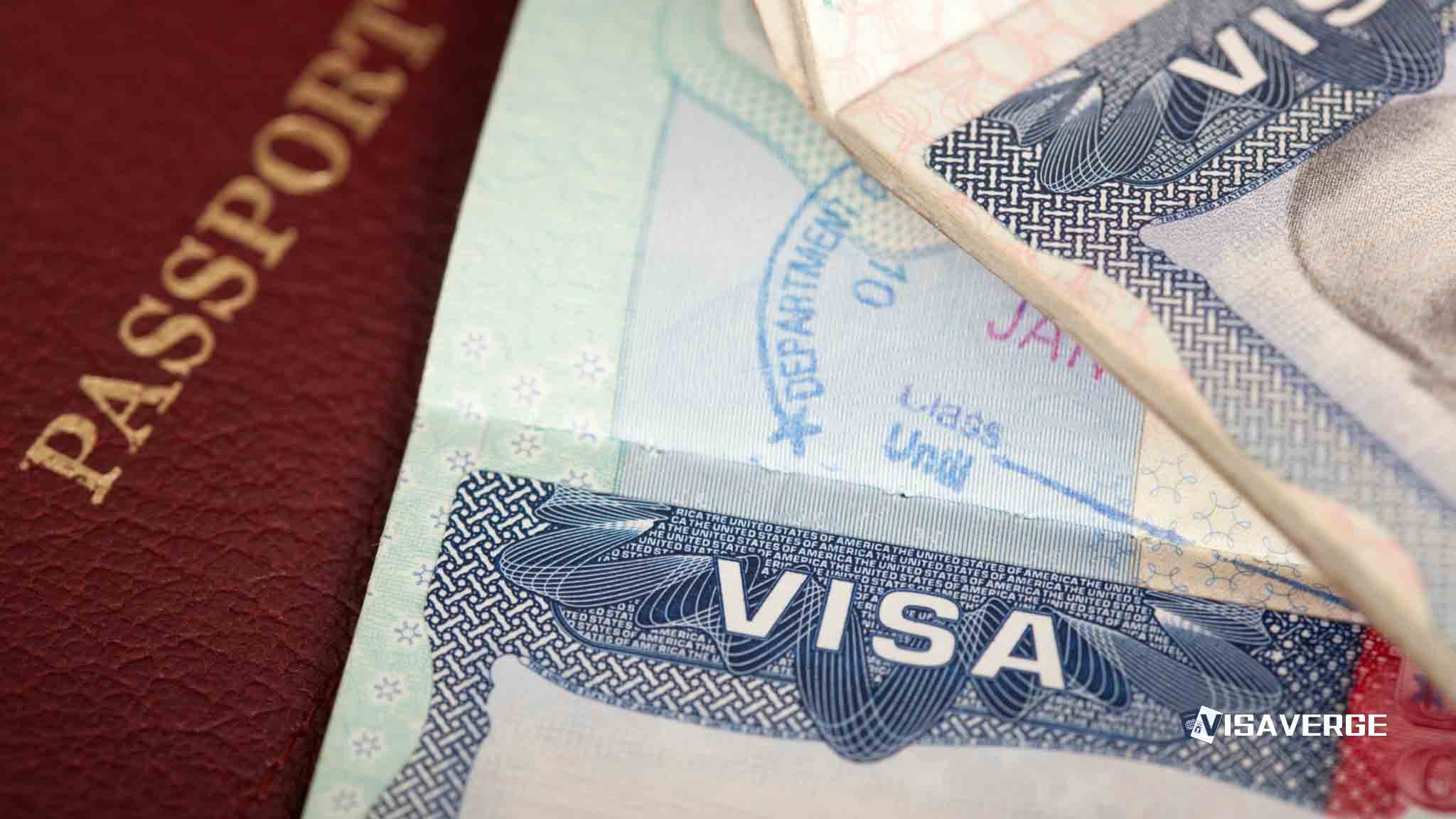
The code appears in several places. On a Permanent Resident Card, it is printed with “RESIDENT SINCE” and the date. On an immigrant visa, it is stamped in the passport. On an approved Form I-485, the class is listed in the record. That small code can affect later filings, travel questions, and future naturalization paperwork.
For official USCIS filing pages, use the USCIS forms portal. For the main agency guidance, see USCIS.gov.
Family immigration starts with the fastest route
Family immigration remains the largest path to permanent residence. Immediate relatives of U.S. citizens do not face annual visa caps, which is why their cases move faster than many preference categories. Spouses, unmarried children under 21, and parents of U.S. citizens aged 21 or older all fall into this group.
For spouses, the most common codes are IR1 and IR6. CR1 and CR6 apply when the marriage is under two years old, so the resident status starts as conditional. Widows and widowers use IW1 and IW6. Children use IR2 and IR7. Adoption cases also use their own codes, including IH3 and IH8.
The process usually begins with a family petition and then moves to either consular processing abroad or adjustment of status inside the United States. In straightforward spouse cases, many people receive a green card within 12 to 18 months. That timeline is faster than most preference cases because immediate relatives are uncapped.
Family preference cases move differently. They are capped each year and often build long queues. These categories include F1 for unmarried sons and daughters of U.S. citizens, F2A and F2B for relatives of permanent residents, F3 for married sons and daughters of citizens, and F4 for siblings. Some countries face waits that stretch for many years.
Work-based categories follow a separate track
Employment-based immigration serves workers, researchers, managers, skilled employees, and investors. Most cases need labor certification from the Department of Labor, though some do not. The five preference groups are EB-1 through EB-5, and each has its own codes.
EB-1 includes extraordinary ability workers, outstanding professors and researchers, and multinational managers. These cases do not require labor certification. EB-2 covers advanced degree holders and people with exceptional ability. Some also qualify through a National Interest Waiver. EB-3 includes professionals, skilled workers, and a small number of other workers. These cases often face long backlogs.
EB-4 covers special immigrants, including certain religious workers and some Iraqi and Afghan nationals who assisted the United States. EB-5 is the investor category. It requires capital investment and the creation of 10 U.S. jobs. The current minimum investment levels are $800,000 for targeted areas and $1.05 million for standard cases.
The annual worldwide employment-based limit is at least 140,000 visas. Within that system, unused family visas can spill over into employment categories. That spillover has helped some EB-1 and EB-2 applicants move faster. VisaVerge.com reports that this spillover effect remains closely watched in 2026 because it changes waiting times for workers from heavily backlogged countries.
Humanitarian routes carry their own codes
Refugees, asylees, trafficking survivors, crime victims, and other protected groups use separate classes of admission. Refugees apply outside the United States. Asylees apply or receive protection inside the country. Once their status becomes eligible for permanent residence, they move through adjustment pathways with their own codes.
Examples include AS6 for asylees, AS7 for spouses, and AS8 for children. Cuban and Indochinese cases also have special codes. Trafficking victims who adjust status use ST6 through ST9. Crime victims who adjust status use SU6 through SU9. These categories recognize that many people do not arrive through a normal family or work route.
One key deadline stands out in asylum law: the one-year filing rule. People generally must apply within one year of arriving in the United States. After protection is granted, some family members can join as derivatives, depending on the case type.
The diversity lottery uses a different path
The Diversity Visa Program exists to widen the mix of countries represented among new immigrants. It allocates about 55,000 visas a year to people from low-immigration countries. Winners receive codes such as DV1 and DV6 for principal applicants, with DV2, DV7, DV3, and DV8 for spouses and children.
This route is very different from family or work sponsorship. It does not depend on a relative or employer. It does require education or work experience rules, and it runs on firm annual deadlines. For fiscal year 2026, entries are already closed, and selectees must complete the process by September 30, 2026.
Rights start when permanent residence begins
Once a person becomes a lawful permanent resident, the status gives broad rights. LPRs may work in the United States without separate work authorization. They may sponsor certain family members. They may travel abroad, though trips longer than 6 months raise reentry issues, and longer absences often require a reentry permit.
The duties are just as real. LPRs must pay taxes, obey U.S. laws, and register for Selective Service if they are required to do so. They cannot vote in federal elections. Most can apply for citizenship through Form N-400 after meeting the residency rules. Many spouses of U.S. citizens can apply after 3 years. Most other residents apply after 5 years.
Why the code still matters later
People often think the class of admission is just a clerical detail. It is not. It explains why one green card arrived quickly while another took years. It shows whether the case was immediate relative, family preference, employment-based, humanitarian, or special immigrant. It also helps immigration officers and employers read the file correctly.
In the family system, IR1 is especially important because it shows a marriage-based green card without the two-year condition attached to CR1. In employment cases, codes like E11 or E21 show the exact subcategory. In humanitarian cases, the code tells a different story altogether, often one built around protection rather than sponsorship.
The yearly visa system keeps these categories in balance. Family-sponsored visas are capped at 226,000 in fiscal year 2026. Per-country limits remain at 7%, or 25,620 visas. Immediate relatives stay uncapped. That structure shapes who waits, who moves quickly, and who stays stuck in line for years.
For current availability, the monthly Visa Bulletin remains the main public reference. It is the clearest window into how classes of admission move through the system, one category at a time.