- Boston Logan will close Runway 9-27 for 75 days starting August thirty-first, twenty twenty-six.
- Massport says the Phase 2 safety project includes a $110 million Engineered Material Arresting System.
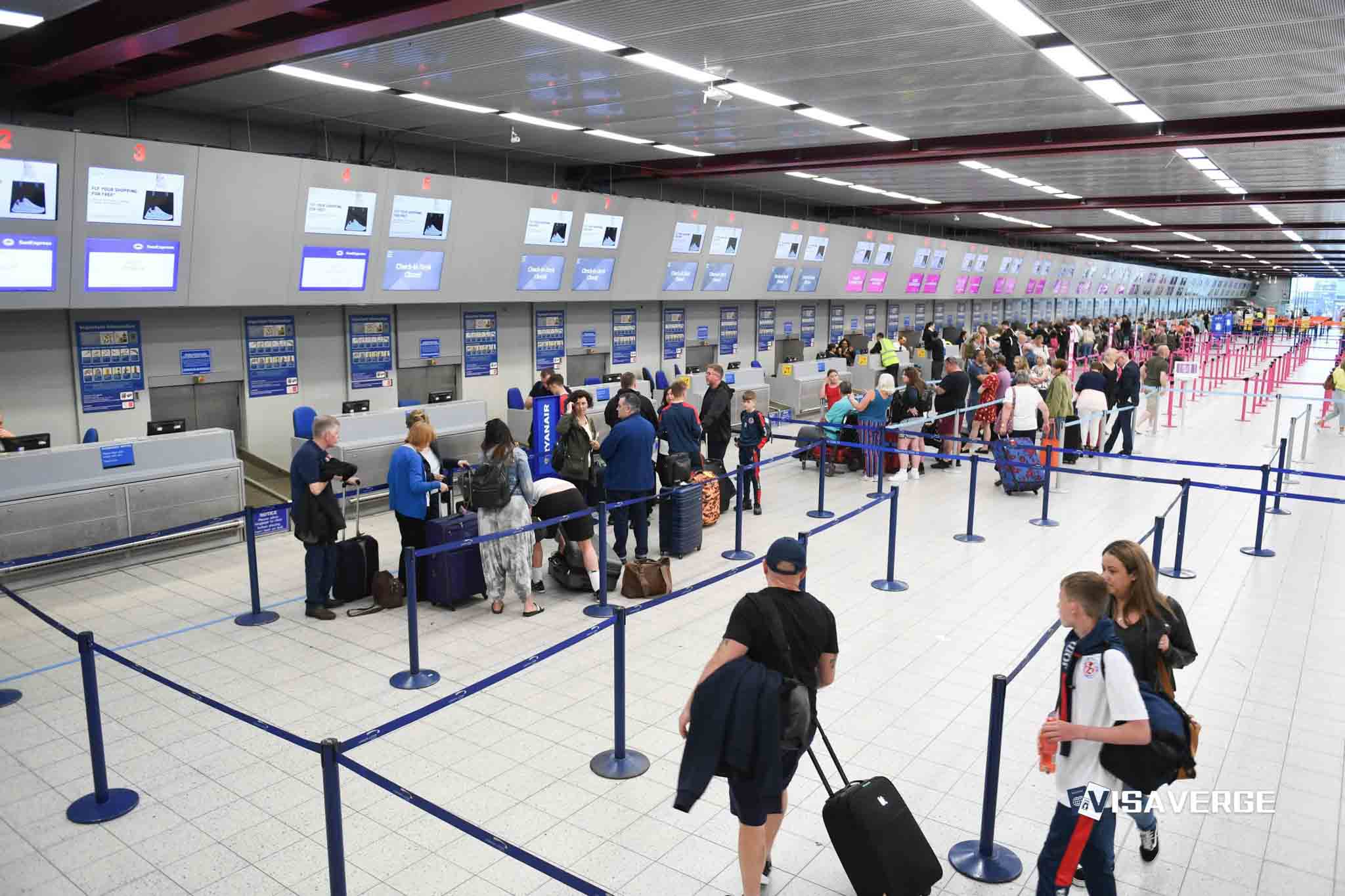
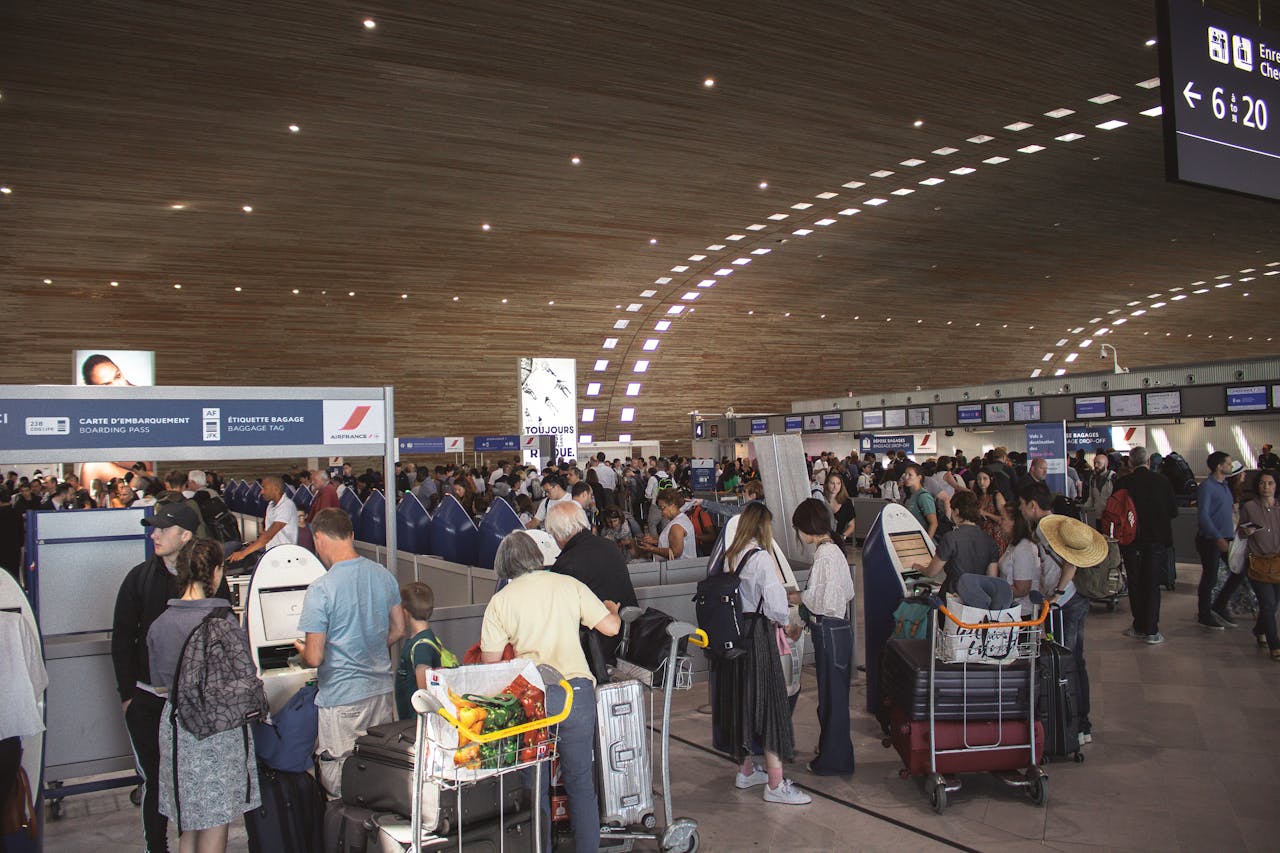
- Travelers should expect delays and check status as reduced capacity overlaps with Labor Day and fall holiday traffic.
Boston Logan International Airport will close Runway 9-27 for about 75 days beginning August 31, 2026, raising the risk of delays during fall travel. The work is scheduled to finish before Thanksgiving.
The Massachusetts Port Authority, known as Massport, announced the closure in an August 6 statement. The agency said the airport will operate with reduced runway capacity while construction continues.
“To accommodate construction, Runway 9-27 will be closed, with only very limited availability, for 75 days starting August 31. During this period, Boston Logan will have reduced runway capacity. Travelers also may experience delays, particularly during periods of inclement weather, air traffic constraints, or other operational disruptions.”
The closure will leave Logan with less flexibility when storms, heavy traffic or other constraints slow operations. Delays can build more quickly when the airport has fewer runways available to spread arrivals and departures.
The work is the second stage of a two-year runway safety project. Phase 1 finished in fall 2025, while Massport is coordinating the current 75-day window with the Federal Aviation Administration and airline partners.
The timing covers several high-demand periods, including Labor Day travel, college move-in and visiting weekends, and fall holiday traffic. Massport said the coordination aims to limit the number of affected flights during those periods.
A safety system will extend over Boston Harbor
The project carries an estimated price of approximately $110 million, with most of the funding coming from the FAA. Crews will install an Engineered Material Arresting System at the end of Runway 27.
The system uses lightweight, crushable material to help stop an aircraft that overruns the runway. Logan’s location among waterways leaves insufficient cleared land for a conventional runway safety area at several runway ends.
Construction will require a support deck over Boston Harbor to hold the arresting bed. Logan already has comparable installations at the ends of Runway 22R and Runway 33L.
| Project detail | What Massport has disclosed |
|---|---|
| Closure period | August 31, 2026, for approximately 75 days |
| Affected runway | The airport’s primary east-west runway |
| Safety work | Installation at the end of Runway 27 |
| Project cost | Approximately $110 million |
| Target completion | Before Thanksgiving |
The project’s safety purpose is separate from the temporary capacity problem. The installation is intended to provide a passive stopping system at a runway end where surrounding water limits available safety space.
Five active runways will absorb the traffic
With the runway out of service, Logan will shift air traffic to its five remaining active runways. That change can alter established flight paths over nearby neighborhoods.
Residents in Winthrop, Revere, East Boston, South Boston and Chelsea could hear more aircraft noise. Daytime construction will add noise of its own, including pile driving for the over-water support deck.
Airlines may thin some flight frequencies or use different equipment to manage lower landing and takeoff rates. The operational mix can change with traffic levels, weather and available capacity.
The altered runway pattern will affect where aircraft fly, not only how quickly they move through the airport. Some communities may hear aircraft at times or from directions that differ from normal operations.
Massport held a virtual information session on Wednesday, August 12, to brief residents and travelers on the temporary effects. The session took place less than three weeks before the closure begins.
Fall travel brings several pressure points
Labor Day will be the first major test of the reduced capacity. College move-in and visiting weekends will add demand, followed by fall holiday traffic before the project ends.
Massport’s coordination with airlines and the FAA may help limit the number of affected flights. It will not restore the runway capacity lost during construction.
Travelers should check flight status before leaving for the airport. They should also allow extra time for connections and consider booking earlier flights when schedules permit.
Bad weather presents the greatest operational risk because delays can spread across the remaining runways. Heavy traffic and other air-traffic constraints can create similar pressure even when weather is clear.
New aviation leaders take office as the work begins
Sharon Williams became Massport’s executive director of aviation on July 1, 2026. David Ishihara became deputy executive director of aviation the same day.
Rich Davey, Massport’s chief executive officer, praised the pair in a statement about the new aviation leadership team.
“Massport is fortunate to have two incredibly talented and experienced aviation leaders in Sharon and David. Their deep industry expertise, operational leadership, and commitment to excellence will help guide the Aviation team into the future.”
Patricia Jacobs, chair of the Massport Board of Directors, also cited Williams and Ishihara’s experience and public-service records.
“Sharon and David bring exceptional strength and experience to Massport’s Aviation leadership team. Their steady guidance, deep expertise, and commitment to public service will ensure continued excellence.”
Richard A. Davey serves as Massport’s CEO. Jennifer B. Mehigan is the director of media relations, and Alaina Coppola is the director of community relations and government affairs.
A remote terminal pilot will continue through March 2027
Massport is also extending a remote-terminal pilot intended to reduce vehicle traffic at the airport during the construction window. Davey recently celebrated the 10,000th passenger at the Framingham remote terminal.
The pilot now runs through March 2027. Massport is using it to help reduce vehicular traffic and ground congestion while the airfield operates with fewer available runways.
Construction is scheduled to run from August 31 into mid-November. The first peak travel period arrives with Labor Day, making flight-status checks and longer connection windows especially important before passengers leave for Logan.