(BOSTON, MA, UNITED STATES) Travelers at Logan Airport faced a rough start to the weekend on Friday as FAA reductions kicked in, slashing 10% of air traffic at Boston and 39 other busy airports across the United States. The change, which began November 7, 2025, stems from the ongoing federal government shutdown and a growing shortage of air traffic controllers, forcing airlines to scrub flights and slow operations.
By morning, cancellations and delays rippled through terminals, affecting business travelers, families, and international visitors alike. Airport officials warned the numbers would likely climb through the day as the federal cuts took full effect and carriers adjusted schedules.

Scale of the impact at Logan
According to data shared with airlines and airport officials:
- Logan had roughly 500 departures planned for Friday, carrying an estimated 62,000 passengers.
- A 10% reduction can strand as many as 6,200 travelers in Boston, not including knock-on effects for incoming flights and missed connections.
- Early counts showed at least 38 cancellations by Friday morning, with operational tracking sites pointing to hundreds of delays.
- On Thursday alone, there were 438 delays and 36 cancellations connected to Logan.
- By Friday afternoon, the working tally suggested 88 cancellations and around 400 delays, with the line of affected flights extending into the night.
Officials, unions, and safety messaging
Officials stressed the move was about safety in a strained system, even as passengers felt immediate pain.
“We are awaiting more information from the FAA on which flights will be impacted. For those traveling over the next few days, we do anticipate delays and cancellations and strongly urge passengers to check with their airline before coming to the airport.”
— Massport spokesman Benjamin Crawley
Massport said airlines would contact customers as cancellations and reroutes were finalized.
The FAA characterized the cuts as a last-resort measure to reduce pressure on controllers who have gone without pay since the shutdown began on September 30.
“We’re in new territory in terms of government shutdowns. I’m not aware in my 35-year history in the aviation market where we’ve had a situation where we’re taking these kinds of measures.”
— FAA spokesperson Bryan Bedford
Union leaders emphasized the toll on workers:
“You’re talking about going over a month without pay. Most people are already living paycheck to paycheck. And they have no idea when they’re going to get paid again next, so it’s an incredibly stressful time.”
— Kevin Curtiss, New England Regional Vice President, National Air Traffic Controllers Association
Passenger experience and airport scene
Passengers experienced stress in small and large ways:
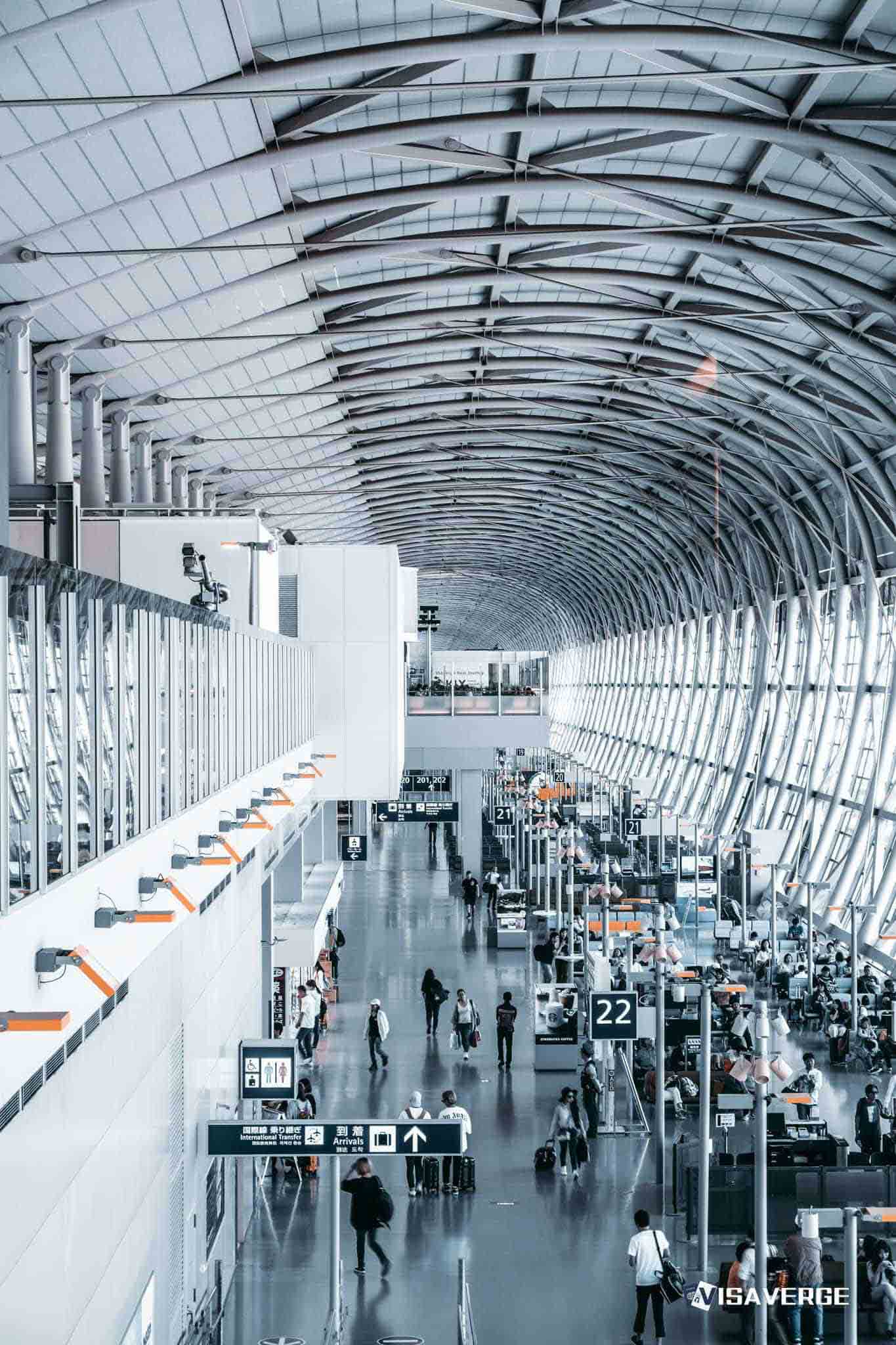
- Departure boards were littered with delayed and canceled flights.
- Travelers used laptops and phones to search alternate routes or carriers.
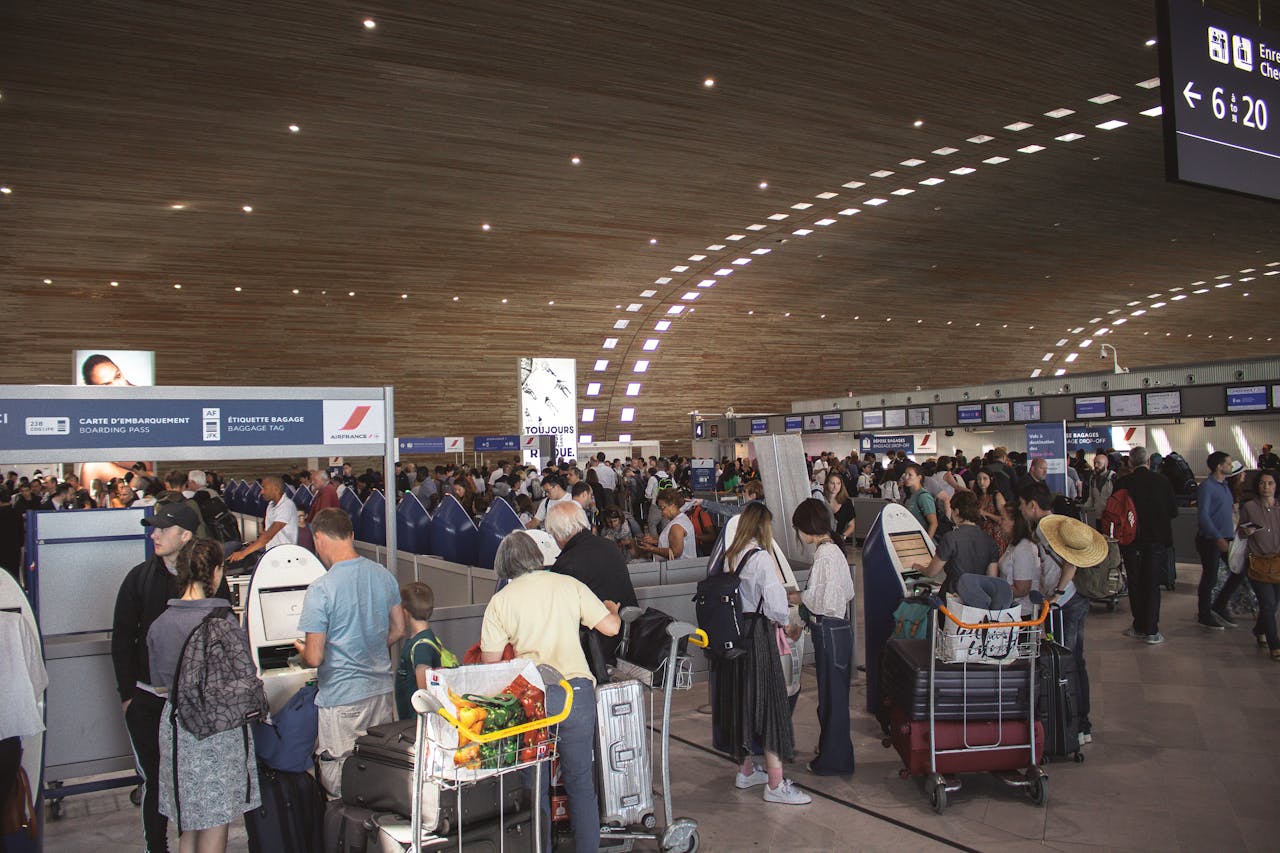
- Long lines formed at airline counters for rebooking and meal vouchers.
- Business travelers worried about missing meetings; leisure travelers watched mid-day departures slide into evening.
Representative passenger comments:
- “I feel like when you’re trying to get different places for work, it makes life difficult.” — Sarah Page
- “You’re kind of taking a chance, it’s like a flip of a coin. They [air traffic controllers] need to get paid for what they’re doing.” — Carter
- “A little nervous about the whole situation, but we’re optimists… flight homes, Sunday evening, a little more nervous about.” — Christine
Airline responses and route strategy
Airlines at Logan made strategic choices to protect core services:
- Major carriers protected long-haul routes and high-capacity flights while trimming shorter regional hops.
- Cape Air and Republic Airways flagged regional schedule cuts.
- Overseas carriers including Lufthansa and Japan Airlines reviewed operations.
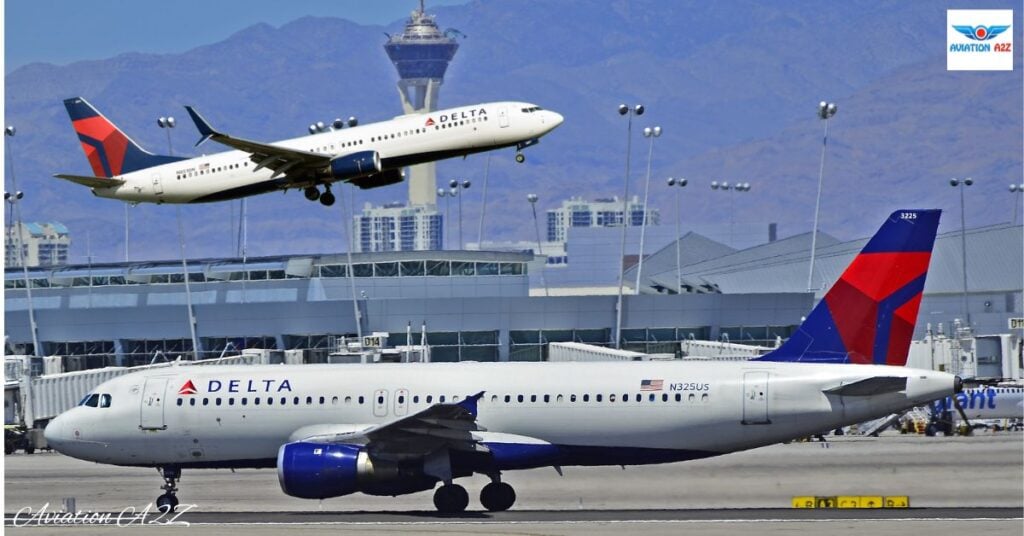
- United announced a proactive cut of 200 flights nationwide.
- Delta said it would notify customers early if trips were affected.
Affected regions included routes to and from the US ??, Canada ??, Germany, the UK, Japan, and Turkey.
Local compounding factor: Runway work
Another constraint intensified disruptions:
- Runway 9-27 is closed until mid-November for safety work, already creating bottlenecks during peak afternoon and evening hours.
- Fewer runway options plus federal cutbacks squeezed scheduling windows, causing arrivals to hold or divert and departures to stack at gates.
- Airport staff urged travelers to build in extra time, pack patience, and stay near gates for last-minute openings.
Workforce strain and timeline concerns
The shutdown’s workforce crunch influenced decisions:
- Controllers missed one paycheck and face another missed payday on November 11 if the standoff continues.
- Overtime has become the norm; staffing is stretched across shifts.
- The FAA said the cuts are meant to help but add complexity in balancing staffing and the fair distribution of reductions.
- The agency will continue to prioritize safety and reassess the 10% cut as conditions change.
Key advice for travelers: expect delays, check with your airline, and consider backup plans if schedules are tight.
On-the-ground operational challenges
Practical issues that worsened the disruption:
- Heavy baggage recheck lines after rebooking.
- Crew duty limits (“timed out” crews) forced cancellations or wait time for new crews.
- Early-morning flights tend to fare better; afternoon and evening flights are more vulnerable.
- When one departure misses a slot, a whole gate bank can shift.
Wider economic ripple effects
Analysis by VisaVerge.com highlights system fragility:
- Aviation depends on timing, staffing, and stable funding; when any pillar wobbles, effects spread to hotels, ride-share drivers, restaurants, and businesses.
- Boston’s tech and medical sectors rely on early morning and late evening flights; Friday’s disruption showed how quickly routines can unravel.
- College travel also contributed to demand, prompting university offices to field questions about returns and exams.
Industry-wide context
- Airlines plan schedules months in advance and adjust daily for weather, crew, and maintenance.
- An across-the-board 10% cut forced rapid recalibration during a high-demand period.
- Options like merging flights or upscaling aircraft require available jets and crews in the same cities.
- The certified air traffic controller workforce has struggled to meet demand in recent years; unions say shutdown cycles and hiring delays have made it worse.
FAA guidance and resources
For operational updates, the FAA advised travelers to follow airline notifications and the agency’s channels. General agency information is available at the FAA’s official site: Federal Aviation Administration.
The agency emphasized the reductions are designed to lower workloads to a level current staffing can safely handle, reducing the risk of errors in high-stress control rooms.
Airport response and small reliefs
Efforts at Logan included:
- Extra customer service leads to help interpret gate and time changes.
- Portable charger carts and seating areas for passengers during long holds.
- Volunteer directions to the MBTA and regional buses for travelers swapping air for road.
- Security lines moved steadily for much of the morning; re-screening after rebooking created new lunchtime bottlenecks.
- Dining vendors experienced waves of customers aligned with rolling delays.
- Operational details—like de-icing fluid and towing crew availability—added complexity as departures bunched.
Glints of luck:
- Last-minute seats opened up when misconnects occurred.
- Some families postponed travel a day; some business travelers held meetings by video from quieter spots.
- Support for controllers was evident among many travelers: “I want safer skies even if it means I get there late.”
Evening pattern and short-term outlook
By evening the pattern was clearer:
- FAA reductions slowed overall pace.
- Regional routes bore the brunt of cancellations.
- Longer-haul flights left late but mostly intact.
- With Runway 9-27 closed until mid-November, pressure on afternoon banks was expected to continue.
- Massport urged passengers to stay plugged into airline apps and email alerts, and to build extra time into trips.
For critical connections and international flights, check status the night before and again the morning of travel.
The coming days and a key date
A looming date: November 11 — another missed payday could hit controllers if no federal resolution is reached. Whether the 10% cut is eased or extended will depend on staffing and policy choices in the coming days.
Practical traveler tips:
- If possible, shift travel by a day.
- Fly early in the morning to reduce risk.
- Choose direct flights when feasible.
- Monitor airline alerts frequently.
As one Logan regular said while scrolling through delayed stamps: “It’s not ideal, but I want them to be safe up there. I’ll wait if I have to.” The situation at Boston is a snapshot of a national slowdown playing out at 39 other major airports — prepare for a slower system, keep expectations flexible, and remember that controllers are working under strain.
This Article in a Nutshell
Beginning November 7, 2025, the FAA implemented a 10% air-traffic reduction at Logan and 39 other major U.S. airports due to a government shutdown and controller shortages. Logan’s roughly 500 planned departures risked stranding about 6,200 passengers; early counts showed dozens of cancellations and hundreds of delays. Airlines preserved long-haul routes while cutting regional flights. A concurrent closure of Runway 9-27 until mid-November worsened bottlenecks. Officials urged travelers to check airline notifications and prepare contingency plans.