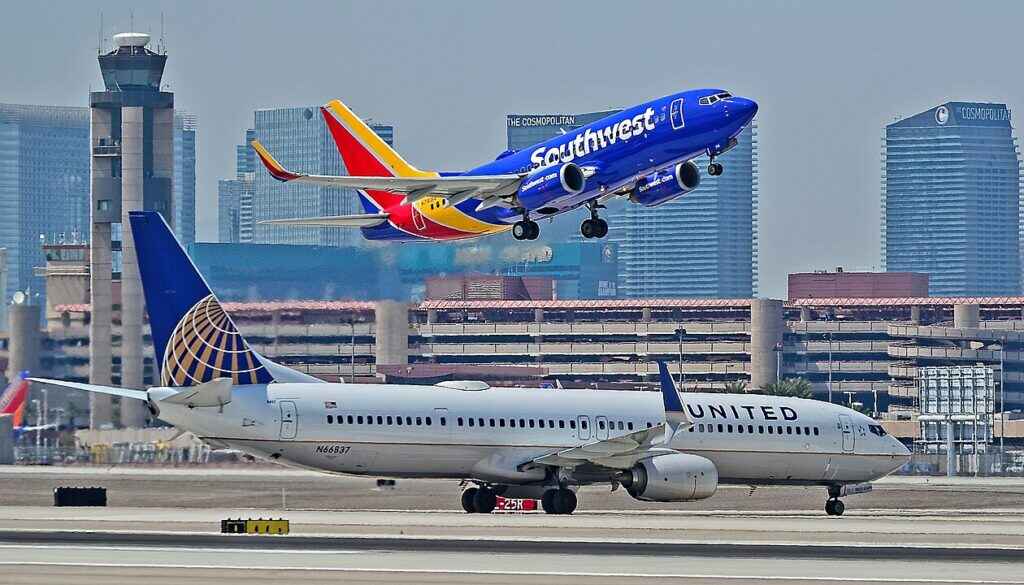
(BOSTON, MASSACHUSETTS) Boston Logan International Airport is seeing a sharp rise in flight cancellations after a Federal Aviation Administration order to reduce capacity at some of the nation’s busiest hubs took effect at the end of last week, deepening stress for travelers with holiday plans already on the calendar.
The FAA reduction—a mandated 10% cut in flights at 40 major airports—began on Friday, November 7, 2025, and is tied to the ongoing federal government shutdown that has left many air traffic controllers unpaid for more than a month. By Monday, November 10, airlines at Logan Airport had canceled dozens of flights across several carriers and time blocks, with more cancellations and rolling delays expected as the week unfolds and schedules are reworked.
Immediate impact at Logan
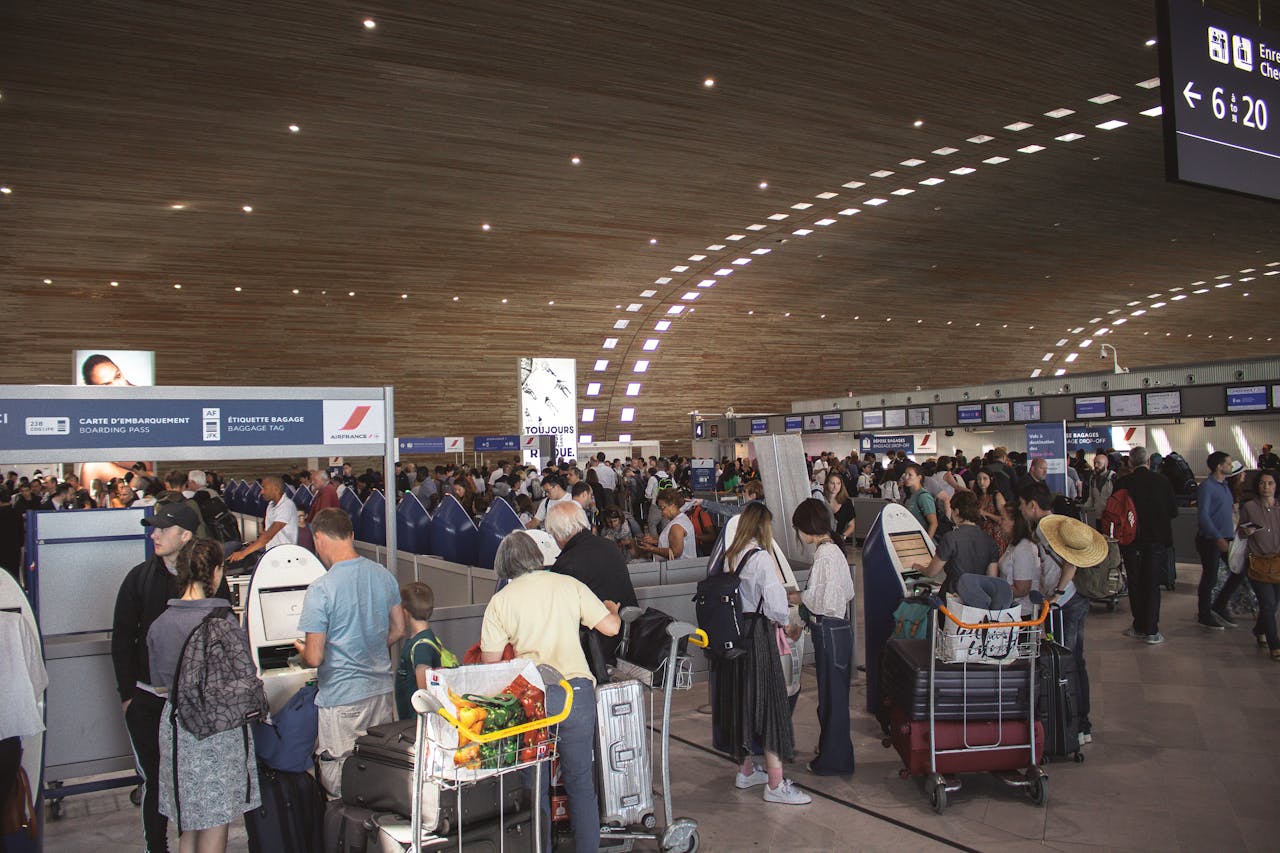
The immediate fallout is playing out at crowded gates and rebooking counters across terminals. Massport, which operates Logan Airport, said the airport is on the FAA’s list for capacity cuts and urged travelers to check directly with their airline before heading to the airport.
Free toolB1/B2 Tourist Visa Stay Calculator onlineAirlines, facing smaller daily slots and staffing limits in the national airspace system, have been proactively canceling certain departures and notifying customers through apps and email. Despite those steps, day-of surprises remain common—especially for families traveling together or passengers relying on tight connections.
Personal stories and financial strain
On Saturday and Sunday, several travelers described last-minute changes that derailed plans and ate into budgets earmarked for the holidays.
- A family interviewed by CBS Boston on November 10 said their flight was canceled an hour after they arrived at the airport; the cost to rebook three people on a new one-way itinerary was $1,800.
- One passenger summed up the frustration: “I feel like we are the victims of what’s going on up in Washington. You both have money. The Democrats and Republicans. You’re playing with all of us.”
These accounts highlight how political standoffs translate into real costs and disrupted travel for individuals.
Airline responses and travel-advice
Airlines say they are trying to minimize disruption by consolidating flights and offering waivers where possible, but the cutback has made backups harder to find.
Travel advisers warn:
- With fewer available seats and uneven schedules, fares on remaining flights can jump quickly.
- Some recommend booking a second “backup” reservation on another airline if a trip is time-sensitive.
- For many travelers, the cost of holding two tickets is prohibitive, leaving a high risk of being stranded when crews and aircraft are tightly scheduled.
Root cause: staffing squeeze in control centers
At the center of the crisis is a staffing squeeze that has rippled through air traffic control centers.
- The FAA reduction order stems from controller shortfalls that federal officials say have worsened during the shutdown, which has delayed pay and stretched already thin rosters.
- U.S. Transportation Secretary Sean Duffy warned on social media on November 6 that “it’s going to be rough heading into the holidays” if the shutdown continues, pointing the finger at Congressional Democrats.
- Massachusetts Senator Ed Markey pushed back: “Trump and MAGA Republicans would rather shut down our air space than agree to protect your health care.”
- Democrats in Washington have framed the impasse around former President Trump’s influence over House Republicans; Republicans have blamed Democrats for refusing to accept spending cuts.
The politics are colliding with travel patterns, and airlines expect to keep trimming schedules as federal directives roll forward.
Timeline and outlook toward Thanksgiving
The timeline is tight and the travel calendar unforgiving.
- The cutbacks started Friday, November 7 and could deepen if the shutdown lingers into late November.
- This period includes one of the busiest travel weeks of the year—Thanksgiving week—so officials warn cancellations and delays could worsen.
VisaVerge.com notes that when capacity limits are imposed across multiple busy hubs, disruptions cascade:
- Short-haul flights get dropped to protect long-haul operations
- Regional connections thin out
- Small weather issues can magnify into system-wide problems
Massport officials say cancellations and delays could worsen as Thanksgiving approaches, with ripple effects from the FAA reduction spilling into the following days as aircraft and crews fall out of place.
Why Logan is particularly exposed
Logan Airport’s scale makes this moment stand out:
- Logan served a record 43 million passengers in 2024
- More than 40 airlines offer routes to over 100 destinations
- On October 9–10, 2024, Logan set a single-day departure record with about 81,000 passengers
The current wave of cancellations is unusually broad for a facility that normally absorbs storms, maintenance delays, and crew issues without multi-day, system-level fallout. Airline managers say when federal constraints remove seats across several hubs at once, even well-run airports like Logan cannot offset the pressure.
Passenger experience and on-the-ground advice
By Monday afternoon, flight boards showed patches of blank space where departures had been scrubbed, often with minimal notice.
Passengers reported:
- Early flights sold out when trying to move up
- Families facing expensive rebookings or overnight stays
- Long standby lists and last-minute seat clearances
Customer service agents repeated common guidance:
- Refresh the airline app often
- Respond quickly to rebooking prompts
- Arrive at the gate early, as standby lists are longer than usual
The problem, as one airline employee put it, “is math”—not enough slots and not enough people to run the system at normal capacity.
Safety rationale and where to check real-time status
Officials stressed the FAA reduction is intended to keep the system safe while controllers are stretched.
For real-time national and local constraints, travelers can check the FAA’s Airport Status Information page, which shows ground stops, delays, and flow programs that may affect Boston and other hubs.
- FAA airport status map: https://www.fly.faa.gov/ois/
This agency resource reflects the daily mix of weather, staffing, and volume controls that influence whether flights can depart on time.
Possibilities for recovery and continued caution
Some in the travel industry hope a budget deal in Washington will reverse the controller pay gap and let the FAA restore capacity before Thanksgiving. Others caution that even if the shutdown ends quickly:
- Crews and aircraft will need time to reposition
- It could be days before the full schedule returns
Airlines are reshaping operations one day at a time. Massport says it is working closely with carriers and federal partners to keep passengers informed.
For now, the guidance to travelers remains:
- Plan for longer lines, tighter connections, and possible overnight delays
- Check early, check often, and build a backup plan where feasible
Human stories underline the strain
As the evening rush built at Logan, the pattern held: a handful of on-time departures, clusters of delays, and a steady drumbeat of cancellations. The scene carried the frustration of people paying more and getting less choice.
- A college student considered moving an exam to avoid missing it.
- A nurse tried to figure out whether she’d make it back before her next shift.
The stories differ, but they share a common bottleneck: fewer flights in and out of Boston because of a federal order, and no quick fix in sight.
For passengers, the message is simple and sobering: check early, check often, and build a backup plan, because the system is still shrinking day by day.
This Article in a Nutshell
A Federal Aviation Administration order cutting flight capacity by 10% at 40 busy U.S. airports, effective November 7, 2025, has led to dozens of cancellations at Boston Logan by November 10. The action stems from a staffing shortfall as air traffic controllers face delayed pay amid a federal shutdown. Travelers face expensive rebookings, long standby lists and rising fares. Airlines and Massport advise checking with carriers frequently; disruptions may worsen through Thanksgiving while crews and planes are repositioned.