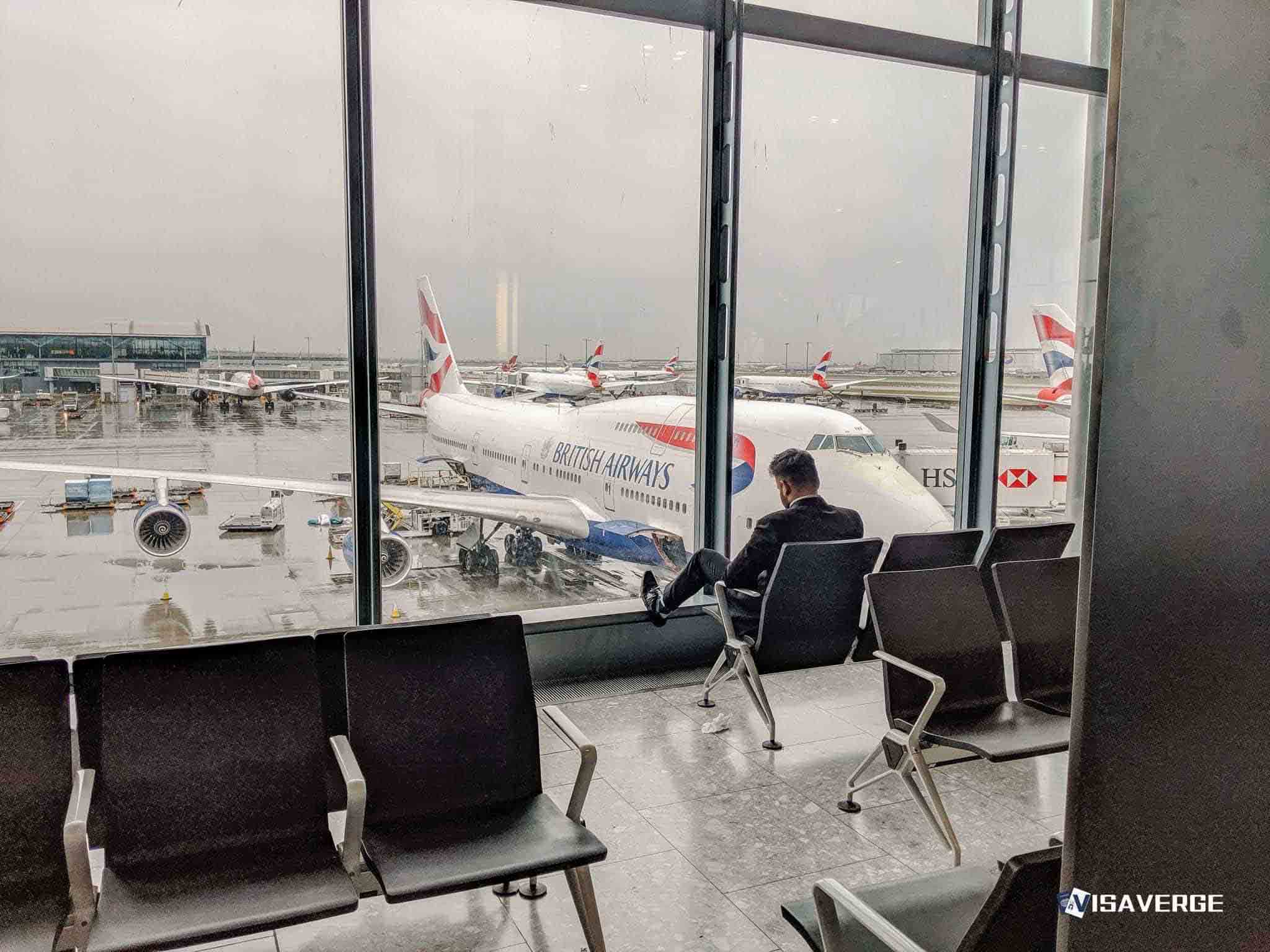
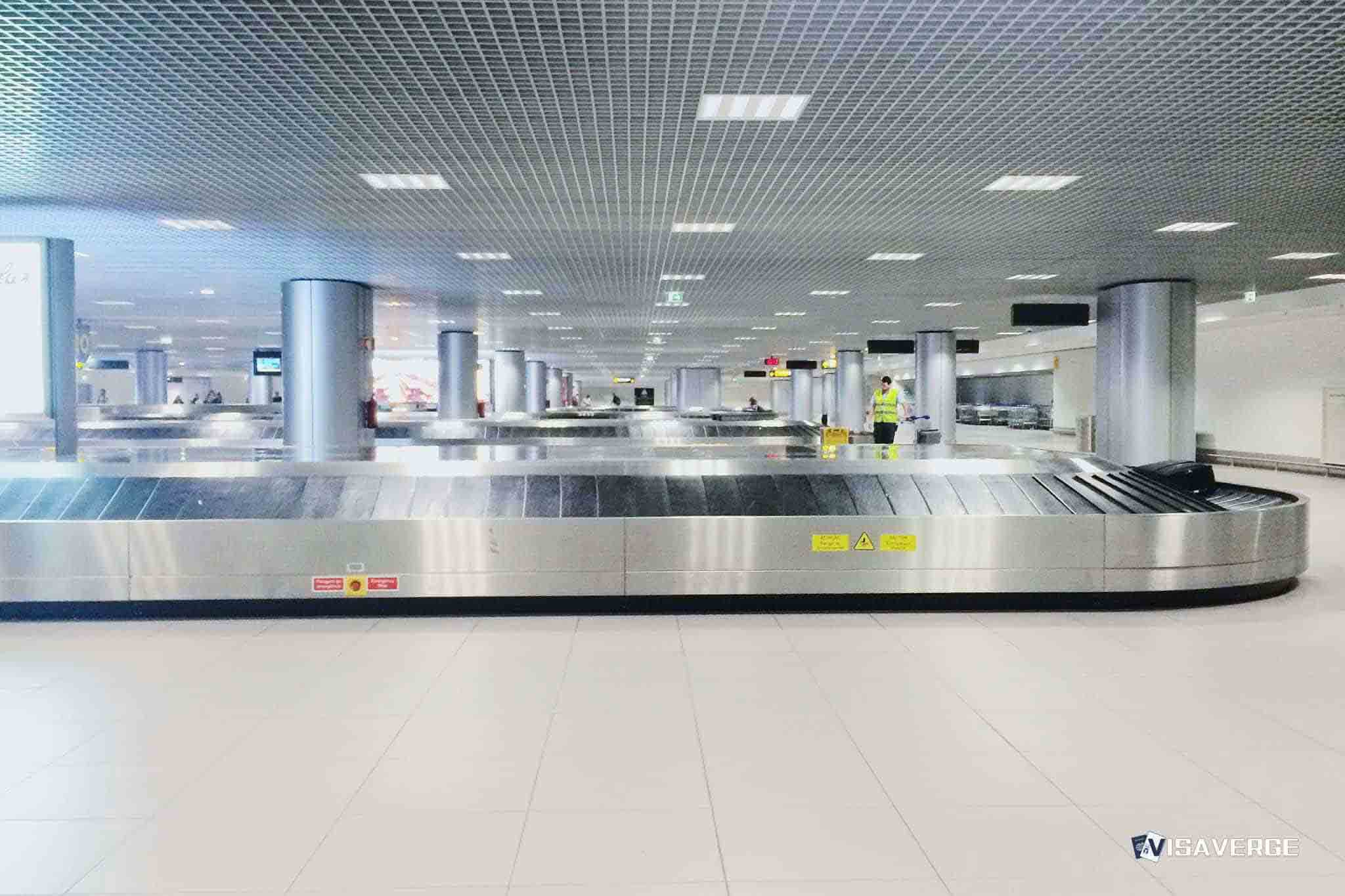
(MIAMI, FLORIDA) As of Monday, November 10, 2025, travelers moving through Miami International Airport are facing another day of delays and flight cancellations after the Federal Aviation Administration began cutting the number of flights allowed to depart and land each hour. The changes follow the ongoing federal government shutdown, which has left many air traffic controllers working long shifts without pay since October 1, and forced the FAA to slow traffic to maintain safety. While the FAA shows Miami’s field status as “NORMAL,” the picture on the ground remains far from smooth.
The numbers tell the story of a week sliding from strain into gridlock. On Saturday, November 8, Miami International Airport recorded 29 cancellations and 90 delays. By Sunday, November 9, the disruption spread across Florida, with more than 420 cancellations and nearly 2,240 delays statewide. On Monday, November 10, the airport logged over 400 total delays, a sign that schedules remain unstable and subject to sudden change throughout the day. Similar patterns are hitting Orlando, Fort Lauderdale, and Tampa, where staffing issues and the spread of bottlenecks between airports are feeding off each other.
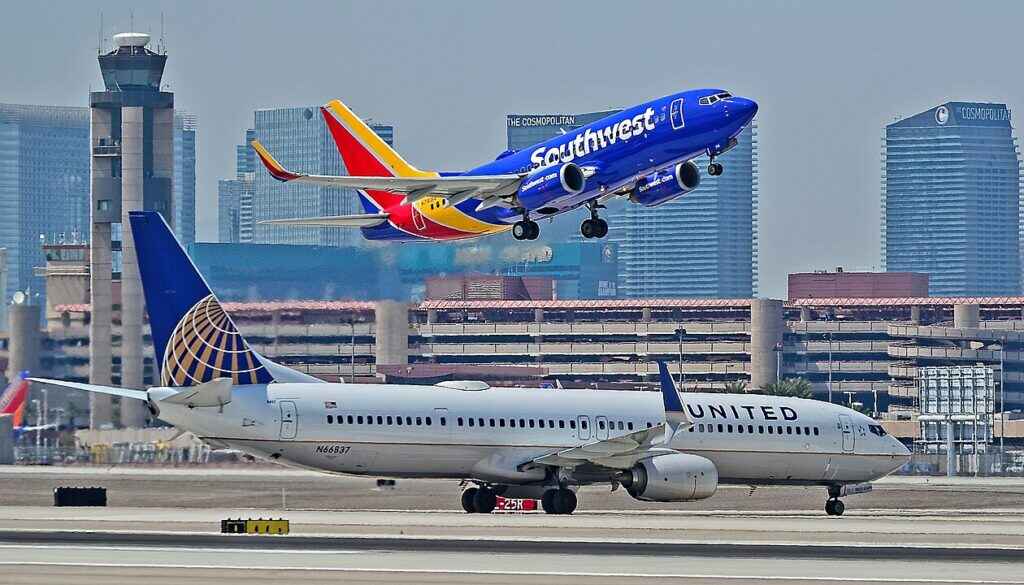
The FAA began 4% flight cuts at 40 major airports on November 7, part of a rolling plan to reduce traffic loads as the shutdown drags on. Those FAA capacity reductions are scheduled to deepen to 6% on November 11, 8% on November 13, and 10% on November 14. Transportation Secretary Sean Duffy has warned the cuts could rise to 15% or even 20% if the shutdown continues, a move that would ripple through airline schedules nationwide and hit peak hours the hardest at Miami International Airport. Even with the FAA listing the field as open, gate holds and taxi delays of up to 15 minutes have become common, often compounding into missed connections and rolled-over departures.
Free toolB1/B2 Tourist Visa Stay Calculator onlineFor travelers at Miami International Airport, this means uncertainty from check-in to boarding. Airlines are reworking schedules with little notice, and crews are timing out when flights push past legal duty limits. A flight that looks on time at breakfast can slip into a late afternoon departure by lunch. According to analysis by VisaVerge.com, the cumulative impact of repeated short delays has the same effect on a daily timetable as a storm, only spread across more hours and harder to predict. Passengers who count on quick turns at hubs now face an uneven flow of aircraft and crews that makes tight connections risky.
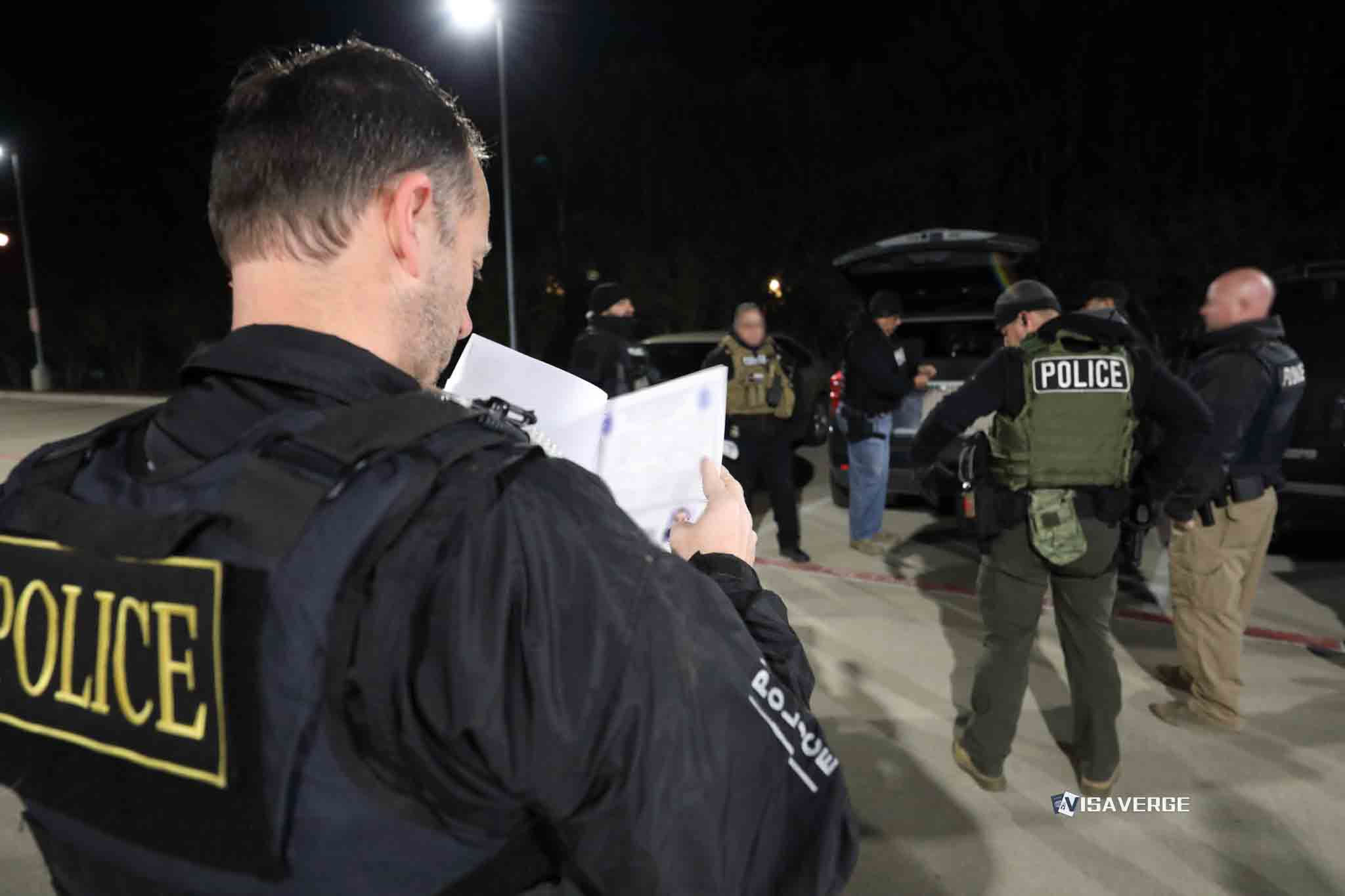
Behind the scenes, the issue centers on people rather than planes. Air traffic controllers at facilities serving South Florida have stayed on the job without pay since the shutdown began, covering overtime and training gaps to keep critical routes moving. To reduce the load on control rooms and tower teams, the FAA has opted to slow the system, allowing fewer flights into constrained airspace at any one time. That choice protects safety standards, but it also pushes delays forward through the day and across the network, so a hold in one region can create gaps and logjams in another.
Local officials are voicing concern about the broader effects on the region’s economy. Miami-Dade Mayor Daniella Levine Cava has pointed to the tight link between air service and South Florida’s tourism and trade sector, where even modest schedule shifts can snarl ground transportation, hotel check-ins, cargo delivery windows, and cruise embarkations. The weekend wave of flight cancellations forced some travelers to extend hotel stays, while others tried to rebook through Orlando or Tampa, only to find those airports facing the same capacity limits.
Airlines are urging passengers to use apps and SMS alerts rather than wait at customer service counters, a step that helps teams in the terminal handle those who need face-to-face assistance. Carriers say they are prioritizing rebooking for those who miss connections due to same-day operational changes. But with cuts rising from 4% to 10% this week, and possible 15–20% caps ahead, seats on alternate flights are getting harder to find during peak times, especially on routes with limited frequency. Families and older travelers at Miami International Airport describe long waits and sudden gate changes, while business travelers report pushing meetings or moving to video calls when their flights stall.
The FAA’s system advisories continue to frame Miami’s conditions as manageable, but officials acknowledge the day-to-day picture can turn quickly when traffic bunches during morning and evening peaks. The agency directs travelers and aviation watchers to the FAA Air Traffic Control Status page for real-time information on delay programs and ground stops, where Miami’s “NORMAL” field label can still come with notes about minor gate holds or taxi times. The lags of up to 15 minutes cited for Miami might sound small, but repeated over dozens of departures, they begin to bend an entire day’s schedule out of shape.
Airport staff say they are adjusting operations to reduce pinch points. More agents are being moved to morning and late-day waves to handle surge crowds, and the airport is working with airlines to smooth boarding and deplaning to keep gates turning. Baggage teams are also shifting shifts to match irregular arrival banks. But with the root cause tied to controller staffing and the budget standoff, local fixes can only go so far. Cargo operators that rely on tight handoffs are reporting longer ground times, raising worries about perishables and time-sensitive shipments that pass through Miami’s freight operations.
Travelers can take small steps to reduce stress, though none are perfect solutions. Early flights tend to face fewer knock-on delays, and carry-on baggage gives more flexibility if last-minute rebooking becomes necessary. Checking airline apps before leaving for the airport helps avoid unnecessary waits at the curb or security. Even so, a steady pattern of FAA capacity reductions can upend the best-laid plans, and Miami International Airport is bracing for a busy holiday period if the shutdown is not resolved.
As the week moves toward deeper cuts on November 11, November 13, and November 14, airlines and airport officials say they will keep updating operations and sharing changes in real time. Passenger advocates argue that clear, early communication remains the most helpful tool when flight cancellations spread, allowing travelers to make choices before options disappear. Miami’s terminals are likely to see more day-of adjustments, and while some flights will run close to schedule, others will see creeping delays that push departures into later banks.
For now, the question is less about weather or aircraft than about people and policy. With controllers still unpaid and working long hours, the FAA’s decision to slow the system aims to protect safety in the sky, even if it means longer lines on the ground. If the shutdown lifts, officials say traffic could return to normal patterns within days. If it doesn’t, Miami International Airport and its passengers may face a longer stretch of rolling delays and growing queues as the flight cuts deepen through the week. For official system updates, travelers can check the FAA Air Traffic Control Status, and then confirm details with their airline before heading to the airport.
This Article in a Nutshell
Miami International Airport experienced significant disruptions as the FAA implemented flight caps due to an ongoing federal shutdown that has left air traffic controllers unpaid since October 1. The FAA began 4% reductions Nov 7 at 40 major airports, escalating to 6%, 8% and 10% across the week, with possible 15–20% cuts if the shutdown continues. Miami logged dozens of cancellations and hundreds of delays, with gate holds and taxi delays up to 15 minutes. Airlines advise using apps for real-time updates while local officials warn of economic impacts and holiday travel risks.