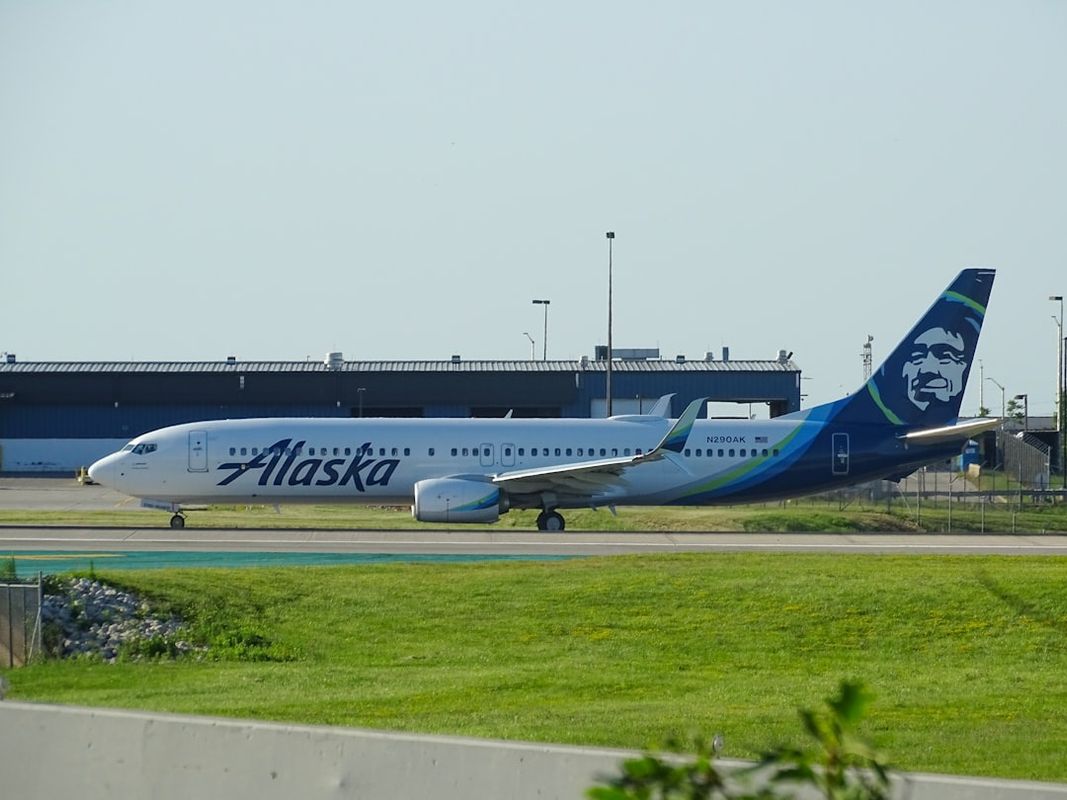
- Alaska Airlines will launch direct European flights from Seattle to Rome, London, and Reykjavik starting in spring 2026.
- The expansion utilizes Boeing 787-9 Dreamliners and 737 MAX 8 aircraft following the Hawaiian Airlines acquisition.
- This strategic move aims to transform Seattle-Tacoma into a major global hub with twelve intercontinental destinations by 2030.
(SEATTLE, WASHINGTON) — Alaska Airlines will launch its first direct flights to Europe from Seattle in spring 2026, adding service to Rome, London Heathrow, and Reykjavik (Keflavik) as the carrier pushes deeper into long-haul international travel.
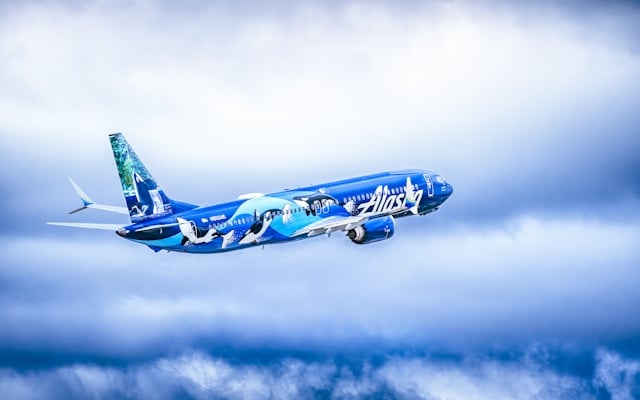
The airline set April 28, 2026 for daily summer seasonal flights to Rome, May 21, 2026 for daily year-round flights to London Heathrow, and May 28 to September 8, 2026 for daily summer seasonal flights to Reykjavik (Keflavik). Alaska said it will operate the Rome and London routes on Boeing 787-9 Dreamliners and the Reykjavik route on Boeing 737 MAX 8 aircraft.
Tickets for the three routes are already on sale. London Heathrow fares start from $699 roundtrip, while Alaska has opened bookings for Rome and Reykjavik as well.
Seattle Expansion and Fleet Growth
The move marks Alaska’s first direct Europe service from Seattle and expands a broader plan to turn Seattle-Tacoma International Airport into a global hub. The airline said the push would position SEA for “at least 12 intercontinental destinations” by 2030.
Alaska built that expansion on its September 2024 $1.9 billion acquisition of Hawaiian Airlines, which added 25 Airbus A330-200s and Boeing 787-9 Dreamliners to its fleet. The deal also brought experience from Hawaiian’s transpacific operations, giving Alaska the aircraft and operating base needed for longer overseas routes.
By spring 2026, all 787-9s will carry Alaska’s refreshed livery, which the airline said evokes the northern lights. The aurora borealis-inspired design will debut on 787-9s in January 2026.
Rome, London Heathrow, and Reykjavik Service
Rome will start as a daily summer seasonal route from Seattle to FCO on a 300-seat Boeing 787-9. Alaska had previously planned four weekly flights, but raised that to daily service because of demand.
London Heathrow will also use a 300-seat Boeing 787-9, configured with 34 lie-flat business-class suites, 79 premium-economy seats, and 187 economy seats. Alaska said the route serves a market of 400 daily passengers and will run year-round.
For travelers booking the London route, Alaska published a sample schedule showing departures from Seattle at 9:40 p.m. and arrivals at 3:05 p.m. the next day. Return flights leave at 5:00 p.m. and arrive back in Seattle at 6:50 p.m.
Reykjavik will run daily from May 28 to September 8, 2026 on a Boeing 737 MAX 8 configured with 12 first-class recliners, 30 premium-class seats, and 115 economy seats. Alaska said the narrowbody aircraft suits the 3,622-mile route and opens onward access into Europe through its Icelandair partnership.
That partnership gives customers connections to 35+ European cities on a single ticket. Alaska also said the Rome and London routes tie into wider alliance links, with London feeding British Airways connections and Rome linking onward into Italy.
Testing Long-Haul Operations in Asia
Before starting Europe flights, Alaska tested its long-haul operation in Asia. The airline launched nonstop Seattle-Tokyo service in May 2025 and plans to start Seattle-Seoul service on September 12, 2025.
Those Asia flights, which run about 10 hours, let Alaska refine crew scheduling, logistics and premium service before the European launch. The airline said those lessons will carry over to Rome and London, where the 787-9 gives it a more fuel-efficient long-haul aircraft.
“Alaska Accelerate” Strategy
Alaska has framed the strategy under the name “Alaska Accelerate,” a plan that aims to turn Seattle into a larger international gateway and generate over $1.5 billion in annual revenue from 12 new routes by 2030. The Europe flights form the centerpiece of that push.
For Seattle, the additions strengthen the airport’s role in international travel at a time when Alaska says SEA will support more than 60 international services by 2026. The carrier also pointed to lounge expansions and more premium seating as part of that growth.
Market Positioning and Traveler Benefits
On the Rome route, Alaska is targeting summer demand to one of Europe’s busiest leisure destinations. On London Heathrow, the airline is entering a year-round business and leisure market with a premium-heavy cabin and access to one of the world’s busiest long-haul hubs.
Reykjavik plays a different role. Alaska is marketing the Iceland route both as a destination and as a gateway, using Icelandair’s network to offer one-stop service deeper into Europe.
The carrier said customers on premium bookings will have Alaska Lounge access, while Mileage Plan members will be able to earn and redeem miles on the new flights. Alaska also said Gold, Platinum and Titanium members, along with first-class passengers, will have lounge access and other elite benefits tied to the expansion.
On the 737 MAX 8 flights to Reykjavik, Alaska plans refreshed first-class dining and complimentary premium snacks on flights over 670 miles. On the 787-9 services to Rome and London Heathrow, it is highlighting lie-flat suites and a more international premium-cabin product.
The airline’s choice of aircraft reflects the different economics of the three markets. Rome and London will rely on widebody service with 300 seats, while Reykjavik will use a smaller jet for what Alaska described as a gateway route rather than a luxury-heavy long-haul service.
For passengers in the Pacific Northwest, the routes remove the need to connect through San Francisco, Los Angeles or East Coast hubs to reach Europe. That shortens travel times for business trips, vacations and family visits, and it gives Seattle nonstop access to three European points with different roles in the network.
London Heathrow gives Alaska a foothold at a large global hub. Rome brings a summer-focused Mediterranean route that Alaska said has already shown enough demand to warrant daily service. Reykjavik adds a northern Atlantic option that can link travelers onward across Europe.
Competition, Approvals, and Broader Ambitions
The competitive pressure is clear. Delta, United and British Airways already operate multiple daily transatlantic flights and hold wide networks and airport slots at major European gateways, including Heathrow. Alaska said it would counter with competitive pricing, premium cabins and Seattle’s relative ease compared with more congested East Coast airports.
Landing rights and other regulatory hurdles had also been part of the process, but approvals are secured. With that in place, Alaska has shifted from planning to execution, selling seats and preparing aircraft.
The airline’s expansion comes as transatlantic travel continues to recover and as carriers try to capture both premium and leisure demand. Alaska is also joining a wider pattern of regional airlines pushing farther into global markets.
For travelers with immigration or visa-related trips, nonstop service can cut hours from itineraries to Europe. Alaska said direct flights can help people making family visits, attending visa interviews, relocating for work or study, or traveling for family reunification.
The airline pointed to business hubs such as London and cultural centers such as Rome, and said Reykjavik can serve as a Schengen-area gateway. Alaska also said fewer layovers can reduce fatigue for long-haul travelers dealing with appointments or time-sensitive travel.
That practical benefit sits beside a broader commercial goal. By extending beyond its traditional West Coast and short-haul international base, Alaska is trying to narrow the gap with larger U.S. carriers that built broader long-haul networks years ago.
Alaska’s roots go back to the 1930s, when it began as McGee Airways. For decades it built loyalty on West Coast routes and service into Canada, Mexico and shorter international markets, but it did not match the long-haul scale of larger rivals until the Hawaiian transaction changed its fleet and reach.
The Europe launch gives the clearest sign yet of how quickly that shift is moving. Within less than two years of the Hawaiian deal, Alaska has lined up Asia services, repainted aircraft and put three European routes on sale.
London Heathrow may prove the most closely watched route because it combines a year-round schedule, a premium-heavy cabin and one of the most competitive city pairs in international aviation. Alaska said the market already sees 400 daily Seattle passengers, giving the route a deep pool of local demand.
Rome carries a different profile but also strong early momentum. Alaska moved from four weekly flights to daily summer service before launch, a sign that bookings or expected demand supported a bigger schedule.
Reykjavik may draw the most attention for its aircraft choice. The Boeing 737 MAX 8 will operate a route lasting more than seven hours, but Alaska said the aircraft fits the market and helps connect Seattle passengers to Icelandair’s broader European network.
By the time the first 787-9 departs for Rome on April 28, 2026, Alaska will have spent months using Tokyo and Seoul to sharpen its long-haul playbook and weeks showing off its new international branding. With London Heathrow following on May 21, 2026 and Reykjavik (Keflavik) on May 28, 2026, the airline is moving from a West Coast staple into a transatlantic carrier with Seattle at the center.