


- Japan has established five centralised Visa Application Centres across the Philippines to streamline processing times.
- Short-term visa applicants must book online appointments through VFS Global, replacing the previous agency-based submission system.
- Processing times have dropped significantly to 14 days or less, supported by new eVisa and digital options.
(PHILIPPINES) Japan’s five Visa Application Centres in the Philippines have turned a slow, agency-based system into a centralised process run by VFS Service Philippines Inc, and the change has already shortened waits for thousands of applicants. Since April 7, 2025, Filipino travellers have submitted most short-term visa requests directly through the Japan Visa Application Centres, with appointments, biometrics, and passport collection now handled through one channel.
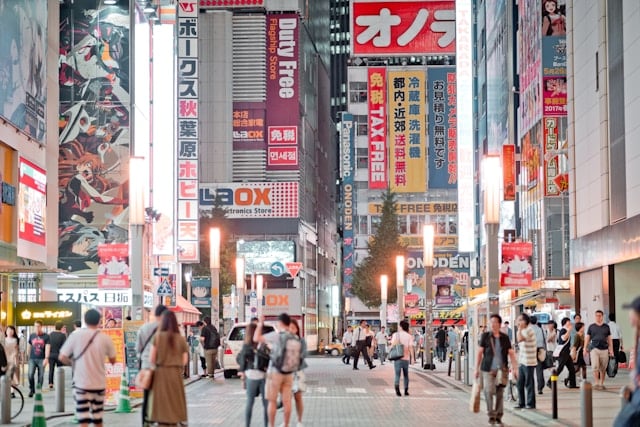
The shift matters because Philippines-Japan travel has grown fast. Japan received 818,700 Filipino visitors in 2024, a 31.6% rise from the year before, and total visits reached 950,000 in 2025. Visa demand pushed the old system to its limit. The Embassy of Japan in Manila was already advising applicants in January 2025 to file two months early.
A faster route for tourist, business, and family visits
The Japan Visa Application Centres now handle tourist, business, visit, conference, seminar, and medical stay visas for Philippine citizens and foreign nationals living in the Philippines. Minors, families, and groups may apply together when their documents are complete. Diplomatic and official passport holders still deal directly with the Embassy, and urgent humanitarian cases, including medical emergencies, are handled by the Embassy in Manila or the Consulates in Cebu and Davao.
Free toolI-94 Expiration Calculator OnlineOne major change took effect on April 7, 2025: accredited travel agencies stopped accepting new visa submissions after April 6. Agencies only returned passports for cases filed before the cutoff. That move ended a system that often created confusion and uneven wait times.
According to analysis by VisaVerge.com, the centralised model has become a practical example of how a high-volume visa system can improve when one operator controls appointments, intake, and status tracking.
Where applicants go now
The five centres sit in major cities to reduce travel time for applicants outside Metro Manila:
- Makati City: Ground Floor, Makati Circuit Corporate Center Tower Two, AP Reyes St., Barangay Carmona. Submission hours: 7:00 AM to 2:00 PM.
- Parañaque City: Level 3, Parqal Mall, Building 5, Diokno Avenue corner Macapagal Boulevard. Submission hours: 7:00 AM to 2:00 PM.
- Quezon City: Level 3, Gateway Tower Mall, Araneta City. Submission hours: 7:00 AM to 2:00 PM.
- Cebu City: Faustina Center, Level 6, F. Cabahug Street, Barangay Kasambagan. Submission hours: 7:00 AM to 12:00 NN.
- Davao City: Unit FEG 9-10, 2nd Floor, Alfresco Area, Felcris Centrale, Quimpo Blvd. Submission hours: 7:00 AM to 12:00 NN.
All centres operate Monday to Friday from 7:00 AM to 4:00 PM for passport collection, which runs until closing time. VFS extended Cebu and Davao by 30 minutes on select peak Mondays starting in January 2026. That change helped ease pressure in the busiest weeks. No location changes have been announced in 2026.
For provincial applicants, Cebu and Davao matter most. They cut the need for long Manila trips and make the process easier for families, workers, and students who live far from the capital.
Booking the appointment
Applicants must book online. The appointment system opened on March 19, 2025, and slots remain available 60 days in advance through the VFS Global Japan visa portal or the Japan Visa app. No walk-ins are accepted.
The process now runs in five clear steps:
- Book the slot online and choose the nearest JVAC, visa type, and preferred time.
- Prepare the documents and upload scans if the system asks for them.
- Attend the appointment with originals and arrive 15 minutes early.
- Track the case through the VFS portal or SMS alerts.
- Collect the passport in person or by courier, if that option is chosen.
Peak periods, especially March to May and October to December, fill fast. Applicants are advised to book 4 to 6 weeks ahead. VFS says AI-powered slot matching, introduced in 2026, reduced no-shows by 20%. Cancellations need 48-hour notice, and no-shows carry a PHP 260 penalty fee.
Documents, fees, and the new digital options
The standard checklist is strict. Applicants need a passport valid for at least 6 months with 2 blank pages, a completed visa form, a recent 4.5×4.5 cm photo, proof of travel, and financial documents. Typical proof includes bank statements for 3 to 6 months, with a PHP 100,000+ balance, plus an ITR, sponsor guarantee letter, employment certificate, or school certificate. Depending on the visa, applicants may also need a marriage or birth certificate, a detailed itinerary, leave approval, an invitation letter, or a host’s guarantee.
The application form is available on the official Japan visa page at the Embassy of Japan in Manila, and official visa guidance is also published on the Japanese Ministry of Foreign Affairs visa information page.
Since November 2025, supporting documents may be submitted digitally. That has sped up verification. Starting February 1, 2026, priority slots were added for eVisa-eligible tourist applicants staying up to 90 days. First-time eVisa users still need JVAC biometrics. For eligible travellers, the digital route avoids physical submission for the main file.
Fees have stayed unchanged in 2026. The visa fee is PHP 800–1,600, depending on entry type, while the VFS service fee is PHP 520 per application. Optional services include courier delivery for PHP 250–500, SMS alerts for PHP 50, and a premium lounge for PHP 300. Payment is accepted by credit or debit card, GCash, or cash on site. Refused applications are not refunded.
Processing time and refusal rules
Standard processing takes 5 to 7 working days for tourist and business cases. Peak or more complex files take 10 to 14 days. eVisa cases are processed in 4 working days when the applicant qualifies.
Applicants must attend in person. No proxies are allowed. Masks are optional, temperature checks remain in place, and each applicant may bring up to 2 companions. COVID-era health documents were dropped in January 2026. VFS also applies Japan’s data privacy rules to applicant records.
The Embassy’s rules are firm on refusals and overstays. There is no appeal after a refusal, and applicants must wait 6 months before reapplying. Overstaying in Japan carries a 5-year re-entry ban.
What the new system means for travellers
The biggest practical change is shorter waiting time. After launch, average waits fell from 45 days to 14 days. VFS links that improvement to centralised intake and better queue control. For tourists, that means easier family trips and better planning for cherry blossom season. For business travellers, faster multiple-entry approvals support trade between the Philippines and Japan, which reached USD 20B in 2025. For families, the system has made visit visas easier for relatives of overseas Filipino workers.
The centres handled more than 10,000 applications monthly by March 2026, and eVisa integration added 15,000 digital applications monthly in February 2026. That volume shows how fast Philippines-Japan travel is expanding and why the old agency model no longer fit demand.
Travellers are still told to watch for typhoon closures and check official announcements before leaving home. The Japan Visa Application Centres remain the main route for short-term travel, and their reach has made the application process clearer for applicants across the country.


thank you very much for this good news !!!