- Belarus and Ghana signed bilateral agreements focused on trade, agriculture, and diplomatic cooperation in Minsk.
- Diplomatic and official passport holders gain visa-free travel for up to 90 days per calendar year.
- A Joint Committee on Trade and a memorandum on agriculture aim to boost economic ties and food security.
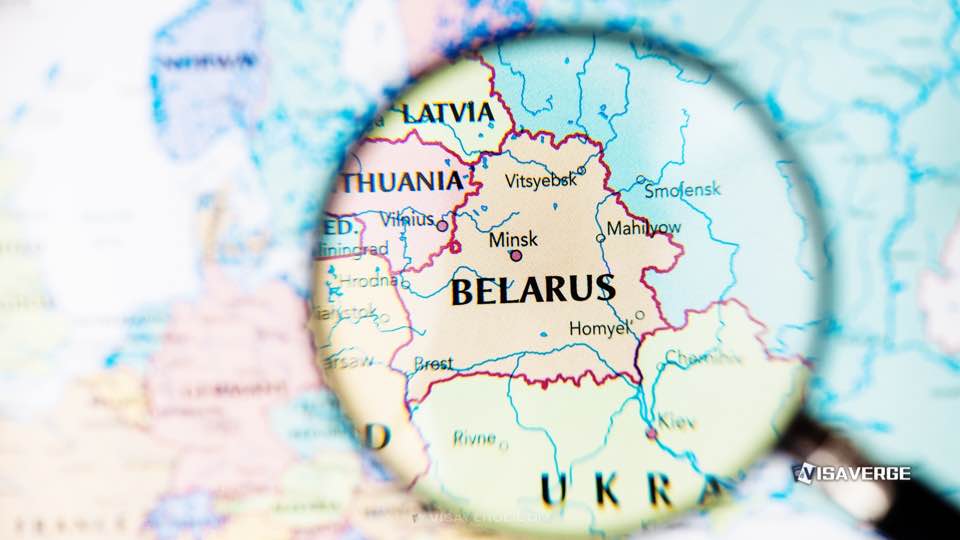
(MINSK, BELARUS) — Belarus and Ghana signed a package of bilateral agreements in Minsk on June 8, 2026, creating a Joint Committee on trade and economic cooperation, approving Visa-Free Travel for Diplomats, and setting out new plans for agricultural and business ties.
The documents were signed during the state visit of Ghanaian President John Dramani Mahama and in the presence of President Aleksandr Lukashenko and Mahama. Belarus said the package aimed to deepen economic, diplomatic, and agricultural cooperation.
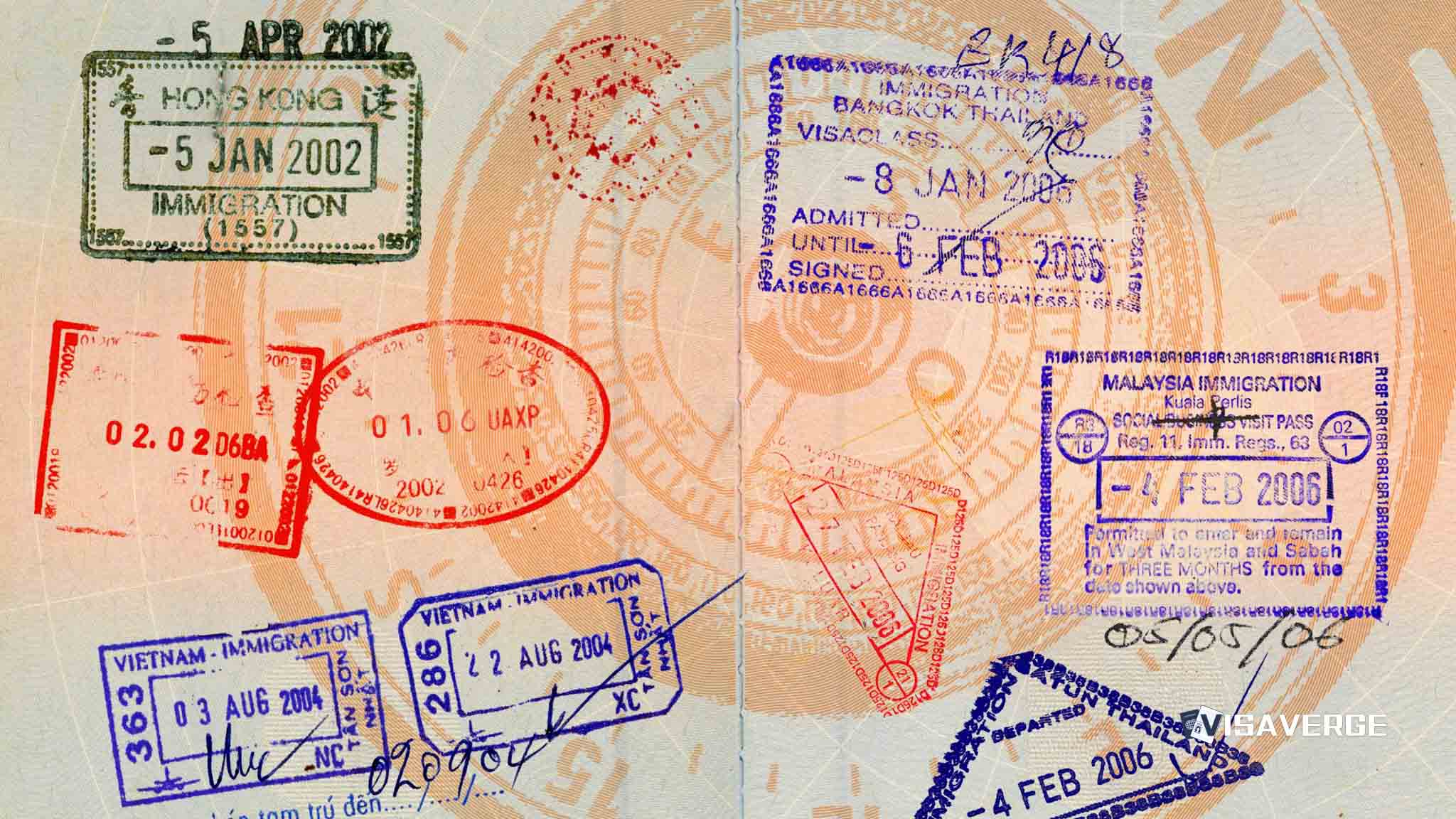
One agreement grants visa-free entry, stay, and transit to holders of diplomatic and service, official, passports from the two countries. Each stay is capped at 30 days per entry and no more than 90 days within a calendar year.
Another agreement establishes a permanent intergovernmental body, the Joint Committee on Trade and Economic Cooperation. It is intended to coordinate trade ties, investment, and industrial partnerships between Minsk and Accra.
A separate memorandum on agriculture focuses on food security, agricultural mechanization, and modern farming technologies. The package also includes cooperation on Belarusian tractor exports, a point that ties the diplomatic agreements to practical trade goals.
Business groups from both countries also signed an agreement. The Belarusian Chamber of Commerce and Industry and the Ghana National Chamber of Commerce and Industry said the arrangement would support business-to-business engagement.
Lukashenko cast the signing as a broader opening in relations. “Today we are opening a new chapter in our cooperation. The negotiations that have taken place confirmed that there is strong potential for the future in trade and economic relations, in strengthening food security, and in humanitarian areas such as education and healthcare.”
Mahama framed the visit in wider geopolitical terms. “Africa is now rising again. This is a very different Africa. While relations between African countries and Western nations were once shaped by colonialism, today we are developing our relations on an equal footing and solely on the basis of our own interests.”
The travel accord narrows its scope to official state representatives rather than the general public. It simplifies movement for diplomats and officials between the two countries at a time when the opening of embassies remains under discussion.
That change stands in contrast to measures affecting Belarusian and Ghanaian nationals in the United States. Both countries are covered by U.S. immigration restrictions introduced in late 2025 and early 2026.
On December 2, 2025, USCIS Director Joseph B. Edlow issued Policy Memorandum PM-602-0192, titled “Hold and Review of all Pending Asylum Applications and all USCIS Benefit Applications Filed by Aliens from High-Risk Countries.” The memorandum said: “Effective immediately, this memorandum directs USCIS personnel to: Place a hold on all Forms I-589. regardless of the alien’s country of nationality. [and] Place a hold on pending benefit requests for aliens from countries listed in Presidential Proclamation 10949.”
Belarus and Ghana were later included in the expanded list of high-risk countries. That put applicants from both nations under the hold for pending benefit requests described in the memorandum.
The State Department added another restriction on January 14, 2026, announcing an indefinite hold on immigrant visa processing for nationals of 75 countries, including Belarus and Ghana. The hold took effect on January 21, 2026.
The stated reason was a reassessment of public charge provisions. U.S. authorities said the pause was intended to ensure new immigrants do not rely on public benefits.
Those measures affect more than immigrant visa applicants abroad. Citizens of Belarus and Ghana who are in the United States or seeking to immigrate face an “indefinite hold” on final adjudications for adjustment of status, employment authorization, naturalization, and immigrant visas, including family-sponsored and employer-sponsored cases.
Temporary travel remains on a different track. Non-immigrant visas such as B-1/B-2 tourist visas and F-1 student visas may still be issued, though applicants may face enhanced vetting.
The Belarus-Ghana package therefore reaches beyond ceremonial diplomacy. It creates easier official travel between the two governments while many ordinary applicants from both countries face longer waits and added scrutiny in the U.S. immigration system.
Ghana’s interest in the agreements is tied to its search for industrial technology and agricultural equipment, including machinery for the Feed Ghana initiative. Belarus, facing Western sanctions, has pursued African markets for machinery and fertilizers and has framed the outreach as part of a wider turn toward the continent.
Trade and agriculture sit at the center of that effort. The Joint Committee gives the two governments a permanent channel to develop investment and industrial projects, while the agriculture memorandum links food production goals to Belarusian manufacturing capacity.
The business chamber agreement adds a commercial layer beneath the state-to-state framework. If companies act on the document, contacts between exporters, importers, and manufacturers in both countries could move alongside the official political relationship.
Belarus had already taken steps before Monday’s signing. Decree No. 181, dated June 4, 2026, appears in the official record cited by Belarus as part of the legal backdrop to the visit and the bilateral package.
The package signed in Minsk brings those strands together: diplomatic access through Visa-Free Travel for Diplomats, a standing Joint Committee for trade policy, an agriculture memorandum built around food security and mechanization, and direct chamber-to-chamber cooperation for private business. In Mahama’s words, the relationship is being developed “on an equal footing and solely on the basis of our own interests.”
{ “@context”: “https://schema.org”, “@type”: “DefinedTermSet”, “name”: “Immigration Terminology”, “hasDefinedTerm”: [ { “@type”: “DefinedTerm”, “name”: “Joint Committee”, “description”: “An intergovernmental body established to coordinate trade, investment, and industrial partnerships between two nations.” }, { “@type”: “DefinedTerm”, “name”: “Visa-Free Travel”, “description”: “An agreement allowing citizens or specific passport holders to enter a country without a visa for a limited time.” }, { “@type”: “DefinedTerm”, “name”: “Agricultural Mechanization”, “description”: “The process of using agricultural machinery to mechanize the work of agriculture, greatly increasing farm worker productivity.” }, { “@type”: “DefinedTerm”, “name”: “Public Charge”, “description”: “A term used by U.S. immigration officials to describe someone who is primarily dependent on the government for subsistence.” } ] }