- Florida’s Board of Education postponed a final vote on blocking undocumented students until June 30, 2026.
- Proposed rules require clear and convincing documentation of citizenship or lawful presence for college enrollment.
- State colleges could lose $15 million annually in tuition revenue if the new restrictions are implemented.
(FLORIDA) – The Florida Department of Education is advancing proposed rules that would require applicants to show proof of citizenship or lawful immigration status before they can enroll in any of the state’s 28 public colleges or in adult education programs, a change that would shut undocumented students out of the Florida College System if the rules take effect.
A public hearing took place on May 14, 2026, and the Florida Board of Education postponed its final vote from May 15 to June 30, 2026. The proposals are listed as rules 6A-10.0240 for the Florida College System and 6A-6.014 for Adult General Education.

Under the draft language, colleges would have to verify that admitted students are U.S. citizens or are lawfully present in the country. Adult General Education programs, including GED preparation, would bar undocumented immigrants from enrolling.
The rules set a high evidentiary bar. Applicants would need to provide “clear and convincing documentation” of status, defined in the proposal as evidence that is “credible, precise, and compelling.” That standard would govern how institutions review proof of citizenship and other immigration records for admission decisions.
The move follows a failed legislative effort earlier this year. In early 2026, the Florida Senate removed admission-ban language from House Bill 1279, and the Florida Department of Education then pursued the restriction through administrative rulemaking instead.
State lawmakers had already tightened access in 2025, when Florida repealed in-state tuition eligibility for undocumented students. The new proposals go further by tying initial admission itself to immigration verification across the Florida College System and adult education programs.
Federal immigration policy has shifted at the same time, affecting many of the same student populations. On May 22, 2026, USCIS announced Policy Memorandum PM-602-0199, which requires most nonimmigrants, including students, to leave the United States and use consular processing abroad if they want to apply for green cards.
“We’re returning to the original intent of the law to ensure aliens navigate our nation’s immigration system properly. From now on, an alien who is in the U.S. temporarily and wants a Green Card must return to their home country to apply, except in extraordinary circumstances. Nonimmigrants, like students, temporary workers, or people on tourist visas, come to the U.S. for a short time and for a specific purpose. Our system is designed for them to leave when their visit is over. Their visit should not function as the first step in the Green Card process,” USCIS Spokesman Zach Kahler said on May 22, 2026.
Earlier, on May 1, 2026, Kahler addressed longer wait times affecting Dreamers and pointed to tighter screening. “Under the leadership of President Trump, USCIS is safeguarding the American people by more thoroughly screening and vetting all aliens, which can lengthen processing times,” he said.
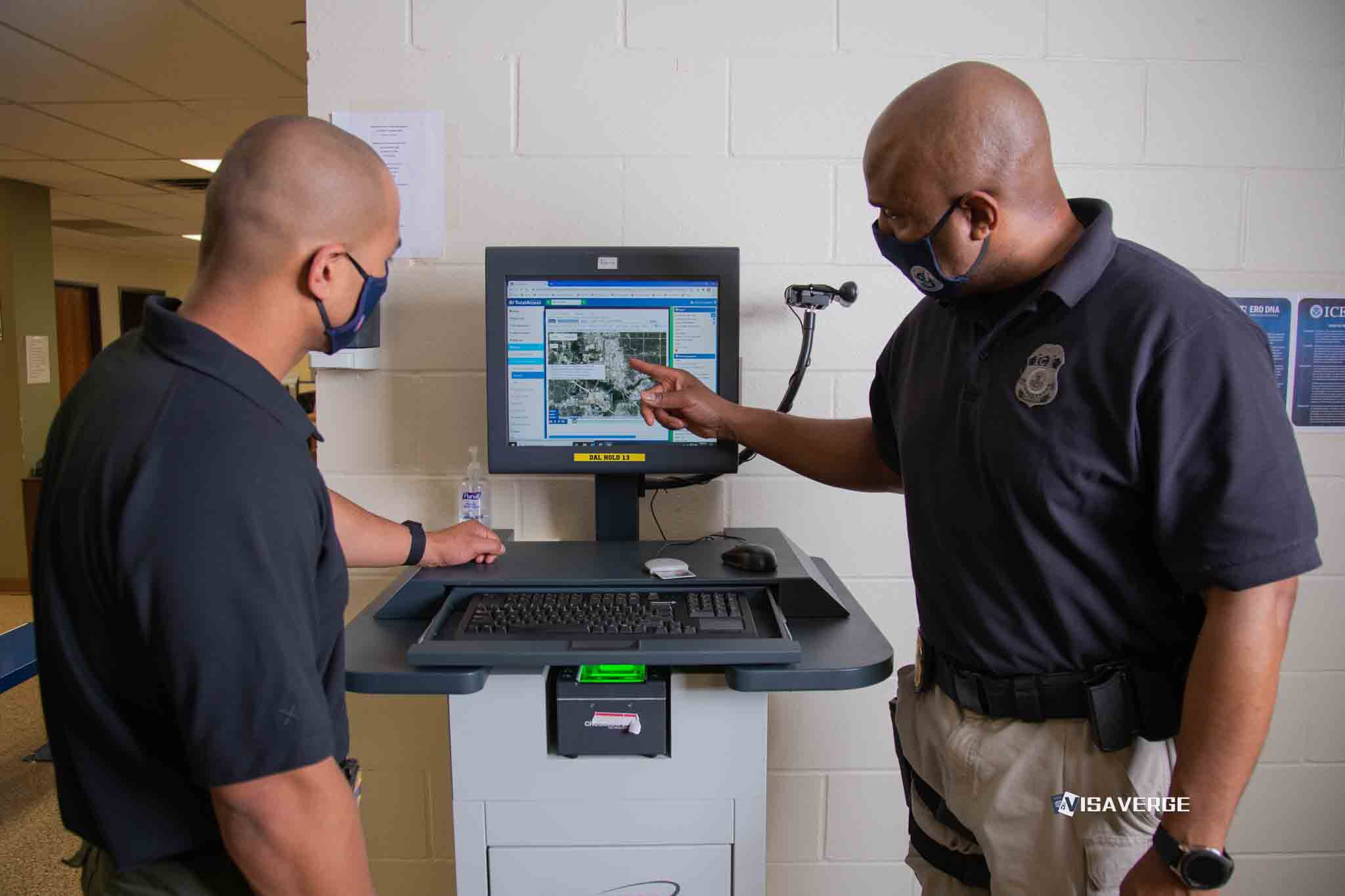
Florida also has a federal verification tool available for this effort. On November 28, 2025, the state reached an agreement with the Department of Homeland Security for free, real-time access to the [SAVE database](https://www.uscis.gov/save), the federal Systematic Alien Verification for Entitlements program that Florida intends to use for citizenship checks.
That agreement gives state officials a practical mechanism to enforce the proposed rules. If the Board of Education adopts them, colleges and adult education providers would have a federal database to check claims of citizenship or lawful presence during admissions processing.
The enrollment effects could be broad. An estimated 49,000 undocumented students currently enrolled in Florida higher education could face barriers to continuing their studies or seeking future admission under the new rules.
Financial consequences could reach the colleges as well. The Florida Policy Institute estimates the 28 state colleges could lose up to $15 million in tuition revenue each year if the ban takes effect.
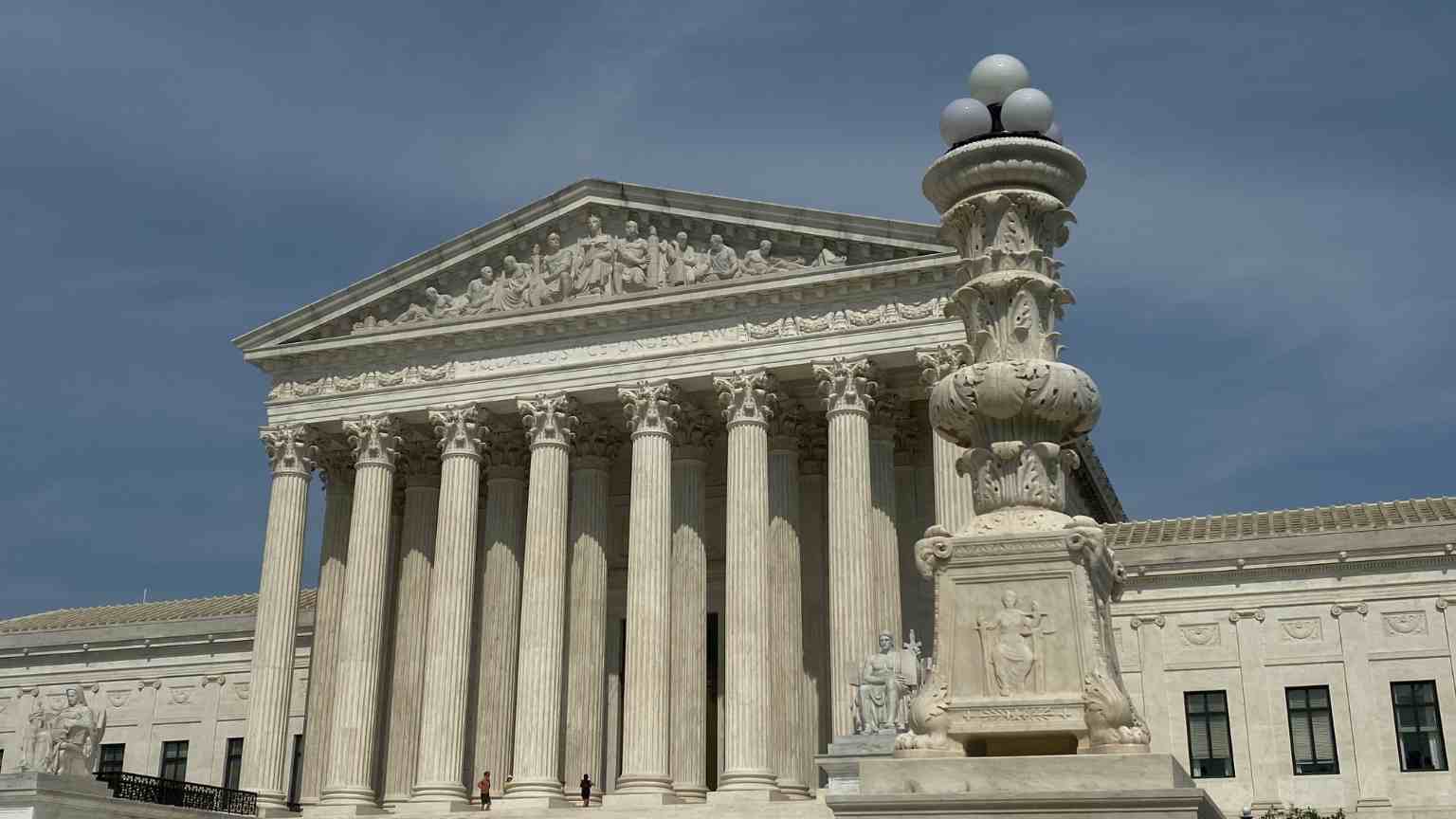
Adult education has drawn particular scrutiny because the proposal reaches students below traditional college age. Critics argue the rules may conflict with the Supreme Court’s 1982 decision in Plyler v. Doe, because Adult General Education programs serve students as young as 16 and 17.
That legal question centers on whether denying access to those programs crosses the line the court drew when it barred states from denying public education to children based on immigration status. The proposed adult education rule would prohibit undocumented immigrants from enrolling, even though some participants are minors working toward a GED or other basic credentials.
Advocacy groups have also objected to the role colleges would play. The Florida Immigrant Coalition said the proposal “transforms colleges into immigration enforcement gatekeepers.”
The institutional burden would fall across the Florida College System, which would have to build admissions procedures around immigration review if the rule passes. Boards of trustees would need to ensure that every admitted student meets the citizenship or lawful presence test before enrollment moves forward.
That requirement reaches beyond four-year pathways and into workforce and remediation tracks that often serve recent arrivals, lower-income residents, and students returning to school after interruptions. Adult General Education programs, in particular, operate as a bridge to diplomas, English instruction, and further study.
Students in lawful temporary status could face pressure from both state and federal policy at once. Florida’s rule would require documentation at the admissions stage, while the federal changes announced by USCIS tighten the path for nonimmigrants, including students, who later seek permanent residence.
International students on F-1 visas are not the direct target of the Florida proposal if they can document lawful presence, but they would still fall inside a system that now places immigration verification at the front end of admission. The same environment includes stricter federal vetting and, under the new USCIS memorandum, a requirement that most nonimmigrants leave the country for consular processing if they pursue green cards.
The proposed rules remain in the public process. Materials on the draft regulations appear through the [Florida administrative rules system](https://www.flrules.org), and broader state higher education information is available through the [Florida Board of Governors](https://www.flbog.edu).
Federal context is also public. USCIS has posted recent immigration policy announcements in its [newsroom](https://www.uscis.gov/newsroom), including the statements from Kahler that outlined the administration’s position on consular processing and expanded vetting.
The final vote on June 30, 2026, will decide whether the Florida Department of Education can turn a failed legislative proposal into an administrative rule with immediate effect across public colleges and adult education. If the measure passes, the state’s proof of citizenship requirement would mark a new admissions barrier for undocumented students and could open the next fight in court as well as on campus.
{ “@context”: “https://schema.org”, “@type”: “DefinedTermSet”, “name”: “Immigration Terminology”, “hasDefinedTerm”: [ { “@type”: “DefinedTerm”, “name”: “Florida College System”, “description”: “The 28 public community and state colleges in Florida providing associate and baccalaureate degrees.” }, { “@type”: “DefinedTerm”, “name”: “SAVE Database”, “description”: “A federal system used by agencies to verify the immigration status or naturalized/derived citizenship of applicants.” }, { “@type”: “DefinedTerm”, “name”: “Consular Processing”, “description”: “The process of applying for an immigrant visa at a U.S. embassy or consulate in a foreign country.” }, { “@type”: “DefinedTerm”, “name”: “Plyler v. Doe”, “description”: “A 1982 Supreme Court case ruling that states cannot deny basic public education to students based on immigration status.” } ] }