- The Department of Homeland Security finalized a four-year cap for F and J visa holders.
- Students must now apply for formal extensions through USCIS including biometric vetting and background checks.
- The post-graduation departure grace period drops from sixty to thirty days starting September 15.
The Department of Homeland Security on July 16, 2026, finalized a rule that ends duration of status for international students and exchange visitors. It replaces the policy with a fixed period of admission capped at four years. Bay Area labs and campuses face the same clock. The rule takes effect on September 15, 2026.
Secretary Markwayne Mullin defended the change as a security move.

“For nearly half a century, the outdated ‘duration of status’ system has compromised national security and created an environment ripe for immigration fraud. For decades, foreign students have been admitted into the U.S. indefinitely, allowing thousands to abuse our immigration system by perpetually enrolling in courses to avoid having to leave the U.S. By implementing clear, finite limits on these visas, the United States is reclaiming its ability to properly screen, vet, and monitor individuals within our borders.”
He made the case bluntly.
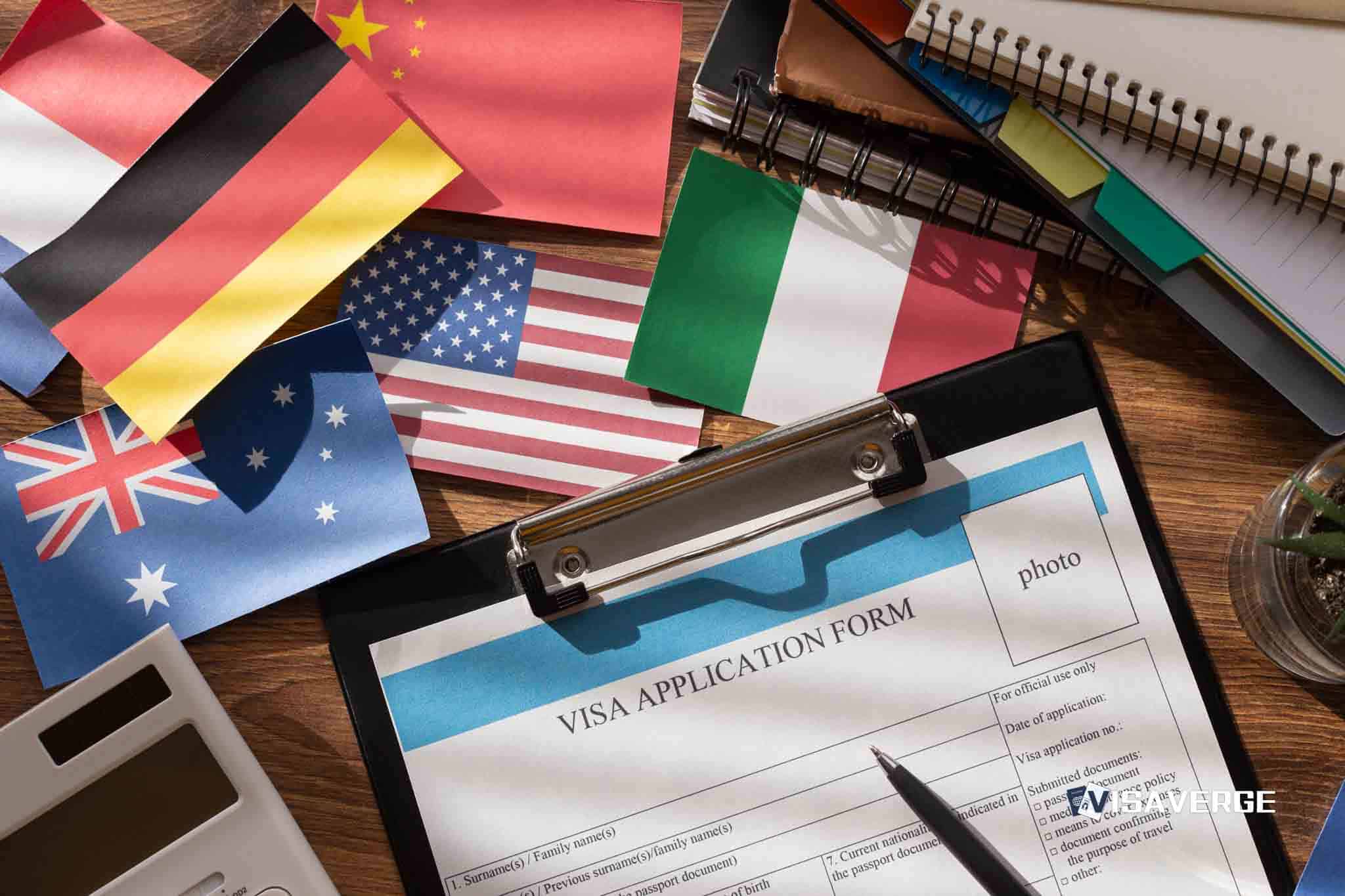
Most F and J visa holders will now be admitted for the length of their program, but the stay has a cap. Anyone who needs more time must ask USCIS for an Extension of Stay with Form I-539, pay a fee, and submit to biometric vetting, including fingerprints and background checks. No campus office can extend it now. The post-graduation departure window for F-1 students also falls from 60 days to 30 days. The rule further limits changes in majors and degree levels. A PhD-to-Master's switch is generally barred.
That timetable collides with graduate training in the San Francisco Bay Area. The National Center for Science and Engineering Statistics said in 2024 that the average time to complete a U.S. PhD is 5.7 years. Many international doctoral students at Stanford and UC Berkeley will hit the extension process before they finish. The same pressure reaches medical residents. Their programs run long.
Stanford University spokesperson Angie Davis said international students and scholars strengthen research teams.
“International students and scholars bring unique perspectives to our classrooms and research teams, enriching the learning environment and helping us find more creative and effective solutions to the world’s problems.”
It values the work.
Campus offices lose the power to keep students in status
The agency says the switch belongs inside a temporary-visa system. On May 22, 2026, USCIS spokesman Zach Kahler said:
“Nonimmigrants, like students, temporary workers, or people on tourist visas, come to the U.S. for a short time and for a specific purpose. Our system is designed for them to leave when their visit is over. Their visit should not function as the first step in the Green Card process.”
The final rule is titled Establishing a Fixed Time Period of Admission and an Extension of Stay Procedure for Nonimmigrant Academic Students, Exchange Visitors, and Representatives of Foreign Information Media. It pulls extensions into federal hands.
The backlash came fast. Rep. Sam Liccardo, D-San Jose, said the rule “is pouring liquid Drano over the world’s greatest magnet for human genius,” and Vinod Khosla said on July 19, 2026, that “innovation and GDP growth are sure to decline” if the U.S. blocks long-term stays for international talent. Both warned about the same thing. Talent moves.
Students already in the U.S. will move onto the new system. If they travel and re-enter after the rule starts, they will get a new I-94 with a fixed expiration date. The next stamp sets the deadline.