


Key Takeaways
• Supreme Court blocked Florida’s SB 4-C on July 9, 2025, halting state immigration enforcement efforts.
• SB 4-C criminalizes undocumented entry, requires local-federal cooperation, and removes in-state tuition for undocumented students.
• Next legal hearing is October 2025 in the 11th Circuit Court of Appeals on SB 4-C’s enforcement.
The Supreme Court’s recent decision to keep Florida’s Senate Bill 4-C (SB 4-C) on hold marks a major moment in the ongoing debate over state-level immigration enforcement in the United States ??. This update explains what has changed, who is affected, important dates, what actions are required now, and what these developments mean for people living in or traveling to Florida. The focus is on providing clear, practical information for immigrants, families, advocates, and anyone interested in the future of immigration law in Florida.
Summary of What Changed
Free toolUSCIS Receipt Number Decoder
On July 9, 2025, the Supreme Court issued an order that blocks Florida from enforcing its new immigration law, known as Senate Bill 4-C. This law, passed earlier in 2025, aimed to make it a crime for certain undocumented immigrants to enter or re-enter Florida, among other strict measures. The Supreme Court’s order means that the law cannot be enforced right now. The Court did not explain its decision, which is common for emergency orders, and no justices publicly disagreed.
This action leaves in place a previous ruling by U.S. District Judge Kathleen Williams, who had already stopped the law from taking effect in April 2025. The 11th U.S. Circuit Court of Appeals also refused to pause Judge Williams’ order and has scheduled a hearing for October 2025 to consider Florida’s appeal.
Who Is Affected
- Undocumented immigrants in Florida: The most direct impact is on people living in Florida without legal immigration status. Under SB 4-C, many could have faced new criminal charges simply for being in the state or returning after being deported.
- Families and communities: Many families in Florida include both citizens and undocumented members. The law’s enforcement would have caused fear and uncertainty for these families.
- Local law enforcement: Police and sheriffs would have been required to work more closely with federal immigration authorities and could have faced penalties for not doing so.
- Colleges and universities: Other related laws passed in 2025 also affect undocumented students, especially regarding tuition and access to education.
- Employers and service providers: Businesses and organizations that work with immigrant communities are watching these developments closely, as changes in the law can affect their workers and clients.
Effective Dates and Current Status
- SB 4-C remains blocked as of July 10, 2025. No part of the law can be enforced until further notice.
- The next major legal step is in October 2025, when the 11th Circuit Court of Appeals will hear arguments about whether the law should stay blocked or be allowed to take effect.
- Other related laws, such as those removing in-state tuition for undocumented students, took effect on July 1, 2025, and are not affected by the Supreme Court’s order on SB 4-C.
Key Provisions of Florida Immigration Law (Senate Bill 4-C)
SB 4-C is one of the strictest state immigration laws ever passed in Florida. Its main points include:
- Making it a felony for certain undocumented immigrants to enter or re-enter Florida. This especially targets people who have been deported or denied entry to the United States ?? before.
- Requiring that anyone arrested under the law be held in jail without bond until their case is decided.
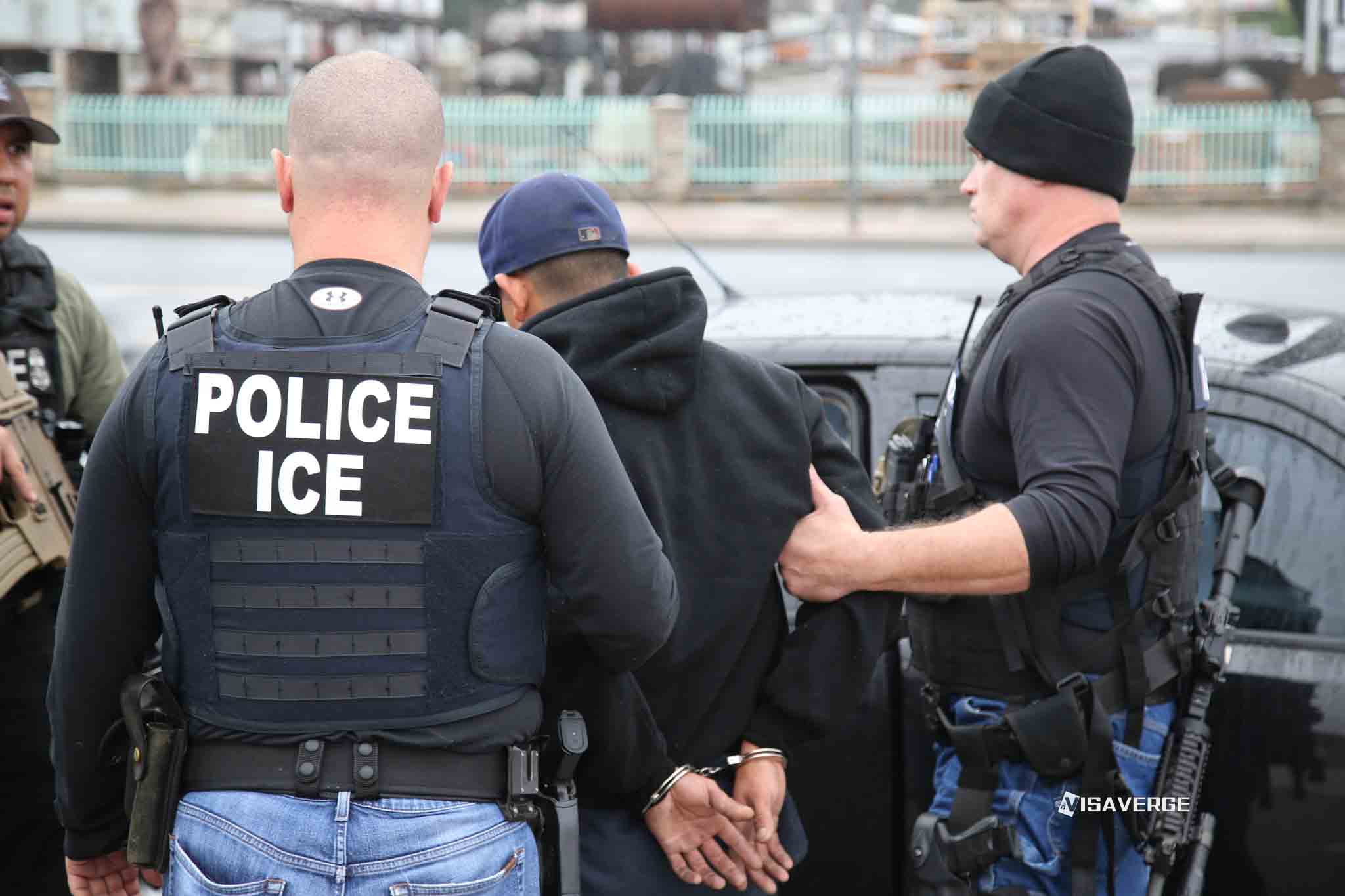
- Forcing local police and sheriffs to share information about inmates’ immigration status with federal authorities (ICE). If they do not, they can be fined or suspended.
- Banning any local policies that might slow down or stop immigration enforcement.
- Making it easier for police to detain immigrants and making it harder for undocumented crime victims or witnesses to get help or protection.
Recent Related Laws and Policy Changes
Florida’s lawmakers have passed several other laws in 2024 and 2025 that affect immigrants:
- SB 2-C and SB 4-C (2025):
- Ended in-state tuition for undocumented students at public colleges and universities, starting July 1, 2025.
- Increased criminal penalties: Undocumented immigrants convicted of the most serious crimes (capital felonies) could face the death penalty, though this is likely to be challenged in court.
- Created a State Board of Immigration Enforcement to work with federal authorities. This board is made up of the governor and cabinet members chosen by the governor.
- Set aside more than $298 million for hiring, bonuses, and training for law enforcement focused on immigration.
- New 287(g) agreements: Florida law enforcement agencies, including the Florida Department of Law Enforcement (FDLE), Florida Fish and Wildlife Conservation Commission (FWC), and the Florida State Guard, have signed new agreements with ICE. These agreements allow state officers to be trained and act as federal immigration agents.
Legal Arguments and Stakeholder Positions
The fight over SB 4-C has brought strong opinions from both sides:
- Plaintiffs (Florida Immigrant Coalition, Farmworker Association of Florida, ACLU):
- Say that SB 4-C is against federal law and the U.S. Constitution, which gives the federal government—not states—the main power to enforce immigration laws.
- Warn that the law would lead to racial profiling, discrimination, and would make it harder for immigrants to trust police or report crimes.
- State of Florida (Governor Ron DeSantis, Attorney General James Uthmeier):
- Argue that the law is needed to protect Florida residents from the problems caused by illegal immigration.
- Say that states have the right to pass their own laws to control who enters their borders.
- Federal Government: The U.S. Justice Department filed a brief supporting Florida’s position at the appeals court, saying that SB 4-C does not go against federal law. However, the courts have not agreed with this view so far.
Practical Implications for Immigrants and Communities
For now, SB 4-C is not being enforced. Here’s what that means in practice:
- No new arrests or prosecutions under SB 4-C can happen while the law is blocked. Undocumented immigrants in Florida are not at risk of being charged under this state law for entering or re-entering the state.
- Federal immigration laws and enforcement still apply. People without legal status can still be detained or deported by federal authorities, but not under the new state law.
- Local police must still follow federal programs like 287(g), which allow them to help with federal immigration enforcement, but they cannot use the new state law to arrest or charge people just for being undocumented.
- Undocumented students have lost access to in-state tuition at public colleges and universities, as this part of the law is already in effect.
Background and Historical Context
SB 4-C was passed during a special session of the Florida legislature in February 2025. It is part of Governor DeSantis’s plan to follow the tough immigration policies of President Trump. The law was quickly challenged in court by immigrant rights groups, who said it would hurt families, workers, and communities across Florida.
Other states, including Texas, Iowa, Oklahoma, and Idaho, have tried to pass similar laws. Federal courts have blocked these laws too, saying that immigration enforcement is mainly a federal job, not a state one. This pattern shows that the courts are likely to keep stopping states from making their own immigration enforcement laws.
What Happens Next?
- The 11th Circuit Court of Appeals will hold a hearing in October 2025 to decide if the law should stay blocked or be allowed to take effect.
- The Supreme Court could be asked to make a final decision on whether states can pass laws like SB 4-C. If that happens, the ruling could affect immigration laws across the United States ??.
- Lawmakers in Florida and other states may try to change their laws again depending on what the courts decide.
Required Actions for Affected Individuals
If you are an undocumented immigrant in Florida, or if you work with immigrant communities, here are some important steps to consider:
- Stay informed: The legal situation is changing quickly. Check trusted sources like the Florida Governor’s Office, Florida Attorney General, and ACLU of Florida for updates.
- Know your rights: Even though SB 4-C is blocked, federal immigration laws still apply. Learn about your rights during encounters with law enforcement and what to do if you are stopped or questioned.
- Seek legal advice: If you have questions about your immigration status or how these changes might affect you, talk to a qualified immigration attorney or a trusted advocacy group.
- For students: If you are an undocumented student, check with your college or university about your options for tuition and financial aid, since in-state tuition is no longer available.
- For employers and service providers: Stay up to date on the latest rules and be ready to support employees or clients who may be affected by changes in the law.
Implications for Pending Applications and Future Plans
- No new state-level criminal charges for undocumented entry or re-entry: If you are waiting for a decision on an immigration application or have concerns about travel, the state law will not affect you while it is blocked.
- Federal immigration processes continue as usual: Applications for visas, green cards, asylum, and other benefits are not affected by SB 4-C. You can find official forms and information on the U.S. Citizenship and Immigration Services (USCIS) website.
- If you are involved in a pending criminal or immigration case: Talk to your lawyer about how the blocked law might affect your situation. For now, only federal law applies.
Expert Analysis and Broader Impact
Legal experts and immigrant rights advocates see the Supreme Court’s action as a strong reminder that immigration enforcement is mainly a job for the federal government. According to analysis by VisaVerge.com, this decision is a setback for states that want to create their own immigration enforcement rules and a win for those who believe in protecting civil rights and due process.
Supporters of SB 4-C say it is needed for public safety and to give states more control. Opponents argue that it would lead to unfair treatment of immigrants and make it harder for communities to trust the police. The courts’ decisions so far show that federal law is likely to remain the main rule for immigration enforcement.
Multiple Perspectives
- Supporters of the law believe it will help keep Florida safe and give the state more power to deal with illegal immigration.
- Opponents worry about racial profiling, families being separated, and the risk of people being afraid to report crimes or seek help.
Procedural Details and Timeline
- SB 4-C is blocked by a preliminary injunction. This means the law cannot be enforced until the courts make a final decision.
- The next step is the 11th Circuit Court of Appeals hearing in October 2025.
- No enforcement actions under SB 4-C are allowed right now. Only federal immigration laws and programs are in effect.
Where to Find More Information
For the latest updates and official information, visit the Florida Governor’s Office. If you need legal help or want to know more about your rights, the ACLU of Florida is a good resource. For court updates, check the U.S. Court of Appeals for the 11th Circuit.
Actionable Takeaways
- SB 4-C is not being enforced right now. No one can be arrested or charged under this law until the courts decide otherwise.
- Stay informed and seek help if needed. The legal situation could change after the October 2025 court hearing.
- Federal immigration laws still apply. Know your rights and talk to a lawyer if you have questions.
- Students and families should check with schools and advocacy groups about changes to tuition and other benefits.
As the legal battle over the Florida immigration law continues, it is important for everyone affected to stay updated, know their rights, and seek support when needed. The Supreme Court’s decision to keep SB 4-C on hold is a major development, but the story is not over. The next few months will be critical in shaping the future of immigration enforcement in Florida and possibly across the United States ??.
Learn Today
Senate Bill 4-C (SB 4-C) → Florida state law criminalizing certain undocumented immigrants’ entry and imposing strict enforcement measures.
11th Circuit Court of Appeals → Federal court reviewing Florida’s appeal on SB 4-C’s enforcement scheduled for October 2025.
287(g) agreements → Partnerships allowing local law enforcement to cooperate with federal immigration authorities like ICE.
Emergency order → Supreme Court decision to temporarily block a law without detailed explanation to prevent immediate enforcement.
In-state tuition → Reduced college fees for residents, removed for undocumented students by Florida law effective July 2025.
This Article in a Nutshell
The Supreme Court halted Florida’s strict Senate Bill 4-C, blocking criminal penalties for undocumented immigrants. This decision pauses enforcement while courts consider appeals, affecting families, law enforcement, and education in Florida. The October 2025 hearing will determine if the law resumes, shaping the state’s immigration future and impacting thousands of residents.
— By VisaVerge.com



Illegal is Illegal and that signifies all nations on Planet Earth. Aiding Abbeting illegals is Se
diton and Treason no doubt the barristers go back to days of the colonist when they kept returning the scoundrels who multiplied like mosquitos and became illegals to date aiding their own DNA & villages while corrupt gov etc defied national security and pages of laws
Thieving tax payers funds whuch is ilegal anywhere on Planet Earth.