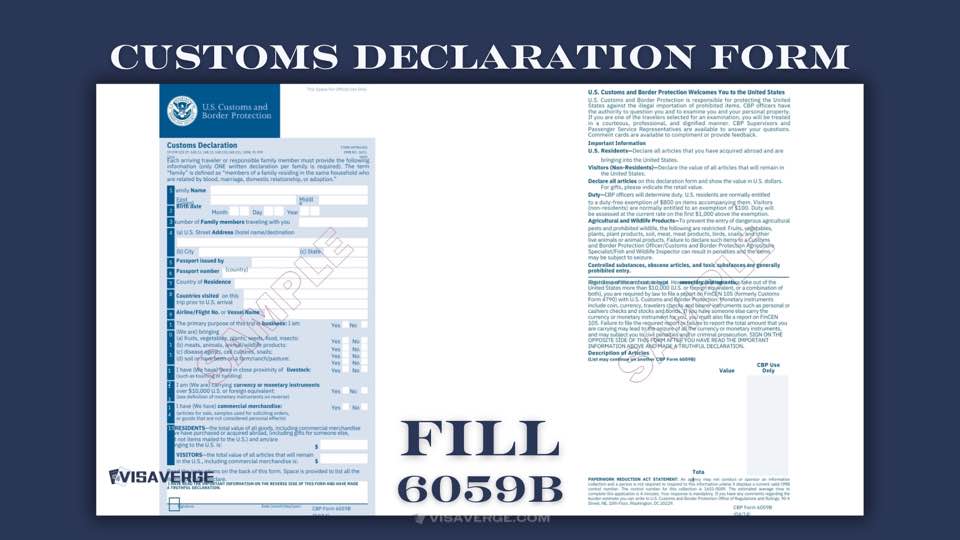
- Travelers on B-2 visas must declare amounts over $10,000 to U.S. Customs using FinCEN Form 105.
- The rule covers all monetary instruments including cash, traveler’s checks, and money orders for every traveler.
- Failure to report can result in immediate currency seizure, heavy fines, and potential criminal charges.
(UNITED STATES) Travelers on a B-2 tourist visa can bring any amount of cash into the United States, but $10,000 or more must be declared on FinCEN Form 105. That rule applies to every traveler, including visitors arriving by air, land, or sea, and it covers the move in and out of the country. The money is not taxed at the border, but failure to declare it can lead to seizure, fines, and criminal charges.
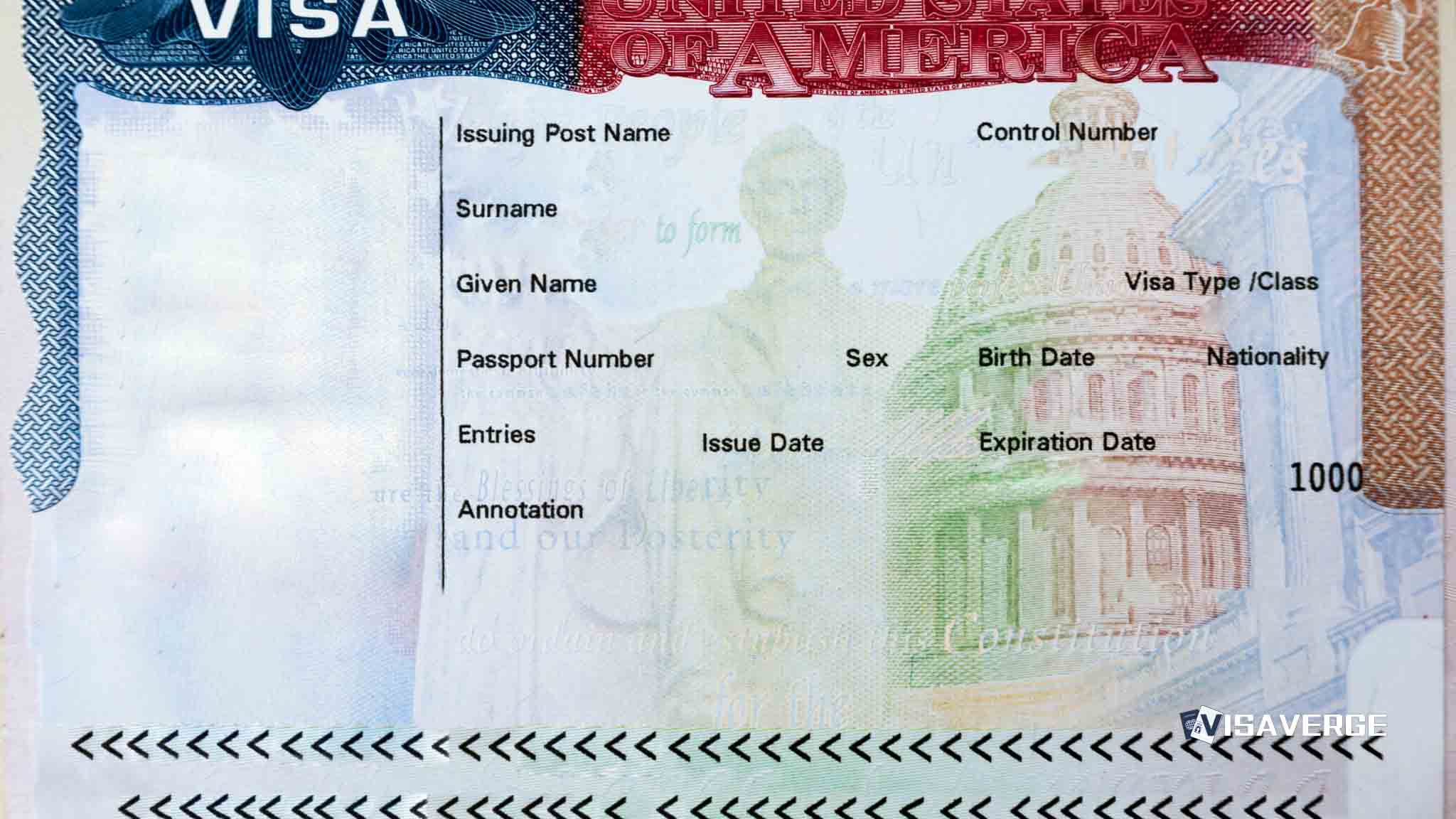
For many visitors, this rule matters as much as the visa itself. People come for tourism, family visits, or medical care, and they often carry extra funds for hotels, shopping, treatment, or emergency expenses. U.S. Customs and Border Protection, or CBP, checks those funds to stop money laundering, terrorist financing, and other illegal financial activity.
How the cash rule works for B-2 visitors
A B-2 tourist visa usually allows a stay of up to six months per entry. Visitors still need to show they can pay for their trip without working. That proof often comes from bank statements, sponsor letters, or travel records. Cash brought into the country is separate from that proof. There is no limit on how much you may carry, but the reporting line starts at $10,000.
Free toolB1/B2 Tourist Visa Stay Calculator onlineThe threshold is based on all currency and monetary instruments combined. That includes U.S. and foreign banknotes and coins, traveler’s checks, money orders, cashier’s checks, promissory notes, and bearer instruments. A traveler with $6,000 in cash and $5,000 in traveler’s checks has crossed the reporting line and must file.
The law also treats each traveler individually. A husband, wife, and child do not get one shared exemption. Each person reports their own funds, unless money for a minor is carried by a parent on one form. That distinction matters at airports, where family groups often travel together with mixed amounts of cash.
The declaration process at airports and land borders
The filing itself is straightforward. FinCEN Form 105 is the required report of international transportation of currency or monetary instruments. Travelers can obtain it through CBP or at the port of entry. Some airports have also begun digital submission pilots, but paper filing remains standard.
At an airport, the process usually follows five steps:
- Count your money before departure. Include cash and monetary instruments in the total.
- Tell the officer you are carrying more than $10,000. Use the red channel or speak up during inspection.
- Complete FinCEN Form 105. Officers may give you the form on paper or electronically.
- Show supporting documents if asked. CBP may ask for hotel bookings, itineraries, or proof of funds.
- Keep a copy. Hold it with your travel records for future reference.
At land borders, the process is similar. Travelers crossing from Mexico or Canada must declare verbally at primary inspection. Officers may send the traveler to secondary inspection for the form and a closer review. Trusted traveler lanes, including SENTRI and NEXUS, do not remove the duty to declare.
For official instructions, CBP and FinCEN publish guidance on reporting currency through the FinCEN Form 105 page and CBP’s travel guidance on money declaration.
Why the $10,000 line matters so much
The $10,000 number is not a cap. It is a reporting trigger. Congress set that line under federal anti-money rules, and officers use it to track large cross-border movements of cash. The rule applies to U.S. citizens, lawful residents, tourists, and anyone else crossing the border.
CBP says undeclared currency remains a major enforcement target. In fiscal year 2025, it reported $45.6 million in undeclared currency seizures, up 12% from 2024. Airports such as JFK, LAX, and Miami International see constant inspections, and land-border crossings face similar scrutiny.
What happens if the money is not declared
Failure to file can trigger immediate seizure of the cash or instruments. The government can hold the funds even when the mistake was not intentional. Travelers then have to fight for return through administrative or judicial channels.
The penalties are severe. Civil penalties can reach the amount seized or $500,000, whichever is greater. Willful violations can lead to up to 5 years in prison and a $250,000 fine. Structuring, which means splitting money across people or trips to avoid the report, brings its own criminal risk.
Visa status can also suffer. A visitor who hides money, lies to officers, or tries to evade the reporting rules may face future visa problems and possible inadmissibility issues. VisaVerge.com reports that enforcement has tightened further in 2026, especially at busy ports and on routes tied to higher-risk travel patterns.
Practical examples from current enforcement
The recent cases show how quickly a border check can turn into a financial loss. In March 2026, Miami Airport officers seized $128,000 from a B-2 holder from India after a structuring attempt. In February 2026, a family of five lost $55,000 at the Laredo border and faced prosecution for conspiracy. A separate enforcement push, called “Operation Cash Shield,” followed a major seizure case at Dulles and brought in $12 million in the first quarter of 2026.
These cases show a pattern. Officers do not only count bills. They also look for inconsistent answers, unusual travel plans, and money split across bags or passengers.
What counts as safe and what raises questions
Cash is not the only issue. Bank drafts, cashier’s checks, and similar bearer instruments count toward the total if they move with the traveler and push the amount above $10,000. Wire transfers and credit cards do not trigger the same declaration rule, which is why many visitors rely on them after arrival.
Families should also plan carefully. If parents carry $8,000 and a child carries $4,000, the total reaches $12,000 and the movement must be reported. For minors, parents may file for the child when the money belongs to that child.
Travelers should also keep proof of funds. Bank statements, gift letters, medical bills, and booking records help explain why a person is carrying a large amount. CBP may ask about the source of the cash if the amount does not match the trip.
The wider 2026 immigration setting
The currency rule has not changed even as other immigration policies shifted in 2026. New travel restrictions under Proclamation 10998, broader vetting, and tighter social media checks changed who gets screened and how. They did not change the duty to declare money. The same reporting line applies to all travelers at every port of entry.
For tourists, the message is simple and practical. Bring the funds you need. Count them before you travel. File FinCEN Form 105 once your total reaches $10,000. Keep your paperwork handy. That one step protects your money, your trip, and your future travel history.