- Air New Zealand posted a NZ$336 million pre-tax loss for the year ended June 30, 2026.
- Engine shortages caused an estimated NZ$190 million in lost capacity and extra operating costs.
- The airline says disruption is easing as more aircraft return and punctuality rises to 84% in FY26.
Air New Zealand reported a NZ$336 million pre-tax loss for the year ended June 30, 2026, as engine shortages drove an estimated NZ$190 million in lost capacity and added operating costs.
The airline released its results on August 28, 2026, after returning more aircraft to service. It said the disruption is now easing.
Free toolB1/B2 Tourist Visa Stay Calculator online
Chief executive Nikhil Ravishankar said the carrier would enter 2027 with a more dependable fleet, though some financial exposure remains.
“There are still residual risks and costs to work through, but we enter 2027 in a considerably more reliable fleet position.”
Ravishankar described the year as “very challenging.” The NZ$190 million estimate includes extra lease and engine expenses, lower fleet utilisation and operating inefficiencies, as well as capacity lost when aircraft could not fly.
The result came in below the NZ$356.5 million pre-tax loss Visible Alpha had expected. The airline’s recovery, however, is not yet complete.
Most of the grounded widebody fleet is flying again
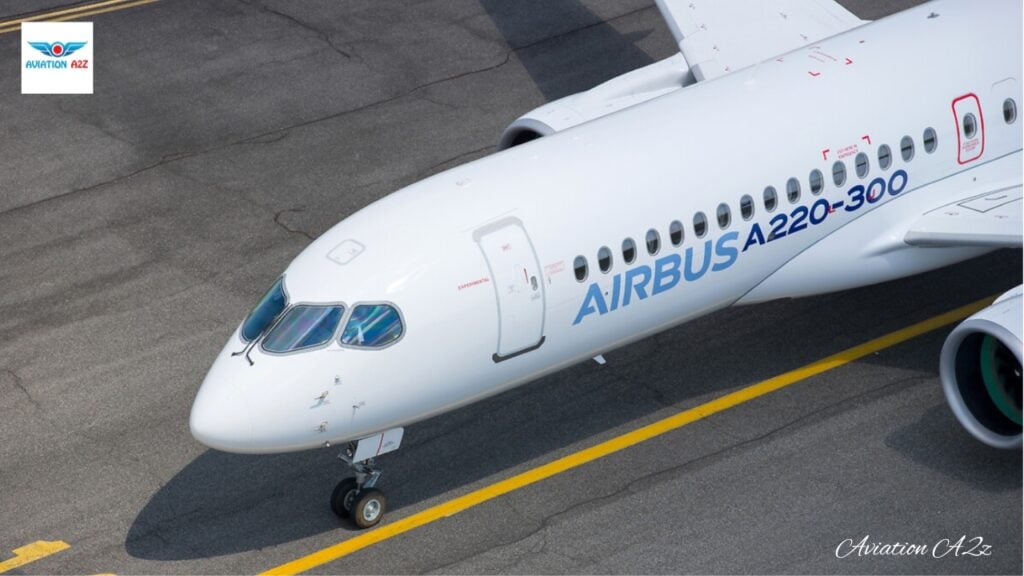
The disruption involved two engine programs. Rolls-Royce Trent 1000 engines power the carrier’s 787 aircraft, while Pratt & Whitney PW1100G engines equip its Airbus A320 and A321neo fleet.
The problems began in 2023. Pratt & Whitney recalled more than 1,000 engines used on Airbus aircraft for inspections, leading to intermittent groundings in later years.
At the disruption’s peak, the airline had 5 of 14 Boeing 787s and 6 Airbus A320/321neo aircraft on the ground. Together, those aircraft represented almost 20% of its jet fleet.
That peak forced schedule reductions and increased reliance on leased aircraft. Customers faced fewer available aircraft while the carrier arranged replacement capacity.
The fleet position has since improved. The last 787 returned from long-term storage in June 2026, and the airline said no widebody aircraft remained in storage.
Operational recovery has improved punctuality
More aircraft availability has also lifted reliability. On-time performance rose from 77.5% in 2025 to 84% in the second half of FY26.
The improvement followed work with both Rolls-Royce and Pratt & Whitney. The carrier said it restored grounded aircraft ahead of schedule as more engines became available.
That progress reduces the need for expensive replacement capacity. It also gives the airline more aircraft to deploy as it seeks to rebuild capacity and support future revenue growth.
The annual loss still reflects the disruption’s full financial effect. Lower utilisation meant available aircraft generated less flying, while leases and engine work added costs even when aircraft remained grounded.
Lease and engine costs will linger into the next financial year
The airline said residual costs would continue into FY2027. Some leased engines and aircraft will take another 12 to 15 months to unwind from the system.
That timetable extends beyond the return of the final stored 787. Aircraft can be back in service while related leases, engine arrangements and other recovery expenses remain on the books.
Ravishankar said the carrier’s progress came from staff across the company.
“This is the result of an extraordinary effort from Air New Zealanders across the business.”
The chief executive also said the engine challenges were now “substantially behind us.” The airline described the disruption from engine issues as “easing substantially.”
The carrier’s next financial year will therefore begin with a more usable fleet, but not with every engine-related cost removed. Its stated target is a “considerably more reliable fleet position” as 2027 begins.