- Guadalupe Jose Oropeza Reyes received 14 months in federal prison after pleading guilty to document-fraud charges.
- An undercover agent bought counterfeit green cards and Social Security cards from Reyes at Circle K in West Richland in December 2025.
- Investigators later seized phones, laptops, a laminating machine, cash, and more fake cards during a January 2026 search.
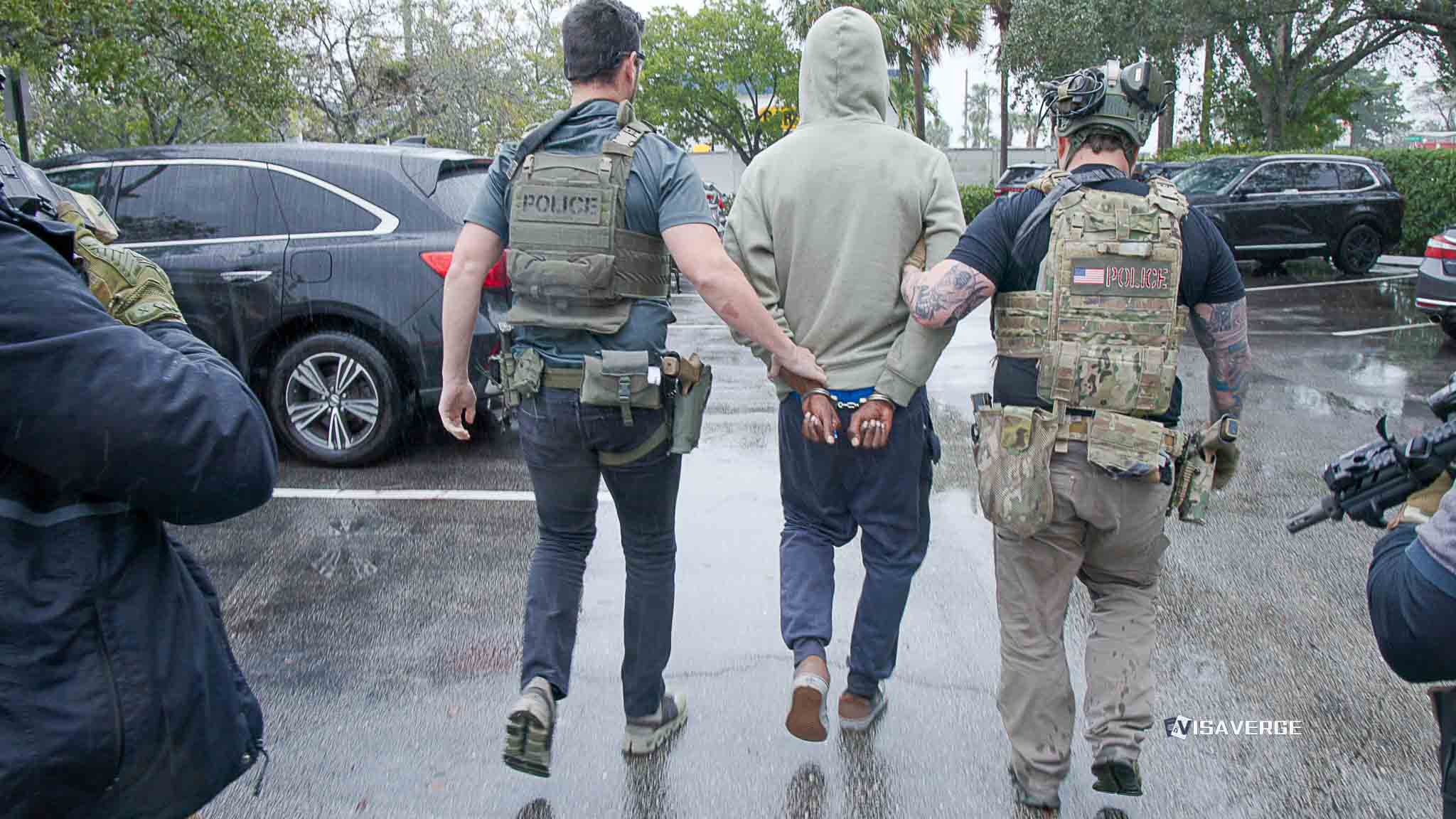
Guadalupe Jose Oropeza Reyes, 39, received 14 months in federal prison and three years of probation on Aug. 27, 2026, after pleading guilty to selling counterfeit immigration and Social Security documents in the Tri-Cities area. U.S. District Judge Mary Dimke imposed the sentence in the Eastern District of Washington.
The West Richland man pleaded guilty to false making of visas, permits, and other entry documents. He also admitted unlawful transfer of five or more false identification documents.
Free toolCSPA Age-Out Calculator Online
The case centered on counterfeit U.S. Permanent Resident Cards, also known as I-551 cards, and counterfeit Social Security cards. An undercover federal agent made two purchases from Reyes in 2025.
The first meeting occurred on September 3, 2025, at a fast-food restaurant in Richland. Reyes accepted $100 for two suspected fraudulent identity documents.
The second meeting came later. On December 18, 2025, the agent paid $200 at the Circle K in West Richland and received two permanent resident cards and two Social Security cards.
A forensic examination later found the submitted cards were counterfeit. The cards lacked genuine security features and were not produced through legitimate manufacturing methods.
| Date | Location | Payment | Documents received |
|---|---|---|---|
| September 3, 2025 | Fast-food restaurant in Richland | $100 | Two suspected fraudulent identity documents |
| December 18, 2025 | Circle K in West Richland | $200 | Two permanent resident cards and two Social Security cards |
Investigators found production equipment during a January search
Federal investigators executed a search warrant at Reyes’s home in January 2026. They seized cell phones, laptops, a laminating machine, cash and additional fraudulent cards.
The search followed the undercover purchases. Court documents also described the later examination of the cards submitted during those transactions, which found that they did not contain genuine security features.
The guilty pleas resolved two federal document-fraud charges. One involved the alleged false making of visas, permits and other entry documents. The second covered the unlawful transfer of five or more false identification documents.
The documents at issue included counterfeit Permanent Resident Cards, often referred to as I-551 cards, along with Social Security cards. The federal case proceeded before Judge Dimke in the Eastern District of Washington.
Reyes may face deportation after completing the sentence
Reyes’s lawyer said he was likely to be deported after serving the sentence. That consequence would be separate from the prison term and probation imposed in the criminal case.
Federal document-fraud convictions can also create immigration consequences, including removability and possible bars. The effect may depend on the precise conviction record and the person’s immigration status.
Those questions can turn on the offense of conviction and the circumstances reflected in the criminal record. Immigration consequences should be reviewed with a qualified attorney because the result may vary by case.
The sentence includes supervision after release. Reyes will serve the 14-month federal prison term and then three years of probation imposed by the court.
This article provides general information and is not legal advice. Consult a qualified immigration attorney about your specific case.