- U.S. District Judge Jerry Edwards Jr. sentenced Chad Doyle and Michael Slaney to five years in federal prison each.
- Both former officials must also pay $30,000 fines and report to prison on October twenty-eight, twenty twenty-six.
- Prosecutors said the Cenla scheme used false U-visa support reports and fabricated robbery claims to back immigration filings.
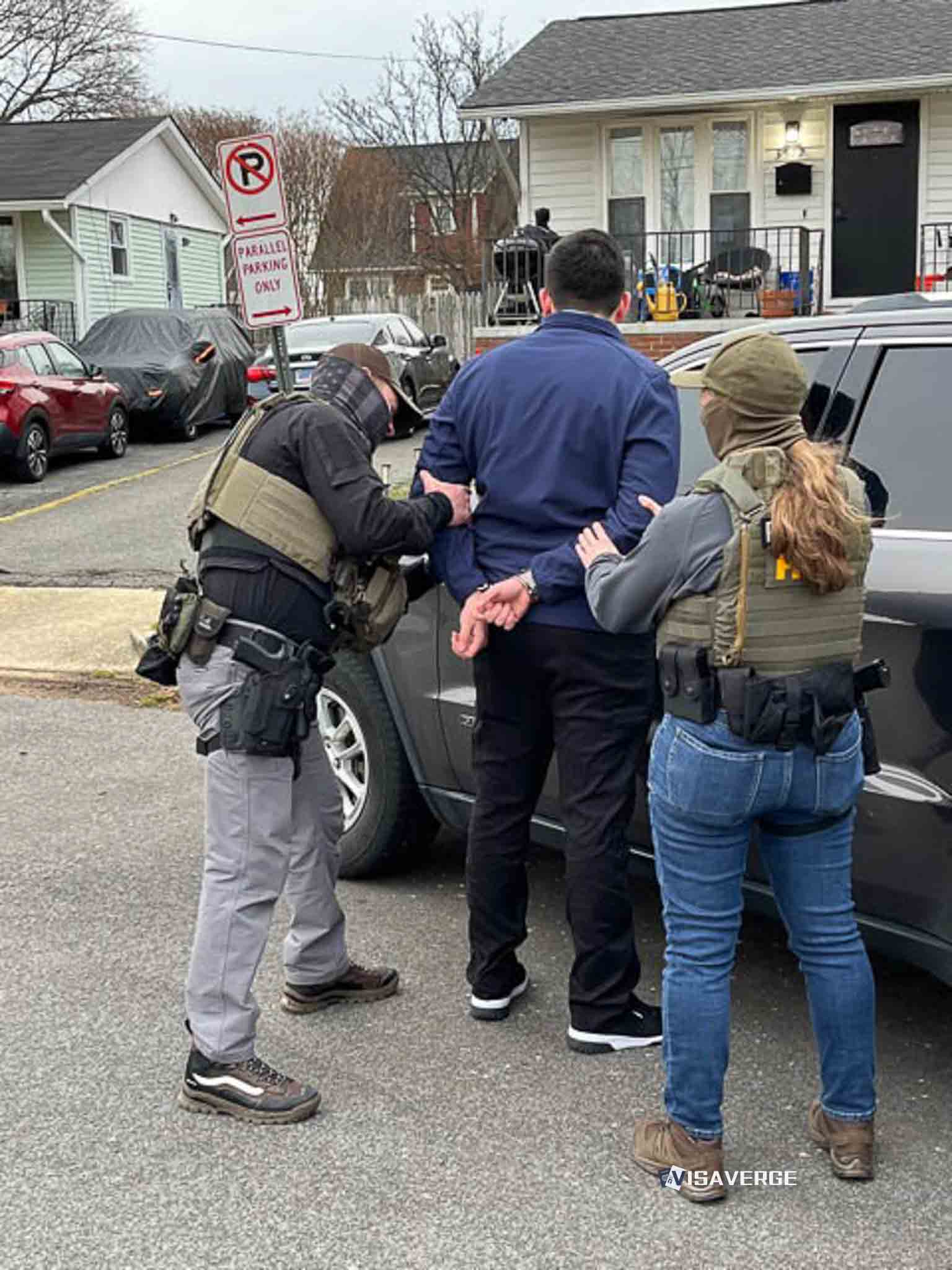
U.S. District Judge Jerry Edwards Jr. sentenced former Oakdale Police Chief Chad Doyle and former Ward 5 Marshal Michael Slaney to five years in federal prison for their roles in a Central Louisiana visa fraud conspiracy involving false U-visa support reports. Each man also received a $30,000 fine.
The judge recommended that Doyle and Slaney serve their terms as close as possible to their Louisiana homes. Both were ordered to report to prison on October 28, 2026.
Free toolCSPA Age-Out Calculator Online
Former Glenmora Police Chief Tebo Onishea had already received the same federal sentence. He pleaded guilty to one count of conspiracy to commit visa fraud.
Onishea also entered a state plea this week. On September 14, 2026, he appeared in 9th Judicial District Court in Rapides Parish and accepted a five-year sentence at hard labor for malfeasance in office. The state term will run concurrently with his federal sentence.
The sentences divide between federal prison and state penalties
| Defendant | Federal sentence | Additional penalty | Reporting or start date |
|---|---|---|---|
| Chad Doyle | 5 years in federal prison | $30,000 fine | October 28, 2026 |
| Michael Slaney | 5 years in federal prison | $30,000 fine | October 28, 2026 |
| Tebo Onishea | 5 years in federal prison | Five-year state sentence at hard labor, concurrent | October 21, 2026 |
Onishea is scheduled to begin serving the state sentence on October 21, 2026. The federal and state cases address the same broader conduct but proceeded separately.
Federal prosecutors alleged that officials submitted false statements in support of immigration applications from September 27, 2023, through December 26, 2024. They alleged that the wider conspiracy operated from December 2015 through July 2025.
The case centered on police reports prepared to support U visas. Those visas are available to certain victims of qualifying crimes who assist law enforcement.
The alleged reports were meant to create qualifying crime victims
Prosecutors said the scheme used fabricated armed-robbery reports and other false statements to make foreign nationals appear eligible for immigration benefits. The alleged conduct turned local law enforcement records into supporting documents for immigration filings.
The prosecution therefore combined an immigration-fraud case with a public-corruption case involving local law enforcement officials. The reports allegedly described crimes that applicants did not actually suffer.
The material at issue was not a routine visa application error. It involved alleged false law-enforcement documentation connected to claims of victimization.
The indictment also named a businessman and another police chief
Federal authorities identified Chandrakant Patel, an Oakdale businessman, as a person applicants allegedly paid in connection with the scheme. The federal investigation also named Glynn Dixon, the former Forest Hill Police Chief.
The indictment alleged that Patel offered and agreed to pay a Rapides Parish Sheriff’s Office employee $5,000 in February 2025. Prosecutors said the payment would reward the creation of a false police report.
Onishea initially faced six counts of visa fraud, six counts of mail fraud, and one count of conspiracy to commit visa fraud. His federal case later ended with a guilty plea to the conspiracy count.
Doyle and Slaney held public safety positions when they became involved in the matter, according to the allegations. Their sentences now set the prison terms for two of the officials who admitted or were convicted in the federal case.
Patel and Dixon were scheduled for later sentencing on October 22, 2026.
This article provides general information and is not legal advice. Consult a qualified immigration attorney about your specific case.