


- Increased enforcement at Boston Logan has led to longer airport detentions for green card holders.
- Customs officers are scrutinizing criminal records and extended absences more strictly in 2026.
- Permanent residents should never sign Form I-407 to avoid voluntarily surrendering their status.
(BOSTON LOGAN INTERNATIONAL AIRPORT) Green card holders can be stopped, questioned, and detained at U.S. airports when they return from abroad, and 2026 enforcement has made those encounters sharper and longer. At Boston Logan International Airport, where international traffic is heavy, U.S. Customs and Border Protection now uses broader data checks, closer screening, and more referrals to Immigration and Customs Enforcement.

The risk does not mean lawful permanent residents lose their status at the airport. It means a border officer can send a traveler into secondary inspection, hold that person for more questioning, and start removal proceedings if the officer thinks the record raises a problem. VisaVerge.com reports that attorneys have seen a marked rise in those airport holds since early 2026.
Why airport screening is tighter for returning residents
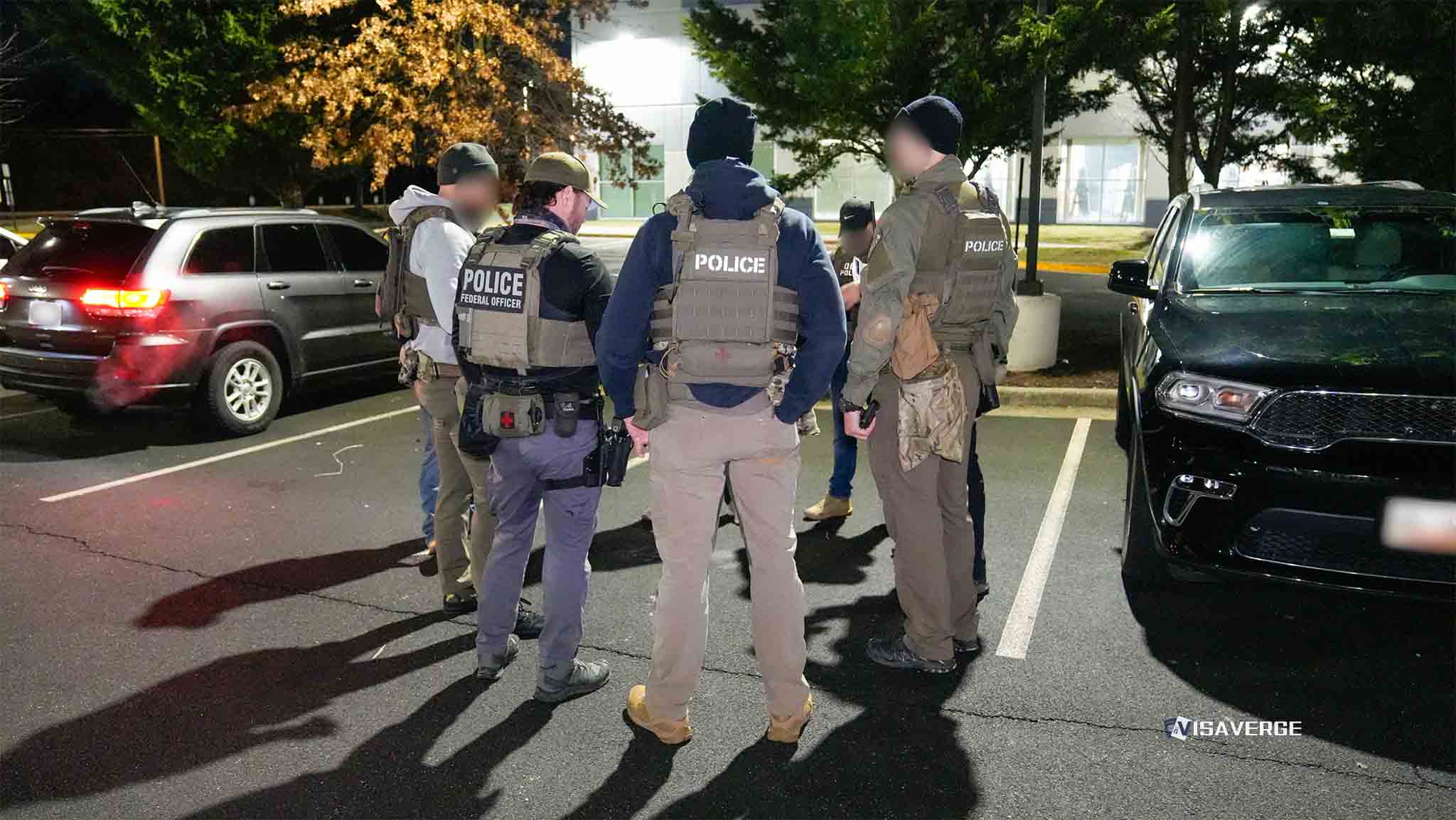
U.S. Customs and Border Protection treats lawful permanent residents as arriving aliens at the border, even though they live in the United States. That gives officers broad power to inspect documents, search bags, review phones, and ask detailed questions about travel, work, taxes, and family life. The Trump-Vance administration’s expanded enforcement priorities have also pushed more attention onto old convictions, long absences, and any sign of fraud or security concern.
Free toolB1/B2 Tourist Visa Stay Calculator onlineThe January 1, 2026 travel ban on nationals from 19 countries does not normally strip green card holders of entry rights, but it has added pressure at inspection booths. Officers still ask about foreign ties, prior immigration history, and whether the trip abroad looked temporary. At busy airports like Boston Logan International Airport, even random checks can turn into long interviews.
What usually sends a traveler to secondary inspection
Several patterns keep showing up in detention cases. Criminal history remains the biggest trigger, including old marijuana cases, DUIs, or other offenses that were resolved years ago. Extended absences also raise alarms. A trip of more than 6 months can prompt questions about whether the traveler kept a U.S. home. A trip of more than 1 year without a re-entry permit creates a presumption that residence was abandoned.
Officers also focus on weak paper trails. Missing or expired green cards, no lease, no tax filings, no job record, and no clear evidence of a U.S. address all invite more scrutiny. Social media, device contents, and travel patterns now play a larger role too. Federal agencies share more data than they did before, and that sharing helps flag travelers for secondary review.
The case of Fabian Schmidt showed how quickly this can escalate. He was detained at Logan after returning from Luxembourg and was questioned about a 2015 marijuana dismissal and an old DUI. Reports said he was pressured, denied basic needs, and later hospitalized before ICE custody. Similar stories have followed in 2026, including overnight airport holds and transfers to detention sites in Rhode Island and elsewhere.
What the airport inspection process looks like
Every international arrival goes through primary inspection first. Most travelers pass in minutes. Flagged green card holders are sent to secondary inspection, where the review can last hours. Officers usually begin with a scan of the green card, passport, and travel record. Then they ask about residence, job history, finances, family ties, and the reason for the trip.
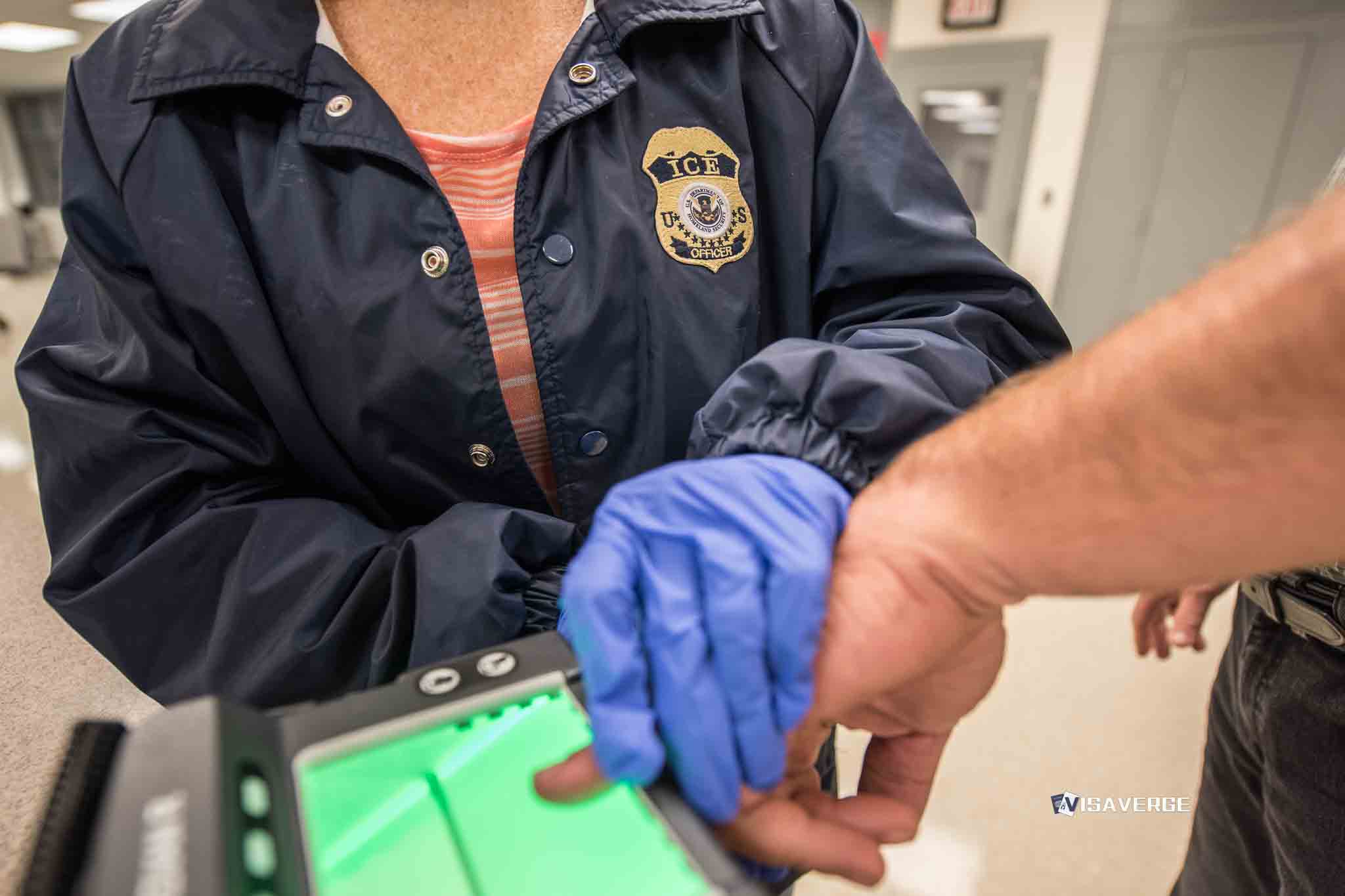
Officers may also inspect luggage and electronic devices. The border search rules are broader than in the interior, and travelers should expect that reality. Still, only an immigration judge can take away permanent resident status. A CBP officer can recommend action, issue a Notice to Appear, or hold the person for more review, but the final loss of status happens in court.
Some travelers are released after questioning. Others are held overnight, moved to ICE custody, or given a court notice. Older residents are especially vulnerable because long questioning and medical problems can get worse fast. Reports from Logan in 2025 described one 70-year-old resident kept overnight before transfer.
Documents every green card holder should carry
Travelers should carry more than the green card itself. The strongest file shows that the United States remains the real home.
- Valid green card: The core proof of resident status. Carry it every time.
- Passport: Needed for re-entry and identity checks.
- Re-entry permit, Form I-131: Important for longer trips. File it before departure if you expect to stay abroad for an extended period. Review the official Form I-131 page before travel.
- Proof of U.S. ties: Lease, mortgage, pay stubs, tax returns, utility bills, or a job letter.
- Attorney contact card: Include name, phone number, and A-number.
- Consulate contact details: Useful if detention becomes serious.
For official guidance on permanent resident travel and status, see the USCIS page on green card travel and re-entry rules and keep it with your travel records.
What to say, and what not to sign
If an officer starts pressing for a resignation of status, the most dangerous document is Form I-407, the Record of Abandonment of Lawful Permanent Resident Status. Signing it gives up residency voluntarily. Attorneys warn that officers sometimes present it as a fast fix or a harmless form. It is neither.
A simple statement helps. “I am a lawful permanent resident returning to my U.S. residence. I do not want to sign anything. I want to speak with an attorney and, if needed, an immigration judge.” That language protects the record and keeps the focus on due process.
Green card holders can also remain silent on questions that go beyond basic admission issues. They can ask for medical care, food, water, and sleep if a hold continues. They can contact family when allowed. They can also ask to call a lawyer. Those requests do not guarantee release, but they create a record.
Why Boston travelers are hearing more warnings
The Boston area has seen enough airport cases that local advocates now tell residents to prepare before every overseas trip. That advice is not about fear. It is about paperwork and timing. People with old arrests, pending naturalization cases, or prior immigration filings should review their record before boarding. If a trip is long, a re-entry permit matters. If taxes are missing, file them. If a name change or address issue exists, fix it before travel.
For many immigrants, naturalization removes the airport risk entirely. Citizens do not face the same inspection path on return. For green card holders, the status remains strong, but it is not ironclad. At Boston Logan International Airport, preparation is the difference between a routine arrival and a detention that can last days or longer.







Well, this article was utterly useless and stupid. A 70-year-old was detained but no facts, descriptions, reasons, or any other information was given as to why. Well, then, why did you bother to mention it? There was no point to this at all. Maybe she was a criminal. Just because someone is 70 years old, it doesn’t mean they can’t be a criminal or break laws. The fact none of this was mentioned inthe article means I can assume she had a shady background. Period. What a dumb and uttery useless article.