- Over 530,000 migrants face intensified deportation risks following the termination of the CHNV humanitarian parole program.
- New 2026 policies include expanded social media vetting and substantial new fees for various visa categories.
- Stricter enforcement under the Trump administration has slowed asylum processing and increased workplace I-9 audits.
(UNITED STATES) The Department of Homeland Security ended CHNV parole on April 24, 2025, and the fallout is now reshaping lives, jobs, and immigration options across the country. One year later, about 530,000 Cuban, Haitian, Nicaraguan, and Venezuelan migrants who entered through the program face a far tighter system, weaker work authorization protections, and far less room to stay lawfully.

The change matters far beyond paperwork. Many CHNV parole beneficiaries built routines, paid rent, raised children, and filled jobs in industries already under strain. Once the parole program ended, the legal bridge that let them live and work in the United States began to collapse.
The end of CHNV parole and what it changed
CHNV parole began in late 2022 and early 2023 as a response to migration pressure from four countries hit by political turmoil, economic collapse, and violence. The Biden administration used parole authority under the Immigration and Nationality Act to admit people for urgent humanitarian reasons or major public interest. More than 530,000 people entered legally and received employment authorization documents, often called EADs.
That structure became a legal target. The law requires parole decisions to be made one person at a time, not for an entire nationality group. On March 24, 2025, the Department of Homeland Security announced the termination of CHNV parole, effective April 24, 2025, saying the program had to fit statutory limits. The result was immediate: parole status ended, and with it, the work authorization tied to that status.
For many families, that meant a sharp shift from stability to exposure. Jobs disappeared. Payroll stopped. Housing plans became uncertain. The end of CHNV parole did not just affect immigration records. It changed daily survival.
What April 2026 looks like for affected migrants
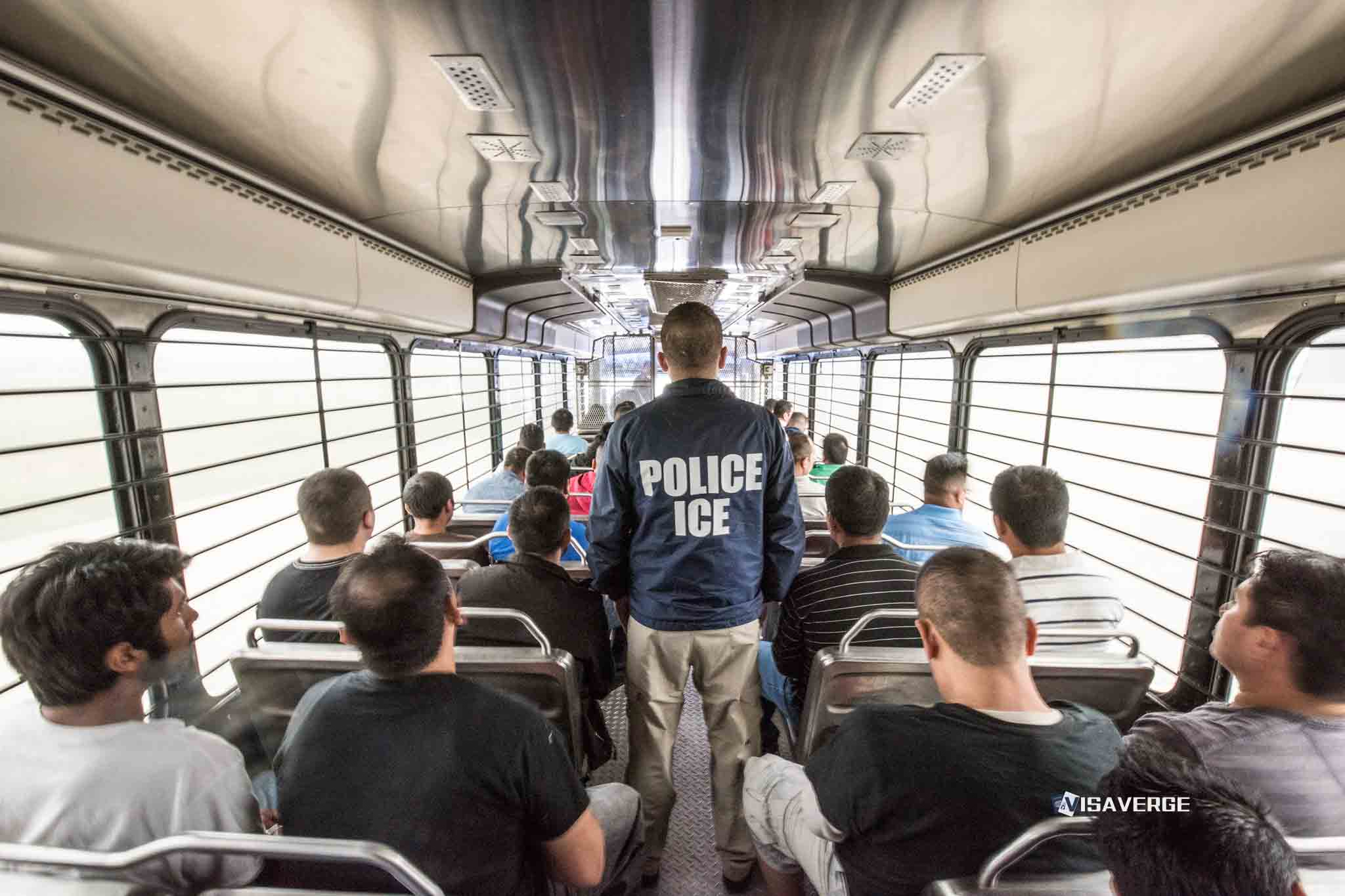
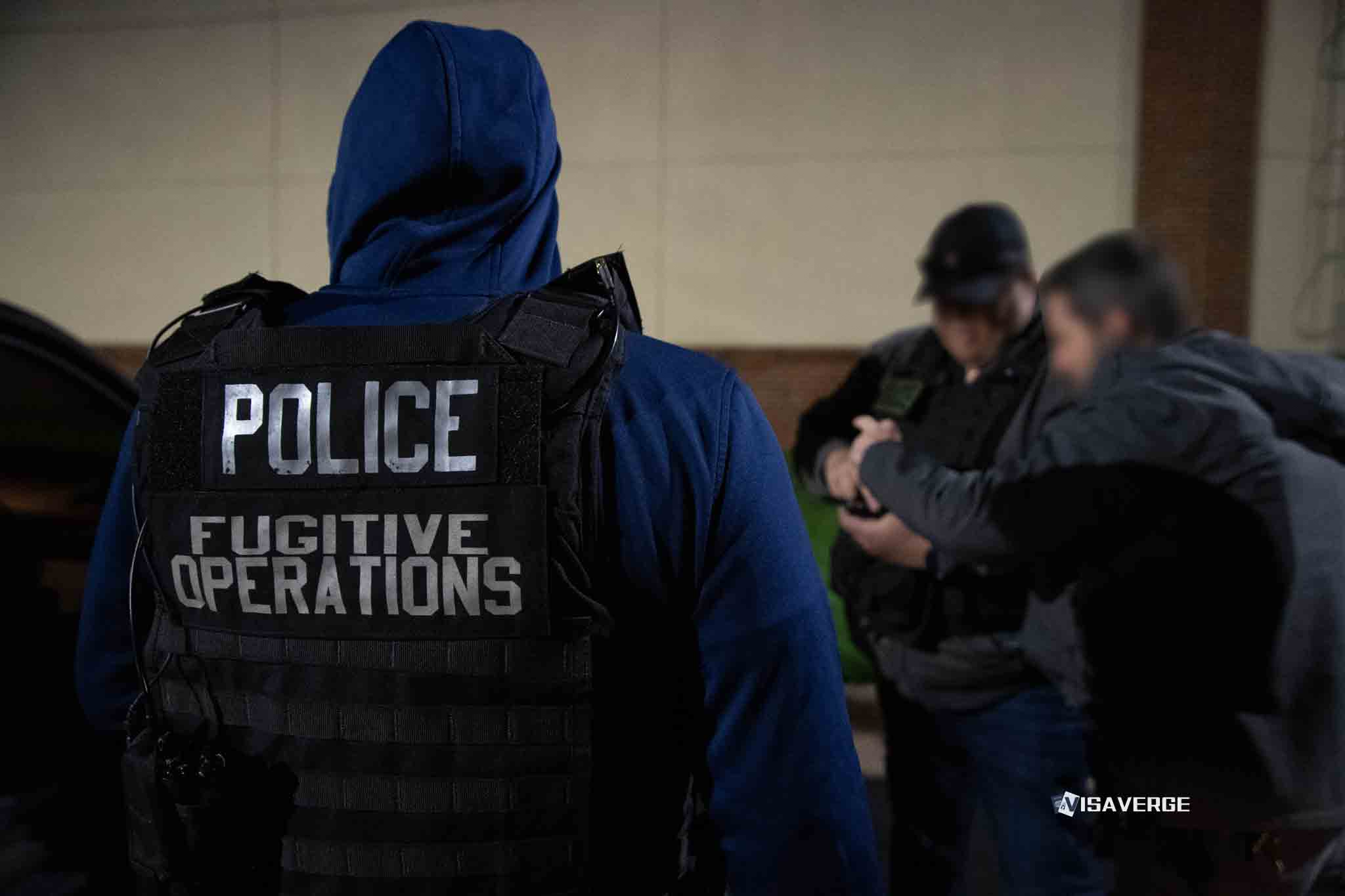
As of April 2026, the program has been defunct for a full year. The pressure on former parole beneficiaries has intensified because enforcement now sits at the center of immigration policy. DHS has prioritized removal for people who did not move into another lawful status, while workplace raids and tighter vetting have made the system harder to predict.
Travel outside the United States is now extremely risky for anyone without a valid status and a clear path back. Re-entry without lawful status is virtually impossible. For many Haitian and Venezuelan families, return is not a simple administrative matter. It means facing countries still marked by instability, violence, and deep economic hardship.
The shift also affects access to state-based benefits tied to legal presence. When work authorization ends, so do many practical protections that employers, landlords, and agencies use to confirm a person’s place in the system.
A harder immigration climate under President Trump
The broader climate has changed quickly under President Trump. The administration took office in January 2025 and moved toward stricter enforcement, deeper screening, and fewer legal entry channels. The CHNV rollback fits that direction.
In December 2025, Presidential Proclamation 10949 suspended entry for nationals of 12 countries viewed as high-risk for national security and public safety. Those countries are Afghanistan, Myanmar, Chad, Republic of Congo, Equatorial Guinea, Eritrea, Haiti, Iran, Libya, Somalia, Sudan, and Yemen. Seven more countries face partial restrictions: Cuba, Laos, Sierra Leone, Togo, Turkmenistan, and Venezuela.
Screening does not stop at passport nationality. Officials also consider country of birth, dual nationality, long-term residence abroad, and recent travel history. That wider net matters for many CHNV parole cases because it reaches people in ways that are not always obvious from the travel document they carry.
In January 2026, the administration also suspended approval of immigrant visas for people from 75 countries, while leaving other visa types in place. The policy was justified as a way to keep people from high-risk countries from using public benefits. It is being challenged in federal court in the Southern District of New York.
More vetting, more delays, more uncertainty
Vetting has expanded across the system. In December 2025, USCIS created a new Vetting Center to centralize enhanced screening for terrorists, criminal aliens, fraud, and other public-safety concerns. That move has added another layer of review and slowed many cases.
The Department of State expanded online presence screening starting March 30, 2026. New screening now affects K-1 fiancé(e) applicants, religious workers, trainees, domestic workers, and humanitarian categories such as T and U visas. Applicants must make social media accounts public for review. That requirement has raised privacy concerns, but it is now part of the process.
Asylum has also slowed. In late 2025, USCIS paused processing while it reviewed internal rules and procedures in light of new requirements and a policy of “maximum vigilance.” There is no blanket ban, but interviews and decisions now take longer. For people who lost CHNV parole, that delay closes one of the few remaining paths.
VisaVerge.com reports that the current environment has turned what was once a structured humanitarian program into a far more uncertain legal maze, with fewer fast solutions and more cases pushed into delay.
Visa numbers, fees, and employment-based pressure
The employment-based system still exists, but it is tighter and more expensive. Most nonimmigrant visa categories now carry a new $250 Visa Integrity Fee starting in 2026. For workers, the H-1B system has changed too. New petitions for workers outside the United States now face a $100,000 fee, and the lottery has been replaced by a wage-based selection system.
The April 2026 Visa Bulletin, released on March 26, 2026, shows movement in some employment-based categories. EB-1 remains current for all chargeability areas, Mexico, and the Philippines, though China EB-1 stays at December 1, 2023. In EB-2, Final Action Dates are current for all countries except China and India. China’s Dates for Filing stand at January 1, 2022, and India remains at January 1, 2015.
EB-3 also moved. Dates for Filing for skilled workers and professionals are current for all countries except China, India, and the Philippines. Final Action Dates show June 1, 2024 for all other countries and Mexico, June 15, 2021 for China, and November 15, 2013 for India. EB-5 Unreserved is current for all other countries, Mexico, and the Philippines, while China is at October 1, 2016 and India at May 1, 2024.
The Department of State says the movement reflects reduced immigrant visa issuance at U.S. consulates after Trump administration actions. The same bulletin warns that movement may not stay steady through the fiscal year ending September 30, 2026. Retrogression remains a live risk.
Stronger standards for green cards and asylum
DHS has also tightened employment-based green card rules, especially for cases built on extraordinary ability. That matters for people who once saw EB-1 as the fastest route to permanent residence. The evidentiary bar is now higher, and adjudicators are applying stricter review.
For former CHNV parole beneficiaries, that makes the employment route harder to use. Many no longer have valid work authorization while petitions move through the system. Others cannot wait long enough for PERM labor certification, which can take years. A gap in legal work status can break the chain.
Asylum and withholding of removal remain available in law. To qualify for asylum, a person must show persecution or a well-founded fear of persecution based on race, religion, nationality, political opinion, or membership in a particular social group. Withholding of removal sets a higher bar and offers narrower protection. For many people from Haiti and Venezuela, those options are still examined, but the new delays slow the path.
The USCIS asylum page explains the basic framework, while the official Form I-485 page covers adjustment of status for people who qualify for permanent residence through another route.
Family cases, TPS, and cancellation of removal
Family-based cases remain possible for some former parole beneficiaries. Immediate relatives of U.S. citizens, including spouses, parents, and unmarried children under 21, may still qualify for green cards if a petition is filed and admissibility rules are met. But the expanded vetting and travel restrictions have made these cases more difficult.
Temporary Protected Status remains another route, but it depends on country designations that can change. TPS is not permanent. It is a temporary shield tied to conditions in a home country.
Cancellation of removal may help some people who have been in the United States for at least 10 years, have good moral character, and can prove exceptional and extremely unusual hardship to a qualifying relative. Some CHNV parolees who entered in late 2022 or early 2023 are nearing that threshold in 2026. The burden of proof is heavy, and the cases are fought hard in immigration court.
The human and economic cost
The loss of CHNV parole has reached workplaces and neighborhoods. Employers in agriculture, healthcare, and construction have lost workers they had come to rely on. Businesses now face E-Verify checks, I-9 audits, and staffing gaps. In some towns, local economies have felt the hit fast.
Families are under even more strain. Parents with U.S.-born children now live with the fear of separation. Legal aid offices are overwhelmed. Churches, schools, and local groups that helped newcomers settle are seeing those bonds strained or broken.
For many migrants, the problem is simple and cruel. They came legally under a program that once promised structure. Then the structure vanished. The legal system that replaced it is narrower, slower, and less forgiving.
For readers tracking filings that may still matter, the official USCIS Form I-765 page covers employment authorization applications, a form that remains central for people with another pending status request.
The political fight is not ending soon. Supporters of stricter enforcement say the government is restoring the law and closing a categorical program that should never have existed. Advocates say the crackdown ignores the real lives built under CHNV parole and pushes vulnerable families toward deeper risk. The law now sits inside that clash, and the next year will decide how many former parole beneficiaries can still find a way to stay.