- Federal courts have blocked mass deportations of over 530,000 CHNV parolees from Cuba, Haiti, Nicaragua, and Venezuela.
- The Trump administration’s 2025 program termination remains paused by injunctions from the 5th and 11th Circuits.
- Economic data shows CHNV workers contribute $2 billion annually in taxes, primarily in agriculture and hospitality.
(UNITED STATES) — Federal court orders have blocked the Trump administration from carrying out widespread removals of migrants who entered under the CHNV parole program, leaving more than 530,000 people from Cuba, Haiti, Nicaragua and Venezuela in legal limbo as of April 2026.
The administration moved to end the program on March 21, 2025, and a termination notice published in the Federal Register on March 25, 2025, set an April 24, 2025, end date. The notices told parolees to leave the country on their own or face deportation, including through messages sent by mail and the CBP Home app.
Judges later halted broader enforcement. Those rulings have paused removal proceedings for most CHNV parolees while legal challenges continue, even though the termination notices remain in effect.
The CHNV parole program, formally known as “Processes for Cubans, Haitians, Nicaraguans, and Venezuelans,” had allowed more than 530,000 migrants to enter the United States legally and receive work authorization. It was created under Former President Biden as a humanitarian pathway for people fleeing conditions in their home countries.
Advocacy groups sued after the administration announced the rollback, arguing the revocation violated due process and humanitarian parole statutes. U.S. District Courts handling cases tied to states including Florida and Texas issued preliminary injunctions in mid-2025, blocking ICE from prioritizing CHNV cases for removal without individualized hearings.
Those court fights still frame the program’s status. Lower court orders, including injunctions secured in the 11th Circuit and 5th Circuit in June 2025 and affirmed on appeal in January 2026, have created a de facto stop on large-scale enforcement while the administration appeals to the Supreme Court.
Critics have cast the dispute in broader terms. The New York City Bar Association described the administration’s moves as testing “the limits of executive power.”
DHS data from early 2026 estimated that 530,000 individuals held expired parole documents. Final DHS tallies through March 2025 put the total number granted entry at 532,147.
The country breakdown stood at about 200,000 from Cuba, 210,000 from Haiti, 60,000 from Nicaragua and 62,000 from Venezuela. Those figures include minors and exclude family derivatives, according to the figures provided.
Many of those affected have settled into jobs in agriculture, construction and hospitality. Florida’s agriculture sector alone accounted for 30% of the CHNV workforce, while Texas hospitality also relied on parolees, raising the prospect of labor gaps if the injunctions are lifted.
The migrants came to the United States after leaving sharply different crises that shared one result: displacement. Cubans fled political repression and shortages, Haitians escaped gang-controlled turmoil that displaced over a million people internally, and Nicaraguans and Venezuelans left authoritarian rule, hyperinflation, food insecurity and other pressures.
The administration’s wider immigration agenda has added to that uncertainty. Proclamation 10998, effective January 1, 2026, imposed expanded travel bans that placed Cuba and Venezuela under partial restrictions and Haiti under total suspension.
Those restrictions have sharpened the risks for CHNV parolees considering departure. Venezuelans and Cubans could face re-entry denials even if they leave voluntarily, while Haitians confront a full ban under the proclamation.
DHS has continued to promote the CBP Home app as its main digital tool for self-reporting departures, checking case status and scheduling voluntary returns. The app remains in use in 2026, and the department sent termination notices through it after announcing the program’s end.
Officials have presented the app as a way for parolees to upload proof of departure and preserve future legal re-entry eligibility. Use of the app rose after the notices went out, then leveled off as court orders stalled enforcement.
Critics have attacked the platform, calling it dehumanizing, but DHS has kept it operational and tied it to enhanced vetting systems. For parolees, the tool remains central to any attempt to comply with government instructions while cases remain unresolved.
The administration has paired that approach with tougher enforcement elsewhere. DHS and the Justice Department expanded ICE resources through the 287(g) program, pushing local law enforcement agencies to work more closely on deportations.
At the same time, the government paused asylum processing and suspended visas from more than 75 countries, including a full ban for Haitian nationals. USCIS also launched a new Vetting Center on December 5, 2025, increasing scrutiny on humanitarian claims and delaying credible fear interviews.
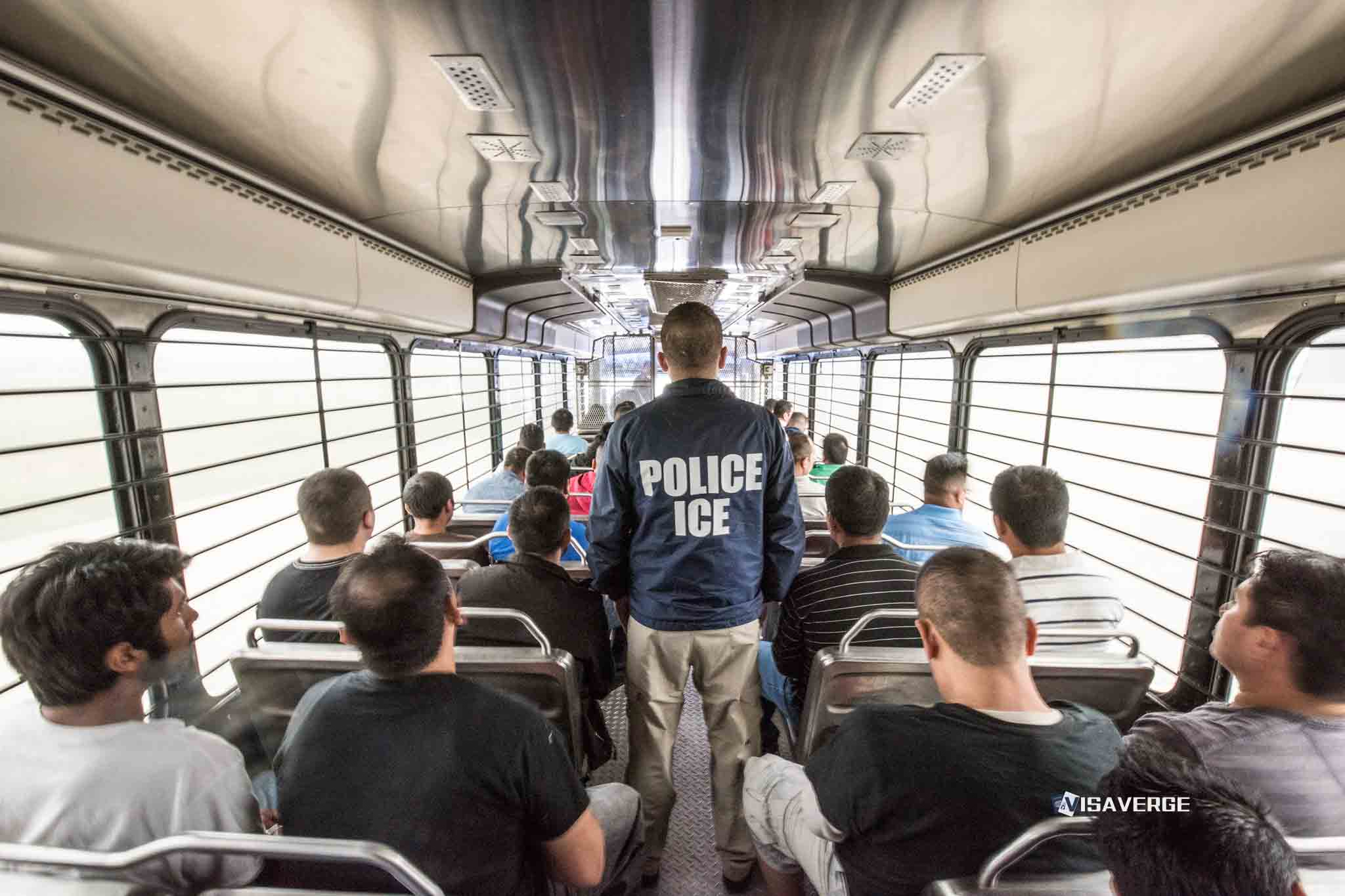
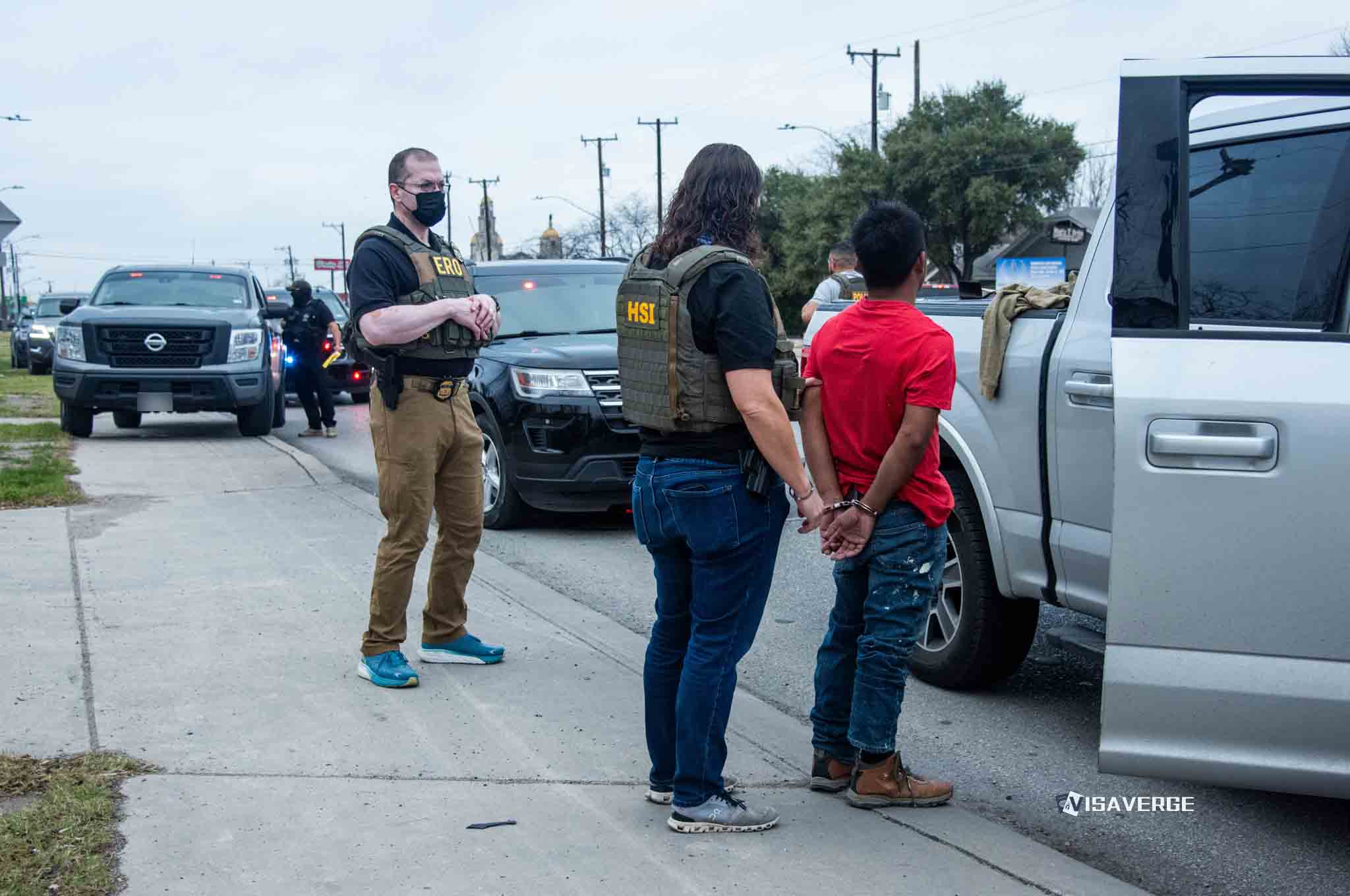
Even so, no blanket deportation campaign against CHNV parolees has taken shape. ICE has focused on “public safety threats” under updated enforcement guidelines, and that has spared most CHNV cases from immediate action while appeals continue.
Repatriation flights to countries willing to accept returns have continued on a selective basis. But volumes tied to CHNV remain low because injunctions have blocked broader removals.
That pause has not settled the legal status of parolees. Their parole has technically lapsed, yet courts have kept the government from moving ahead on wide-scale deportations, leaving many families between expired documents and frozen enforcement.
The diplomatic picture has also complicated returns. Venezuela and Nicaragua have refused some repatriations, while Haiti’s placement under a total ban has made removals harder to carry out.
Latin American leaders have protested family separations linked to the policy. Within immigrant communities, families with U.S.-citizen children have faced the prospect of split households if the injunctions fall.
Economic effects extend beyond those households. CHNV workers contribute more than $2B annually in taxes, according to the estimates cited, and industries employing them could lose more than 500K workers if large-scale removals begin, with costs rising 10-15%.
That pressure comes as other immigration routes remain constrained. Family-based visa categories have moved slowly, and although the April 2026 Visa Bulletin advanced EB-2 and EB-3 for most applicants and kept EB-3 rest of world current for filing, those openings do not offer a broad solution for the full CHNV population.
Several paths parolees may pursue include asylum, Temporary Protected Status if eligible, VAWA claims, or employment-based options.
They have also encouraged people to file defensive applications, including Form I-589, and to document U.S. ties for possible bond hearings. USCIS processing delays have averaged 18+ months, adding another layer of pressure for people trying to move into another legal category before courts rule.
Aid groups including Catholic Legal Immigration Network have offered support, while lawyers have urged parolees to avoid travel because the new bans and expanded vetting could block re-entry. They have also advised monitoring the Supreme Court docket and joining class actions where available.
Those legal calculations unfold against continuing crises in the four countries at the center of the CHNV parole program. Gangs control 80% of Port-au-Prince in Haiti, Venezuela’s GDP has halved since 2013, Nicaragua jails dissidents, and Cuba continues to ration basic goods.
For many parolees, that makes return more than a paperwork issue. If the injunctions are lifted, the administration could move toward 100,000+ removals monthly.
The administration has argued that executive authority gives it broad power over parole. Its opponents say the government cannot revoke protections on that scale without hearings and without running afoul of the Immigration and Nationality Act.
That dispute now sits at the center of one of the most closely watched immigration cases in the country. It also leaves hundreds of thousands of people waiting for a ruling that will decide whether a program that once granted legal entry and work authorization ends in continued court protection, departure through the CBP Home app, or a return to active removal proceedings.
For now, the injunctions have held. But with termination notices still on the books, travel bans in place, asylum processing slowed and the administration pressing its appeal, CHNV parolees remain suspended between a court-ordered reprieve and the risk that enforcement could restart with little warning.