- The Supreme Court terminated the CHNV Parole Program, affecting over 530,000 migrants from four nations.
- Beneficiaries must leave the United States voluntarily or face expedited removal and reentry bars.
- Affected individuals may explore alternative legal pathways like TPS, asylum, or the Cuban Adjustment Act.
The Department of Homeland Security has fully terminated the CHNV Parole Program, ending parole status and work authorization for roughly 530,000 to 532,000 Cubans, Haitians, Nicaraguans and Venezuelans after a U.S. Supreme Court decision on May 30, 2025, cleared the way for the administration to revoke the program.
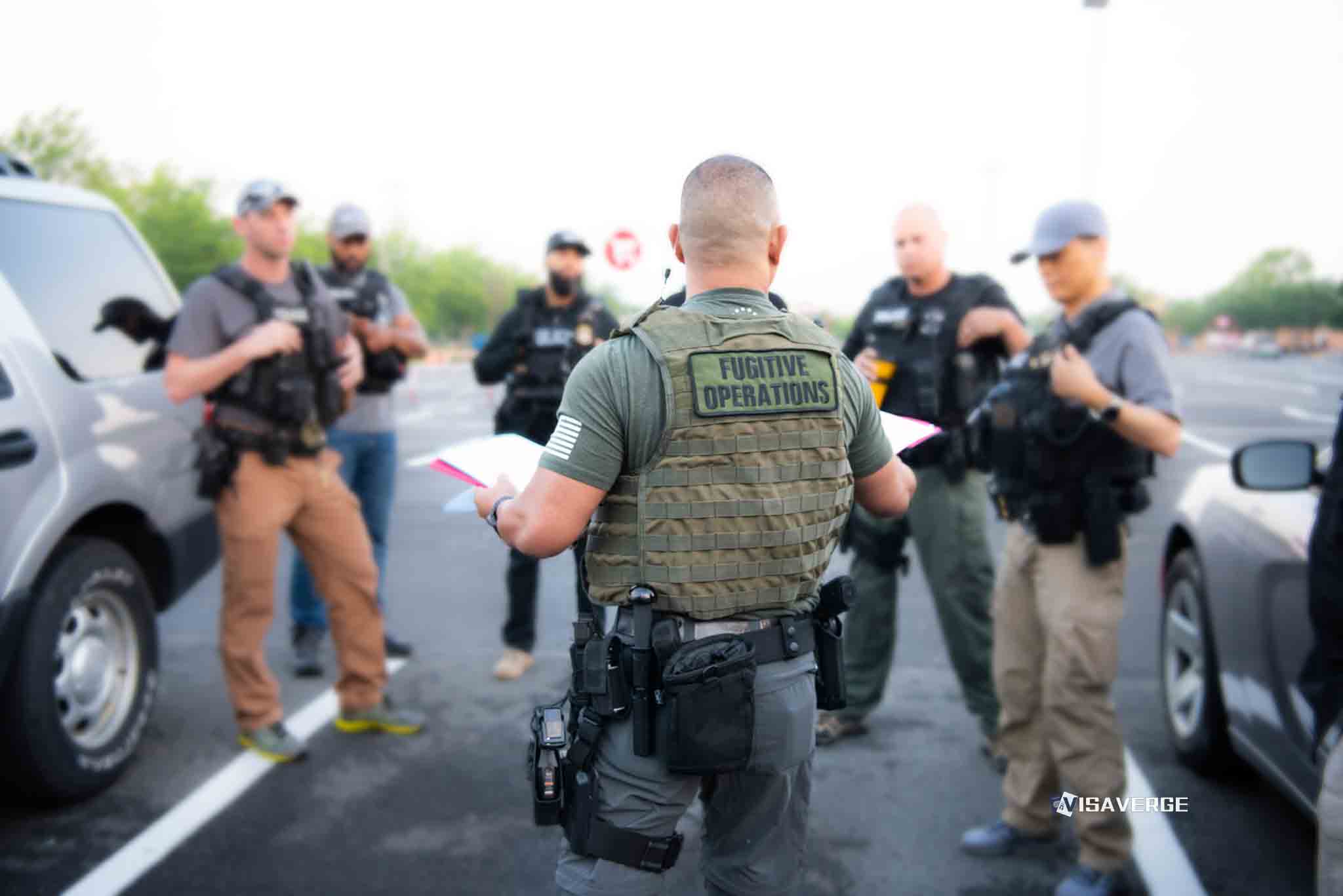
DHS began sending termination notices on June 12, 2025, through email and MyUSCIS accounts, revoking legal status effective immediately for people whose paroles had not already expired. The agency urged beneficiaries to leave voluntarily or face enforcement steps that can include expedited removal and a five-year reentry bar.
The move shut down one of the largest humanitarian parole initiatives created under Former President Biden. It also cut off employment authorization tied to the program, leaving affected migrants unable to work legally unless they had already secured another immigration status.
How the Program Began
Biden launched the program for Venezuelans in October 2022 and expanded it in January 2023 to include Cuba, Haiti and Nicaragua. It allowed up to 30,000 eligible people per month, along with immediate family members, to enter the United States temporarily for up to two years if they had a U.S.-based financial sponsor.
Participants received humanitarian parole and could obtain employment authorization through documents eligible for Form I-9 in category (c)(11). The administration presented the program as a lawful path for people fleeing political oppression, economic collapse, violence and instability in their home countries.
Trump Administration Rollback and Legal Challenges
President Trump moved to dismantle that framework after taking office. Executive Order 14165, “Securing Our Borders,” signed on January 20, 2025, directed the government to review and terminate broad categorical parole initiatives that it viewed as inconsistent with limits in immigration law requiring case-by-case urgent humanitarian need or significant public benefit.
DHS Secretary Kristi Noem formalized the end of the program in a Federal Register notice on March 25, 2025, and set April 24, 2025, as the initial end date for unexpired paroles. That action quickly triggered court challenges.
On April 14, 2025, U.S. District Judge Indira Talwani temporarily blocked the administration from carrying out the notice and individual termination letters. She also certified a class action and ruled that DHS had acted unlawfully by revoking parole categorically, without properly accounting for reliance interests such as relocation costs, community ties and the humanitarian basis of the program.
Talwani’s order kept parole and employment authorization documents valid until their original expiration dates. For a time, that shielded CHNV beneficiaries from immediate expedited removal.
The pause ended when the Supreme Court intervened. In a 7-2 unsigned order on May 30, 2025, the court granted a stay that lifted the district court’s block and allowed DHS to move ahead with terminations.
By June 12, 2025, the revocations were underway. As of March 2026, the CHNV Parole Program remains terminated, with no re-parole or extensions available.
The Department of Homeland Security has also stopped processing new applications connected to the initiative, and U.S. Citizenship and Immigration Services has halted Form I-134A submissions. The administration has framed the decision as part of a broader effort to align parole policy with foreign policy goals, reduce illegal migration and reserve parole for individualized cases.
Immediate Consequences for Beneficiaries
For those still in the country under CHNV, the immediate effect has been the loss of parole, lawful presence and work permission once the notice arrived. Any category (c)(11) work permit granted through the program is no longer valid after revocation, and automatic extensions do not apply.
That change has consequences beyond immigration paperwork. Employers in agriculture, construction, healthcare, skilled nursing and assisted living have lost workers who had filled labor gaps under valid employment authorization, and employers now must stop employing people whose CHNV-based authorization ended or risk penalties.
The affected population is large. An estimated 532,000 people entered the United States under CHNV by January 2025, including principal applicants and family members from Cuba ??, Haiti ??, Nicaragua ?? and Venezuela ??.
Not all beneficiaries were in the same position when DHS acted. Many who arrived in October 2022 or early 2023 saw their paroles expire naturally by late 2024 to mid-2025, and the Biden administration had already announced in October 2024 that there would be no re-parole. People who arrived later and still held unexpired grants were swept into the June 2025 revocations.
Families with U.S. citizen children, spouses or sponsors also feel the effects. The program had allowed many migrants to settle into communities over two to three years, and its end raised the prospect of family separation if some members can remain while others lose status.
Enforcement Risks and Departure Incentives
The threat of enforcement now hangs over those who stay without another legal pathway. DHS has pointed to expedited removal under INA sections 235(b)(1) and 212(a)(9)(A)(i), a process that can bypass hearings and carry a five-year reentry bar, although pre-authorized parolees may not qualify for expedited removal within two years.
At the same time, the government has tried to steer migrants toward self-departure. DHS has offered travel assistance and a $1,000 “exit bonus” to encourage people to leave on their own rather than face formal removal.
Travel carries fresh risks as well. A revoked parolee can face denial of advance parole or denial of reentry, and international travel may expose someone to removal when trying to return without valid status.
Possible Immigration Options
For people trying to stay in the United States legally, the options depend on what they qualified for before the revocation or what they can still pursue now. Immigration lawyers and nonprofit groups have urged affected migrants to check MyUSCIS accounts and email carefully for notices and to seek legal advice quickly.
Temporary Protected Status remains one of the clearest alternatives for some nationalities. TPS remains available for eligible Venezuelans and Haitians who meet the required continuous residence and physical presence dates and register during open periods. Haiti redesignation was listed as possible in February 2026.
Asylum remains open to all four nationalities if they can show a fear of persecution and meet filing rules, including the one-year deadline from arrival unless an exception applies. A successful asylum application can lead to work authorization after 150 days and eventually permanent residence, though the loss of parole complicates the position of many applicants.
Cubans may have a stronger route through the Cuban Adjustment Act. Under that law, a Cuban national who has been present in the United States for 1 year and is otherwise admissible can seek permanent residency, and parole counts as inspection for that purpose.
Some beneficiaries may also have family-based options if a U.S. relative filed an approved Form I-130 petition in time and if they otherwise qualify to adjust status or obtain a waiver. Others may explore employment visas such as H-1B if they have the right job offer and meet the legal requirements, though the revocation of parole limits what many can do from inside the country.
Case-by-case parole still exists in law, but the government has made clear that it will not revive broad nationality-based parole under CHNV. Any future parole would require an individual showing of urgent humanitarian need or significant public benefit.
Advocacy groups have pressed migrants to file for asylum, TPS or adjustment of status as quickly as possible where they qualify. But the scale of the program means legal aid providers face heavy demand from more than 530,000 people trying to find a path before enforcement catches up with them.
Broader Policy Shift and Continuing Impact
The end of CHNV also fits a wider policy shift under Trump away from Biden-era parole expansions and toward enforcement. Supporters of the termination say the prior program stretched the law beyond its case-by-case limits and encouraged migration flows that the government should have addressed through Congress rather than executive action.
Critics point to the disruption for families, employers and communities that had come to rely on the program. They also argue that the administration is dismantling a humanitarian channel that had offered an orderly route for people from countries facing political and economic upheaval.
For businesses, the compliance issues are immediate. Human resources departments must review employment eligibility records, update Form I-9 files where needed and determine whether any former CHNV workers may remain authorized through another status. For affected migrants, the choices are harder and more personal: leave, fight a legal battle for another status, or risk detention and removal.
As of June 3, 2026, no reversal had been reported and DHS continued the revocations. For hundreds of thousands of former beneficiaries, the U.S. Supreme Court decision did more than settle a legal dispute. It ended the CHNV Parole Program as a functioning pathway and left those who used it with narrowing options and little time.