Key Takeaways
• ICE can now operate on campuses after ending the ‘sensitive locations’ policy in January 2025.
• Universities face pressure between protecting undocumented students and adhering to federal immigration laws.
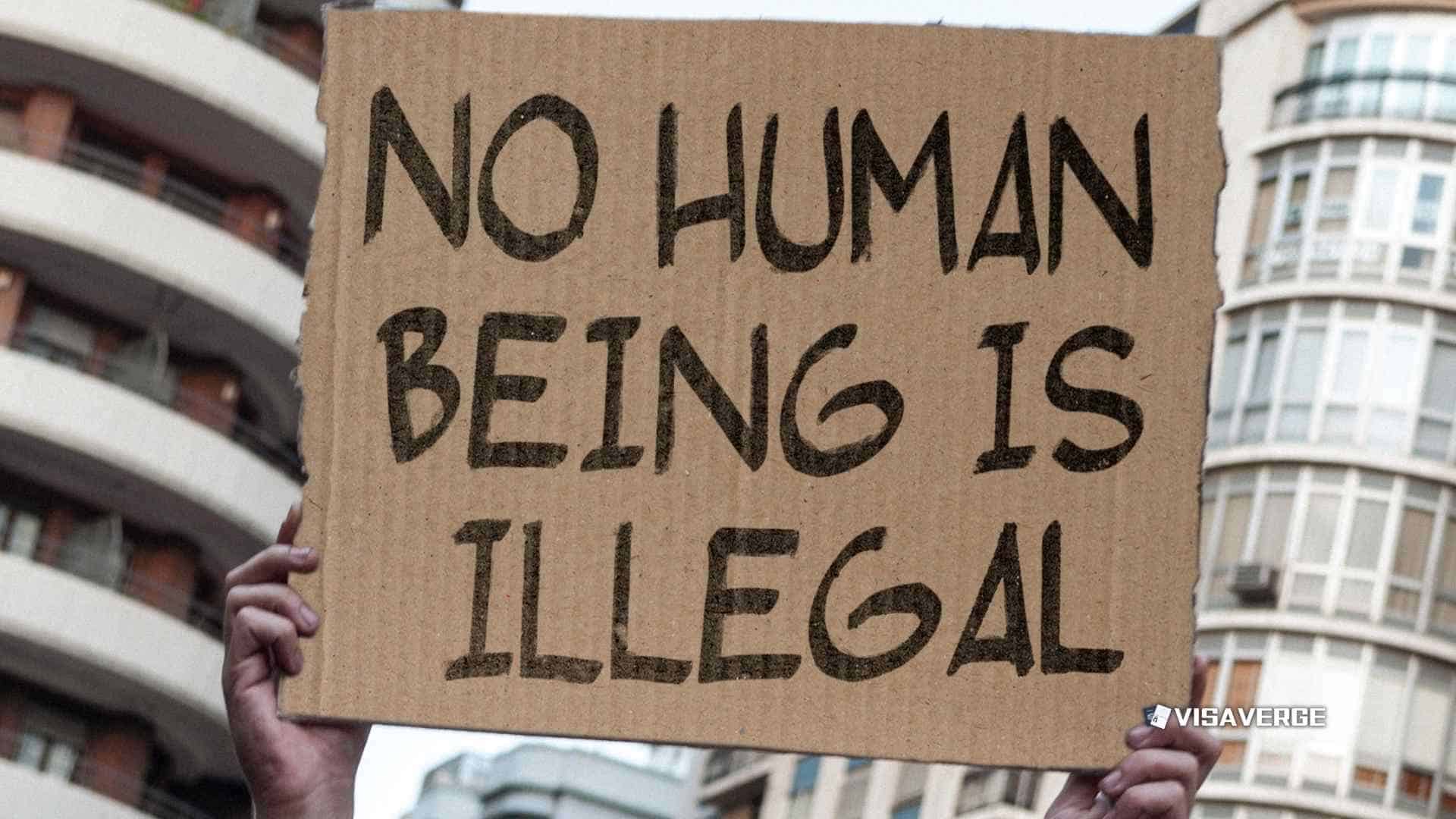
• Student protests demand sanctuary campus declarations to limit ICE activities and protect vulnerable students.
In recent months, immigration enforcement and higher education have become hot topics. Activists like the Higher Justice Coalition (HJC) are calling for campuses to be declared sanctuaries, a move that would restrict Immigration and Customs Enforcement (ICE) activities. Although no official statement has confirmed HJC’s direct involvement as of April 2025, this demand reflects broader concerns about the safety of undocumented students and the role of universities in a politically charged environment. These concerns have grown more urgent following big changes in federal immigration policies.
Immigration Enforcement Shifts on Educational Campuses
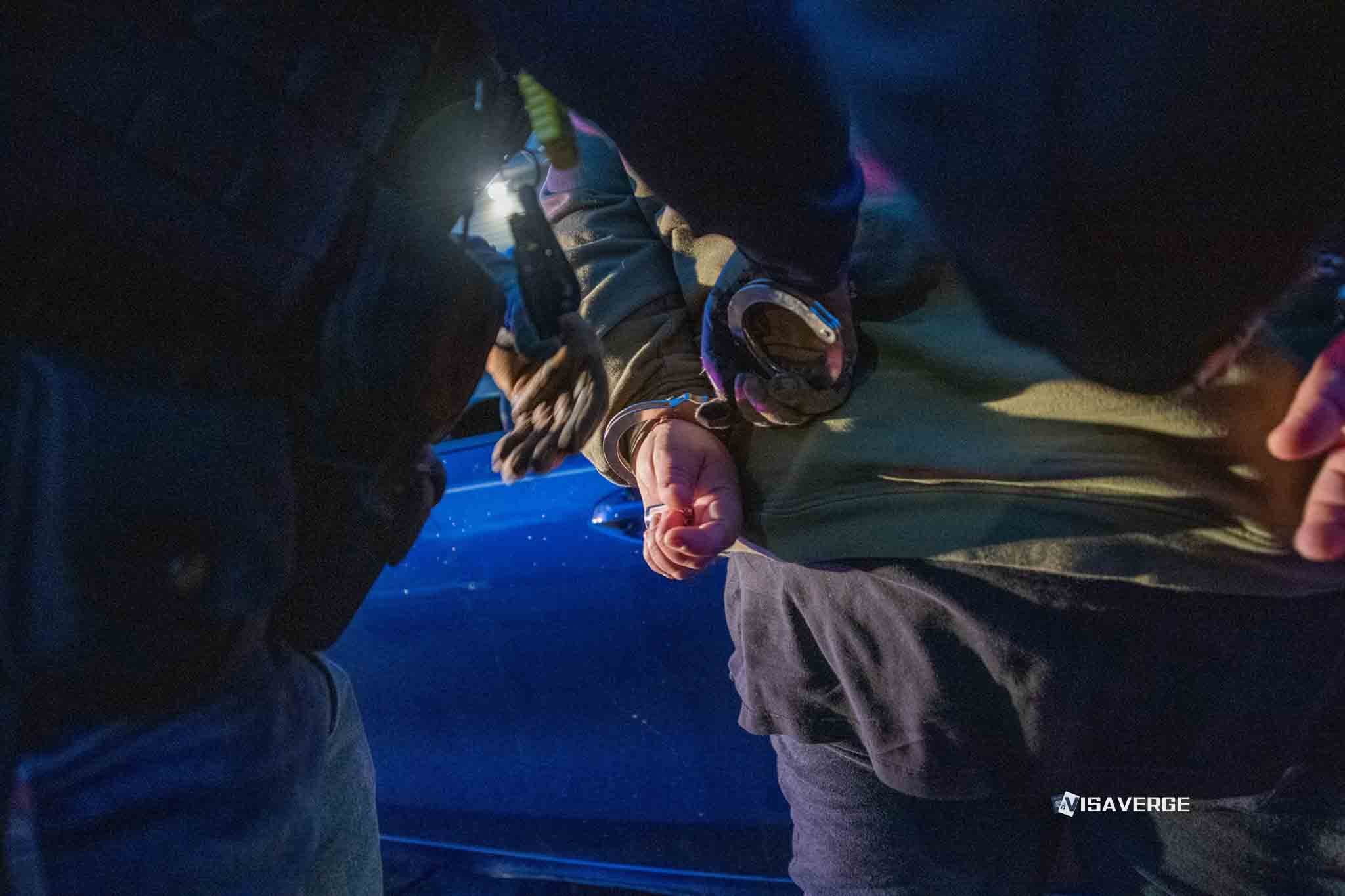
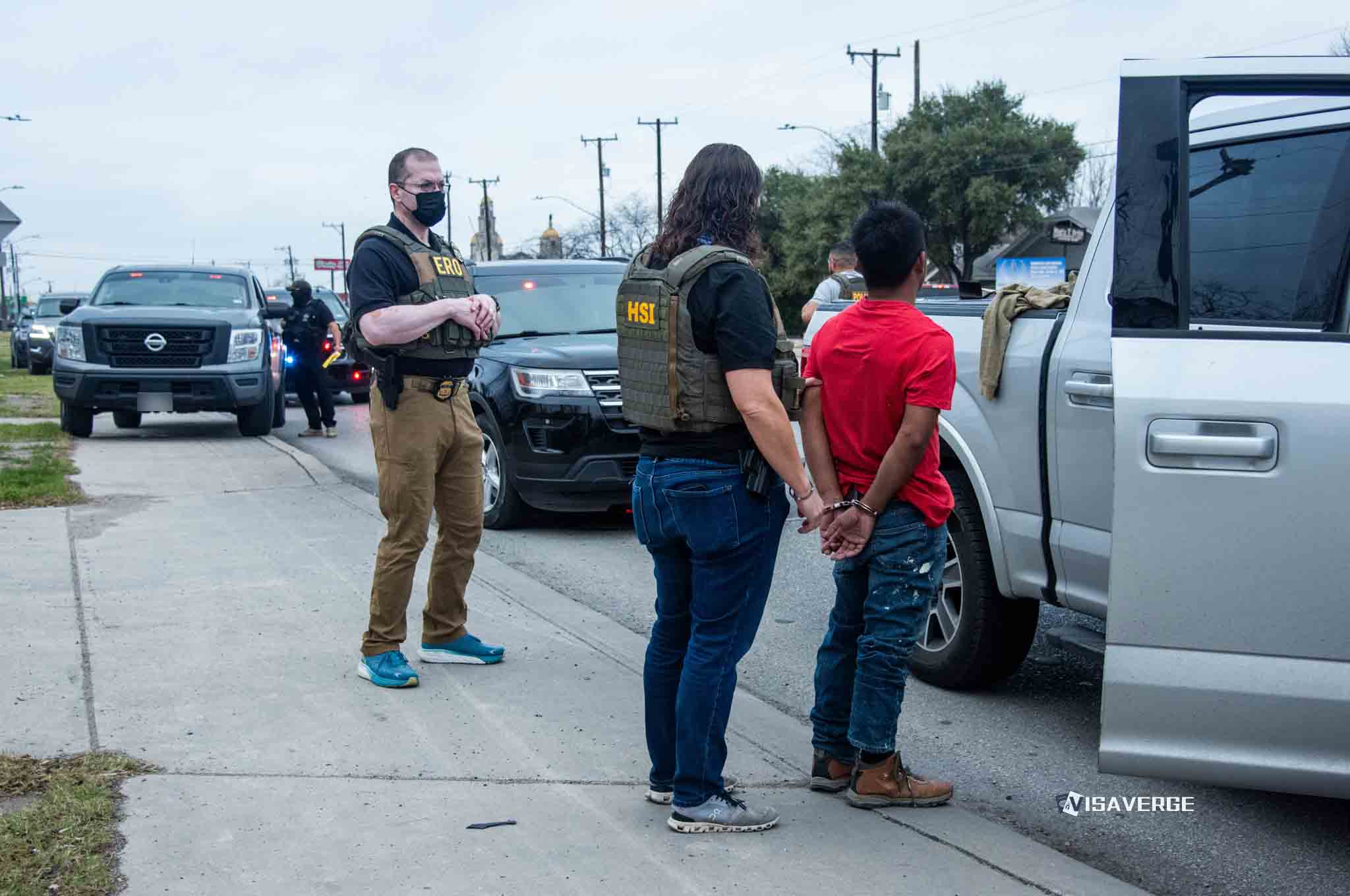
The debate over whether universities can or should limit ICE activities stems from a major policy shift earlier this year. In January 2025, the Trump administration ended the “sensitive locations” policy. This policy had prevented ICE from conducting enforcement actions in areas deemed essential, such as schools, churches, and hospitals. Its removal has given ICE the authority to conduct operations on university premises, sparking serious debates.
The removal of these restrictions has left universities, students, and advocacy groups in a difficult position. Many schools are struggling to meet their promises of inclusivity while following federal immigration laws. This conflict has created legal and ethical challenges that universities are trying to navigate while also addressing their students’ growing fears.
The Surge in Student Activism
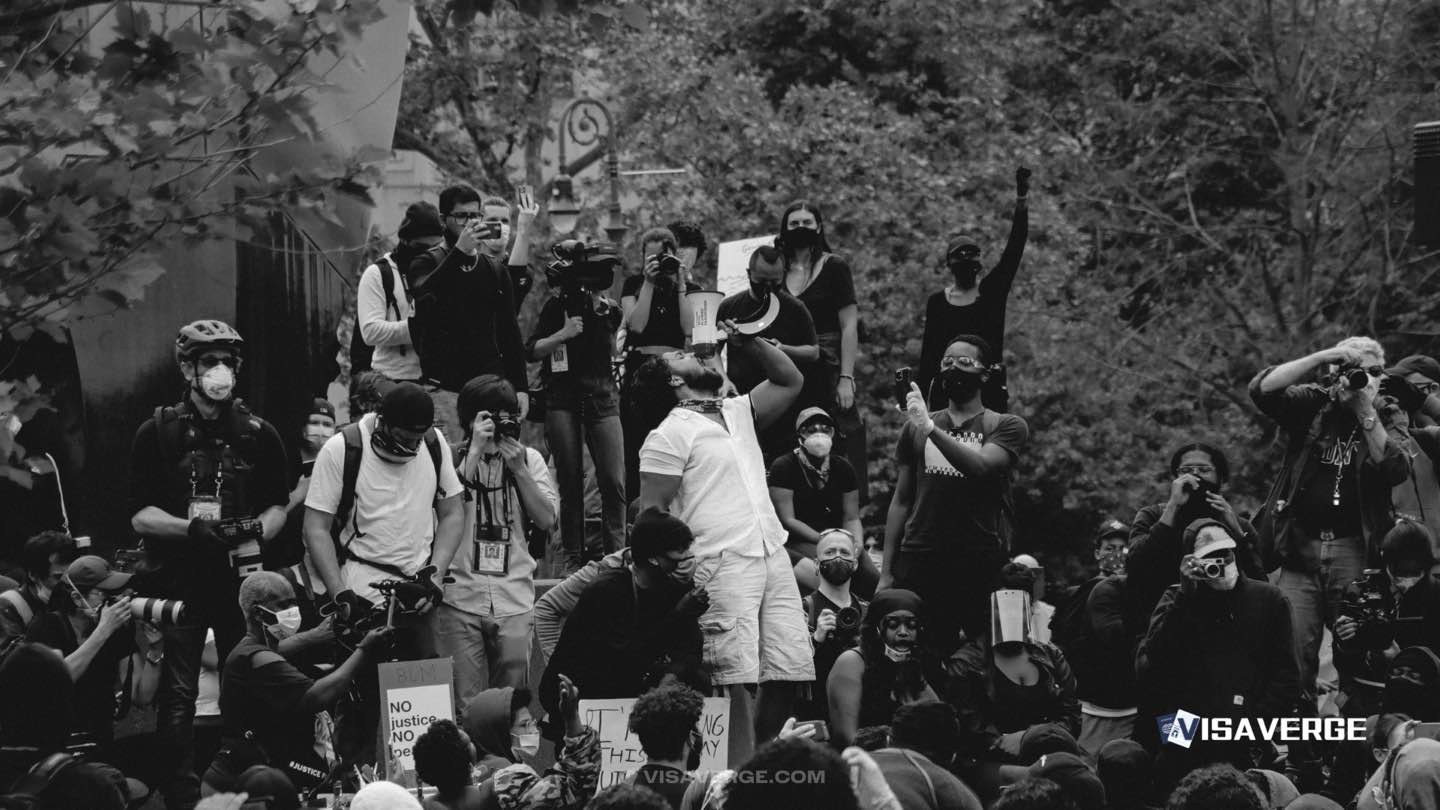
Students across the country have been increasingly vocal about these new policies. While there are no recent verified reports linking HJC to specific events, other student-led movements highlight the rising tension. On February 11, 2025, students at the University of Minnesota protested the university’s cooperation with ICE enforcement actions. They pushed for the campus to be declared a sanctuary, where ICE activities would be limited. Two weeks later, similar protests broke out at the University of North Carolina at Asheville. Students there demanded that the university protect undocumented students and declare itself a safe haven.
| India | China | ROW | |
|---|---|---|---|
| EB-1 | Feb 01, 2023 | Aug 01, 2023 ▲31d | Current |
| EB-2 | Nov 01, 2013 | Oct 01, 2021 | Apr 01, 2025 ▲90d |
| EB-3 | Jan 22, 2014 ▲21d | Jan 22, 2022 ▲14d | Jun 15, 2024 ▲31d |
| F-1 | Jan 22, 2021 ▲366d | Jan 22, 2021 ▲366d | Jan 22, 2021 ▲366d |
| F-2A | Oct 22, 2026 ▲30d | Oct 22, 2026 ▲30d | Oct 22, 2026 ▲30d |
These protests point to a growing movement among students who are advocating for their campuses to take a stand. They emphasize not only how vulnerable undocumented students feel but also how federal policies challenge the security of all community members. Though HJC has not been directly tied to these events, its goals are consistent with this broader wave of activism against immigration policies that students see as threatening.
How Universities Are Responding
The ending of the “sensitive locations” policy has forced many university administrators into difficult positions. Without legal protections, ICE now has access to areas historically defined as safe zones. This reality has sparked diverse responses from school officials.
Some universities have tried to act as safe havens for their students. For instance, the Long Beach Community College District took a bold step by declaring itself a “safe campus.” It promised that its security would not help ICE in enforcement operations. This decision won praise from advocates but also places the institution at odds with federal laws, potentially leading to consequences.
At other institutions, officials have chosen legal compliance over making such declarations. For example, Chancellor Lee Roberts of the University of North Carolina at Chapel Hill firmly stated that “We’re going to follow the law,” reinforcing the university’s official stance. This stance, however, caused division among faculty and students, raising questions about whether adhering to federal guidelines should come at the cost of student protection.
To address these complex challenges, some university leaders are crafting policies that prepare for potential ICE actions. Advice from groups like the American Federation of Teachers encourages schools to set clear protocols for responding to ICE inquiries, while also enhancing student protections through mental health services and privacy safeguards.
The Legal and Political Challenges of Sanctuary Campuses
The push to create sanctuary campuses is not something that exists in a vacuum. It is a legally and politically sensitive issue. Schools that adopt sanctuary policies risk drawing the attention—and possible retaliation—of the federal government. It’s not just a theoretical concern; previous warnings from the Trump administration mentioned potential penalties, such as the loss of federal funding, for areas deemed uncooperative with immigration enforcement.
Legal experts believe the rescission of the “sensitive locations” policy could eventually lead to lawsuits. Some argue that stepping up immigration enforcement in places like schools may violate certain access rights tied to education or religious freedoms. In the past, such restrictions were put in place to ensure individuals wouldn’t avoid places critical to their wellbeing—a principle some advocates may argue is under threat now.
Organizations lobbying for sanctuary policies argue that the fear created by these enforcement actions undermines public safety as a whole. When immigrant students and families avoid schools and healthcare facilities due to fear of deportation, they say, society as a whole suffers. These arguments, combined with the current legal concerns, make the future of ICE activity on campuses a matter of ongoing debate.
Advocates Push Back
Advocacy groups, like the New York Immigration Coalition, have strongly opposed ICE’s policy shifts. These groups emphasize the harmful effects of immigration enforcement in schools, where it can disrupt education and harm mental wellbeing. More importantly, the presence of ICE can instill fear in vulnerable communities, discouraging them from taking advantage of opportunities in education and healthcare.
To counter these effects, advocacy organizations have focused on grassroots campaigns. They provide educational tools, work to protect students, and support legal challenges against the government’s policies. In doing so, they encourage universities to resist ICE activities and to create safe spaces for all students.
ICE’s Position on the Changes
While universities and advocates criticize increased enforcement actions in schools, ICE officials defend the policy changes. Acting Department of Homeland Security Secretary Benjamine Huffman recently argued that lifting the “sensitive locations” restrictions allows ICE to effectively enforce immigration laws. “Criminals will no longer be able to hide in America’s schools and churches,” Huffman stated, framing the shift as an important public safety measure.
However, critics point out that linking students to criminality creates harmful stigmas. Many feel that increased ICE actions on campuses wrongfully suggest that immigrant students present a threat—a perception that further isolates already vulnerable communities.
Broader Implications for the Immigration Debate
The call for sanctuary campuses goes beyond individual schools—it reflects larger battles over immigration in America. While some argue for inclusion and safety for undocumented individuals, others insist on stricter enforcement of federal laws, regardless of where it takes place.
Universities have become battlegrounds for this debate because of their dual role as places for education and social progress. They serve as key spaces for undocumented students to overcome barriers, build opportunities, and integrate into their communities. For many students, their campuses are sanctuaries in an unofficial sense, but without formal sanctuary status, these protections might feel limited under the new policies.
Final Thoughts
While the Higher Justice Coalition has not been directly tied to recent activities, its demands for sanctuary campuses reflect broader concerns across the country. With ICE now allowed to operate in places previously recognized as safe zones, the stakes have heightened for students, educators, and administrators. Schools are being challenged to balance federal compliance with the moral duty to ensure all students feel welcome and protected.
Whether through protests, institutional actions, or eventual legal challenges, the discussion over sanctuary campuses is far from over. Universities will have to make difficult decisions about their stance on ICE activities as they work toward fostering inclusive environments. Organizations like HJC play a critical role in keeping these issues at the forefront of national discourse.
The decisions institutions make now will have far-reaching effects—not just for undocumented students but for the entire educational landscape. As the debate continues, schools have an opportunity to shape the future of immigration and education in the United States. For anyone affected, this includes a critical question: How will universities balance their values with the challenges of immigration enforcement? For further detailed guidelines on official ICE policies, visit U.S. Immigration and Customs Enforcement (ICE).
Learn Today
Sensitive Locations Policy → Policy restricting ICE actions in essential areas like schools, churches, and hospitals; rescinded in January 2025.
Sanctuary Campus → A university adopting policies to limit cooperation with ICE and protect undocumented students.
Higher Justice Coalition → Advocacy group pushing for educational reforms, including sanctuary university designations.
Immigration and Customs Enforcement (ICE) → U.S. federal agency enforcing immigration laws, including detentions and deportations.
Undocumented Students → Individuals attending school in the U.S. without official legal residency or citizenship status.
This Article in a Nutshell
The end of the ‘sensitive locations’ policy allows ICE to operate on university campuses. This shift has sparked student protests nationwide as activists call for sanctuary campuses. Universities must balance abiding by federal immigration laws with the ethical responsibility of protecting vulnerable undocumented students amidst escalating immigration enforcement policies and rising community tensions.
— By VisaVerge.com
Read more:
• Federal Funds for Citizenship Help Cut in Nevada Over ‘Sanctuary Cities’
• Michelle Wu Defends Sanctuary City Laws in Bold Pro-Immigrant Speech
• Sanctuary City Mayors Stand by Immigration Policies Before House Panel
• Republicans Focus on 4 Sanctuary Cities as Trump Backs Deportation Plan
• California Democrats Reconsider Sanctuary Policies Amid Trump Deportation Plans