- The Trump administration has intensified denaturalization efforts by targeting more than just war criminals in 2026.
- A new Vetting Center centralizes fraud screening by reviewing old citizenship applications and prior immigration records.
- Materiality remains the legal standard, but minor omissions or errors now face aggressive federal court scrutiny.
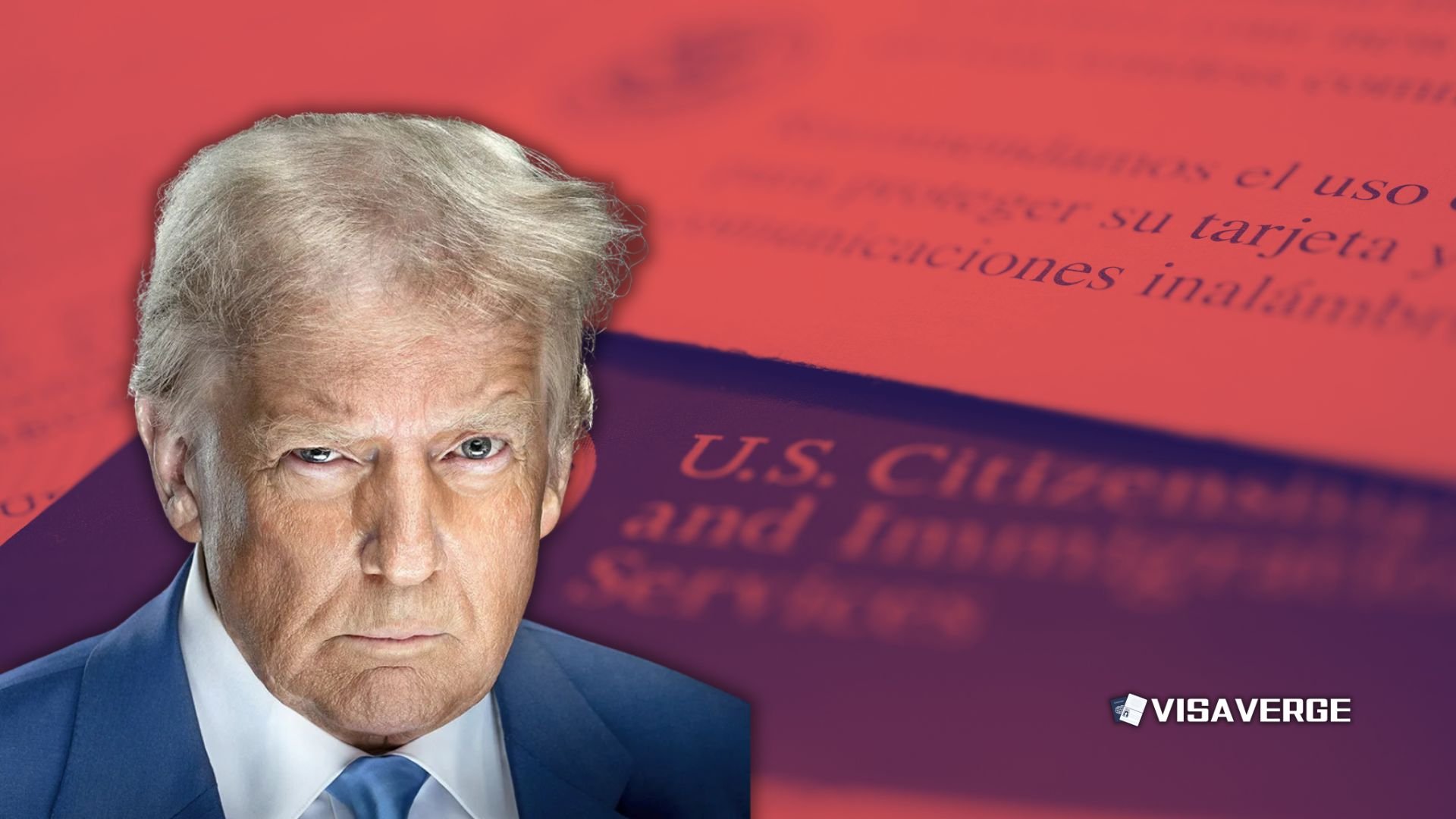
(UNITED STATES) Denaturalization has moved from a rare courtroom action to a live threat for many naturalized U.S. citizens under the Trump administration. What once focused on war criminals and clear citizenship fraud now reaches far more cases, and that shift is creating fear for families who thought their status was permanent.
The core issue is simple: the government can revoke citizenship if it proves a person lied, hid key facts, or obtained naturalization through conduct that should have blocked approval. In 2026, officials are treating that standard more aggressively, especially when they review old applications, interview records, and prior immigration histories.
That matters for millions of naturalized citizens because citizenship is often seen as the final step in the immigration process. It is not always treated that way in this enforcement climate. According to analysis by VisaVerge.com, denaturalization now sits inside a broader system of scrutiny that includes tougher vetting, more screening, and a wider reading of fraud.
Free toolCSPA Age-Out Calculator OnlineThe Trump administration’s new enforcement posture
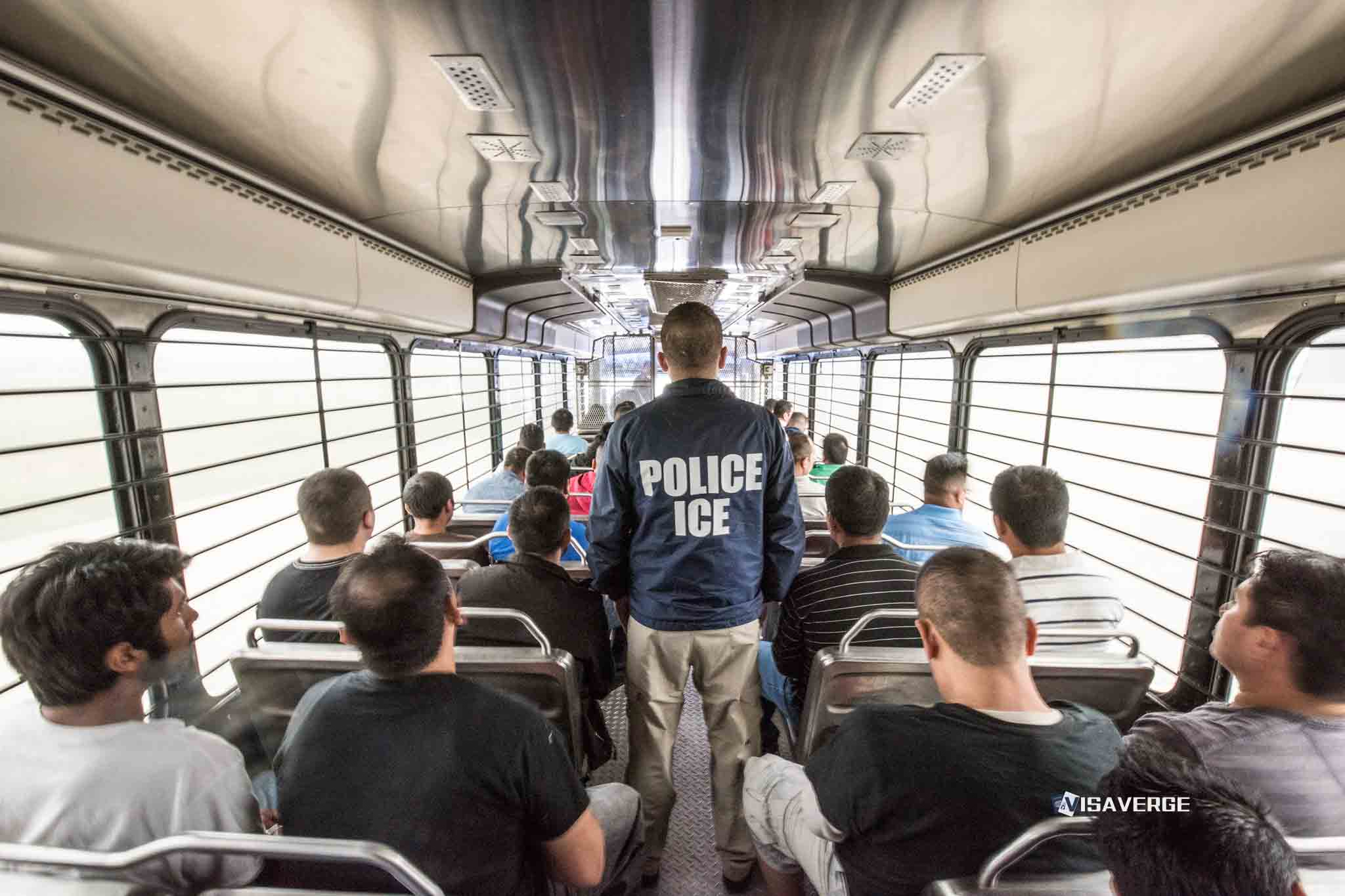
The change began during President Trump’s first term with Operation Second Look, a program built to identify naturalized citizens suspected of fraud during the citizenship process. The effort marked a sharp break from the old model, when denaturalization was usually reserved for Nazi collaborators, war criminals, or people whose lies were obvious and serious.
In 2026, the approach has intensified. USCIS opened a new Vetting Center in December 2025 to centralize enhanced screening for fraud and other disqualifying conduct. That move matters because it signals a more organized system for finding cases before they disappear into older files or local office records.
The administration has also widened screening beyond naturalization files. It now applies more intensive checks to visa applicants, including expanded social media and online presence reviews for H-1B, H-4, K-1 fiancé(e), religious worker, trainee, domestic worker, T, and U visa cases. It has also expanded travel scrutiny to look beyond passport nationality and consider country of birth, dual nationality, long-term residence abroad, and recent travel history.
How denaturalization works under current law
Denaturalization is the legal process that strips citizenship from a naturalized citizen and can expose that person to removal from the United States. The government must prove its case in federal court, and it must do so by clear and convincing evidence. That is a demanding standard.
The key legal word is materiality. In Maslenjak v. United States in 2017, the Supreme Court said a false statement must be material, meaning it must affect eligibility for citizenship. The Trump administration’s current posture gives that word a much broader reach. Statements or omissions once treated as small errors can now be reviewed as grounds for denaturalization.
Federal court gives defendants important rights. They can hire a lawyer, challenge the government’s evidence, question witnesses, and appeal an adverse ruling. But the process is expensive, stressful, and often slow. Even people who win can spend years under the weight of an investigation.
If a naturalized citizen wants a direct reference point for the citizenship process itself, USCIS keeps the main naturalization filing form at Form N-400, which is the application used to request U.S. citizenship.
Citizenship fraud and the kinds of mistakes now under review
The administration is focusing heavily on citizenship fraud, but that term now covers more than outright lies. It includes false statements, hidden arrests, omitted deportations, inaccurate residence histories, and other mistakes that immigration officers may now treat as material.
The most common grounds include fraud or misrepresentation during naturalization, concealment of criminal history, involvement in persecution or war crimes, terrorist activity, or membership in groups that advocate overthrow of the U.S. government. Some of those categories are rarely used. Others are now being pursued with more urgency.
The practical risk is that older applications are being revisited with fresh eyes. A missed arrest, a mistake about travel dates, or an omitted prior immigration violation can become the center of a federal case if officials decide the error mattered to the citizenship decision. That is a major shift from past enforcement.
Post-naturalization conduct can also feed a denaturalization case. A criminal conviction after citizenship does not automatically cancel nationality, but it can be used to argue that the person lacked good moral character at the time of naturalization. Serious crimes can also trigger removal proceedings in limited situations.
Who faces the highest risk
Naturalized citizens with prior immigration violations are in the most exposed position, especially if those issues were not disclosed during the citizenship process. That group includes people with prior deportations, visa overstays, unauthorized work, or inconsistencies between old records and the naturalization file.
People with criminal histories are also under sharper scrutiny, particularly where arrests, convictions, or charges were never listed on a Form N-400 application. The same is true for anyone whose file contains conflicting dates, employment records, family information, or travel history.
Citizens from countries now facing heavy visa restrictions may also feel more pressure because the enforcement climate treats them as higher-risk cases. The administration suspended approval of immigrant visas for people from 75 countries in January 2026, saying it wanted to stop people from “high-risk countries” from using welfare in the United States. That measure is being challenged in the Southern District of New York.
Why this now reaches beyond old war-crimes cases
For decades, denaturalization was rare. The government used it mainly against the most extreme cases, and courts treated citizenship as a durable legal status. That norm has weakened. The Trump administration has made denaturalization part of a larger immigration push that also includes visa restrictions, fee hikes, benefit cuts, and tighter screening.
The administration has introduced a $100,000 fee for new H-1B petitions for workers located outside the United States, replaced the lottery with a wage-based selection system, and proposed higher salary thresholds for many employment-based visas. It has also reduced the maximum validity of certain Employment Authorization Documents to 18 months, which forces more renewals and creates more chances for delays.
At the same time, legal protections like Temporary Protected Status and humanitarian parole have been canceled or revoked for over 1.5 million people, and more than 100,000 student and worker visas were revoked in the previous year. That broader pattern helps explain why denaturalization now feels less like a narrow legal tool and more like a permanent enforcement weapon.
Political messaging has changed, but the policy has not
By March 2026, the White House told lawmakers to move away from the phrase “mass deportations” and instead focus on removing violent criminals. That change in language was meant to soften the public message. It did not change the enforcement machinery.
The government is still pursuing denaturalization, still expanding vetting, and still treating old records as fresh leads. White House messaging may have changed tone, but the legal pressure on naturalized citizens remains intense.
What naturalized citizens are watching now
Many naturalized citizens are rechecking old records, especially when they know there were mistakes in an application or gaps in their immigration history. That concern is stronger for people who had prior arrests, past visa problems, or earlier encounters with immigration officers. Families are also watching for travel problems, because enhanced screening at ports of entry has become more common and more unpredictable.
The current climate rewards accuracy and punishes silence. If the government believes a statement was false and material, it will treat that as a path to denaturalization. If it believes a person hid criminal or immigration history, it may move from investigation to litigation.
Naturalized citizens facing any government inquiry should take it seriously from the start. In a system shaped by the Trump administration’s broader enforcement campaign, a single file review can become a citizenship case, and a citizenship case can become a fight for the right to stay in the country at all.