- The Department of Homeland Security ended Temporary Protected Status for thousands of Afghans on April 11, 2025.
- Between 9,000 and 14,600 people lose legal work authorization and face potential deportation starting May 20, 2025.
- Veterans and advocates warn that returnees face severe Taliban retaliation due to past ties with U.S. forces.
(AFGHANISTAN) — The Department of Homeland Security ended Temporary Protected Status for Afghans on April 11, 2025, stripping a layer of legal protection from thousands of people in the United States and pushing many closer to deportation as other immigration cases remain unresolved.
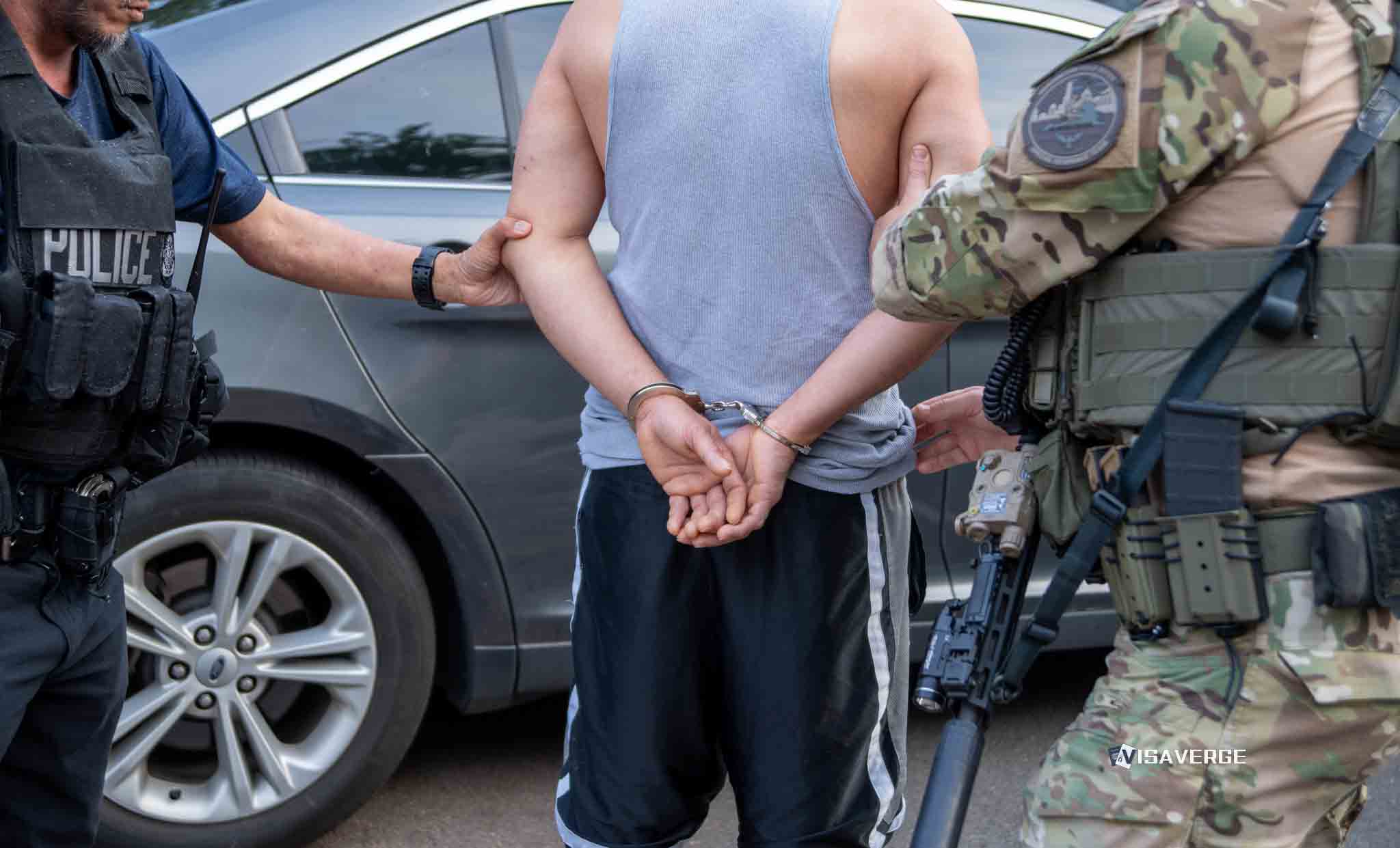
The move affects somewhere between 9,000 and 14,600 Afghans who had been allowed to stay because of war and disorder in Afghanistan. Many also lost humanitarian parole, another form of protection that had allowed them to enter or remain in the country for urgent humanitarian reasons or significant public benefit.
For many families, the immediate issue is legal status. With TPS protection ending on May 20, 2025, affected Afghans lose not only the right to remain under that program but also the ability to work legally, leaving people with pending asylum claims or Special Immigrant Visa applications exposed to removal while they wait.
Some received letters telling them they had seven days to leave the country. Confusion has also persisted over whether people who arrived during the chaotic evacuation of Kabul are exempt, leaving some Afghans unsure whether they remain protected or face removal right away.
How Temporary Protected Status Works
Temporary Protected Status allows the U.S. government to let people from countries facing war, natural disasters or other dangers stay in the United States and work legally until conditions improve. Afghan nationals had relied on that protection, along with humanitarian parole, in the years after the Taliban returned to power in 2021.
Those programs carried particular weight for Afghans who had worked with American and Western forces or who said they faced direct threats at home. The Department of Homeland Security controlled access to those protections.
Broader Immigration Enforcement Under Trump
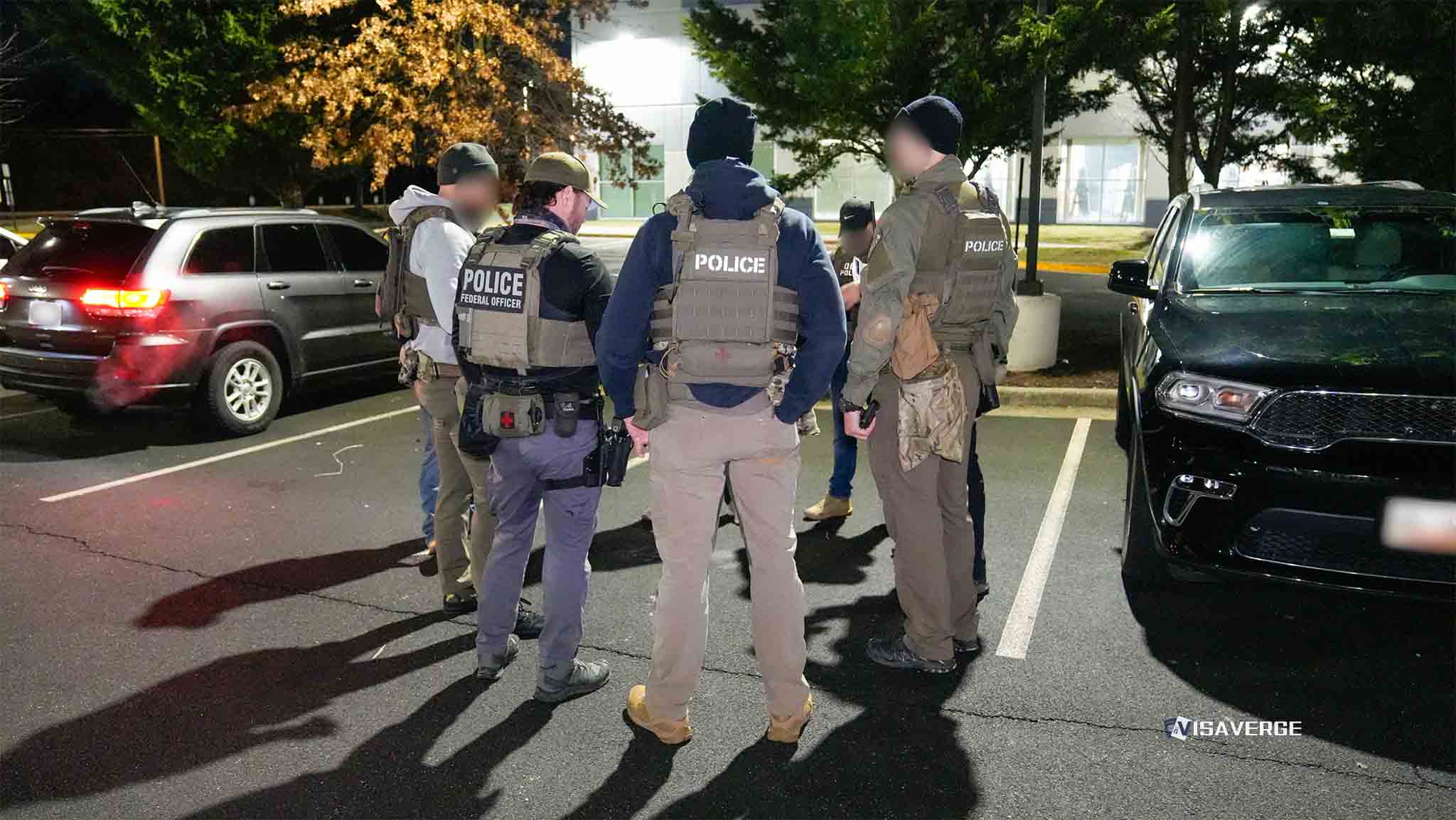
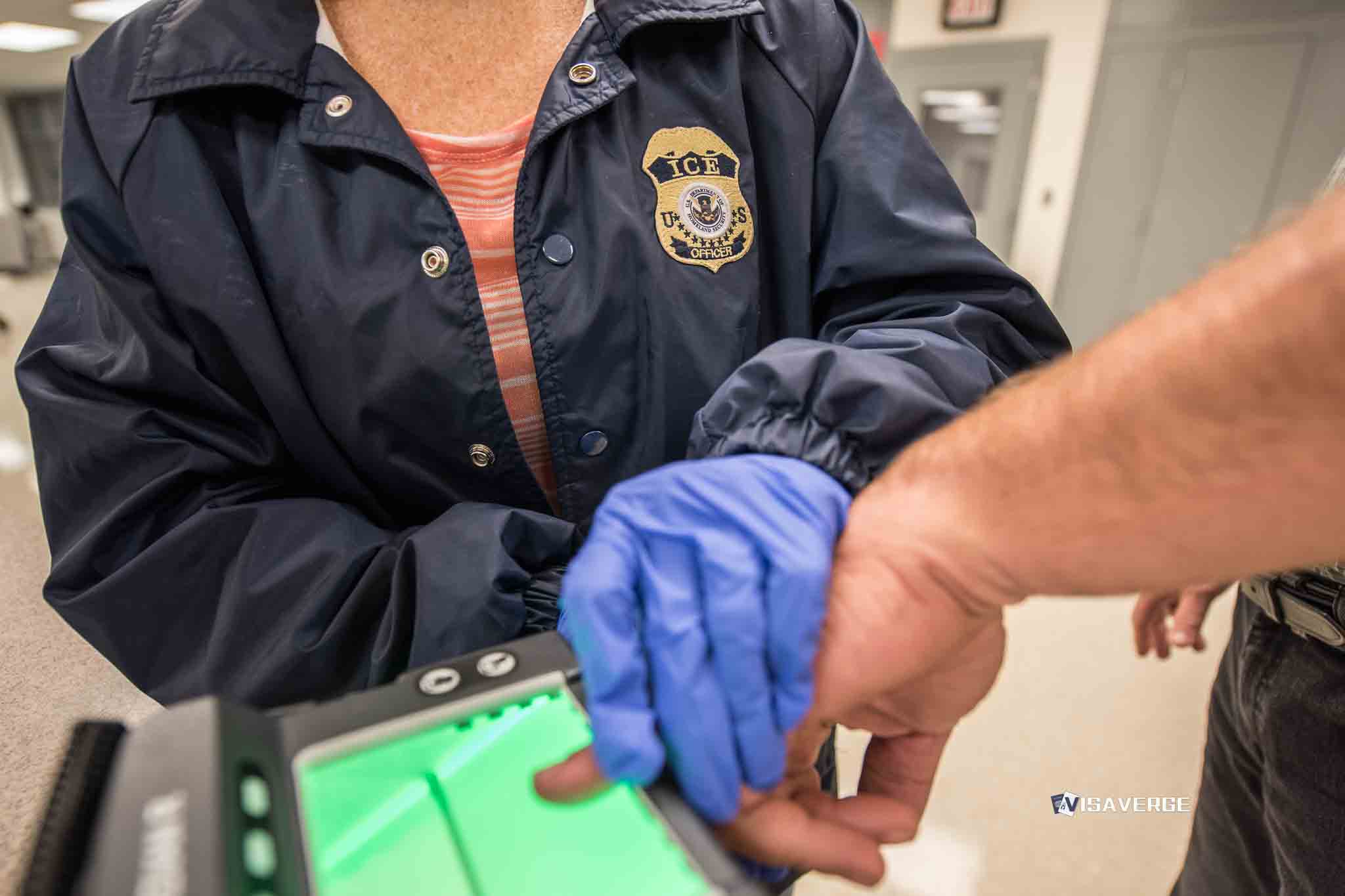
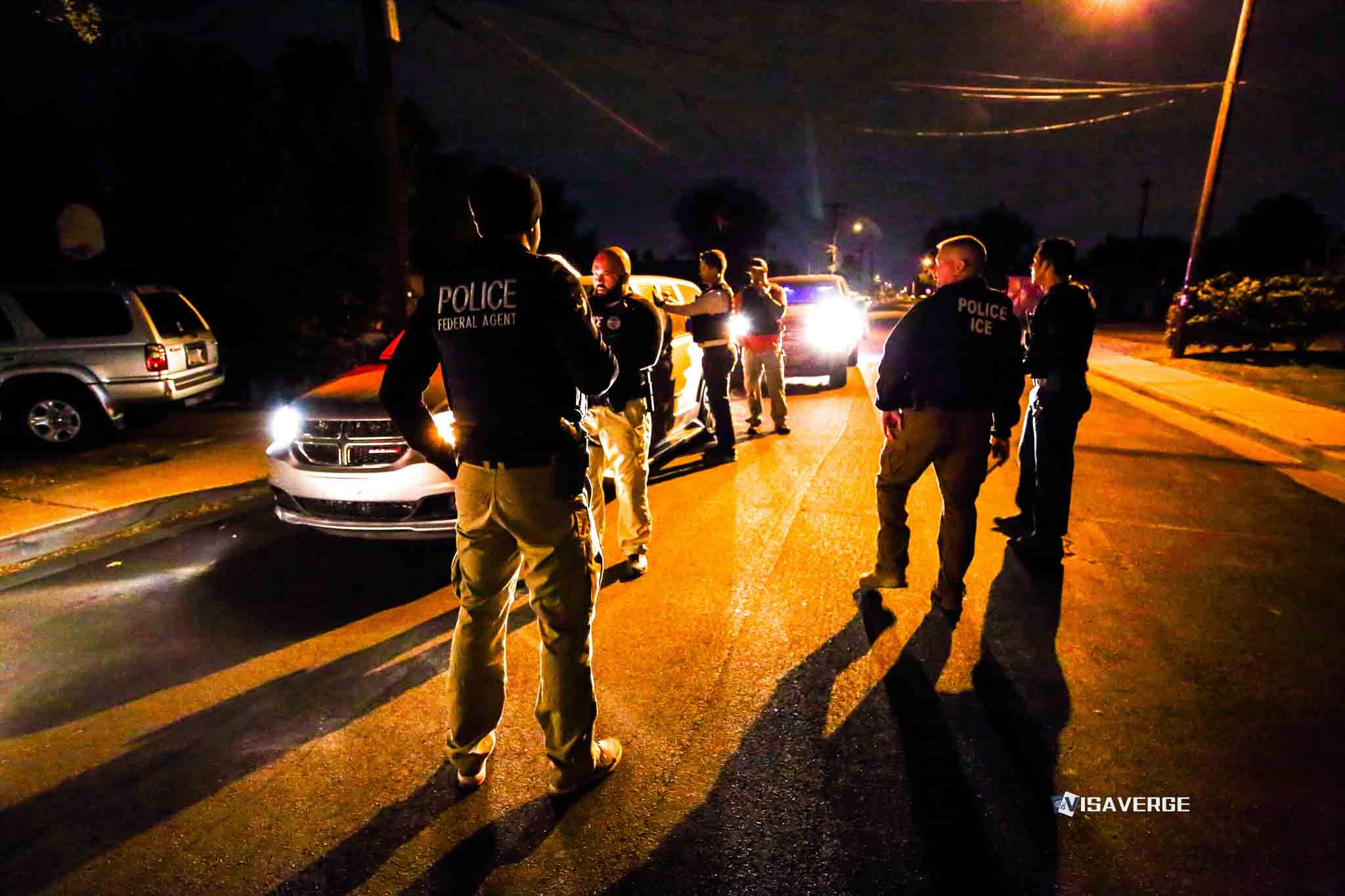
The policy change came as President Trump’s administration widened immigration enforcement. The government has sought to increase deportations, with a goal of up to a million removals a year, while actual numbers so far are lower.
Officials have also expanded the use of expedited removal, allowing people to be deported quickly, sometimes without review by an immigration judge. At the same time, the government paused most new refugee admissions, closing off one of the traditional paths that might otherwise have offered relief.
Risk of Return to Taliban-Controlled Afghanistan
For Afghans whose TPS has ended, the risk now extends beyond paperwork. Advocates, lawyers, veterans and faith leaders say many of those affected would face danger if forced back to Taliban-controlled Afghanistan, especially people linked to U.S. forces, Western organizations or civil society work.
The Taliban has attacked people connected with Western groups since taking power, according to advocates cited in the debate over the policy. Women and girls face additional restrictions, with limits on education, work, travel and access to services.
Those conditions have sharpened fears among Afghans who built their cases around the idea that the United States would not return them while country conditions remained dire. For some, that fear deepened when TPS ended even though their other immigration filings were still pending.
A person with a pending asylum case, for example, may still be waiting for a decision while losing TPS-based protection and work authorization. Others are still waiting on Special Immigrant Visas, which often take a long time to process.
That leaves few clear options in the short term. Asylum remains one possible route for some Afghans, and Special Immigrant Visas remain another for those who qualify through service alongside the U.S. government or military, but both can take time.
Humanitarian parole had been another lifeline, but many Afghans lost that status as well. The pause on most new refugee admissions has further narrowed the safety net.
Calls for Relief and Legal Concerns
Some advocates and lawmakers have urged the government to restore or broaden humanitarian parole while asylum and visa cases remain pending. Others have called for renewed TPS or legislation that would create a more permanent path for Afghans who worked alongside American forces.
The legal climate has also raised due process concerns. New directives have made it harder for Afghans to fully present their claims, with immigration judges in some cases able to deny asylum requests without holding a full court hearing if they view an application as weak.
Rights advocates say that approach cuts back the chance for people to show why they fear return. They have argued that reduced hearing opportunities are especially troubling for Afghans who say they risk arrest, punishment or worse if sent back.
Another point of tension has centered on exemptions. Some officials have discussed making exceptions for certain Afghan Christians after pressure from faith-based groups, a step that advocates say would leave most Afghans without help despite facing many of the same threats.
That debate has fed criticism that similar dangers could lead to different outcomes depending on religion. Veterans, legal groups and faith leaders have argued that all at-risk Afghans should have the same chance to remain safe.
Community Fallout and Daily Life
The effects have spread well beyond immigration court dockets. Community leaders say fear of enforcement has led many Afghans and other immigrants to withdraw from daily life, avoiding doctors, keeping children home from school and refusing help from social service programs.
That anxiety has grown as people weigh what the end of Temporary Protected Status means in practical terms. Once TPS expires, a person can lose the legal right to stay under that program and the work permit tied to it, even if another form of relief is still unresolved.
For Afghans who came to the United States after years of working with American personnel, the shift has also carried a moral charge. Veterans groups have said the policy breaks commitments made during the war and after the fall of Kabul.
Zia Ghafoori, a former interpreter for U.S. forces who now leads a group helping other Afghans, captured that anger in a blunt appeal: “We promised these people that if you stood with me, we will stand with you.”
That sense of betrayal has resonated because the United States spent nearly two decades in Afghanistan, working with interpreters, aid workers and civil society leaders. After Kabul fell, the United States carried out a large airlift and gave assurances that people who had helped would be protected.
Now many of those same people face a far narrower set of options. Some are pursuing asylum. Some are waiting on Special Immigrant Visas. Some had relied on humanitarian parole that no longer exists for them. Refugee pathways have largely stalled.
The uncertainty has proved especially hard for women, journalists and others whose public roles may make them more visible to the Taliban. One Afghan woman who worked as a reporter supporting women’s rights entered the United States under humanitarian parole and later received a letter giving her one week to leave while her asylum case remained pending.
Another Afghan who served as a soldier alongside U.S. forces saw his Special Immigrant Visa delayed and then lost TPS, leaving him unable to remain securely in the United States and unwilling to return safely to Afghanistan. Legal aid groups say those cases are part of a broader pattern affecting hundreds of families.
Political Pressure and Possible Next Steps
Lawmakers from both parties, along with veterans’ groups and faith leaders, have pressed Congress and the White House to act before large-scale deportations begin. Their proposals vary, but they center on restoring protections or creating new ones for Afghans who remain at risk.
Some want the Department of Homeland Security to renew Temporary Protected Status. Others want broader use of humanitarian parole while visa and asylum cases are pending. Still others back legislation creating permanent pathways for Afghans who worked with the U.S. mission.
Court action has offered limited encouragement to some advocates. They have pointed to recent litigation involving Temporary Protected Status for Venezuelans as an example of judges stepping in to delay or block removals for a time, though that has not provided a permanent answer for Afghans.
For now, the practical picture remains harsh. Afghans affected by the April 11, 2025 decision face deportation risk, loss of work authorization and pressure to defend themselves in a tighter legal environment while the Taliban remains in power.
Many are making emergency plans, gathering records and trying to stay in touch with legal clinics. Others are packing belongings or turning to local charities for help as long as they can remain.
The broader question hanging over these cases is whether the United States will continue to offer protection to Afghans who say they are unsafe at home and whose ties to America put them at greater risk. Without action from Congress, the courts or the Department of Homeland Security, the end of TPS leaves many with shrinking room to maneuver.
What remains are a handful of difficult avenues: asylum for those who can prove fear of persecution, Special Immigrant Visas for some who served the U.S. mission, and whatever temporary relief the government or courts may still allow. For thousands of Afghans, those options now stand between life in legal limbo and a return to a country they fled.