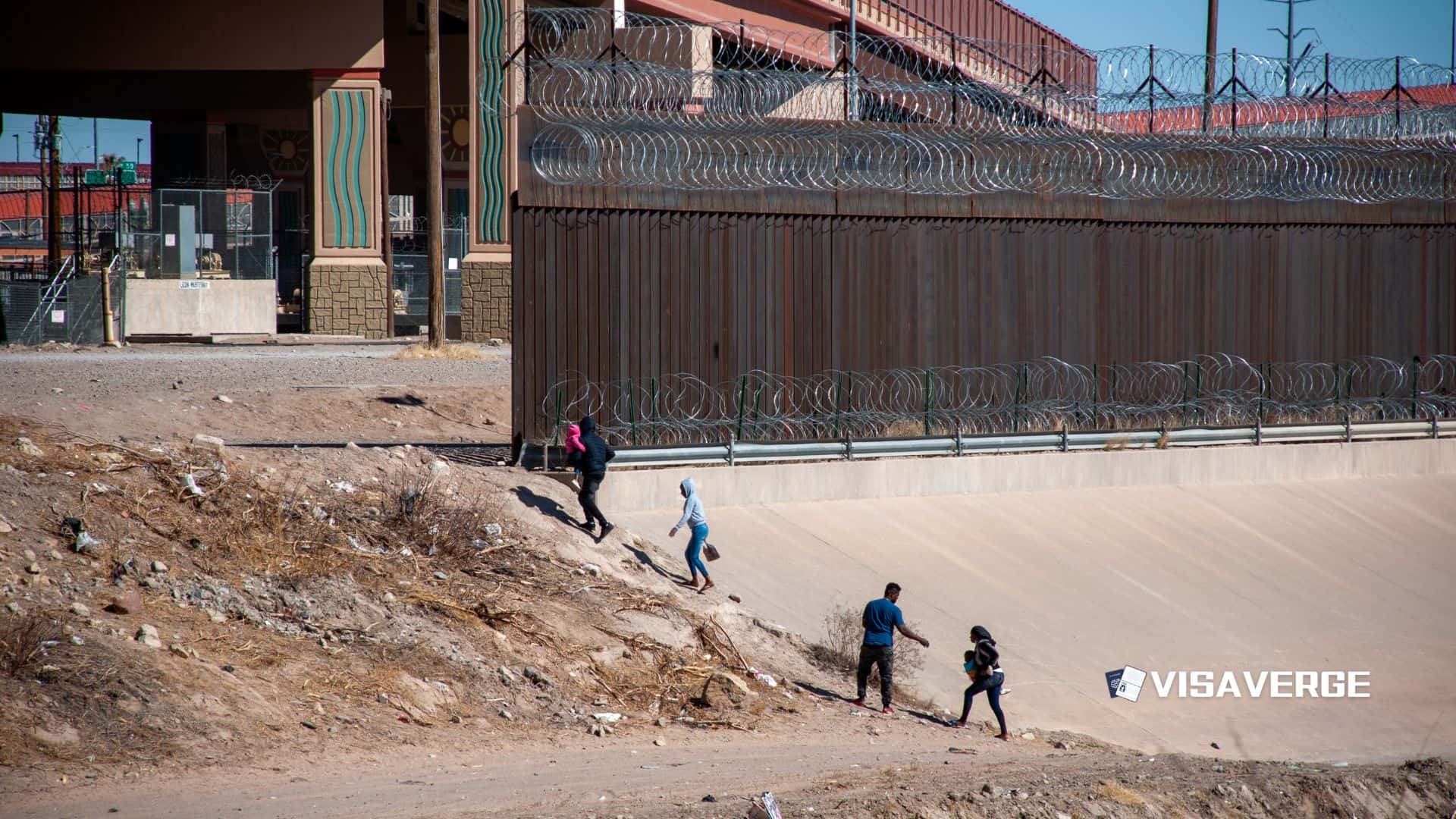
In a significant development that affects both Texas and national immigration policy, the Supreme Court has issued an extension, putting a temporary halt to a controversial Texas immigration law. This law, known as Senate Bill 4 (SB4), aims to allow Texas law enforcement to apprehend and deport individuals suspected of illegal entry into the United States from Mexico. This move by the Supreme Court comes after a period of legal battles and showcases the tension between state and federal authority over immigration enforcement.
What Is Senate Bill 4?
Senate Bill 4 is a piece of legislation that grants Texas the power to prosecute illegal border crossings as a state crime. The primary purpose behind this law, as stated by Texas officials, is to combat the challenges posed by illegal immigration and to serve as a deterrent against unlawful entry into the country. This law, however, has been the subject of controversy and legal scrutiny due to its potential conflict with the longstanding tradition of treating immigration enforcement as a federal responsibility.
Free toolUSCIS Receipt Number DecoderWhy Did the Supreme Court Pause Senate Bill 4?
The Supreme Court’s decision to put a hold on SB4 relates to concerns over the legal and constitutional implications of allowing a state to independently enforce immigration laws. The Biden administration and various immigration advocacy groups have argued that SB4 contradicts the established understanding that immigration policy and enforcement are under federal jurisdiction. U.S. Solicitor General Elizabeth Prelogar stated in defense of the pause,
“SB4 … would impose state criminal penalties on noncitizens who unlawfully enter or reenter Texas from Mexico and would require Texas courts to order the removal of those noncitizens to Mexico without Mexico’s consent and without observing the substantive or procedural requirements of federal law governing removal.”
This perspective underscores the fear of disrupting the delicate balance between state and federal powers regarding immigration.
The Legal Battle and Its Implications
Initially, a federal judge ruled SB 4 unconstitutional, blocking its enforcement. However, the conservative Fifth Circuit Court reversed this decision, creating a pathway for Texas to potentially enforce the law. The conflict reached the Supreme Court, which now faces the challenge of determining whether states like Texas have the authority to enact and enforce immigration laws that traditionally fall under federal prerogative.
Texas, on the other hand, has defended SB4, arguing it’s a necessary measure to safeguard its borders and residents against what it perceives as the adverse effects of unchecked illegal immigration. Texas Solicitor General Aaron Nielson remarked on the urgency from the state’s perspective:
“The state’s injury is even sharper than usual here, moreover, because Texas is the nation’s first-line defense against transnational violence and has been forced to deal with the deadly consequences of the federal government’s inability or unwillingness to protect the border.”
The disagreement taps into broader debates over states’ rights, federalism, and the appropriate scope of immigration enforcement.
What’s Next for Texas and Federal Immigration Policy?
As the Supreme Court deliberates on this matter, the future of SB4 and similar state-level immigration laws remains uncertain. The Court’s eventual decision could reshape the landscape of immigration enforcement in the United States, either by reinforcing federal supremacy in immigration matters or by granting states more leeway to tackle issues they argue are within their jurisdiction.
For readers seeking more comprehensive details about U.S. immigration policy and enforcement, the official U.S. Citizenship and Immigration Services (USCIS) website offers authoritative resources and updates.
This ongoing legal battle is more than a dispute over a single state law; it represents a pivotal moment in the contentious debate over who has the right to control and manage immigration. As the nation awaits the Supreme Court’s final ruling, the resolution of this conflict could mark a significant shift in the balance of power between state and federal authorities in the domain of immigration enforcement.
This Article In A Nutshell:
The Supreme Court’s pause on Texas Senate Bill 4 (SB4) reflects a broader dispute over states’ versus federal authority in immigration policy. SB4 allows Texas to prosecute illegal border crossings, a move contested as against federal jurisdiction. The verdict’s impact could redefine immigration enforcement power dynamics in the U.S. Stay tuned for developments.
Read More:
- Texas Immigration Law SB4: Increased Penalties for Human Smuggling
- UT Austin Terminates Monarch Program for Undocumented Students Following Texas Senate Bill 17
- New York City Files $700 Million Lawsuit Against Texas Bus Companies Over Migrant Charter Buses
- Supreme Court Decision on Texas Border Razor Wire Dispute