- A U.S. District Court blocked Texas SB 4 on May 14, 2026, one day before implementation.
- The ruling prevents state officers from arresting people for unlawful entry under the contested statute.
- The legal battle centers on whether states can create parallel immigration systems alongside federal laws.
(TEXAS) – A U.S. District Court order issued on May 14, 2026, blocked the contested parts of SB 4 from taking effect on May 15, 2026, preserving the status quo while the case moves forward.
The immediate effect is straightforward. Senate Bill 4 is not in force while that emergency relief remains in place. Texas and local officers do not presently have the new state-law authority that SB 4 would have created for arrests tied to suspected unlawful entry. State judges also cannot use the blocked provisions to order removal to Mexico.

The ruling matters beyond one statute. It keeps alive a constitutional fight over whether a state can build its own parallel immigration enforcement system. That question has surfaced before, most prominently in Arizona v. United States, 567 U.S. 387 (2012), where the Supreme Court held that several state immigration measures were preempted by federal law.
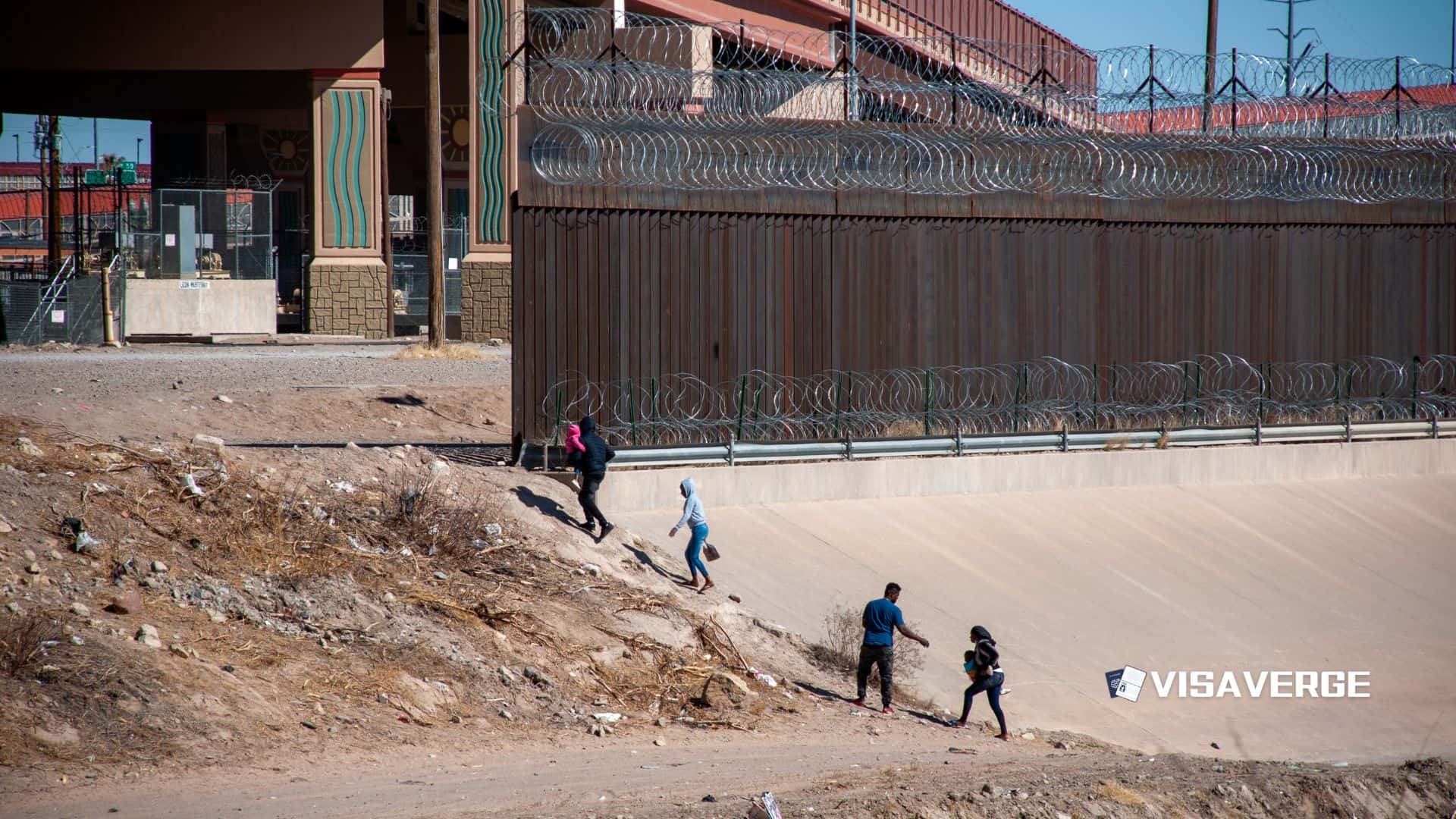
Texas enacted SB 4 in 2023. The law would allow state and local officers to arrest people suspected of entering Texas from another country without authorization. It would create state crimes for unlawful entry and, in some circumstances, unlawful reentry. It would also authorize state judges to issue removal orders directing a person to return to Mexico.
Another provision drew particular scrutiny because it would permit state prosecution to continue even if a related federal immigration matter were pending. That feature sharpened the conflict argument. Immigration enforcement is ordinarily carried out through a federal structure that includes the Department of Homeland Security, the immigration courts within EOIR, and federal judicial review.
Federal immigration law already addresses inspection, admission, removal, and criminal penalties in detailed statutes. Relevant provisions include INA § 235 on inspection, INA § 240 on removal proceedings, INA § 276 on illegal reentry, and corresponding regulations in 8 C.F.R. Chapter I. The challengers argue that SB 4 intrudes into that field and conflicts with federal choices about who is detained, charged, placed in proceedings, or removed.
The latest order came after a sharp procedural turn. An earlier injunction had been lifted by the U.S. Court of Appeals for the Fifth Circuit in April 2026 on standing grounds. That ruling reopened the path for the law to take effect unless a court intervened again. The U.S. District Court did intervene, issuing emergency relief one day before implementation.
Warning: While the block remains in place, SB 4 is not enforceable. That can change quickly if an appellate court stays or reverses the district court’s order.
The legal theory behind the challenge rests mainly on preemption under the Supremacy Clause. Article VI of the Constitution bars states from enforcing laws that conflict with federal statutes or occupy a field reserved to the national government. Immigration law often triggers both arguments because Congress has created a dense scheme for admission, detention, removal, and criminal prosecution.
That is why Arizona remains central. The Supreme Court there held that state crimes and state enforcement mechanisms tied to federal immigration categories can be displaced when Congress has occupied the area or when state law upsets federal priorities. Texas argues that SB 4 complements, rather than contradicts, federal enforcement. Opponents say the statute does more than assist; they say it creates a separate state removal regime.
The removal-order provision is likely to remain one of the most heavily contested features. Federal immigration judges decide removability in proceedings governed by INA § 240. Noncitizens in those cases may raise defenses, seek relief, and appeal to the Board of Immigration Appeals. The BIA’s role in removal procedure is reflected in precedents such as Matter of J-J-, 21 I&N Dec. 976 (BIA 1997), which addresses reopening authority within the federal adjudicatory system. SB 4 would shift part of that function to state courts, which is exactly where challengers see a direct collision.
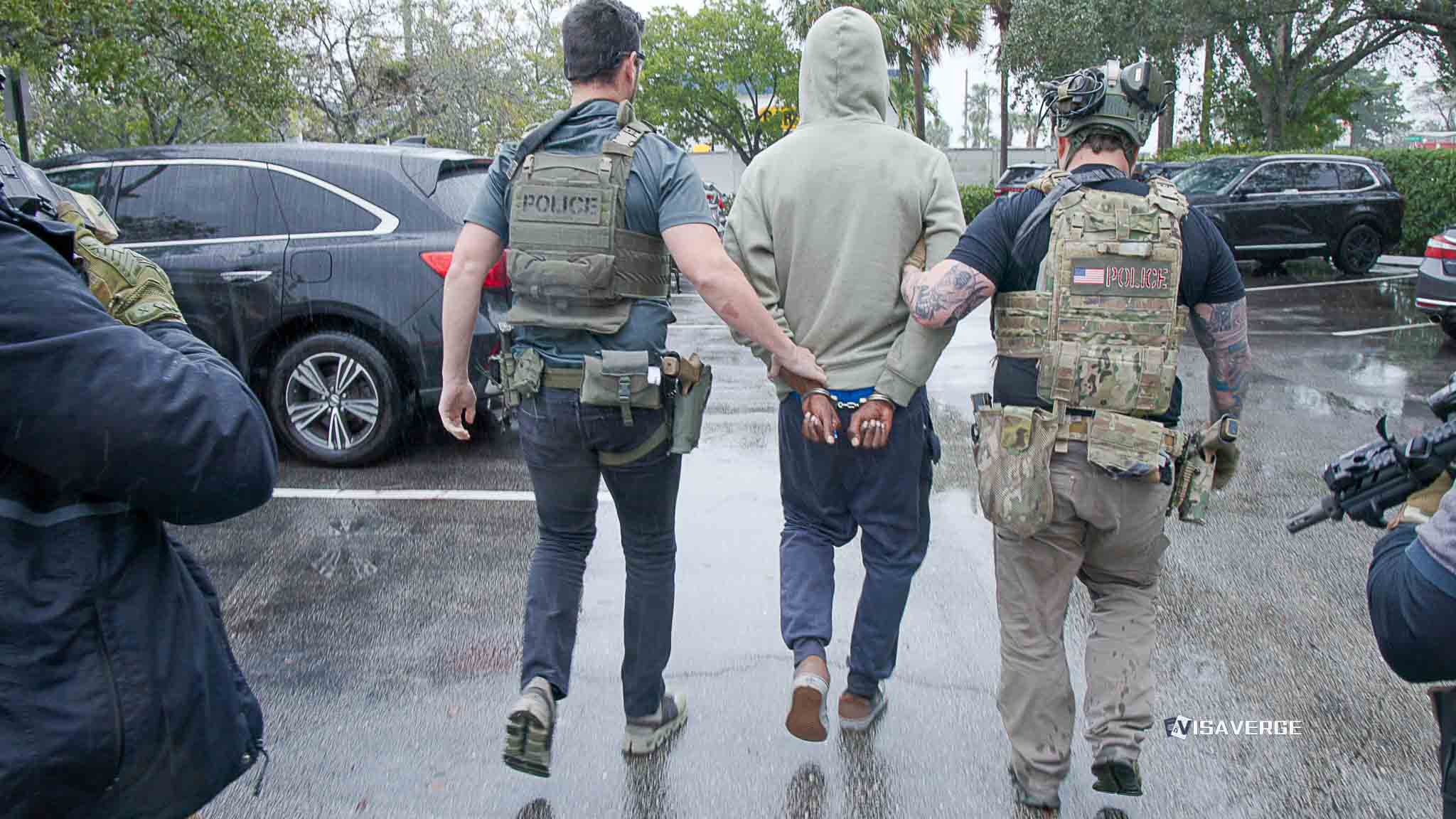
The arrest provision raises a related problem. Congress has assigned immigration arrest authority through federal statutes and through limited cooperation mechanisms. One example is INA § 287(g), which permits certain state and local officers to perform specified immigration functions under federal supervision and agreement. A state law that independently authorizes arrests based on suspected unlawful entry may be viewed as bypassing that framework.
The reentry provisions also carry significant risk. Federal law already criminalizes illegal reentry after removal under INA § 276, codified at 8 U.S.C. § 1326. A parallel Texas offense invites arguments that the state is attaching its own penalties to conduct that Congress already regulates in detail. That overlap does not automatically decide the case, but it gives challengers a concrete conflict theory.
No final merits ruling has yet settled those questions. The present order is emergency relief. It preserves the existing legal arrangement while the district court considers the underlying claims or while appellate review continues. That distinction matters because a temporary block is not the same as a permanent injunction, and neither is the same as a final appellate decision.
Deadline pressure: The blocked provisions were set to begin on May 15, 2026. Litigation around implementation dates often moves within hours, not weeks.
The Fifth Circuit’s earlier standing ruling adds another layer. Standing disputes focus on who may sue and whether the plaintiffs can show a concrete legal injury. A court can agree that a law raises serious constitutional questions yet still dismiss or limit a case if the plaintiffs do not satisfy Article III requirements. That procedural issue may continue to shape the appeal, separate from the merits of preemption.
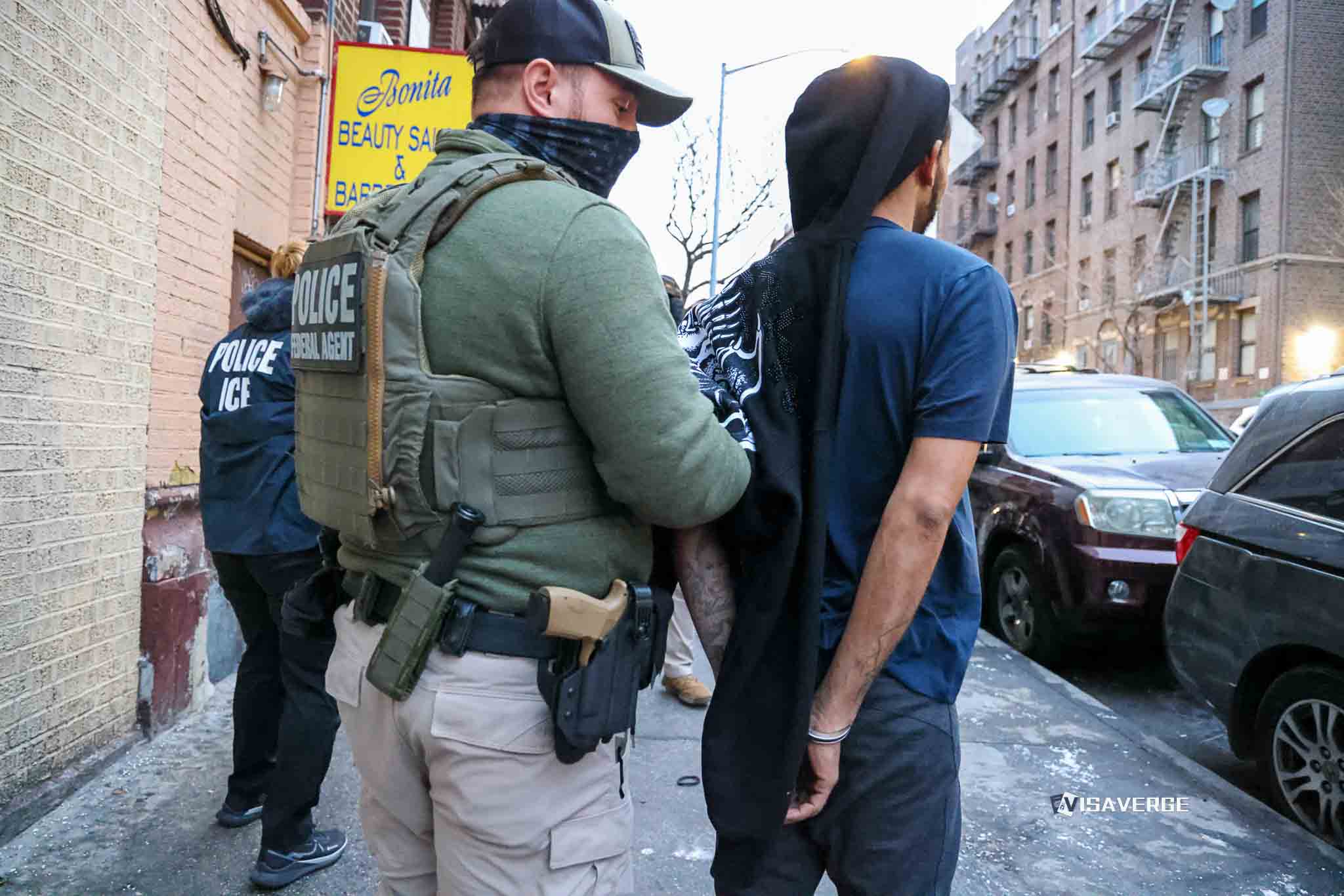
At this stage, the most practical implication is for arrests and prosecutions that would have relied only on SB 4. Those actions cannot proceed under the blocked state provisions while the order stands. Federal immigration enforcement, however, remains in place under existing federal law. ICE, USCIS, CBP, and EOIR continue operating under their usual statutory authority.
People with pending immigration matters should treat any encounter with police or immigration officers as fact-specific. A state court case, a federal immigration case, and a federal criminal case can interact in complicated ways. Relief options may depend on entry history, prior removal orders, criminal records, and the circuit where a petition for review would be filed.
Future litigation may move in several directions. Texas may seek emergency relief from the Fifth Circuit. The district court may refine its reasoning on preemption, standing, or equitable factors. A later merits decision could produce another appeal, and the dispute could return to the Supreme Court if the lower courts divide over how far Arizona reaches.
Law enforcement agencies in Texas are also left in a holding pattern. If SB 4 is eventually upheld, local practices could shift toward greater state involvement in immigration arrests and referrals. If it is struck down, the ruling would reinforce the traditional line between federal immigration authority and state criminal enforcement.
People who fear exposure under SB 4, or who have a pending removal case, should check official case information regularly through Resources:
AILA Lawyer Referral: ⚖️ Legal Disclaimer: This article provides general information about immigration law and is not legal advice. Immigration cases are highly fact-specific, and laws vary by jurisdiction. Consult a qualified immigration attorney for advice about your specific situation.