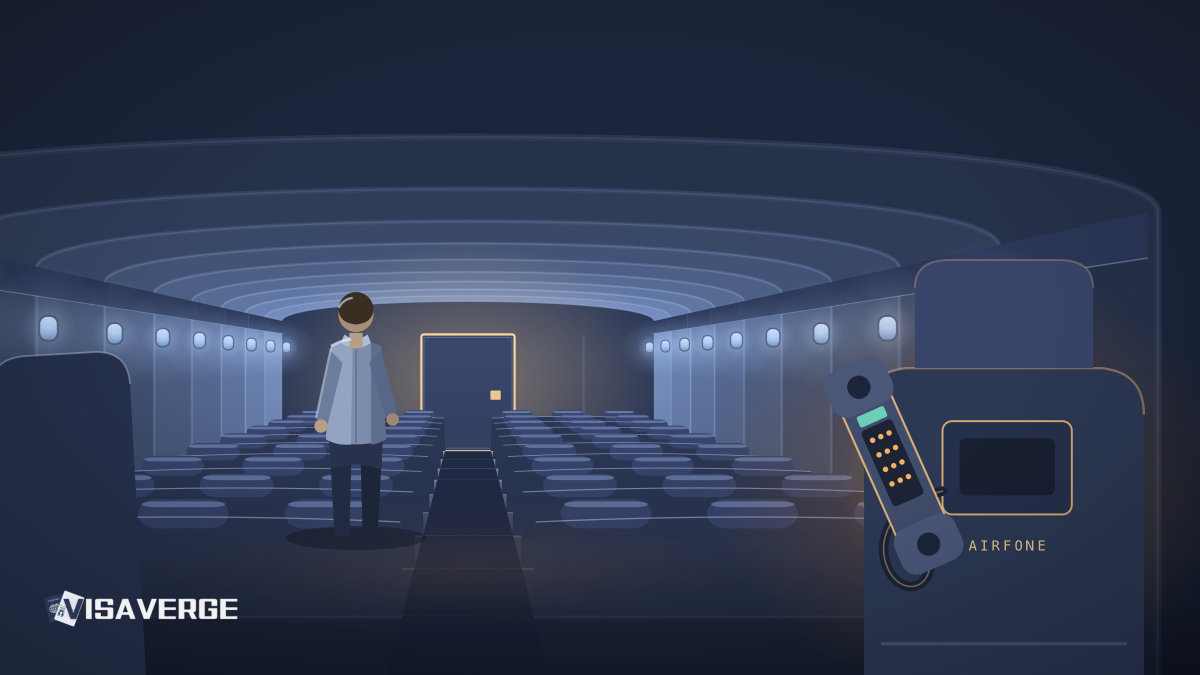
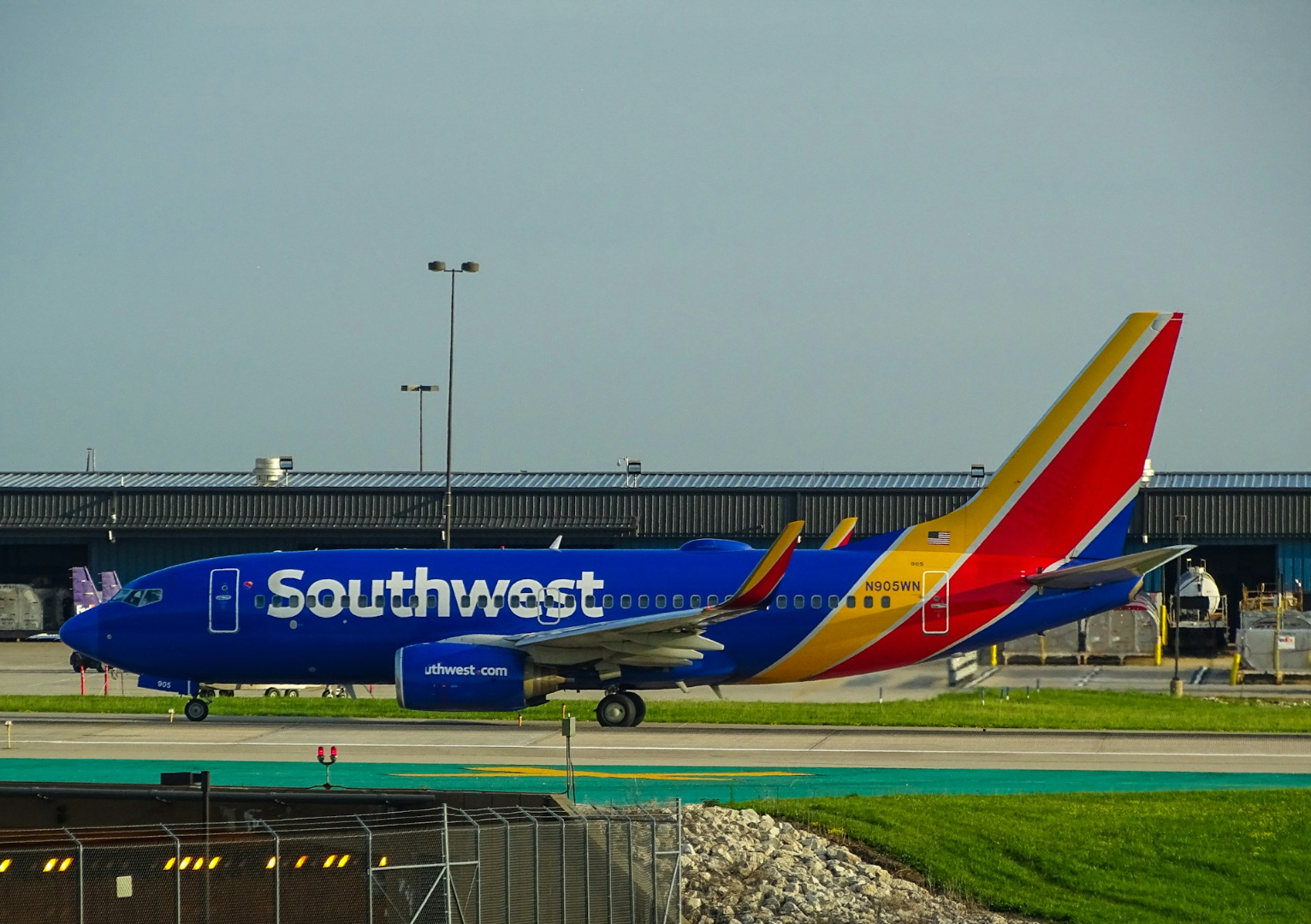
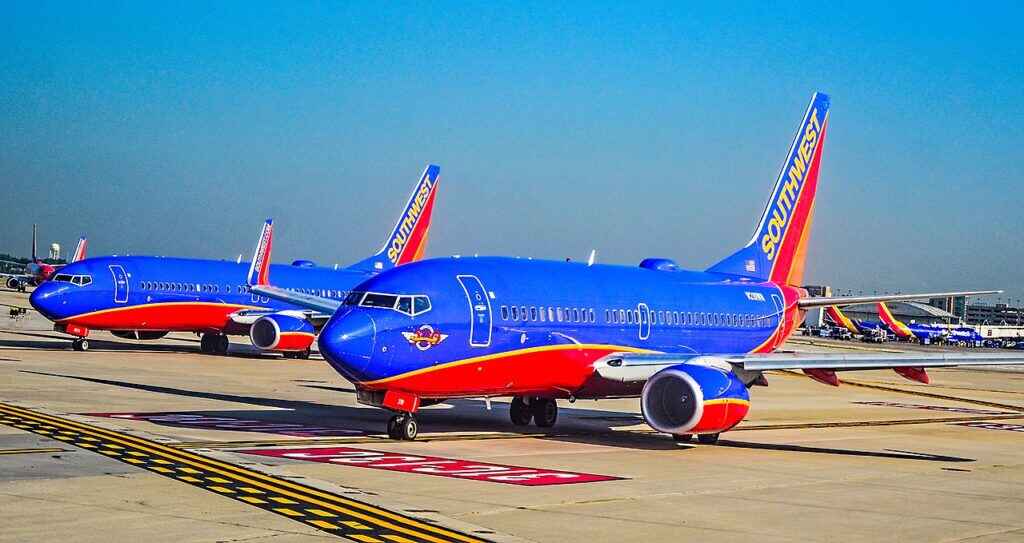
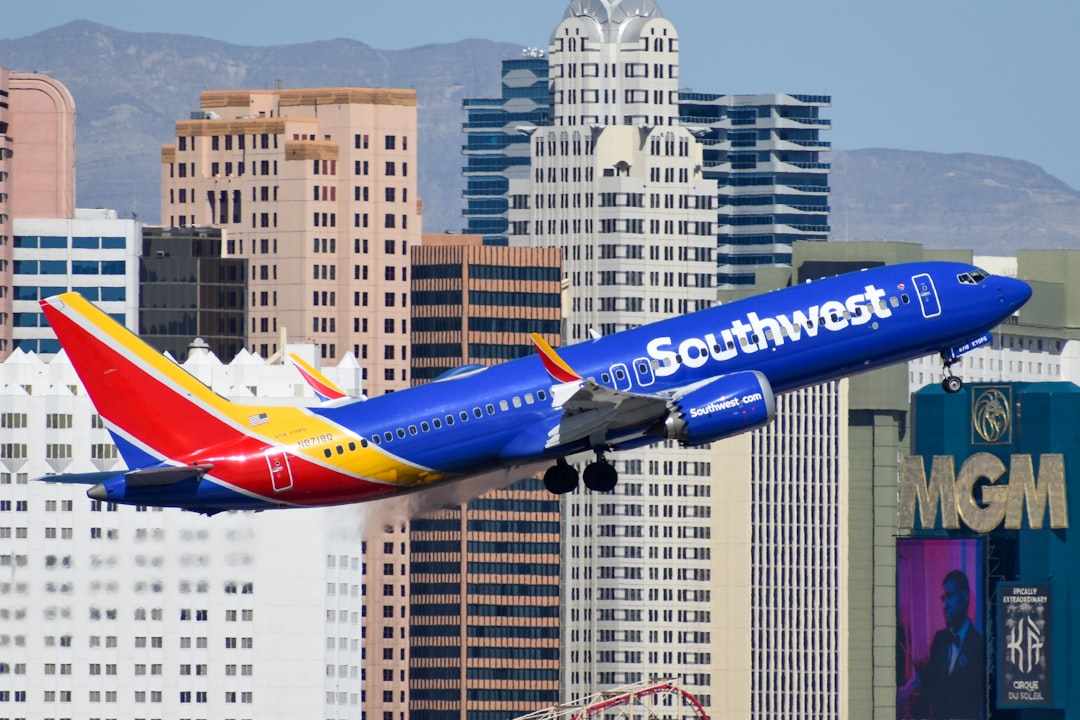
Southwest Airlines moved ahead with its assigned seating rollout and redesigned boarding process, set to take effect on January 27, 2026. The airline opened seat bookings on July 29, 2025 and tied the change to a broader gate-and-cabin overhaul that includes premium seating and new Rapid Rewards benefits.
- Southwest Airlines said its transition from open seating to assigned seating is “almost here, bringing several changes across our operation” in a media release on swamedia.com.
- Assigned seats became bookable on July 29, 2025 for travel on or after January 27, 2026, when the airline’s new boarding process starts.
- The redesigned system includes a new gate experience, premium seating options available for purchase or upgrade, baggage tracking, Priority Boarding, and the ability to buy seats for lap children.
- Southwest linked the shift to monetizing seat assignments and premium seats, describing that revenue opportunity as the primary reason for the policy change.
- Southwest Airlines ended open seating on January 27, 2026, transitioning to assigned seats and numbered boarding groups.
- New boarding groups range from 1 to 8, determined by fare class, seat type, and loyalty status.
- The overhaul includes new baggage fees of $35 for the first bag on basic fare types since May 2025.
Southwest Airlines completed its shift to assigned seating and numbered boarding on January 27, 2026, ending the open seating system that defined the carrier for decades and replacing it with boarding groups 1 through 8 tied to seat location, fare type and traveler status.
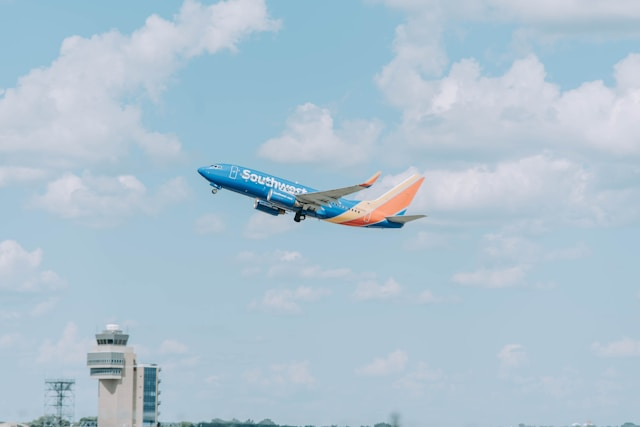
The new process assigns every passenger a seat at booking or later through upgrades, then boards them by number instead of the old A, B and C lineup. Gate agents now call preboarding first, then Groups 1 through 8, with earlier boarding generally going to travelers in Extra Legroom and Preferred seats.
Passengers who board under the new system cannot move into empty seats after boarding. Southwest has also kept early boarding for some travelers, including people with disabilities, passengers using assistive devices and active-duty military with ID.
The boarding overhaul sits alongside baggage rule changes that took effect on May 28, 2025, and revised family boarding practices. Together, those steps have changed how customers weigh fares, seat choices and add-on fees when booking flights.
Under the old open seating model, travelers entered the aircraft in A, B or C groups and chose any available seat. That system ended on January 27, 2026, in one of the largest changes in Southwest’s 55-year history.
Southwest now bases boarding order on fare class, loyalty status, seat type and extras such as priority boarding. Early data after the launch showed passengers lining up by number instead of the old A1-A60 positions, while the airline kept its focus on quick turnarounds under the new setup.
How the New Boarding Groups Work
The earliest boarding slots, Groups 1 and 2, go first to travelers in Extra Legroom seats. That includes passengers who buy Choice Extra fares, customers who pay to upgrade into Extra Legroom seats and A-List Preferred members who select those seats at booking.
A-List members can also move into Extra Legroom seats within 48 hours of departure at no charge, which can place them in those first two groups. Southwest has priced Extra Legroom upgrades at $30-$80+ per segment when available at booking or later.
Groups 3 through 5 cover most travelers in Preferred seating. Choice Preferred fares board no later than Group 5, while A-List members in Preferred or Standard seats also board no later than Group 5.
Rapid Rewards Credit Cardholders board in Group 5 if they do not already qualify for an earlier group through another benefit. Standard-seat travelers in Choice fares generally fall into Groups 6 through 8, while Basic fares board last.
Southwest sells Priority Boarding up to 24 hours before departure, allowing passengers to improve their place in line for $15-$30. The add-on is geared in part toward customers trying to secure overhead bin space before later groups board.
Family Seating and Boarding
For families, the airline has paired assigned seating with a new policy meant to reduce the uncertainty that often came with open seating. Southwest’s family seating policy “endeavors to seat a child (age 12 and under) next to one accompanying passenger (13+)” on the same reservation.
Passengers on one reservation receive the same boarding group, allowing families to board together. That replaces the old family boarding process that took place between A and B groups under open seating.
The change has practical effects for parents booking travel in 2026. Families who book early can improve their seat options, while A-List status or a cobranded credit card can move a household into Groups 3 through 5.
Choice Extra fares place families in Groups 1 and 2 and include Extra Legroom seating. For larger parties, Southwest also offers Priority Boarding, though exceptions apply for group travel bookings made after February 24, 2026.
Parents flying with infants still receive free strollers, car seats, diaper bags and breast pumps. Assigned seating also reduces the seat-swapping requests that became common under the older system when parents boarded late and found scattered open seats.
Fare Structure and Baggage Changes
The airline’s fare structure now ties more directly to boarding position and seating perks. Basic fares offer the lowest price and the latest boarding, while Choice fares keep standard seating with more flexibility.
Choice Preferred fares move passengers into Preferred seats and earlier boarding groups. Choice Extra fares place travelers in Extra Legroom seats, Groups 1 or 2, and include two free checked bags.
Business Select, Southwest’s premium offering outside those fare bundles, also comes with Groups 1-2, two free bags and top boarding treatment. For some customers, the airline’s setup means the cost of moving into a higher fare or seat category can undercut separate baggage charges on a round-trip.
That calculation matters more after Southwest ended universal free checked bags on May 28, 2025. On Basic, Choice and Choice Preferred fares booked after that date, the airline now charges $35 first bag, $45 second.
Customers who booked before May 27 keep two free checked bags indefinitely. Carry-ons remain free, with a size limit of 24x16x10 inches and no weight limit, as long as passengers can lift them into the overhead bin themselves.
Personal items also remain free if they fit under the seat and measure 16.25×13.5×8 inches. Travelers taking short trips can still avoid checked-bag charges entirely by packing into a carry-on and smaller personal item.
Several groups continue to receive free checked bags. Choice Extra and Business Select passengers get the first and second bags free, while A-List Preferred members receive both bags free for themselves and up to 8 companions.
A-List members get the first bag free and pay $45 for the second, again for themselves and up to 8 companions. Rapid Rewards Cardholders also receive the first bag free and the second for $45 for as many as 8 companions, provided the Rapid Rewards number is included at booking.
Southwest also preserves free checked bags for Hawaii interisland residents, with a 3rd bag priced at $50. Active-duty military receive the full baggage allowance, and customers booking Getaways by Southwest vacation packages also receive the first and second checked bags free.
Overweight bags from 51-100 lbs and oversized bags trigger added fees of $150-$200. Those charges, together with the end of the old “Bags Fly Free” standard, have made seat selection and fare bundles a larger part of trip planning.
The airline’s credit cards have taken on a bigger role in that math. A cardholder can save $35+ per bag for up to 9 people round-trip while also receiving bonus points and Group 5 boarding, which can offset annual fees for customers who check bags regularly.
Status Benefits and Premium Access
Frequent travelers have their own path to earlier boarding. Southwest awards A-List status at 20 one-ways or 35,000 points, with benefits that include boarding in Groups 3 through 5 and no-charge upgrades into Extra Legroom seats when available.
A-List Preferred requires double that threshold. Those members can select the best seats at booking, while Companion Pass continues to pair free flights with a companion without changing boarding priority on its own.
Why Southwest Made the Change
The shift to assigned seating followed pressure from activist investors, including Elliott Management, as Southwest sought stronger profitability amid higher fuel and labor costs. Assigned seating has opened a new stream of premium revenue through Extra Legroom sales while the numbered boarding system has reduced the scramble that often came with open seating.
Customer surveys taken before the change showed 80%+ support for assigned seats. After the launch, feedback pointed to easier family seating and more predictable overhead bin access as two of the most visible changes.
For budget travelers, the new system creates a tradeoff that is easier to measure. A passenger can book Basic and rely on a carry-on, or use a Southwest credit card to move into Group 5 and secure a free first checked bag.
Families now face less risk of separation on the aircraft because reservations move together through the same boarding group and assigned seats. Customers who want more space can pay for Preferred or Extra Legroom seating rather than hoping for an empty row or a favorable spot under open seating.
Frequent fliers gain the most from stacking benefits. An A-List family holding a Southwest card and booking Choice Extra can board in Groups 1 or 2, sit in Extra Legroom seats and avoid bag charges that would otherwise add up quickly.
Travelers still have a reason to check in 24 hours before departure, even though Southwest no longer assigns the old boarding positions. The check-in window can still affect what remains available within a passenger’s fare and boarding group, especially for customers looking to improve seats or buy upgrades close to departure.
As of March 2026, Southwest has given no sign that it plans to reverse course. Its boarding process now centers on assigned seating, numbered boarding and targeted perks, leaving behind the open seating model that long set the airline apart.