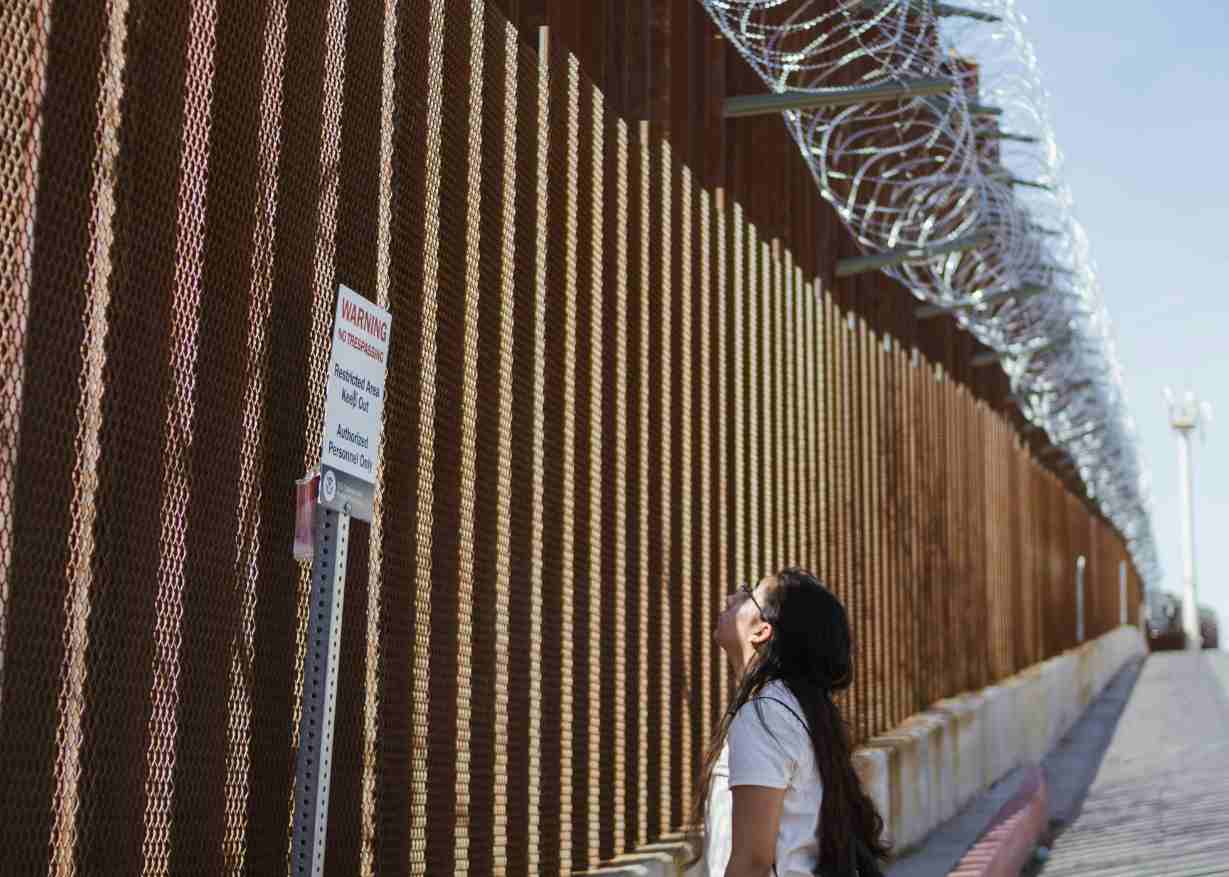
(BAY AREA (ALAMEDA/COAST GUARD ISLAND)) Santa Clara County is doubling down on protections for immigrants as federal activity rises in the region. On October 24, 2025, the Board of Supervisors reaffirmed a plan to make all county property and facilities off limits to immigration enforcement, a move widely described as establishing countywide No ICE zones. The decision follows the arrival of federal officers in the Bay Area, with CBP agents deployment centered at Coast Guard Island in Alameda, according to local officials and community advocates tracking developments.
County leaders say the steps aim to keep schools, clinics, libraries, and public buildings open and safe for everyone who lives in Santa Clara County. Modeled after efforts in Chicago, the policy treats county sites as protected spaces where federal immigration actions should not take place. Officials argue this helps residents feel safe using services, reporting crimes, and sending children to school without fear.

The federal footprint has grown in recent weeks. Customs and Border Protection officers began arriving in the Bay Area, operating from Coast Guard Island, a federal facility in Alameda. While some anticipated a broader federal “surge” in San Francisco, those plans were later called off. Protests outside the Alameda base highlighted community concerns about aggressive tactics. Demonstrators urged federal agencies to avoid actions that could spread fear in immigrant neighborhoods or break apart mixed‑status families.
Free toolUSCIS Receipt Number DecoderAccording to county leaders, these steps are part of a larger strategy to respond to enforcement pressure while keeping faith with residents. Santa Clara County has been shifting staff and funds to reinforce immigration response programs and a coordinated regional approach to any future raids. Since December, the county has invested $13 million in legal defense for people facing deportation and in the Rapid Response Network, which connects families to urgent legal and social services when enforcement actions occur.
County officials also rolled out a multilingual media effort, “One County One Future,” to make sure residents know where to get help. The campaign explains that county services remain open and that staff won’t ask for immigration status when it is not required by law. Messages appear in several languages common across the South Bay, and point people to hotlines, legal help, and community partners. Leaders say the aim is simple: keep families informed, calm, and connected to support.
Community organizers argue that No ICE zones reduce harm by lowering the risk of arrests near civic resources that everyone relies on. They also stress that the approach does not hide people from the law; rather, it sets clear boundaries to protect public health, education, and safety. Local advocates describe the policy as a promise that Santa Clara County facilities are for service delivery, not enforcement staging.
The Department of Homeland Security, however, has criticized similar local efforts in other cities, calling them obstacles to federal law. County officials say they balance public advocacy with compliance to avoid federal retaliation that could cut funding or strain partnerships. That stance reflects a familiar tension in the Bay Area: local governments want to shield residents from fear while staying within legal limits. The presence of CBP agents deployment on Coast Guard Island has sharpened that debate, even as some federal operations were reportedly scaled back.
County Actions and Funding
- The Board of Supervisors approved a plan declaring all county property and facilities “off limits” for immigration enforcement, effectively creating countywide No ICE zones.
- Santa Clara County committed $13 million since December to deportation defense and the Rapid Response Network.
- The “One County One Future” media campaign informs families in multiple languages about their rights and where to find help, with an emphasis on service access and safety.
Legal support remains central. Through the Rapid Response Network, residents can get immediate guidance if they see immigration activity, receive a knock at the door, or need to locate a detained family member. Lawyers help screen cases, explain timelines, and connect people to long‑term defense. Caseworkers arrange childcare, housing support, and counseling when a parent is detained. Advocates say these interventions can keep families together while cases proceed in court.
How the Rapid Response Network Helps
- Immediate guidance when enforcement activity is observed.
- Legal screening and referrals to attorneys for long‑term defense.
- Casework support: childcare, housing, counseling during detentions.
- Connection to community partners for social services and emergency needs.
For federal context, CBP’s mission focuses on border security and related enforcement. The agency maintains that its activities follow law and policy, including internal guidance on operations near sensitive or protected locations. Readers can review CBP’s official mission and structure on the agency’s website at U.S. Customs and Border Protection. According to analysis by VisaVerge.com, local declarations like No ICE zones can set expectations for facility use and behavior on county land, even though they don’t override federal authority.
Community Impact and Federal Response
Protests at the Alameda Coast Guard base show how deeply Bay Area communities care about due process and safety. Parents worry about school drop‑offs. Workers fear a stop on the way to a job site. Seniors ask if they can still visit a clinic. County leaders say the policy answers those everyday worries by making it clear: county facilities serve residents first, regardless of status.
Advocates say that clarity can also help police and social workers do their jobs. When people feel safe reporting crimes, it supports neighborhood safety. When families access clinics and mental health services, it protects the public’s health. And when residents trust that a library or shelter won’t become an enforcement zone, they keep using essential services.
Federal officials maintain that they are enforcing national law, and they push back on claims of aggressive tactics. The Department of Homeland Security has warned in the past that local measures could hamper coordination. Santa Clara County’s approach tries to avoid direct conflict by focusing rules on its own properties. Local leaders say they will work with federal agencies where required, while defending community safety standards on county land.
Important takeaway: county officials aim to protect residents’ access to services while remaining within legal boundaries and avoiding direct confrontation with federal authorities.
Practical Steps for Residents
Residents who want practical steps can take three simple actions now:
- Save the Rapid Response hotline shared by trusted local groups and the county.
- Gather key documents in a safe place and share copies with a trusted person.
- Consult a qualified attorney to make a plan in case of detention or missed check‑ins.
These basic steps help families stay prepared without panic.
Broader Context and Next Steps
The Bay Area’s layered response reflects years of lessons from earlier enforcement waves. In Santa Clara County, the blend of legal defense, regional coordination, and public education aims to keep families stable while court cases move forward. Leaders say the policies are not about blocking the United States ?? government, but about setting clear rules on local ground to protect health, education, and safety.
As CBP agents deployment continues out of Coast Guard Island, and the broader federal posture shifts, county officials and community partners will keep monitoring activity. They vow to adjust plans quickly if raids increase or if new federal moves affect South Bay neighborhoods. For now, Santa Clara County is signaling one steady message: doors to local services remain open, and county sites will not become enforcement zones.
This Article in a Nutshell
On October 24, 2025, the Santa Clara County Board of Supervisors reaffirmed a plan to declare all county properties off limits to immigration enforcement, creating countywide No ICE zones in response to recent CBP activity operating from Coast Guard Island in Alameda. County officials argue the policy protects residents’ access to schools, clinics, libraries and public services, encouraging people to use services and report crimes without fear. Since December the county has allocated $13 million to deportation defense and the Rapid Response Network, and launched a multilingual “One County One Future” outreach effort. The measures aim to balance community safety and legal compliance while monitoring federal actions and avoiding direct conflict.