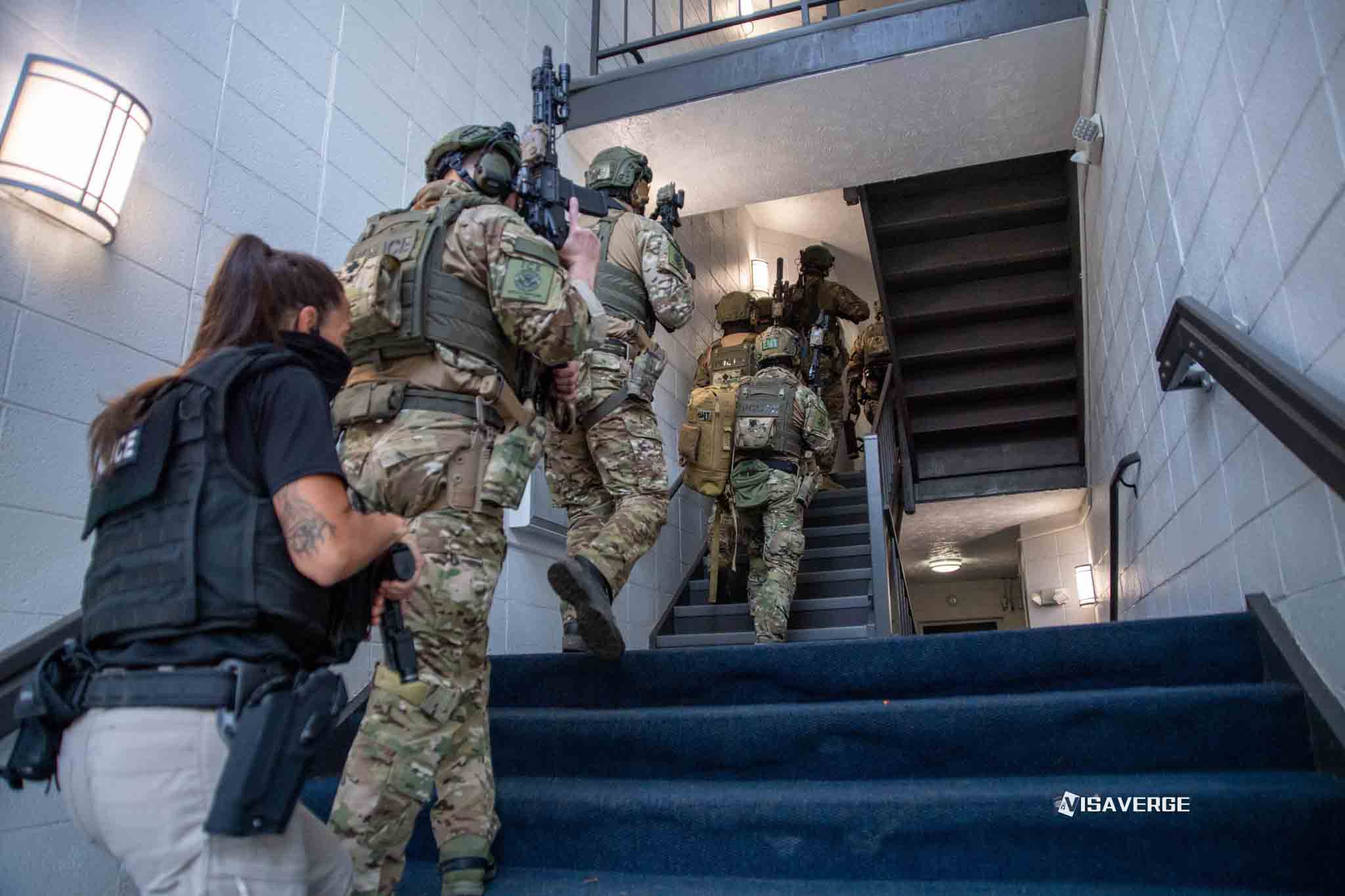
(SAN FRANCISCO, BAY AREA) The Bay Area remained uneasy Friday after a sudden Trump cancellation of a planned Bay Area immigration crackdown that had prepared more than 100 federal agents for deployment across San Francisco and surrounding counties. The operation, staged in part at the Coast Guard base in Alameda, was called off on October 24, 2025, following conversations between President Trump, Mayor Daniel Lurie, and prominent Silicon Valley leaders who promised cooperation with law enforcement. Even with the pause, immigrant families, employers, and city agencies say the fear has not lifted.
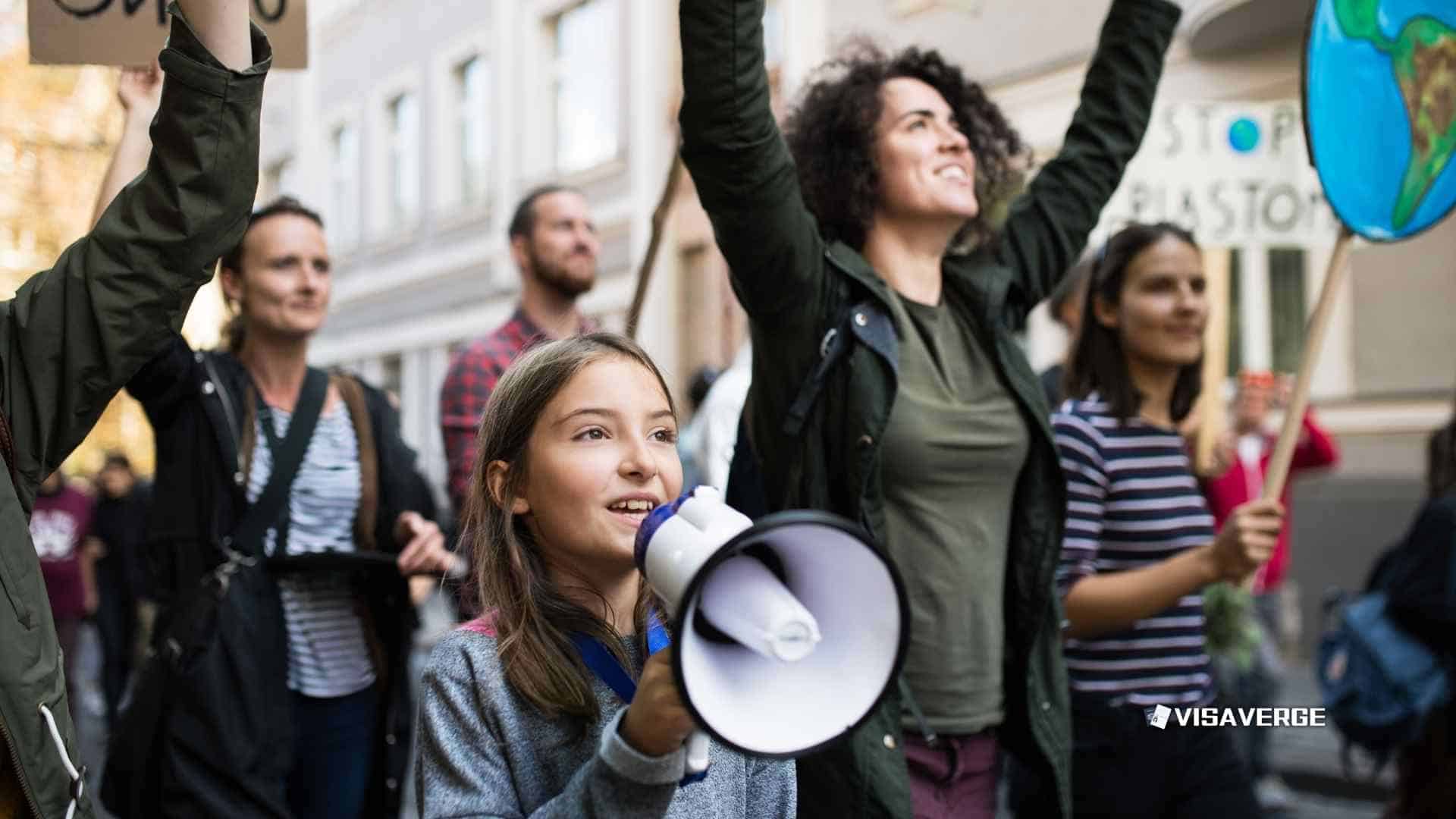
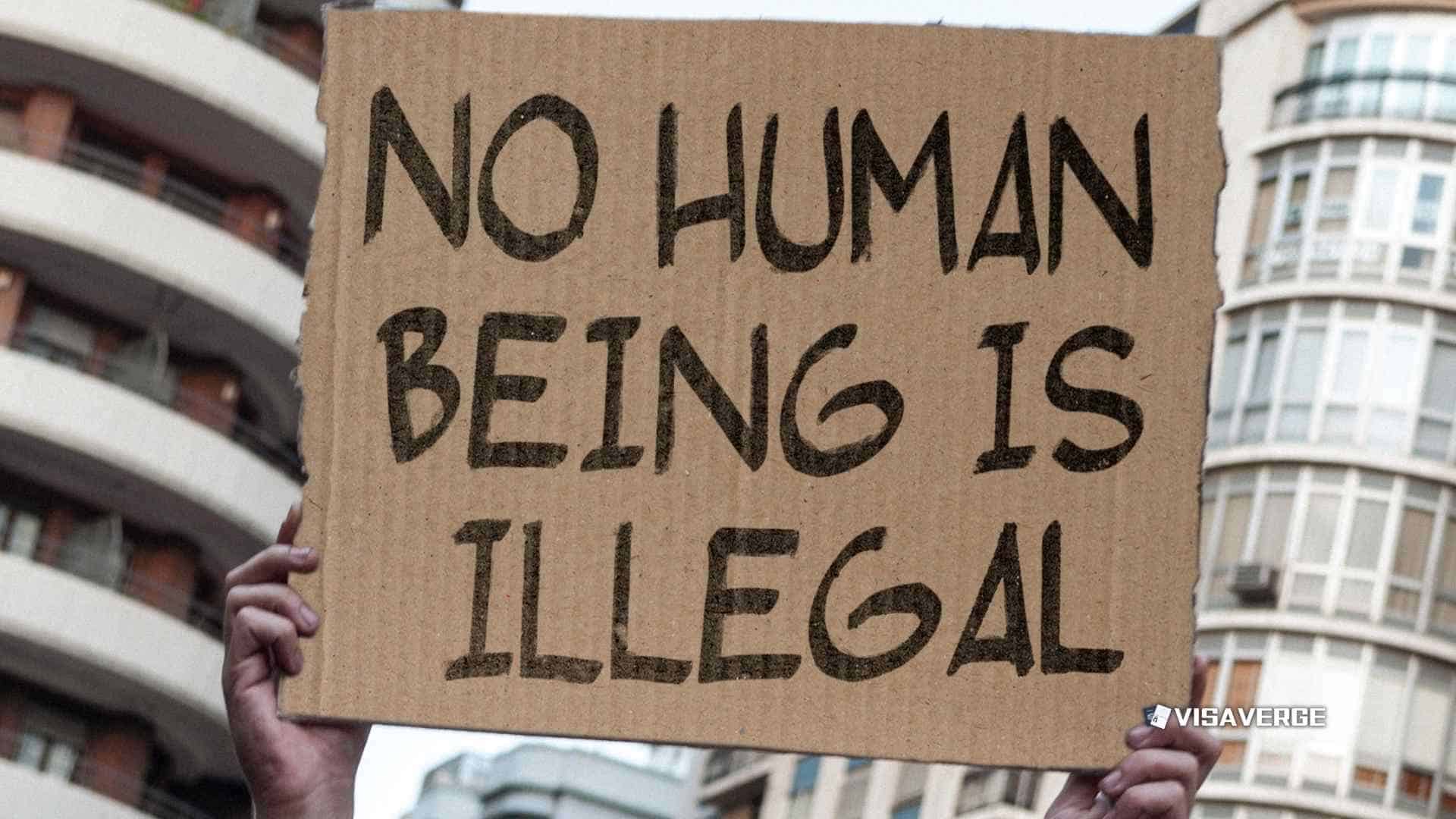
City officials and advocacy groups spent the week building rapid-response teams, readying legal challenges, and setting up hotlines to report immigration activity. Hundreds of protesters gathered outside the Alameda base as plans for the operation became public, and police reported at least two arrests after tense exchanges. Local leaders pledged to uphold San Francisco’s sanctuary policies, while community groups warned that a halted surge does not erase the risk of renewed federal enforcement.
Timeline and decision
The administration’s plans escalated quickly in October, with federal agents staging at the Coast Guard base in Alameda and briefings circulating among local agencies about possible activity in multiple neighborhoods. By late week, demonstrations swelled outside the base, highlighting sharp opposition to a Bay Area immigration crackdown that many feared would sweep up long-settled residents and mixed‑status families.
Free toolUSCIS Receipt Number DecoderOn October 24, President Trump told local leaders and business executives he would stand down the surge, citing assurances of cooperation. The White House message, delivered publicly and in private calls, brought immediate relief to some residents but left others doubtful.
Officials in San Francisco said they would continue to prepare for fast-changing orders and promised to challenge any attempt to broaden immigration enforcement through the use of troops. The idea of involving the National Guard had stirred alarm among legal experts and civil rights groups, given long-standing limits on military involvement in domestic law enforcement.
The Department of Homeland Security has not detailed the scope of the original operation or offered a timeline for any future action. According to analysis by VisaVerge.com, the last-minute reversal reflects both local pushback and national debate over tactics that rely on large, visible deployments. For residents, the uncertainty itself has become a burden.
Community impact and ongoing risks
The Bay Area’s immigrant share—about 36% of residents—means any large enforcement push can touch nearly every part of civic life.
- Parents ask schools about safety.
- Workers skip shifts or switch routes.
- Small businesses discuss backup plans in case key staff are detained.
- Nonprofits report a steady rise in calls for legal screenings and family planning documents for U.S. citizen children.
In farming and hospitality, employers report growing worry over labor shortages if officers return to job sites or transit hubs. Advocates stress that the Trump cancellation does not end the threat: ICE raids and aggressive enforcement continue elsewhere in California, with increased arrests reported over the summer.
The administration has also ended protections that, under President Biden, discouraged enforcement in places like clinics, schools, and places of worship. That shift has left many afraid to seek basic services or report crimes. Some U.S. citizens in mixed‑status households also say they are limiting travel and avoiding public events.
Local leaders, including Mayor Lurie, District Attorney Brooke Jenkins, and City Attorney David Chiu, have reaffirmed the city’s sanctuary rules and vowed to fight in court if federal agents try to use troops or push beyond limits under federal and state law. Aid networks continue training volunteers to verify reports, connect families with attorneys, and ensure people know their rights during any encounter with officers.
Legal and political tensions
The proposed use of National Guard troops for civil immigration enforcement prompted a flurry of legal questions. While federal agents can enforce immigration law, deploying troops for those tasks is generally restricted. City officials warned they would challenge any such orders, arguing that it risks blurring lines between civilian policing and military roles.
The canceled operation has renewed a long-running clash between the United States ?? and local governments over cooperation with immigration authorities. San Francisco’s policies limit local involvement in civil immigration enforcement. Federal officials argue that local cooperation improves public safety. City leaders counter that trust in local police drops when residents fear that a simple report could lead to detention or deportation.
Advocates point to the sharp jump in anxiety, even after Thursday’s announcement. Many residents worry the stand-down could be temporary, especially as the administration has signaled future crackdowns remain possible. Employers are bracing for interruptions, while families are updating emergency plans in case a parent is detained. Community clinics report more patients asking whether visits could trigger attention from officers.
Officials have urged residents to rely on verified sources and not to spread rumors. People seeking official enforcement updates can check with U.S. Immigration and Customs Enforcement. The agency’s overview page, including Enforcement and Removal Operations, is available at U.S. Immigration and Customs Enforcement.
In the Bay Area, networks of attorneys continue preparing motions to stop any broad sweeps and to challenge detentions that lack clear grounds. Local law schools have readied clinics to help residents:
- gather records,
- review relief options,
- plan for bond hearings if needed.
Officials and advocates outlined the stakes in stark terms:
- Deployment canceled October 24, 2025 after talks between President Trump, Mayor Lurie, and business leaders.
- Over 100 federal agents had staged in the region; possible involvement of National Guard troops raised alarms.
- Hundreds of protesters gathered, with at least two arrests and some clashes reported.
- Sanctuary policies reaffirmed, with legal teams prepared to challenge federal intervention.
- ICE activity continues elsewhere in California, and future crackdowns remain possible.
Day-to-day effects and preparations
For day-to-day life, the ripple effects are clear and tangible.
- Parents talk with children about what to do if a caregiver doesn’t come home.
- Workers carry copies of key documents and emergency contacts.
- Schools coordinate with nonprofits to offer “know your rights” sessions.
- Labor groups warn of short staffing that can close restaurant shifts or delay harvests.
- Tech companies say the broader climate makes it harder to recruit and retain global talent.
The tense week has also put a spotlight on the role of local government. City leaders argue they can support safety without helping civil immigration arrests. Federal officials say sanctuary rules complicate their work. That friction, now years old, has sharpened with the administration’s broader 2025 changes, including expanded expedited removals and the end of special limits on arrests in places like hospitals and schools.
For now, the region is in a holding pattern. Residents who spent days watching the Coast Guard base say they’ll keep coming back if officers return. Lawyers keep their phones close. Nonprofits refill hotlines and train more volunteers. Businesses draw up plans to move staff, shuffle shifts, or offer extra leave if arrests spike again.
The canceled surge may bring a pause, but it hasn’t delivered peace of mind. In the Bay Area, the next move by federal agents remains the question at the center of daily life.
This Article in a Nutshell
On October 24, 2025, President Trump halted a planned Bay Area immigration enforcement surge after discussions with Mayor Daniel Lurie and Silicon Valley executives. More than 100 federal agents had been positioned at the Coast Guard base in Alameda, prompting large protests and at least two arrests. San Francisco officials and advocacy groups mobilized rapid-response teams, legal defenses, and hotlines while reaffirming sanctuary protections. The Department of Homeland Security has not outlined the original operation’s full scope, and ICE enforcement continues elsewhere in California. Community leaders warn that the pause may be temporary, so employers, families, and legal networks continue contingency planning and preparedness.