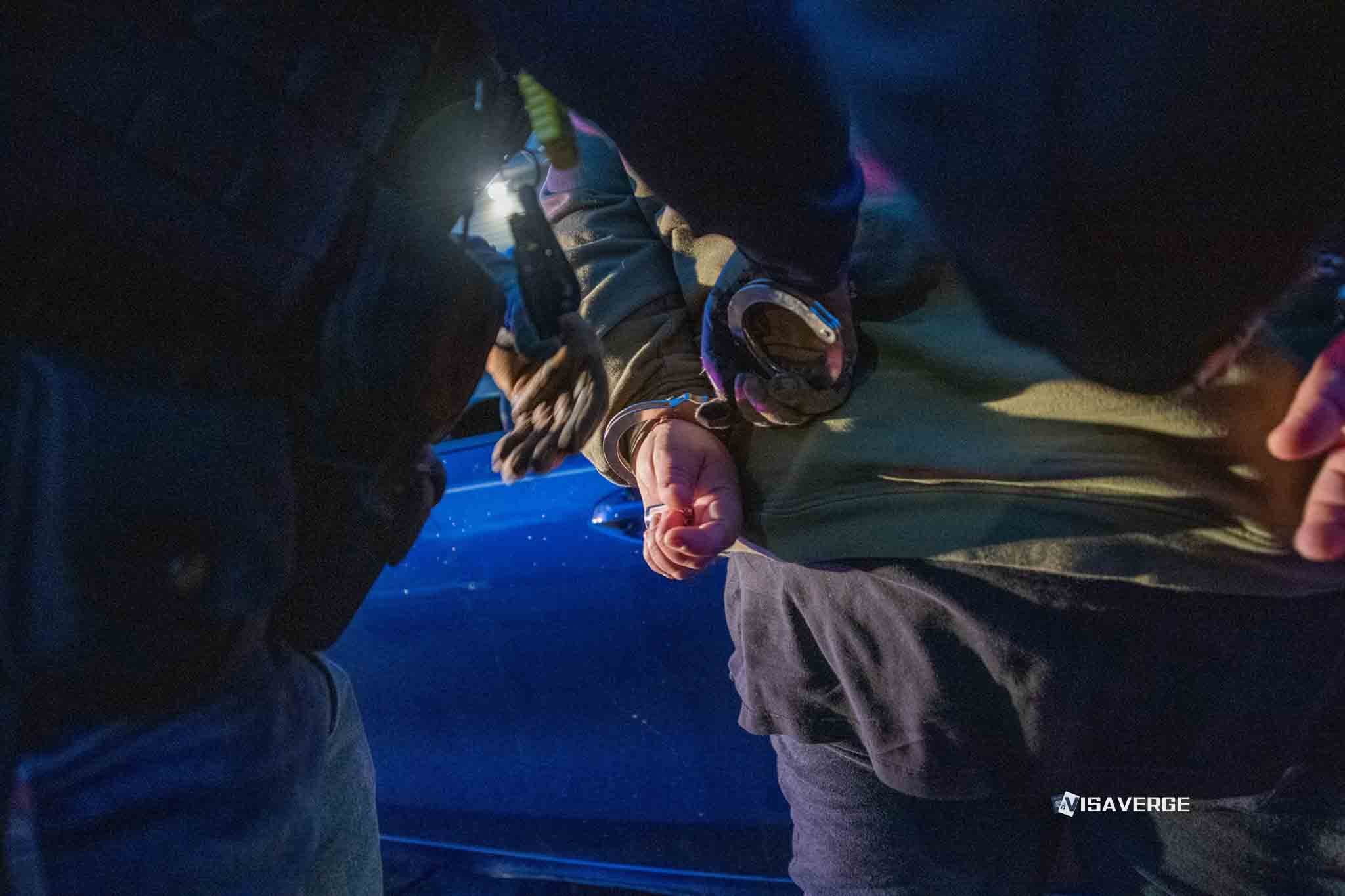
(CENTENNIAL, COLORADO) Centennial Airport officials have quietly opened talks with immigrant rights activists over the role of Key Lime Air in federal deportation flights, according to advocates who say growing public pressure has forced airport leaders to respond to concerns about the use of a local facility for removals from the United States ??. Activists say they are asking airport managers to explain how deportation flights are approved, what oversight exists, and whether the airport is willing to limit or end its ties to immigration enforcement operations.
Details of the discussions remain limited, and airport leaders have not released a public statement confirming the content or timing of any meeting. But advocacy groups say the focus is clear: they want Centennial Airport, which sits in the Denver metro area and is known mainly for business and charter aviation, to reconsider its relationship with Key Lime Air, a regional carrier that has become a regular contractor on flights for U.S. Immigration and Customs Enforcement, known as ICE.

Scope of Key Lime Air’s involvement
Human Rights First, a national advocacy group that tracks deportation flights, reports that Key Lime Air operated 83 flights carrying detainees in September 2025 alone. The group began tracking these flights just over two months before November 2025, and says the pace shows how quickly a relatively small carrier can become deeply involved in the federal detention and removal system.
Free toolUSCIS Receipt Number DecoderAccording to analysis by VisaVerge.com, that number places Key Lime Air among the more active charter operators in ICE’s current flight network, even though the company remains little known to most travelers.
Local impact and community concerns
For immigrant communities in the Denver region, the connection between Centennial Airport and deportation flights is not abstract. Activists say people detained in local jails or immigration detention centers may be transferred through the airport onto Key Lime Air planes, often without warning to families or lawyers.
They argue that a facility built and supported through local public and business investment should not quietly serve as a pipeline for deportations that can split families and send long‑time residents back to dangerous conditions.
“When a local carrier flies plane after plane full of detainees, that’s not just another business deal,” said Dana Miller, who co-leads Denver’s immigrant partnership team, according to advocates who have worked with her. “It makes our region part of a system that many of our residents deeply oppose.”
Miller has called Key Lime Air’s relationship with the detention system complicity, saying companies and airports cannot claim neutrality when they accept contracts that move people in shackles.
Safety concerns and company response
There are ongoing concerns about Key Lime Air’s safety record, which critics say raises further questions about its role in moving people under government control. Former pilots have described mechanical problems and maintenance issues in court documents, according to filings cited by campaigners.
Activists emphasize that many detainees have never been convicted of crimes and should not be placed on flights run by a carrier facing such allegations.
Key Lime Air strongly rejects those accusations and insists its record is clean. The company has said in public statements that it has an “impeccable safety record” and that its planes meet all federal standards. Supporters note the carrier has long provided cargo and passenger services in the region without a major public safety scandal.
Some business leaders also argue:
- Private carriers have the right to accept federal contracts if they follow the law.
- Pressure campaigns risk driving jobs and investment away from airports like Centennial.
Role of the airport and federal responsibility
Airport officials are walking a careful line between competing arguments. Centennial Airport is not directly in charge of national immigration policy, and its leaders can point out that ICE, not the airport, decides who is detained and where people are flown.
ICE describes its mission and authority on its website: U.S. Immigration and Customs Enforcement.
Activists counter that airports and private companies always have a choice when deciding which contracts to accept and which operations to allow on their property.
Lack of public information and demands for transparency
The absence of clear public information about flight schedules, contracts, and routes has added to the tension. Groups working with affected families say they often learn about deportation flights only after someone has been moved.
They argue that if Centennial Airport is serving as a regular departure point for removals on Key Lime Air, the community has a right to know:
- How often these flights run
- Who approves them
- What safeguards exist for people with pending legal claims or medical needs
Some advocates are pressing for specific changes as part of the talks. Their requests include:
- Conducting a public review of any agreements involving deportation flights, including leases, ground service contracts, and security arrangements.
- Having the airport’s governing board adopt a policy that bans or restricts new deportation-related contracts, similar to policies some cities have used with local jails and detention centers.
While such steps could face legal challenges, activists say they would force a public debate rather than leave decisions in closed rooms.
National context
The discussion in Centennial echoes a wider national debate over the use of local infrastructure for immigration enforcement. Across the country, small and mid‑sized airports have become quiet hubs for ICE operations, often without the level of community notice that accompanies large commercial deportation flights.
Immigrant rights activists argue this pattern is intentional, helping keep public attention away from the day‑to‑day running of the detention and removal system. The situation at Centennial Airport illustrates how even business‑oriented fields can become part of that hidden network.
Human consequences and possible outcomes
For families in the Denver area, the stakes are painfully personal. Lawyers describe clients who disappear from local detention with little warning, only to call from another state—or another country—after being flown out on a charter plane.
While the current talks at Centennial Airport will not change federal law, advocates hope they could:
- Reduce the number of flights departing from their own backyard
- Bring more public oversight to contracts with Key Lime Air and similar carriers
Airport leaders, caught between federal agencies, private business partners, and a vocal local community, now face growing pressure to say publicly where they stand.
Centennial Airport officials have met privately with immigrant-rights activists concerned about Key Lime Air’s role in ICE deportation flights. Human Rights First reported Key Lime Air operated 83 detainee flights in September 2025, prompting demands for transparency about approvals, contracts, and safeguards for people with legal or medical needs. The airport has not issued detailed statements; Key Lime Air defends its safety record. Activists want public reviews and policies to limit deportation-related contracts.