- Minnesota authorities are investigating federal agents for the alleged kidnapping and false imprisonment of a U.S. citizen.
- Naturalized citizen ChongLy Thao was detained in his underwear during a January 2026 ICE raid in St. Paul.
- Officials question if agents used unauthorized administrative warrants to enter the private residence without judicial oversight.
(ST. PAUL, MINNESOTA) — Ramsey County authorities are investigating whether federal immigration officers committed kidnapping, burglary and false imprisonment after they detained ChongLy “Scott” Thao, a 56-year-old naturalized U.S. citizen, during an ICE Raid at his St. Paul home on January 18, 2026.
Ramsey County Attorney John Choi and Sheriff Bob Fletcher said on April 13, 2026 that agents forced their way into the house, took Thao outside in freezing weather while he wore only underwear and a blanket, and drove him around before returning him. The detention unfolded during the Trump administration’s Operation Metro Surge.
Free toolUSCIS Receipt Number Decoder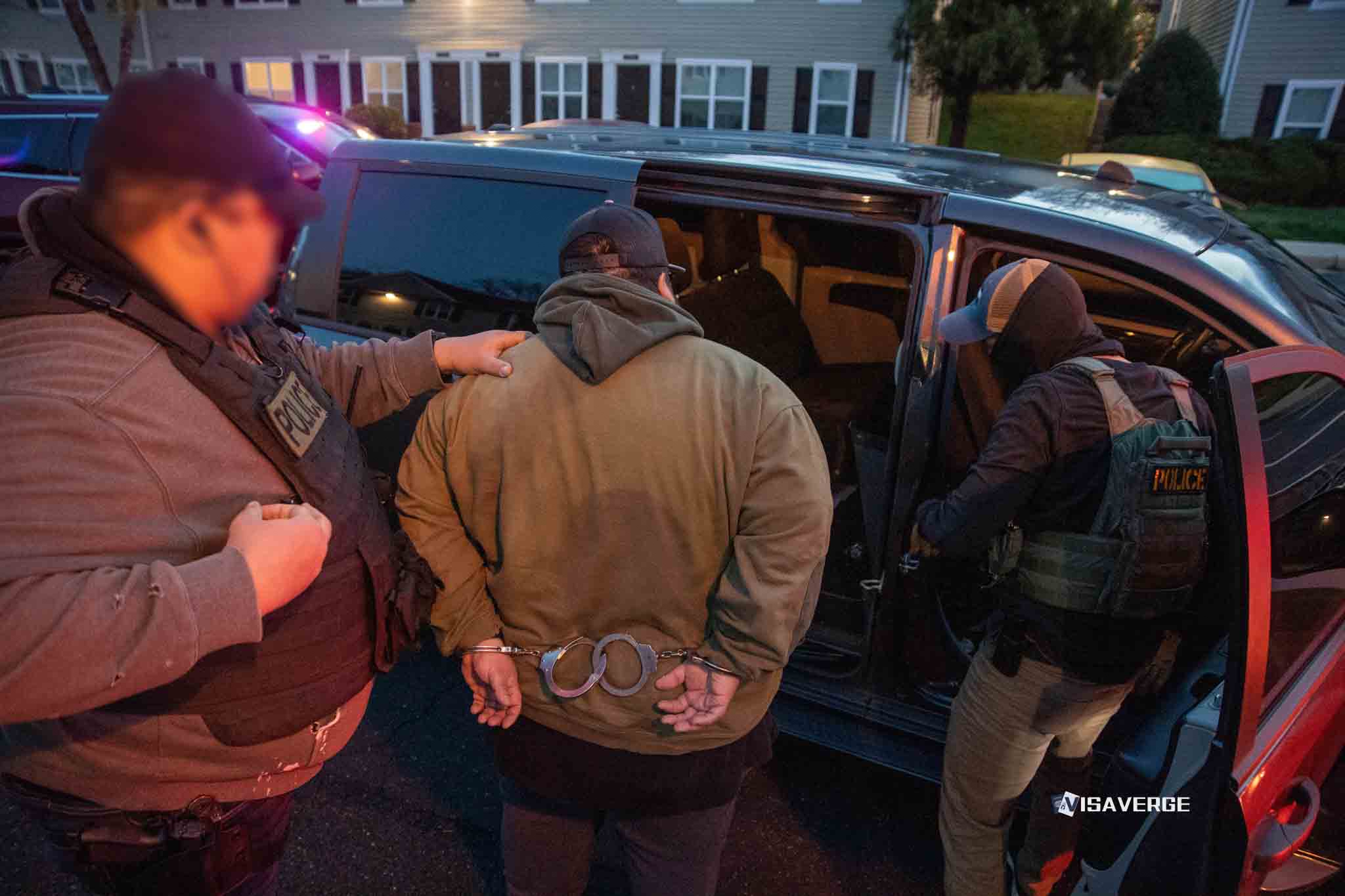
DHS has denied wrongdoing. A DHS spokesperson said on April 14, 2026, “ICE does not ‘kidnap’ people. This is nothing but a political stunt to demonize ICE law enforcement. DHS law enforcement officers were executing a warrant. Through surveillance and intelligence information, law enforcement concluded sexual predator targets had ties to the property.”
County officials said Thao’s citizenship is not in dispute. They also said they have not confirmed any judicial warrant in the case, a point that goes to whether officers entered the home and detained a citizen under a judge-signed warrant or under an administrative immigration warrant issued inside DHS.
That distinction carries legal weight. Federal immigration officers can interrogate and, in some circumstances, arrest aliens without a warrant, but Thao is a naturalized American citizen, and Minnesota officials are treating the seizure as a possible state criminal matter rather than a disputed enforcement tactic.
DHS offered a different account in the days after the raid. In a January 20, 2026 statement, the agency said, “The US citizen lives with these two convicted sex offenders at the site of the operation. The individual refused to be fingerprinted or facially ID’d. He matched the description of the targets.”
Thao has said he did not know the men agents claimed to be seeking. One of the intended targets, Lue Moua, was in state prison at the time, according to the Minnesota Department of Corrections, which said he had been incarcerated since 2024.
DHS also defended the way agents handled people inside the home. Assistant Secretary Tricia McLaughlin said on January 23, 2026, “As with any law enforcement agency, it is standard protocol to hold all individuals in a house of an operation for safety of the public and law enforcement.”
That same day, DHS blamed local resistance for the scale of the operation. The department said on social media, “We need state and local law enforcement engagement and information so we don’t have to have such a presence on the streets.”
Choi and Fletcher have framed the dispute in narrower terms. They are asking whether officers lawfully entered a private residence, whether they unlawfully removed a citizen from that residence, and whether the period of detention outside the home amounted to false imprisonment under Minnesota law.
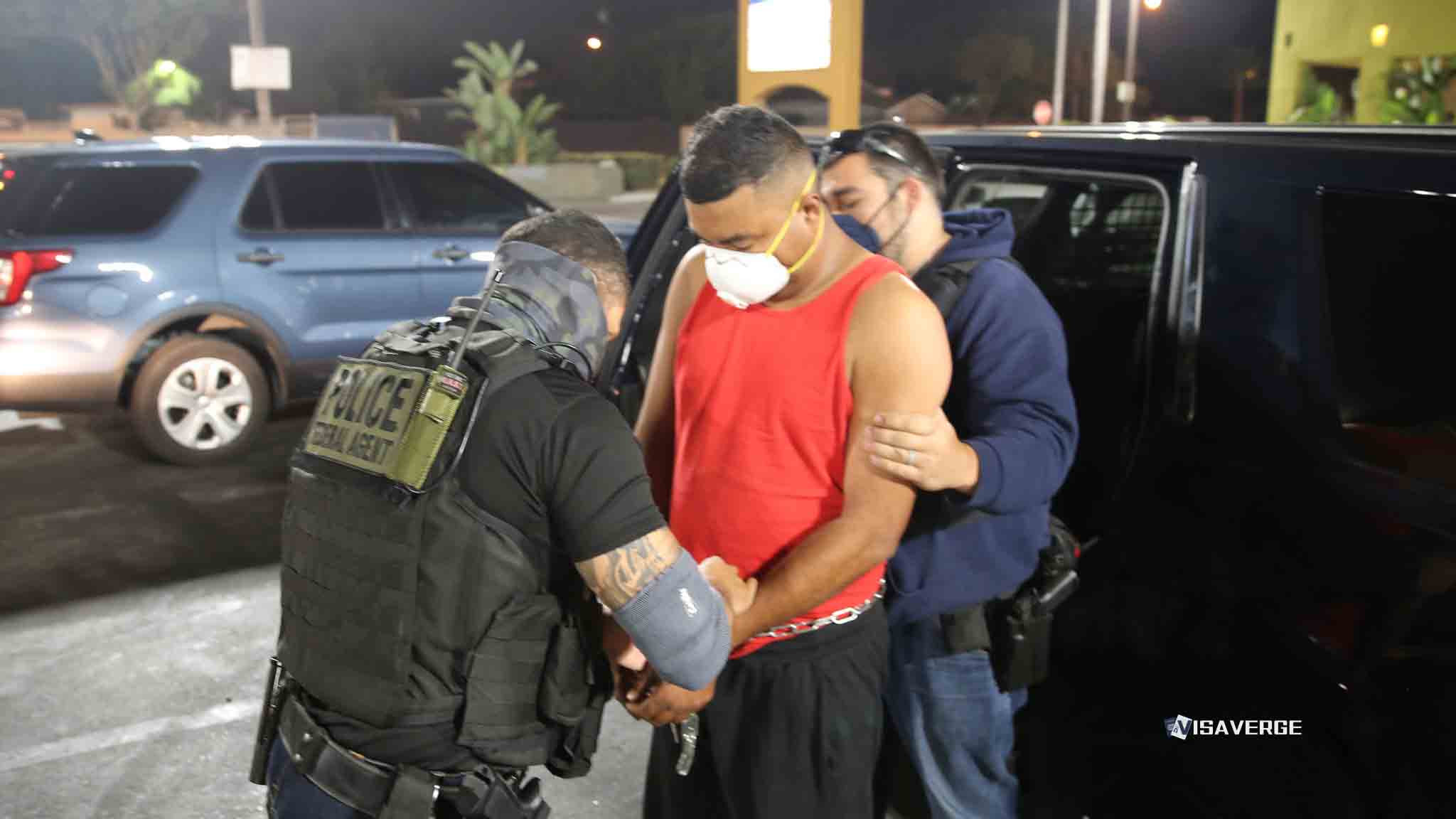
Ramsey County officials said agents took Thao from the house at gunpoint, left him in sub-freezing temperatures in underwear and a blanket, handcuffed him and drove him to a remote location for questioning before returning him nearly two hours later. Those facts, if supported by records and video, would define the state inquiry more than the immigration purpose of the operation.
Naturalized citizenship sits at the center of the case. USCIS says naturalization can be revoked only through a civil proceeding or pursuant to a criminal conviction, and if naturalization is revoked, the person returns to the status held before becoming a citizen.
That means a naturalized American does not revert to ordinary immigration enforcement status because officers suspect someone at the door. Unless citizenship has first been stripped through a formal denaturalization process, the person remains a U.S. citizen, a point Minnesota officials say makes the wrongful-seizure question unavoidable.
The warrant issue also reaches beyond St. Paul. ICE already faces a separate federal lawsuit over a 2025 policy that allows officers to enter homes using administrative immigration warrants issued within DHS rather than warrants signed by a judge, and that suit argues the policy violates the Fourth Amendment.
Minnesota officials said that, as far as they have been able to determine, no judicial warrant was used in Thao’s case. DHS has maintained that officers were executing a warrant and believed two convicted sex offenders had ties to the property.
Ramsey County escalated its demands on March 20, when officials sought reports, agent identities, supervisory chains, witness interviews and any digital or video recordings tied to the raid. The county set an April 30, 2026 deadline for DHS, ICE and federal prosecutors to comply.
If federal authorities do not cooperate, the county has said it could sue for records or convene a grand jury in May. Choi and Fletcher are seeking enough evidence to determine which officers were present, who approved the operation and whether federal agents can be tied to conduct that would otherwise support state charges.
DHS has described the Minnesota probe as political. Local officials have rejected any suggestion that federal officers enjoy blanket immunity if they seize an American citizen inside a private home without lawful authority.
The clash comes amid a much larger enforcement push. Operation Metro Surge involved approximately 3,000 federal agents in the Twin Cities, and by April 2026 nearly 1,300 arrests from the operation had been classified by ICE as “collateral,” meaning the people arrested were not the primary targets.
Those numbers have sharpened scrutiny of how the January surge was carried out. The Thao case has become one measure of what happens when a high-volume immigration operation reaches someone whose citizenship is not in question and whose detention must be judged under ordinary criminal law as well as federal enforcement authority.
Other January surge incidents have added to that scrutiny. The St. Paul case is unfolding alongside investigations into the fatal shootings of two other U.S. citizens, Renee Good and Alex Pretti, by federal agents during the same month.
Local concern has spread beyond the courthouse. The Hmong American community in St. Paul has held protests over the raid, and St. Paul Mayor Kaohly Her called the tactics “un-American” and “unjustifiable.”
Thao has described lasting psychological harm from the operation. He said in interviews that he “no longer feels safe to sleep” in his home, and his family, including a 4-year-old grandson who witnessed the raid, has filed for a civil rights lawsuit against DHS.
The county’s records demand now stands as the next measurable step. Investigators want logs, video, witness accounts and command records that can either support DHS’s position that agents acted on lawful intelligence and a warrant, or support Ramsey County’s position that a citizen was wrongly taken from his home without legal cause.
Until that material arrives, the St. Paul investigation will keep pressing the same question raised by the ICE Raid on January 18, 2026: how an operation aimed at deportable noncitizens under Operation Metro Surge ended with a handcuffed U.S. Citizen standing outside in the cold while Minnesota authorities weighed whether federal officers had committed crimes.