Key Takeaways
• Mexico rejects US immigration crackdown led by President Trump, emphasizing development over repression.
• Trump administration enforces ‘Remain in Mexico’ policy, mass deportations, and $170 billion immigration budget.
• Mexican consular support activated amid rising detention and legal battles over harsh US immigration policies.
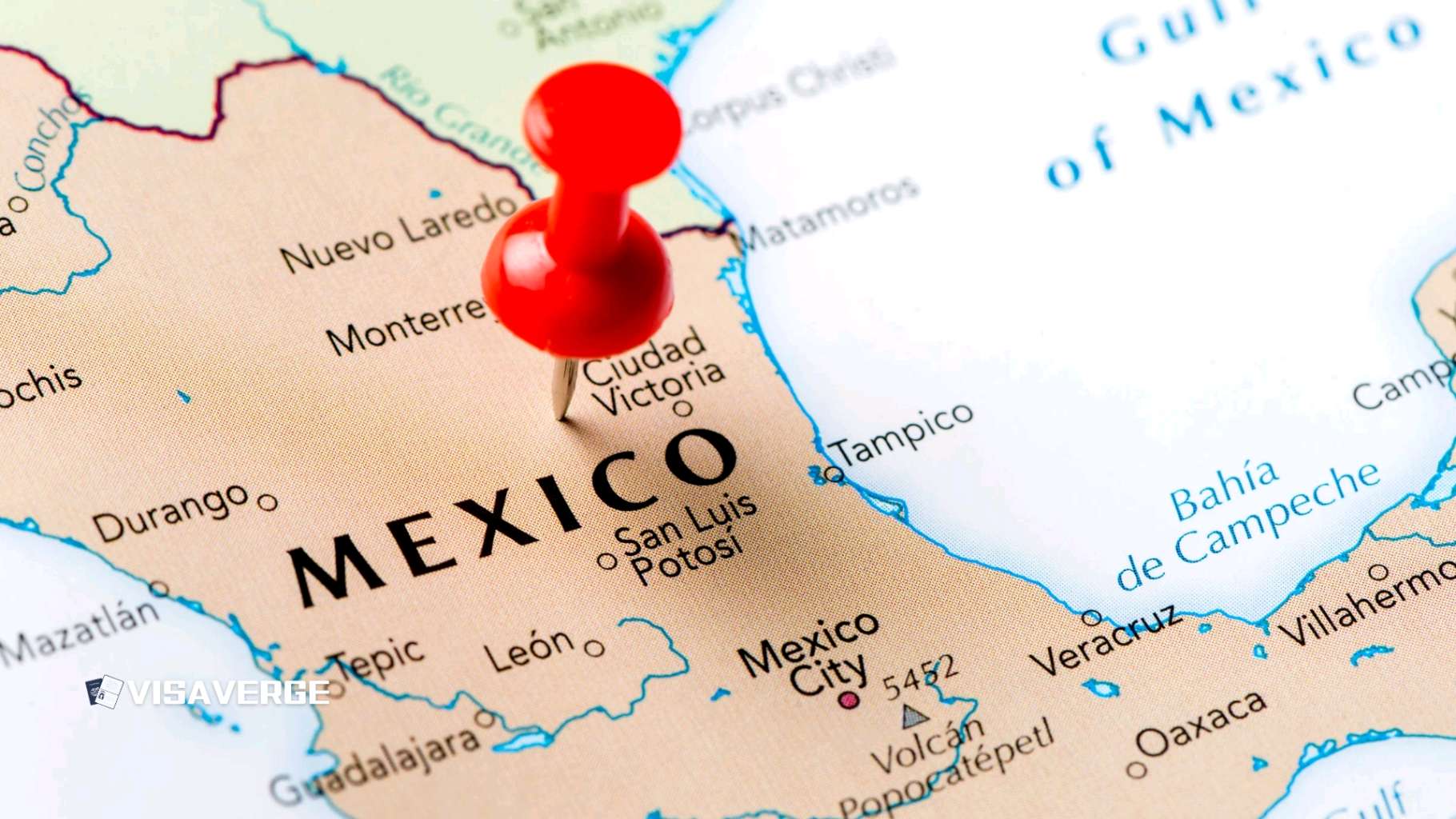
The relationship between Mexico ?? and the United States ?? has entered a period of sharp disagreement over immigration policy, with President Claudia Sheinbaum leading Mexico’s firm rejection of President Trump’s latest immigration crackdown. This analysis examines the scope and impact of these developments, focusing on the policies, responses, and practical effects for migrants, Mexican nationals, and both countries’ economies.
Purpose and Scope
This content provides an in-depth, objective analysis of the recent immigration crackdown led by the United States ?? under President Trump, Mexico’s response under President Claudia Sheinbaum, and the resulting effects on migrants, bilateral relations, and key stakeholders. The analysis covers policy changes, enforcement trends, humanitarian concerns, and the broader context of U.S.-Mexico immigration cooperation and conflict.
Methodology
| India | China | ROW | |
|---|---|---|---|
| EB-1 | Feb 01, 2023 | Aug 01, 2023 ▲31d | Current |
| EB-2 | Nov 01, 2013 | Oct 01, 2021 | Apr 01, 2025 ▲90d |
| EB-3 | Jan 22, 2014 ▲21d | Jan 22, 2022 ▲14d | Jun 15, 2024 ▲31d |
| F-1 | Jan 22, 2021 ▲366d | Jan 22, 2021 ▲366d | Jan 22, 2021 ▲366d |
| F-2A | Oct 22, 2026 ▲30d | Oct 22, 2026 ▲30d | Oct 22, 2026 ▲30d |
This analysis draws on official statements, government data, and reporting from June and July 2025. It reviews legislative actions, executive orders, and public comments from both governments. Key findings are presented up front, followed by a detailed breakdown of data, trends, and stakeholder positions. The analysis concludes with evidence-based conclusions, practical implications, and a discussion of limitations.
Key Findings
- Mexico, led by President Claudia Sheinbaum, has firmly rejected the U.S. immigration crackdown, calling for development-based solutions instead of repression.
- The Trump administration has reinstated strict enforcement measures, including mass deportations, expanded detention, and the “Remain in Mexico” policy.
- Diplomatic tensions have increased, with both sides defending their positions and preparing for further legal and political battles.
- Mexican nationals in the U.S. face increased risk of detention and deportation, but Mexico is providing legal and consular support.
- Experts warn of humanitarian, legal, and economic consequences for both countries.
Data Presentation and Trends
Recent Policy Developments (June–July 2025)
- On July 4–5, 2025, President Claudia Sheinbaum publicly rejected the U.S. House-approved fiscal plan, which allocates $170 billion for immigration enforcement. This plan includes funding for expanded border security, new detention centers, and mass deportations.
- Sheinbaum criticized the construction of new detention centers, such as the “Alligator Alcatraz” in Florida, and warned that these measures are “discriminatory and will damage the U.S. economy.”
- Mexico reports that arrests at its borders have dropped to just 220 per day, a significant decrease from previous years. Sheinbaum attributes this to Mexico’s own enforcement and humanitarian efforts.
- The Mexican government has activated consular and legal support for its citizens detained in recent U.S. immigration raids, especially in Los Angeles, where over 100 arrests occurred in June 2025.
- Sheinbaum has called for comprehensive U.S. immigration reform that recognizes the contributions and long-term residency of millions of Mexicans and other Latin Americans in the United States.
U.S. Policy Actions in 2025
- Suspension of the Refugee Program: President Trump signed an order suspending the U.S. refugee program for at least four months, leaving thousands of approved refugees, including Afghans who assisted the U.S. military, stranded.
- Closure of the Southern Border to Asylum Seekers: The administration has effectively shut down asylum at the southern border, including the shutdown of the CBP One mobile app, which had been the only legal way for migrants to schedule asylum appointments.
- Reinstatement of “Remain in Mexico” (MPP): Asylum seekers are again required to wait in Mexico ?? for their U.S. immigration court hearings, exposing them to significant risks.
- Mass Deportations and Detentions: The administration is using expanded executive powers to carry out mass deportations and detentions, including targeting sanctuary cities and threatening to withhold federal funds from non-cooperating jurisdictions.
- Project 2025 Agenda: The Trump administration’s broader “Project 2025” plan seeks to further restrict asylum, legal immigration, and family reunification, while giving the executive branch more control over immigration enforcement.
Visual Data Overview
- Arrests at Mexico’s Borders: Down to 220 per day (from thousands in previous years)
- U.S. Immigration Enforcement Budget: $170 billion approved by Congress
- Detentions in Los Angeles (June 2025): Over 100 Mexican nationals arrested
- Mexican Consular Support: Activated for all detained nationals in the U.S.
Comparisons, Trends, and Patterns
Enforcement vs. Humanitarian Approaches
- The United States ?? has shifted toward strict enforcement, focusing on border security, detention, and deportation.
- Mexico ??, under Claudia Sheinbaum, emphasizes addressing migration’s root causes through development and cooperation, not repression.
- The number of arrests at Mexico’s borders has dropped, suggesting that Mexico’s own enforcement and humanitarian efforts are having an effect.
Diplomatic Tensions and Stakeholder Positions
| Stakeholder | Position/Action |
|---|---|
| Claudia Sheinbaum (Mexico) | Rejects Trump’s crackdown, calls for cooperation, supports migrants, opposes U.S. troop presence |
| Donald Trump (U.S.) | Advocates for $170B border security plan, mass deportations, “Remain in Mexico,” Project 2025 |
| Juan Ramón de la Fuente (Mexico FM) | Confirms consular/legal support for detained Mexicans, monitors deportations and due process |
| Kristi Noem (U.S. DHS Secretary) | Accused Sheinbaum of encouraging protests, supports aggressive enforcement |
| U.S. Congress (House) | Approved $170B immigration enforcement budget |
Practical Implications for Affected Groups
Migrants and Asylum Seekers
- Face increased risk of detention, deportation, and being stranded in Mexico ?? under the revived “Remain in Mexico” policy.
- Legal pathways to asylum are severely restricted, and humanitarian protections have been rolled back.
- Many are left in limbo, unable to access the U.S. asylum system or return safely to their home countries.
Mexican Nationals in the U.S.
- Subject to heightened ICE raids and mass arrests, especially in sanctuary cities.
- The Mexican government is providing legal and consular support, but deportations have already begun.
- Families are separated, and many fear seeking help due to possible detention.
U.S. Communities and Employers
- Potential labor shortages and economic disruptions due to mass deportations.
- President Claudia Sheinbaum has highlighted the vital role of Mexican and Latin American workers in the U.S. economy.
- Some U.S. employers are concerned about losing experienced workers and the impact on industries like agriculture, construction, and services.
Procedures and Support for Detained Mexicans
- Consular Notification: Mexican consulates are notified of detained nationals and initiate contact.
- Legal Assistance: Consulates provide or arrange for legal counsel to ensure due process.
- Family Contact: Consulates assist detainees in contacting family members.
- Monitoring: Consular officials visit detention centers to monitor conditions and advocate for humane treatment.
- Repatriation Support: For those deported, Mexico ?? offers reintegration assistance and welcomes returnees.
Evidence-Based Conclusions
Human Rights Concerns
- Experts warn that the revived “Remain in Mexico” policy and mass detentions expose migrants to violence, extortion, and abuse.
- These policies undermine U.S. commitments to asylum and refugee protection under international law.
- Humanitarian organizations have reported increased risks for migrants stranded in border areas.
Legal Challenges
- Some of President Trump’s executive orders have faced immediate legal challenges and temporary restraining orders.
- The administration continues to push the limits of executive authority, leading to ongoing court battles over the legality of certain actions.
- The shutdown of the CBP One app and suspension of the refugee program have been challenged by advocacy groups.
Economic Impact
- Both Mexican and U.S. analysts caution that mass deportations could harm key sectors of the U.S. economy that rely on immigrant labor.
- Punitive measures against remittances would damage both countries, as remittances are a major source of income for many Mexican families.
- President Claudia Sheinbaum has warned that the crackdown could “damage the U.S. economy” by removing essential workers.
Limitations of the Analysis
- The situation is rapidly evolving, with new executive orders and legal challenges emerging regularly.
- Data on detentions, deportations, and economic impacts are still being collected and may change as policies are implemented.
- Political polarization in both countries makes it difficult to predict the long-term outcome of these policies.
Official Resources
- For the latest information on U.S. immigration policy and enforcement, readers can visit the U.S. Department of Homeland Security website.
- Mexican nationals in the U.S. seeking legal assistance should contact their nearest Mexican consulate. The Mexican government maintains a 24/7 hotline for urgent consular support.
- For official statements and resources for Mexican nationals abroad, the Mexican Ministry of Foreign Affairs provides updates and guidance.
Comparative Analysis: Mexico vs. U.S. Approaches
- Mexico ??: Focuses on development cooperation, humanitarian support, and legal assistance for its nationals. Rejects militarization and foreign troop presence.
- United States ?? (under Trump): Emphasizes enforcement, border security, and executive authority. Implements mass deportations, detentions, and strict asylum restrictions.
Trends and Patterns
- The U.S. is moving toward more restrictive immigration policies, while Mexico is advocating for regional cooperation and reform.
- Diplomatic tensions are likely to continue, with both sides defending their sovereignty and policy choices.
- The number of migrants detained or deported is expected to rise as enforcement measures are implemented.
Actionable Guidance for Affected Individuals
- Mexican nationals in the U.S.: If detained, contact your nearest Mexican consulate immediately for legal and consular support.
- Employers: Stay informed about changes in immigration enforcement and prepare for possible labor shortages.
- Migrants and asylum seekers: Be aware of the risks associated with crossing the border and seek legal advice before making decisions.
Analysis from VisaVerge.com suggests that the ongoing standoff between Mexico and the United States ?? over immigration policy is likely to have lasting effects on migrants, families, and both countries’ economies. The firm stance taken by President Claudia Sheinbaum reflects a broader shift in Mexico’s approach, prioritizing sovereignty, humanitarian support, and regional cooperation over compliance with U.S. enforcement-heavy policies.
Conclusion
The current confrontation between Mexico ?? and the United States ?? over immigration policy highlights deep differences in approach and priorities. President Claudia Sheinbaum’s rejection of President Trump’s immigration crackdown signals a commitment to protecting Mexican nationals and advocating for humane, development-based solutions. Meanwhile, the Trump administration’s focus on enforcement, detention, and deportation has raised concerns about human rights, legal challenges, and economic impacts.
As both countries prepare for further legal and political battles, the practical effects are already being felt by migrants, families, and employers. The situation remains fluid, and ongoing monitoring of policy changes, legal developments, and humanitarian needs is essential.
Next Steps for Readers
- Stay informed: Follow updates from official government sources, such as the U.S. Department of Homeland Security and the Mexican Ministry of Foreign Affairs.
- Seek support: If you or someone you know is affected by these policies, contact the nearest Mexican consulate for assistance.
- Monitor legal developments: Watch for court decisions and policy changes that may affect immigration status or rights.
By understanding the current landscape and knowing where to find help, individuals and families can better protect themselves and make informed decisions in the face of ongoing immigration challenges.
Learn Today
Remain in Mexico Policy → A US immigration rule requiring asylum seekers to wait in Mexico during court processes.
Mass Deportations → Large-scale forced removals of migrants from a country, particularly by US immigration authorities.
Consular Support → Legal and diplomatic help provided by a country’s consulate to its citizens abroad.
Project 2025 → Trump’s immigration agenda aiming to restrict asylum, legal immigration, and enhance enforcement powers.
Sanctuary Cities → US cities limiting cooperation with federal immigration enforcement to protect undocumented immigrants.
This Article in a Nutshell
The Mexico-US immigration conflict escalates as Trump enforces strict policies while Sheinbaum rejects repression, defending migrants. Mexico offers legal support despite deportations. Humanitarian and economic risks loom, with continuing diplomatic tension shaping future immigration debate and policy outcomes between the two nations.
— By VisaVerge.com