( NOIDA) Delhi Police have arrested two alleged members of a cross-border job racket accused of running a large visa fraud that targeted Nepali citizens with fake employment offers in Serbia. Investigators say at least 19 people lost a combined Rs 70 lakh after handing over their original passports and thousands of euros for visas that did not exist. The case, registered on August 25, 2025, remains active, with two suspects still on the run and money trails tied to hawala networks under review, according to the Crime Branch.
Police identified the arrested men as Jayakub, picked up in Noida, and Rupesh, detained in Delhi’s Chhawla area. Two others, named by police as Sachin and George, are absconding. Officers recovered 13 Nepali passports and “incriminating digital evidence” during a search linked to Jayakub. About Rs 60 lakh of the proceeds were allegedly routed through hawala channels and linked accounts, including one belonging to Jayakub’s wife, investigators said.
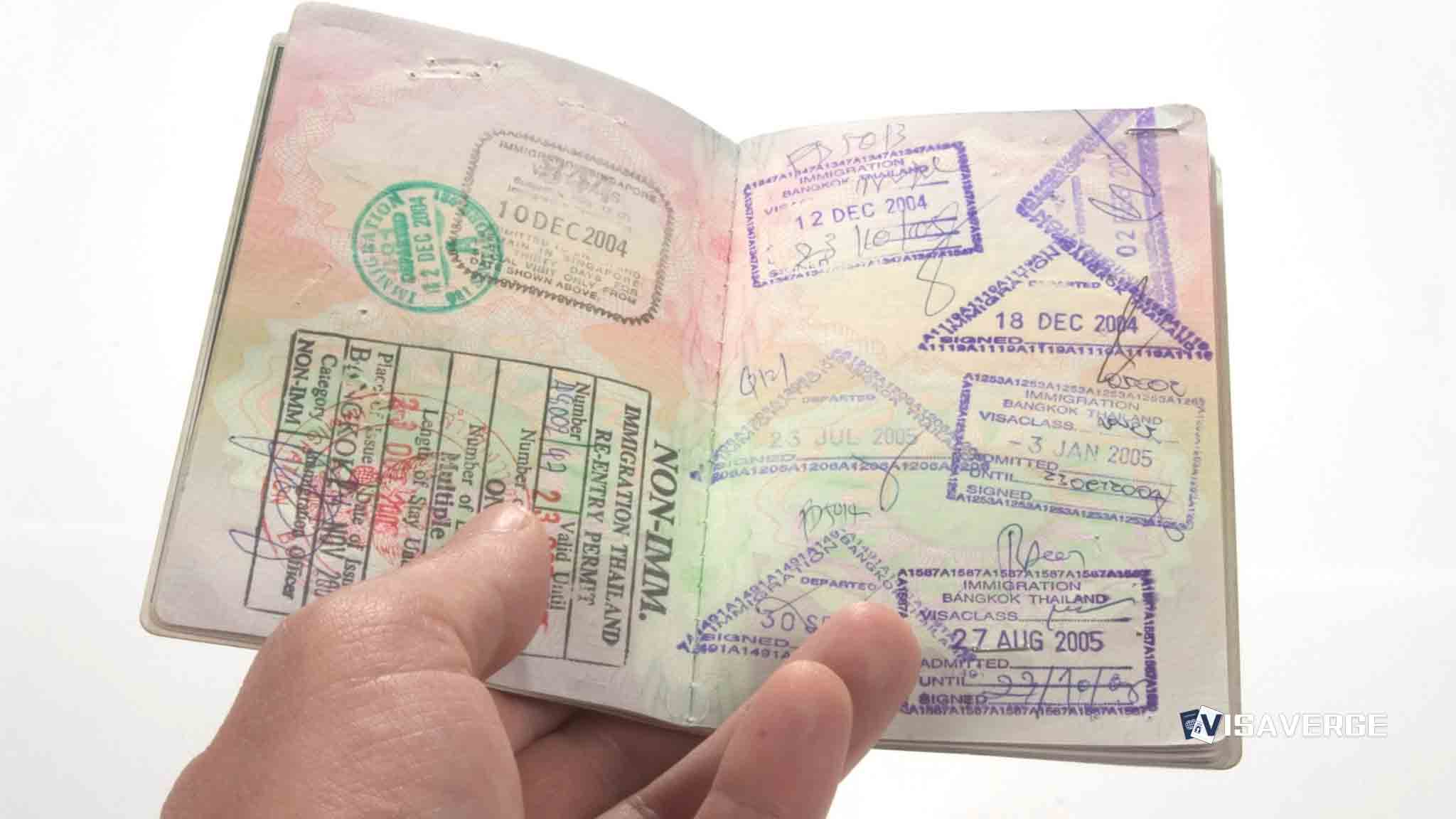
The 19 victims—all Nepali citizens—were told they had secured jobs in Serbia and were asked to pay about 3,500 euros each, which victims say translated to Rs 3–5 lakh per person. The accused posed as travel agents, showed forged visas and job letters, and asked applicants to transfer money through QR codes, the Police Crime Branch stated. When the group reached Delhi in July to collect their visas and fly out, the accused started delaying, threatened them, and refused to return passports or money, according to the complaint filed by Nepali national Sujhan Khadka.
Free toolDS-160 Form Filling Online Helper ToolArrests and evidence recovered
Deputy Commissioner of Police (Crime) Vikram Singh confirmed the arrests and said the case was among the most striking recent examples of international employment fraud in the region.
The Crime Branch reported:
– Seizure of 13 passports belonging to Nepali citizens.
– Confiscation of phones and laptops believed to contain operational records.
– Recovery of “incriminating digital evidence” during searches.
– Ongoing efforts to locate the two suspects still at large, with more arrests possible.
Investigators noted that about Rs 60 lakh was traced through hawala channels and linked accounts, complicating fund recovery but prompting account freezes and further financial tracing.
This case highlights how quickly job scams shift across borders and exploit genuine labor demand to lend credibility to forged offers.
How the scam operated
Investigators described a consistent playbook used to dupe victims:
- Identify job seekers eager to go abroad and promise guaranteed placements in Serbia.
- Send fake visa scans and forged job letters on counterfeit company letterheads.
- Use in-person meetings to collect original passports under the pretext of “expediting” visas.
- Demand upfront payment—often via QR codes—to avoid formal banking scrutiny.
- Delay travel with excuses (“system down,” “embassy delay,” “final clearance pending”), then threaten victims and refuse to return passports or money.
Scammers leveraged Serbia’s real labor shortages in sectors such as construction, hospitality, and manufacturing to make offers sound plausible. They often promised higher-than-market wages, fast-track visas, and insisted on cash or QR payments to “lock in” the job.
Impact on victims
The damage extended well beyond financial loss:
- Many victims lost life savings—selling jewelry, quitting jobs, or borrowing to fund the move.
- Without passports, victims face difficulties with work, travel, and basic banking.
- Replacing Nepali passports takes time, leaving many stranded in India and dependent on consular assistance for emergency documents.
- Several victims reported being threatened when they demanded passports or refunds.
Families and community groups have been assisting victims with shelter and living costs while they wait for replacement travel documents or a realistic plan to regain employment.
Why Serbia was used as the lure
Serbia’s genuine hiring needs created a realistic backdrop for fraudsters:
- Real demand in sectors with labor shortages made the proposition believable.
- Scammers blurred real opportunities with forged documents and convincing scripts.
- They exploited fear of losing an “opportunity,” so victims complied with upfront fee demands.
Analysis by VisaVerge.com notes that such scams increase when destination countries have authentic labor demand and intermediaries advertise too-good-to-be-true timelines. Fraudsters also use jargon—“sponsor companies,” “quota slots,” “processing seats”—to intimidate applicants.
Red flags and police warnings
Police urge families in Nepal and India to be wary of any agent or recruiter that:
- Guarantees a job without an interview.
- Demands money before a visa is issued.
- Asks for original passports “for processing.”
- Uses only QR code or cash payments.
- Refuses to share verifiable employer contact details.
The Crime Branch opened a probe after several victims reported the fraud; arrests in Noida and Chhawla followed this month.
Legal pathways to work in Serbia — legitimate steps
Serbia allows foreign workers to take up jobs through a regulated process. A legitimate route generally includes:
- Employer sponsorship: a Serbian company issues a genuine offer and submits required filings.
- Entry permission: some nationals need a long-stay Type D visa for employment.
- Address registration: register your address within 48 hours of arrival.
- Work and residence documentation: processing typically takes 15–30 working days; initial permission usually lasts one year and can be renewed.
Workers should apply through official government systems or directly with the Ministry of Interior. The safest starting point is the Serbia eGovernment portal: https://euprava.gov.rs.
Key safeguards:
– No legitimate employer or government office asks for “visa fees” via QR code or cash to private accounts.
– Do not hand over an original passport unless dealing with an accredited visa center or an official office that issues receipts and tracking numbers.
– Ask for the employer’s registration number in Serbia, the physical address, and a direct HR contact. Verify independently.
– Demand a written contract with clear terms—pay, hours, location, employer name—and confirm the job on the company website or a recognized hiring platform.
– Reputable companies never charge candidates to apply or schedule interviews.
International organizations (UNDP, IOM) warn that “placement fees” are common entry points for fraud. They recommend keeping copies of all documents and payment records and informing family about travel plans and destination contacts.
Practical steps for Nepali job-seekers to lower risk
- Speak directly with the Serbian employer by email and phone; use video calls to confirm offices and people.
- Check if the employer has hired foreign workers before and ask for references from past hires.
- Use traceable bank transfers to company accounts; avoid personal wallets or untraceable methods.
- Keep your passport with you; if a third party insists on holding it, demand a written receipt with a stamped address and a timeline for return.
- Contact your embassy or consulate for guidance and safety checks before traveling.
Ongoing investigation and next steps
The Delhi Police Crime Branch is coordinating with other agencies to:
- Track the two suspects still at large.
- Identify any additional victims who have not yet come forward.
- Issue public advisories in Nepali and Hindi to warn job seekers about this fraud pattern.
- Pursue account freezes and hawala leads to recover funds, though investigators warn recovery can take time.
Families of victims primarily want two things:
– Their passports returned.
– A realistic plan to find safe work without falling prey to scammers.
Some victims are seeking help from community groups to cover living costs in Delhi while they wait for replacement travel documents. Others are considering returning to Nepal after securing emergency papers.
The broader lesson: job scams adapt quickly. The safest path is the official one — apply through government portals, secure employer sponsorship in writing, and refuse any demand for cash or QR transfers tied to “fast-track” promises. In this case, every visa shown to victims was fake — and the price paid was very real.
This Article in a Nutshell
A Serbia job visa scam left 19 Nepali victims out Rs 70 lakh; two arrests were made, 13 passports seized, and Rs 60 lakh traced via hawala. Police warn against QR-code payments and returning passports only through official channels.