- Prime Minister Mark Carney suspended the federal excise tax on gasoline, diesel, and aviation fuel starting Monday.
- The temporary tax relief ends on Labour Day and will cost the government roughly $1.7 billion USD.
- Gasoline prices will drop by 10 cents per litre to combat surges caused by the Iran conflict.
(OTTAWA, CANADA) – Canadian Prime Minister Mark Carney announced on Tuesday a temporary suspension of the federal excise tax on gasoline, diesel, and aviation fuel, a move he said would take effect Monday and run through Labour Day as Canada confronts higher fuel costs and airline supply strain tied to the Iran conflict.
The measure cuts gasoline prices by 10 cents per litre, lowers diesel by 4 cents per litre, and grants the same 4-cent exemption per litre on aviation fuel. Ottawa put the total estimated cost at $1.7 billion USD ($2.4 billion CAD).
Free toolCanada Express Entry Points Calculator
Carney called the plan a “responsible temporary measure” and said it would help Canadians, truckers and businesses facing what he described as “short-term pressures” from the war with Iran. He tied those pressures to the U.S. naval blockade of Iranian ports and the partial closure of the Strait of Hormuz.
The announcement places fuel taxes at the center of Carney’s early governing agenda after his recent electoral victory produced a majority government. It also gives his administration a fast test of whether temporary tax relief can blunt a price surge driven by events well outside Canada’s borders.
National average gasoline prices now exceed 176 cents per litre. Before the conflict, they stood at 126 cents.
That jump helps explain why Ottawa extended the suspension beyond motorists to freight and aviation. Diesel powers trucking fleets and reaches deep into food, agriculture, housing, construction and delivery networks, while aviation fuel costs feed directly into airline operations at a time of fuel shortages.
Carney framed the step as short-term support rather than a permanent tax change. The timeline reflects that approach: the suspension starts Monday, ends on Labour Day, and applies across the three fuels cited in Tuesday’s announcement.
Gasoline receives the largest direct consumer reduction at 10 cents per litre. Diesel and aviation fuel each receive 4 cents per litre, a smaller cut that still reaches sectors carrying goods, moving equipment and keeping flights operating.
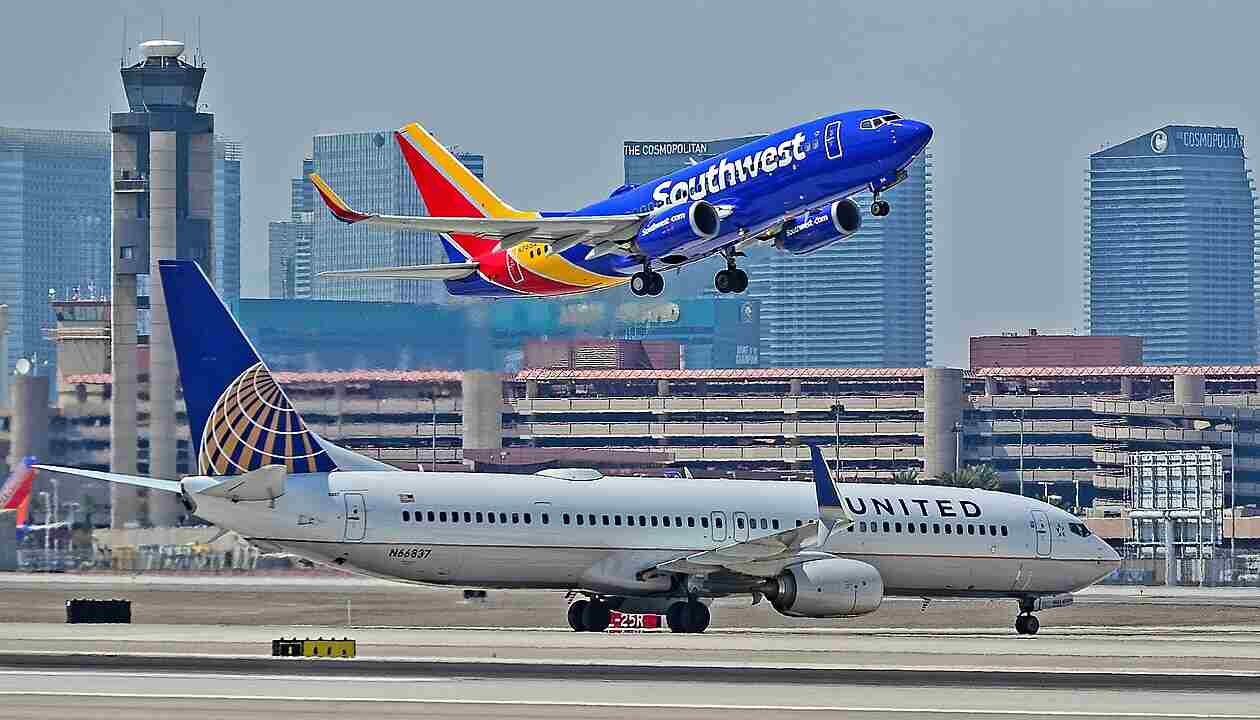
Airlines stand to gain from the aviation fuel exemption as carriers confront a fuel crunch linked to the Iran conflict. Carney’s government presented that part of the package as both economic relief and a response to supply stress that has begun to affect transport planning.
Truckers also sit near the front of the policy’s target list. So do businesses in food, agriculture, housing, construction and delivery, sectors Carney named as exposed to rising operating costs when diesel prices climb.
Consumers may feel the gasoline reduction most directly because it reaches retail prices seen every day on roadside signs. Even so, experts said the savings may offer limited relief as fuel prices continue rising.
That caution reflects the arithmetic of the market. A 10-cent-per-litre cut can soften the immediate blow at the pump, but it comes after the national average climbed from 126 cents to more than 176 cents per litre.
The same tension applies across the wider economy. Fuel enters household budgets directly through commuting and indirectly through shipping, construction, food production and home building, which is why Carney cast the measure as support for both families and businesses rather than as a narrowly targeted consumer rebate.
Ottawa’s description of the measure also points to the limits of domestic policy in a supply shock tied to conflict routes and maritime access. Carney cited the U.S. naval blockade of Iranian ports and the partial closure of the Strait of Hormuz, two developments that have fed fears about supply disruption and pushed prices higher.
Those conditions have made aviation fuel part of a broader economic story rather than a specialized concern confined to airlines. Shortages in that market can ripple through schedules, cargo movement and business costs, giving the government reason to place aviation fuel alongside gasoline and diesel in the same tax package.
Still, the structure of the plan shows Ottawa treating the problem as temporary. Carney did not announce a permanent rollback of the federal excise tax; he announced a suspension with a fixed endpoint on Labour Day.
That endpoint matters politically as well as fiscally. A short window allows the government to present help quickly while capping the budget cost at $1.7 billion USD ($2.4 billion CAD), a figure that signals the scale of what Ottawa is prepared to absorb in exchange for lower fuel taxes during the current pressure period.
Carney’s majority government gives him room to advance that approach without the immediate parliamentary fragility that can complicate emergency economic measures. The announcement suggests he intends to use that mandate to answer geopolitical price shocks with temporary, targeted tax action rather than broader structural changes.
Whether the cut brings noticeable relief beyond the first weeks will depend on the direction of fuel markets, which continue to move higher even after the tax break. Carney’s government has chosen speed and breadth, lowering costs on gasoline, diesel and aviation fuel at once as prices remain above 176 cents per litre and the war-driven squeeze shows little sign of easing.