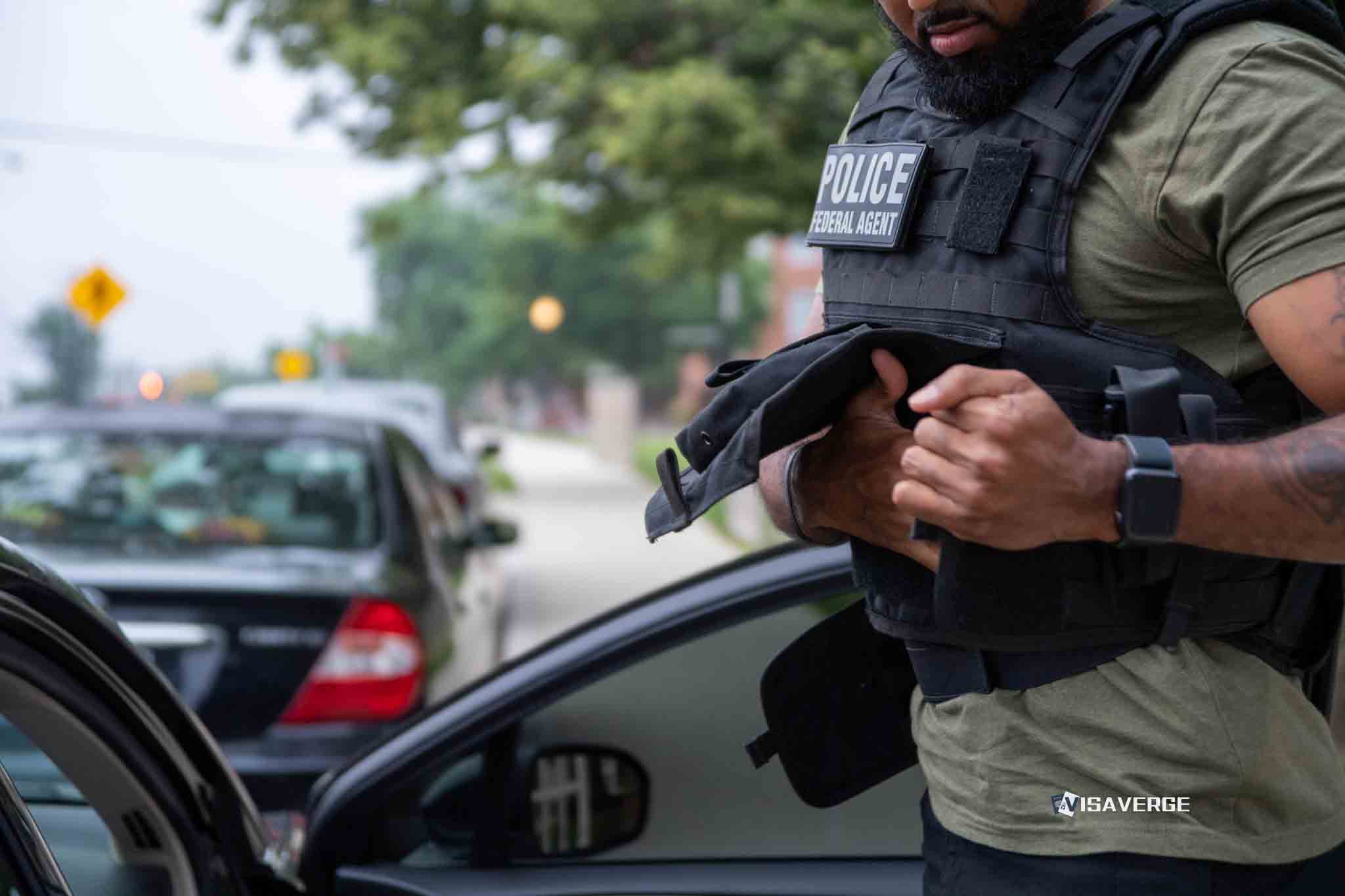
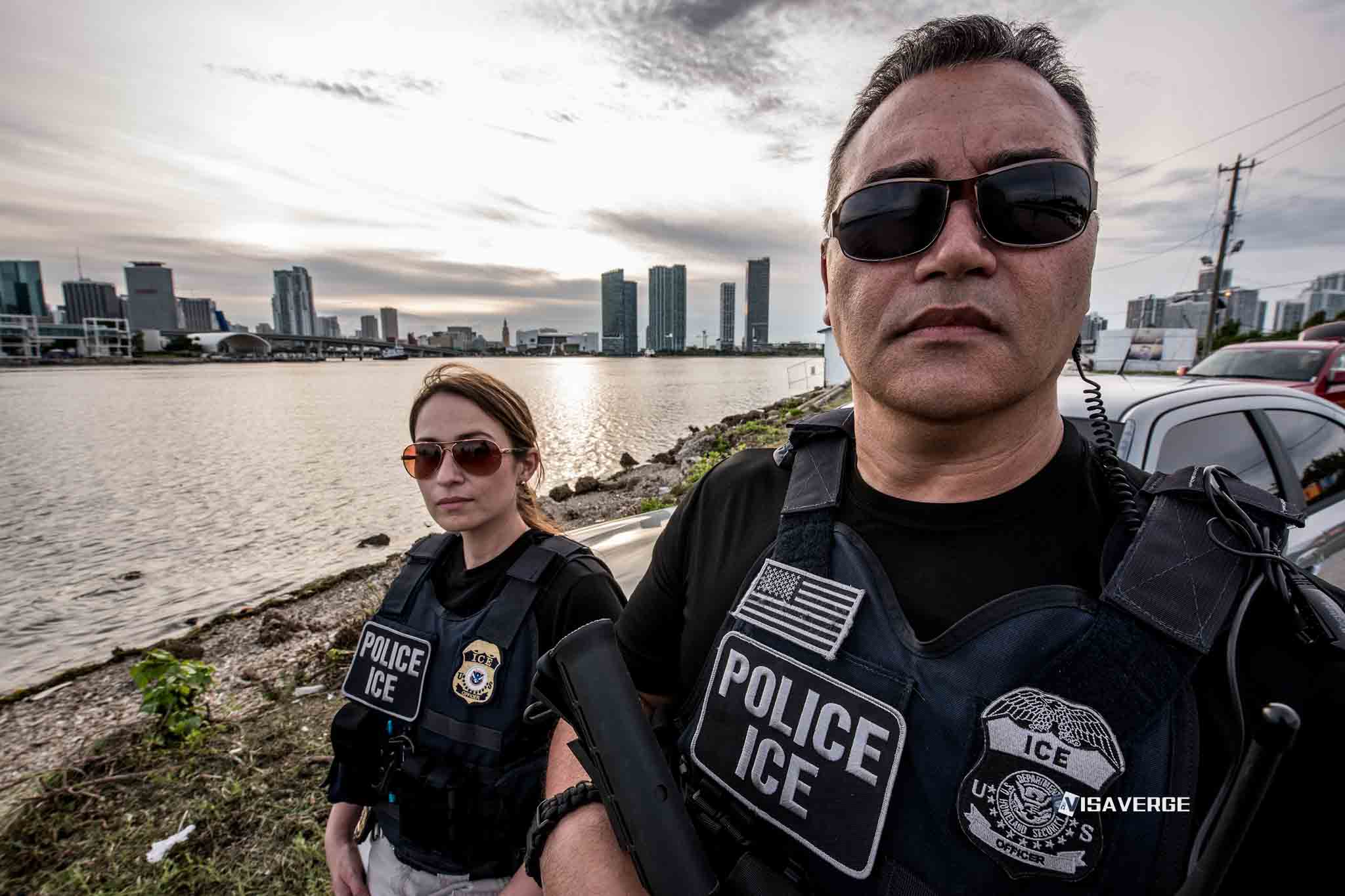
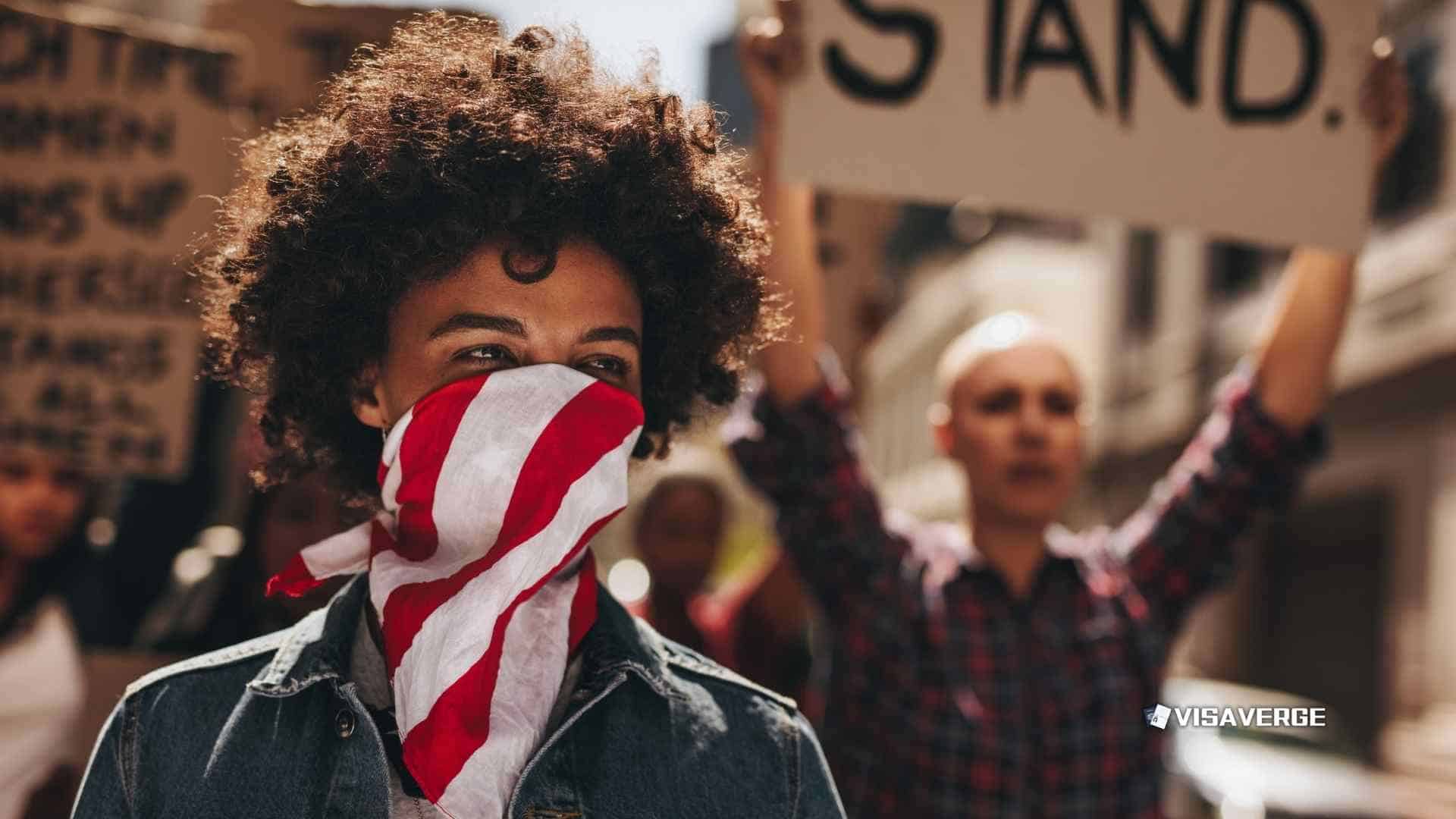
(MANHATTAN, NEW YORK, UNITED STATES) Federal agents from ICE, the FBI, and the ATF swept through Canal Street on October 22, 2025, triggering immediate, loud, and organized Solidarity protests across Manhattan. The large operation targeted street vendors—many of them African immigrants—accused of selling counterfeit goods. As word spread, hundreds of New Yorkers poured into the streets, following the agents through Canal Street and Chinatown, chanting “Shame on you!” and “Down with deportation,” and urging the release of those detained in the ICE raid Manhattan.
Authorities detained several people during the action, according to witnesses on the scene. At least one protester was arrested for allegedly assaulting a federal officer as tensions rose between agents and demonstrators. Protesters later moved to 26 Federal Plaza, where detainees were taken, demanding access to counsel and their release. Organizers called the raid racially biased and harmful to community safety, arguing it bred fear far beyond Canal Street.
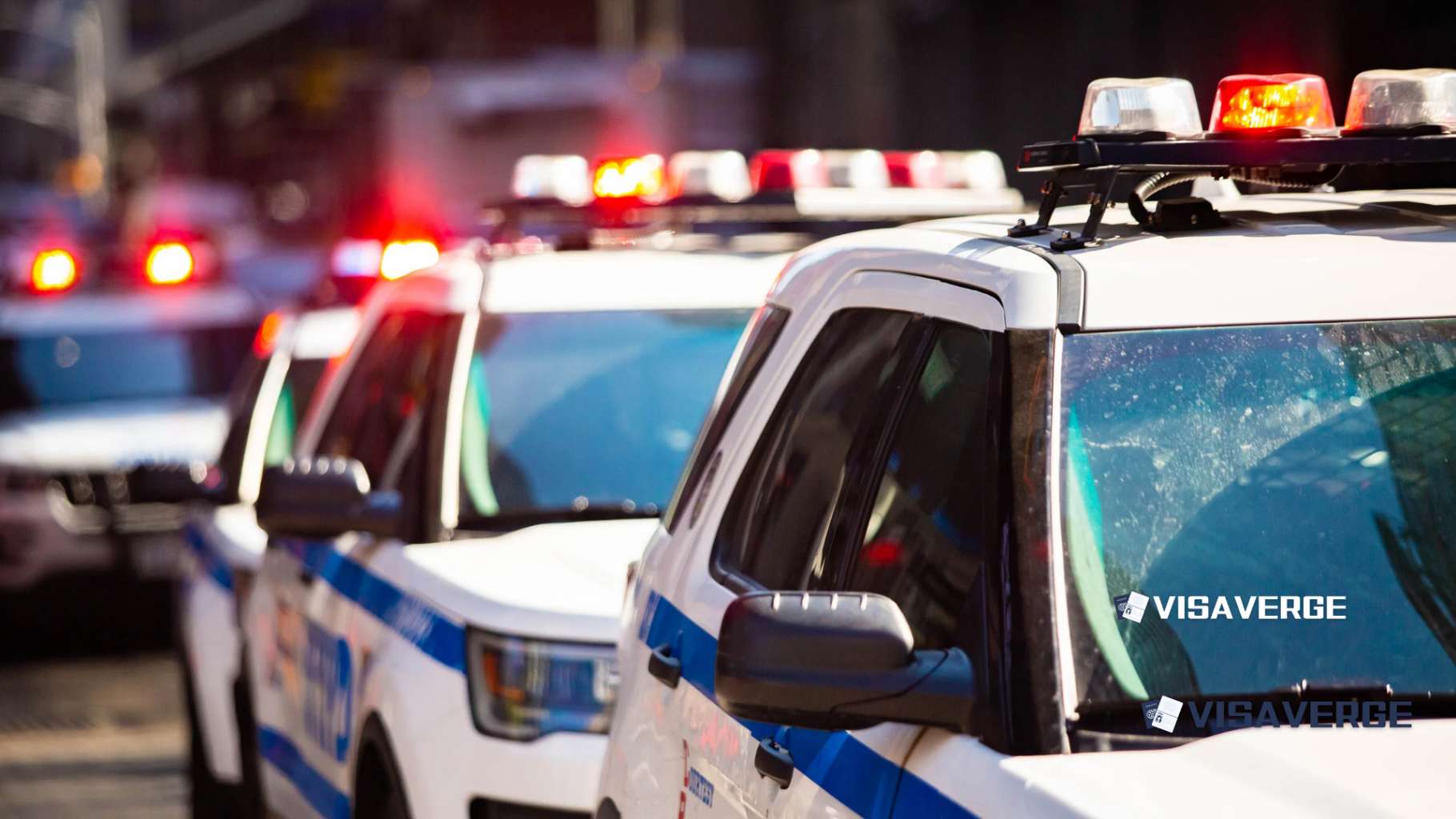
City officials said plainly that the NYPD was not involved, underscoring New York City’s policy of non-cooperation with federal immigration enforcement. Local leaders also admitted their limited power to stop federal actions like this. The city’s policy stance again collided with the broad authority federal agents carry under U.S. law, revealing a gap between local sanctuary rules and national enforcement tools.
Free toolUSCIS Receipt Number DecoderHow the operation unfolded
Witnesses described a sweeping federal presence on Canal Street, a marketplace known for bargain goods and longtime immigrant entrepreneurship. Agents moved through vendor stalls as crowds scattered. Buyers and sellers cleared out fast, and what is usually one of the city’s busiest retail corridors fell quiet.
Moments later, the street filled again—this time with marchers, legal observers, and neighborhood advocates. Demonstrators stayed close to the agents, refusing to disperse even as officers warned them back. Calls surged on social media urging people to show up. Protesters, immigrant families, and small business owners joined together, saying the raid was not only about counterfeit goods but about the safety of immigrant communities in the United States. Many pointed to online pressure from pro-Trump influencers urging action against undocumented vendors, though city policy did not change and the NYPD stayed out of the operation.
At 26 Federal Plaza, legal workers and supporters tried to track detainees, pressing for clarity on charges and custody. Community groups stressed that rapid response matters; the longer people remain in federal custody, the higher the risk of transfer and possible deportation. According to analysis by VisaVerge.com, such fast, public showings of support can affect how quickly families find legal help and can shape the narrative around enforcement in immigrant-heavy neighborhoods.
“Rapid response matters; the longer people remain in federal custody, the higher the risk of transfer and possible deportation.”
City policy, federal power, and community response
New York City law bars most cooperation with civil immigration enforcement, yet federal agents retain wide latitude to act. That reality was on full display here. The raid laid bare the limits of local power and the reach of federal action, even in a city that prides itself on being a safe place for immigrants. Local elected officials denounced the sweep while acknowledging they cannot block federal agents acting under national authority.
The enforcement action also exposed the fragile balance in areas where immigrant street vendors operate. Small sidewalk businesses are often a first step toward stability for new arrivals, including asylum seekers and mixed-status families. When a high-profile raid strikes a hub like Canal Street, waves of fear can ripple across entire communities. In the hours after the operation, many vendors shut down and customers left the area, unsure about what might come next.
Advocacy groups framed the raid as part of a broader pattern that confuses public safety goals with actions that chill daily life for law-abiding families. They argued that the alleged sale of counterfeit goods should be handled with tools that do not risk immigration detention or deportation for people with deep community ties. They also said the show of force made neighborhoods feel less safe, not more.
Still, the protests showed a powerful countercurrent. Within minutes, New Yorkers acted, organized, and marched. That swift response—described by long-time organizers as some of the most immediate in recent memory—carried a simple message: immigration enforcement does not happen in silence in this city. Neighbors will watch, film, follow, chant, and insist on visibility for those taken away.
Key solidarity actions
- Hundreds marched behind federal agents through Canal Street and Chinatown, refusing to leave and demanding releases.
- Crowds gathered at 26 Federal Plaza to track detainees, push for counsel access, and challenge the raid as racially biased.
- Community leaders and advocacy groups condemned the operation, saying it fostered fear rather than safety.
- NYPD stated it was not involved, aligning with city policy against aiding federal immigration enforcement.
Immediate concerns and next steps
For vendors, the immediate concern was safety and arrest risk. For families, it was whether a loved one might be transferred or placed in removal proceedings. For employers and neighborhood groups, it was how to keep people informed and calm amid fast-moving events. The city’s sanctuary stance helps set expectations locally, but federal actions can still change daily life in a moment.
While the government has the power to conduct such operations, ICE policy explains that its mission includes enforcing immigration laws and, in some cases, coordinating with other federal agencies. Readers seeking official background on ICE’s authority and operations can review information provided by the agency at its Enforcement and Removal Operations page on ICE.gov. That resource offers a baseline view of how federal enforcement works, even as local policy chooses a different path on cooperation.
In the days ahead:
1. Lawyers will likely focus on whether detainees have prior orders or pending cases, and whether any criminal charges tied to counterfeit goods affect immigration status.
2. Families will try to secure counsel and gather documents.
3. Community groups will continue court support and hotline work, often checking whether someone has been moved to another facility.
Impact on the community
For immigrant New Yorkers, the raid will echo. It underscored both vulnerability and strength: vulnerability when federal power moves fast, and strength when the city’s residents answer in force. The ICE raid Manhattan became a test of civic resolve; the Solidarity protests that followed showed how quickly people will defend neighbors they call family.
Local officials, for their part, have promised to keep city services open to all residents, regardless of status. That means access to schools, clinics, shelters, and legal aid remains intact even when federal enforcement rises. As advocates noted, legal help and community care can make the difference between a family staying together or being separated.
On Canal Street, the tables and tarps may return, along with the bargaining and bustle that define the corridor. But the memory of this raid will linger—how fast it emptied, how fast it refilled, and how the city spoke back, together, for its street vendors and for its immigrant communities.
This Article in a Nutshell
On October 22, 2025, ICE, the FBI and the ATF executed a coordinated operation on Canal Street in Manhattan targeting street vendors suspected of selling counterfeit merchandise. The action resulted in several detentions and an escalation of tensions as hundreds of New Yorkers organized rapid Solidarity protests, following agents through Canal Street and Chinatown and later assembling at 26 Federal Plaza to demand access to counsel and release of those detained. City officials confirmed the NYPD did not participate, underscoring the gap between New York’s sanctuary stance and federal enforcement authority. Community groups criticized the raid as racially biased, warned it bred fear among immigrant vendors, and called for swift legal support to reduce the risk of transfers and deportation. Advocates emphasized the importance of rapid response, legal aid, and stronger pathways to protect informal workers who sustain neighborhoods like Canal Street.