(ROCHESTER, NEW YORK) Federal immigration agents retreated from a residential roofing site in Rochester, NY on September 9, 2025, after a tense four-hour standoff with more than 200 residents, activists, attorneys, clergy, and elected officials who rushed to shield workers from ICE detention. The clash unfolded near the George Eastman Museum in the Park Avenue neighborhood and has quickly become a national marker of how immigration enforcement and sanctuary city policies collide on the ground.
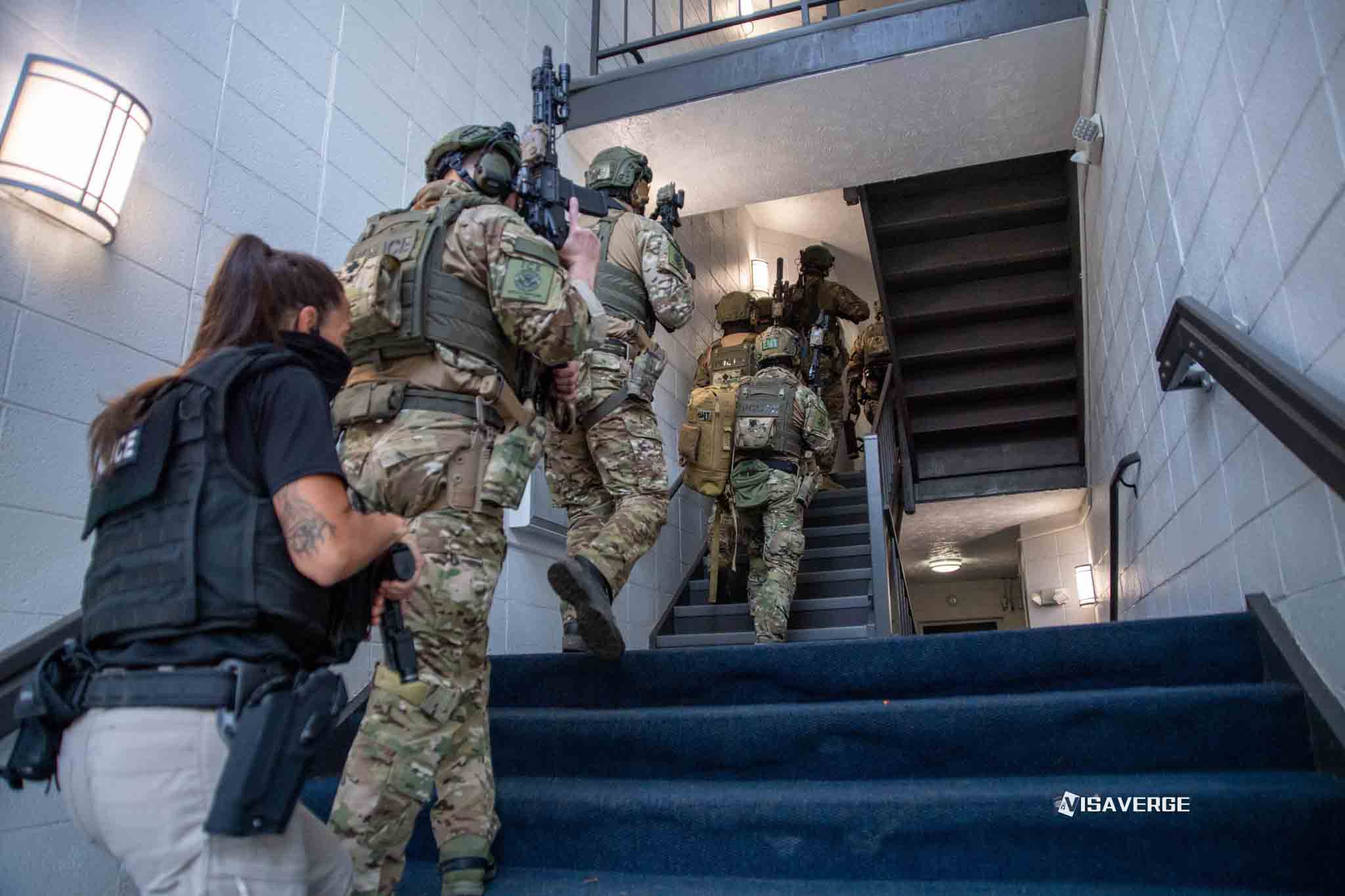
Agents from ICE and CBP arrived in the morning to detain roofers they suspected were undocumented. One worker, identified by supporters as Jacinto Mayancela Guallpa, known as “Chino,” was arrested. His employer and community members described him as a law-abiding family man who had lived and worked in the United States for 25 years and held documentation for employment.
Two other workers, who said they were undocumented, fled to the rooftop and refused to descend as their attorney negotiated with agents. The lawyer pledged to bring them to ICE processing later, but they remained at large as of September 13, 2025.
The crowd response and escalation
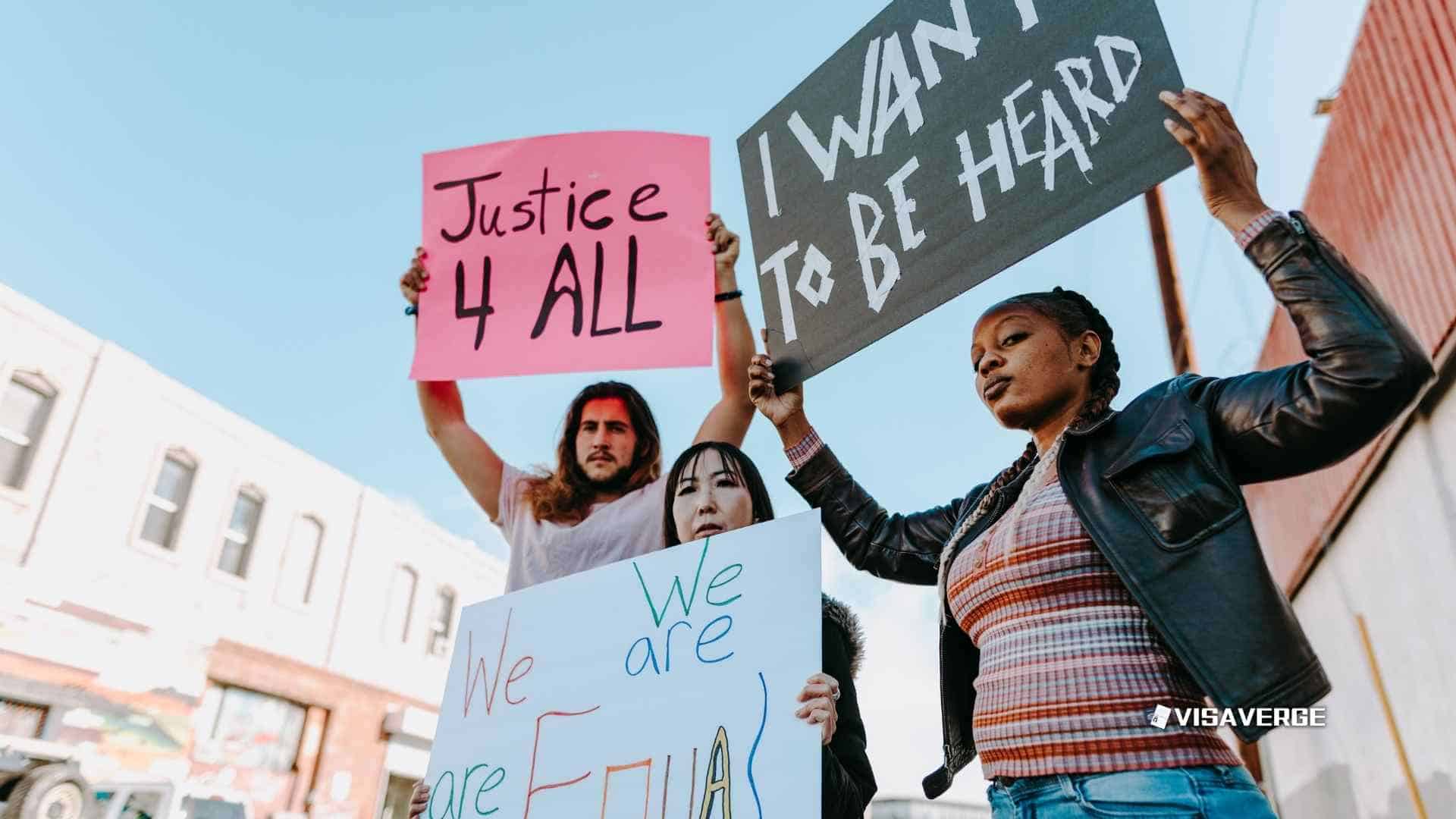
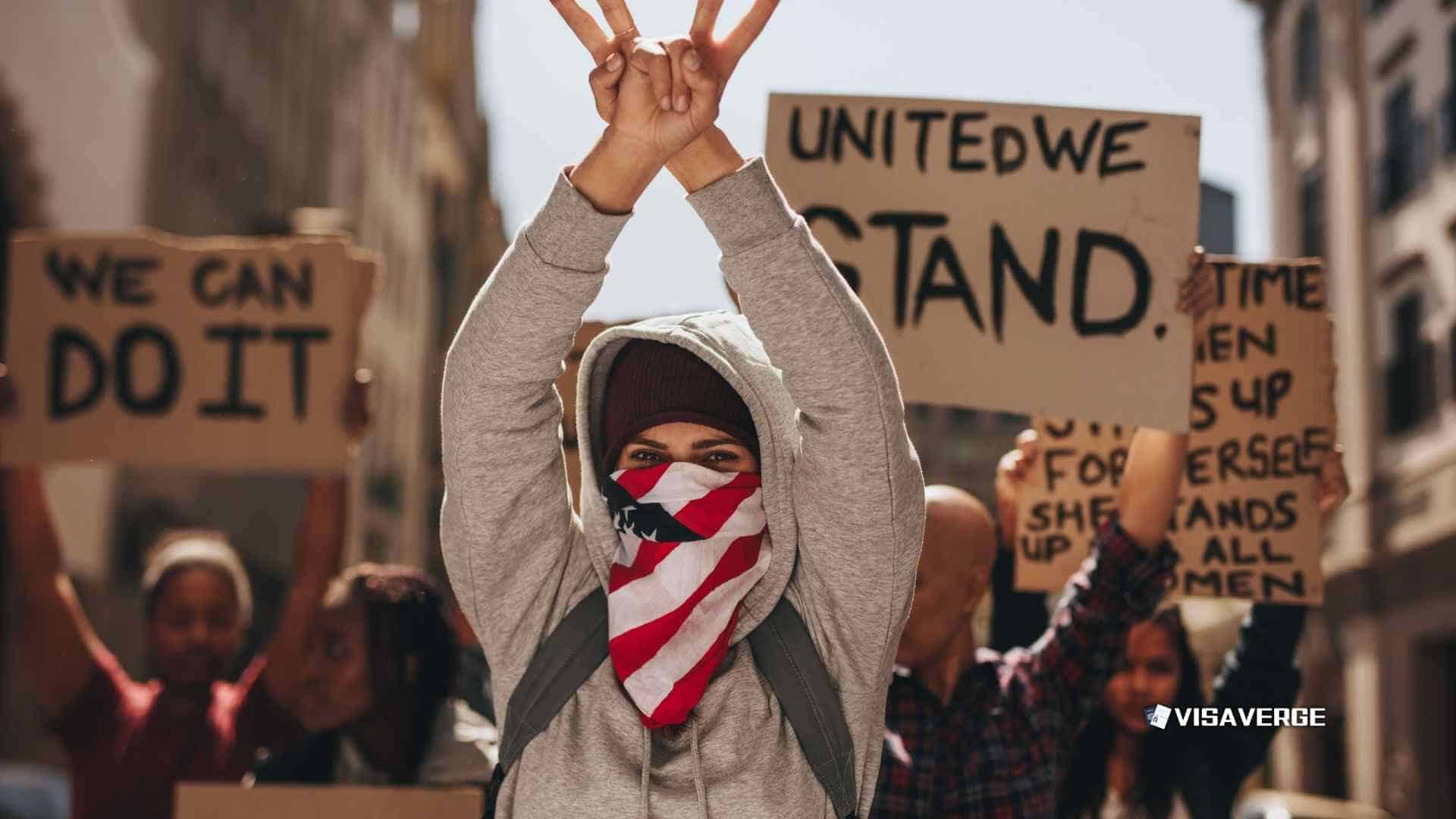
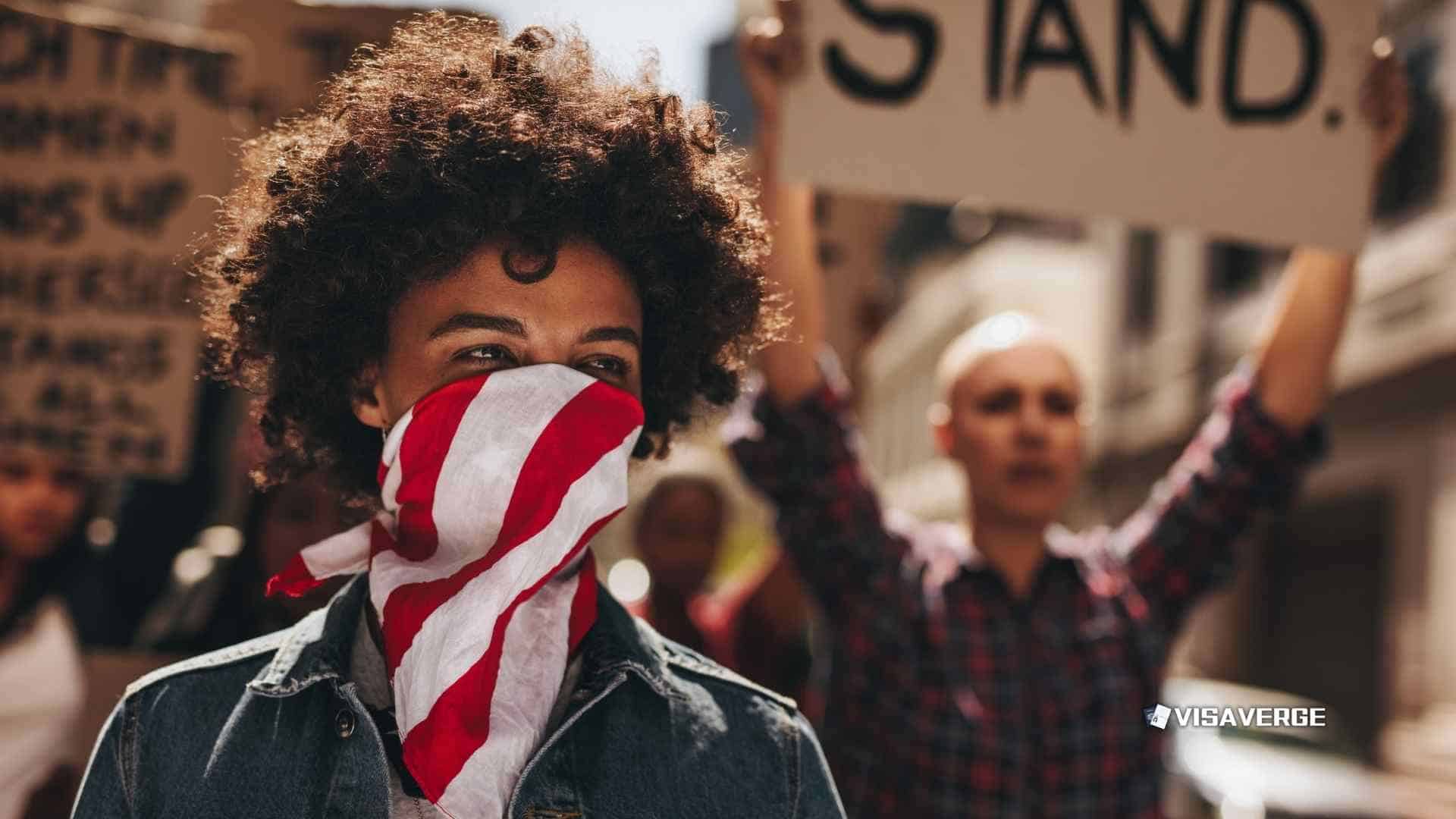
Word of the operation spread quickly through neighborhood networks and local organizations, drawing a large crowd that surrounded federal vehicles and formed a protective circle around the job site.
- Clergy prayed with the workers.
- Lawmakers pressed for de-escalation.
- Legal observers recorded events and relayed updates to defense teams.
The standoff peaked when tires on a CBP vehicle were slashed, heightening concerns about safety and prompting agents to withdraw. No additional arrests were made, and federal officers left without the two workers still on the roof.
The incident highlighted how community mobilization can directly affect enforcement operations — and how rapidly encounters can escalate.
How the standoff unfolded
Advocacy groups activated a coordinated response. Organizations named include:
- Metro Justice
- Graduate Labor Union
- Spiritus Christi Church
- First Unitarian Church
- Western New York Coalition of Farmworker Serving Agencies
These groups deployed rapid-response teams that delivered legal help, food, and calm amid high stress. They acted as intermediaries, reminding both sides of the need for dignity and due process while discouraging violence. Their presence reflected a broader community strategy: stand with workers, keep the peace, and insist that any arrest or removal respects constitutional rights.
Elected officials on scene and online condemned the raid. Notable responses:
- Monroe County Legislator Rachel Barnhart said the day showed the community’s resolve to reject home and workplace arrests that sow fear.
- Assemblymembers Harry Bronson and Jen Lunsford called federal actions divisive and warned that recent legal shifts risk stripping away protections long assumed under state and federal law.
Faith leaders framed the moment as a moral test. “We are one Rochester, and we will always be one Rochester. We will show up for each other,” said Rev. Myra Brown of Spiritus Christi, echoing chants that rolled down Park Avenue as residents linked arms outside the site.
The Department of Homeland Security struck a starkly different tone. Spokesperson Tricia McLaughlin labeled the assembly “violent rioters” and said the two workers who remained on the roof are still at large. That statement underscored how sharply views diverge over actions that some see as peaceful defense of neighbors and others see as obstruction of federal law.
Policy context and what’s next
The Rochester standoff comes amid a broader national push in immigration enforcement and a local political fight over sanctuary policies.
- Last month, the Rochester City Council unanimously reaffirmed its sanctuary city status, limiting local cooperation with federal immigration arrests absent a judicial warrant or other clear legal requirement.
- Days before the Park Avenue showdown, the Trump administration filed a federal lawsuit against Mayor Malik Evans and City Council President Miguel Meléndez, challenging those protections and signaling an aggressive posture toward New York municipalities with similar rules.
Nationally, enforcement has intensified with support from National Guard deployments in some jurisdictions. On September 8, 2025, the Supreme Court issued a ruling that, according to critics, removed restrictions on ICE targeting based on race, language, or work setting, widening the pool of people who could be prioritized at homes and job sites. Immigrant advocates argue that decision will drive arrests into more public-facing spaces and chill workers from reporting wage theft or safety hazards.
Federal officials counter that broader discretion is needed to carry out immigration laws and protect public safety.
Immediate consequences for those involved
For the workers on that roof, the stakes are immediate and personal:
- The arrested roofer now faces potential removal proceedings that could separate him from his family and employer.
- The two who refused to come down must weigh legal exposure against hopes for counsel and relief.
- The employer faces work delays, financial stress, and the possible loss of trusted staff.
- Co-workers are shaken and unsure if showing up on future job sites could bring another raid.
For residents of Rochester, NY, the standoff offers a rough guide to what these encounters look like in real time:
- Rapid arrival by ICE and partner agencies at a known work site.
- Instant community alerts via text chains and social media.
- Quick assembly of clergy, attorneys, labor leaders, and neighbors to lower tensions and press for due process.
- On-the-spot negotiations between counsel and agents while legal teams prepare filings and family plans.
- A decision point for federal officers when crowds grow and safety becomes a factor.
Legal fog and broader patterns
This local clash spotlights the legal fog surrounding workplace arrests in sanctuary cities.
- City rules can limit cooperation by local police, but they do not bind federal officers.
- Federal teams must weigh safety, proportionality, and the optics of hauling workers away in front of families and cameras.
- That calculus often drives retreats like Tuesday’s, even when federal officials insist operations will continue.
Analysis by VisaVerge.com suggests sanctuary city disputes often escalate during periods of stepped-up enforcement, with local support networks getting stronger and federal tactics more visible at job sites. That pattern appears to be playing out in Rochester, where the fast response from labor and faith groups signaled a community ready to intervene again if needed.
What officials say and next steps
Officials on both sides say they intend to keep pressing their cases.
- City leaders argue their policies are legal and necessary to build trust between immigrant residents and local government.
- The federal government maintains that local rules cannot block federal law and has urged the public to bring concerns to official channels.
Readers seeking DHS statements and enforcement guidance can consult the official website of U.S. Immigration and Customs Enforcement at U.S. Immigration and Customs Enforcement.
Advocates are preparing for more legal battles and more job-site calls. They’re urging:
- Workers to keep documents with them, know their rights, and contact legal counsel if approached by ICE.
- Employers to review compliance, train staff on what to do if federal agents arrive, and work with counsel to avoid on-the-spot errors that put workers at risk.
Why this matters beyond Rochester
What happens in court could reshape local-federal relations well beyond Rochester, NY.
- If the lawsuit against the city succeeds, federal officers may face fewer obstacles during operations in sanctuary jurisdictions.
- If the city’s rules hold, communities could see stronger local resistance and more scenes like Tuesday’s.
Either way, the Park Avenue standoff will echo: on rooftops where workers weigh a leap into legal limbo, in churches that promise to show up, and in city halls and federal offices preparing for the next call.
This Article in a Nutshell
On September 9, 2025, ICE and CBP agents attempted to detain roofers at a residential site in Rochester, NY. Supporters identified the arrested worker as Jacinto Mayancela Guallpa, who had lived and worked in the U.S. for 25 years and allegedly held employment documentation; two others who said they were undocumented remained on the roof. Neighborhood networks and organizations quickly mobilized—more than 200 residents, clergy, attorneys and elected officials—forming a protective circle and providing legal help, food, and mediation. The standoff escalated when a CBP vehicle’s tires were slashed, prompting federal agents to withdraw without detaining the two roof occupants. The incident occurred amid a reaffirmed sanctuary status by the Rochester City Council, a federal lawsuit challenging the city, and a recent Supreme Court decision critics say broadens ICE discretion. Immediate effects include potential removal proceedings, work disruptions, and increased fear among workers. City and federal officials framed the event differently; advocates urge knowing rights, keeping documents, and securing counsel. The clash underscores tensions between sanctuary policies and federal enforcement and could influence future municipal-federal relations and legal battles.