Key Takeaways
- Canada increased immigration post-COVID-19 to counter labor shortages, causing strain on housing and public services.
- Government plans to cut immigration targets to manage resources, ending programs like Study Direct Stream.
- Changes may slow economic growth, prompting debate on balancing immigration’s benefits with resource constraints.
In a candid acknowledgment, Canadian Prime Minister Justin Trudeau has admitted that Canada ?? overstepped in its recent immigration strategy. The government ramped up immigration as a quick fix for labor shortages and economic recession fears post-COVID-19. Yet, as Trudeau points out, this rapid increase has left the nation grappling with strained resources, notably in housing and public services.
Response to Labor Shortages Post-Pandemic
After COVID-19, Canada ?? faced a significant challenge—a dwindling workforce. Businesses were struggling to find workers, and immigration was seen as a lifeline. The government, under Trudeau, set ambitious targets of welcoming 500,000 new permanent residents each year by 2025. This move was intended to drive economic recovery and prevent a looming recession. However, the goal, though well-intentioned, fell short of addressing the side effects: pressure on housing and essential services.
The country’s population soared to 41 million by April 2024, a leap fueled almost entirely by immigration. While this uptick helped avert an immediate economic crisis, it exacerbated a housing crisis as the demand surged.
The Housing Crisis and Public Services Strain
The housing market couldn’t keep up with the rapid population growth, putting immense pressure on infrastructure. Home prices climbed, and many found themselves unable to afford housing. Trudeau has since recognized that the government missed the mark in swiftly reducing immigration once the labor market started balancing. He pointed out that some entities manipulated these policies to gain profit. Large corporations, for instance, hired foreign workers at lower wages, exploiting existing systems.
The international student influx also added to the issue. Colleges enrolled more students than cities could support, leading to overcrowded housing and strained public services. Moreover, scams targeted vulnerable immigrants with false promises of citizenship or residency.
Adjusting Immigration Targets for Stability
Responding to criticism, the government plans to cut immigration targets. By 2025, new permanent resident admissions will drop to 395,000, further reducing to 365,000 by 2027. Similarly, temporary visas, including those for students and workers, will see cuts; 446,000 spots in 2025 and a mere 17,400 by 2027. This reduction aims to balance population growth, allowing housing and services time to expand.
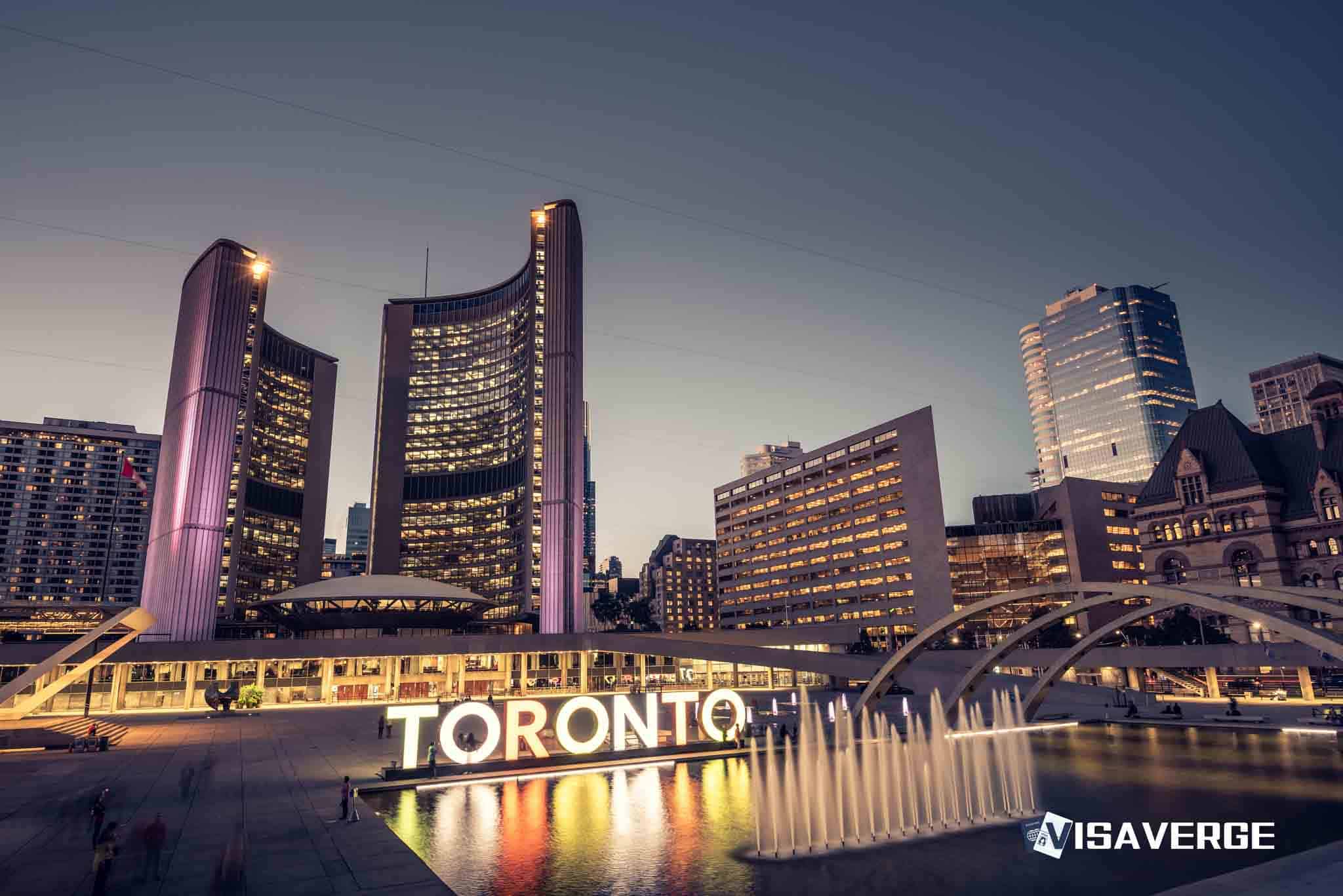
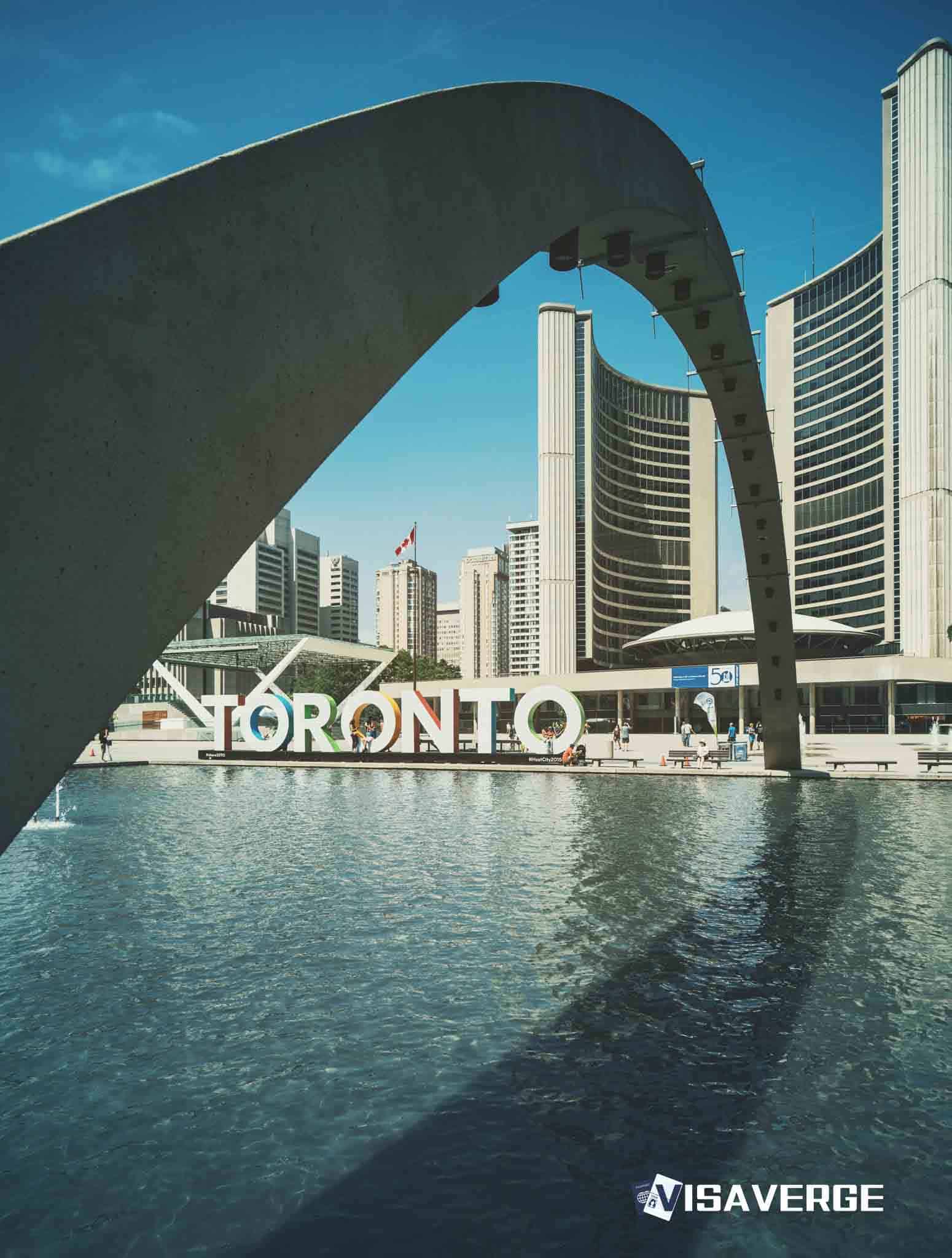
A significant change includes ending the Study Direct Stream (SDS) program, popular among Indian students. This program’s quick growth pushed housing demands in cities like Toronto and Vancouver to limits.
Economic Repercussions and Adjustments
While the cuts aim to ease housing pressures, they could also slow Canada’s economic growth. Immigrants have been pivotal to economic stability, even preventing a recession in 2023 by boosting spending and workforce numbers.
Reducing immigration might temper this growth. Some economists caution that a dip in GDP from reduced population growth could have significant effects. Businesses relying on immigrant labor, especially small enterprises, voice concerns about looming staffing shortages.
The Canadian Federation of Independent Business (CFIB) underscores immigrants’ critical role in various industries. Dan Kelly, CFIB President, emphasized that many businesses depend on immigrants. Cutting their numbers might negatively impact sectors already facing staffing challenges.
Public Sentiment and Political Dynamics
Public perception of immigration in Canada ?? has shifted. Once celebrated, high immigration levels are now often debated due to links with housing shortages and increased living costs. An Environics Institute poll found 58% of Canadians think current immigration levels are too high, reflecting a notable change from previous years.
Politically, Trudeau faces criticism, particularly from opposition leaders like Pierre Poilievre. Poilievre accuses him of mismanaging immigration, straying from Canada’s historically bipartisan approach to welcoming newcomers.
Aiming for a Sustainable Future
Trudeau frames the reduced targets as steps toward sustainability. By controlling growth, Canada can allow public services and housing to catch up, setting foundations for future increases in immigration numbers. The changes are projected to help close a housing supply gap by 670,000 units by 2027, a step towards better affordability for both Canadians and newcomers.
Yet, critics argue that simply reducing immigration won’t solve deeper issues like housing shortages rooted in long-term underfunding of services and infrastructure. Groups like the Migrant Rights Network criticize the cuts, saying they unfairly place the burden of systemic problems on immigrants.
Moving Forward: Balancing Growth and Resources
As Canada ?? proceeds with its revised immigration policy, the impact of these changes will be closely watched. While the intended goal is stability, the challenge remains to manage economic needs without compromising Canada’s tradition as a welcoming country for immigrants. Achieving this balance is crucial as Canada approaches its next federal election in 2025.
Trudeau’s admission of past errors marks an important pivot in Canada’s immigration approach. Reducing numbers might ease immediate strains, but a holistic approach addressing both immigration and infrastructure is essential for long-term success. As reported by VisaVerge.com, this mixed approach is key to ensuring that Canada ?? remains a place of opportunity without overwhelming its resources.
For those interested in the details of Canada’s immigration processes and reforms, further information can be found on the Government of Canada’s official website.
With the evolving landscape, monitoring implications of these policy changes on various stakeholders—immigrants, businesses, and the Canadian public—will be critical to future decisions.
Learn Today
Immigration Strategy: Government’s planned approach to manage the influx of foreign nationals entering the country for residence or work.
Labor Shortages: Economic condition where demand for workers exceeds supply, often leading to increased immigration to fill gaps.
Permanent Resident: A foreign national granted the right to live and work indefinitely in a country, though not a citizen.
Public Services: Essential services provided by the government to its citizens, such as healthcare, education, and public housing.
Study Direct Stream (SDS): A program that expedites the visa application process for international students, significantly impacting city infrastructure and resources.
This Article in a Nutshell
Canada’s immigration surge aimed to combat post-COVID labor shortages but revealed vulnerabilities. Rapid growth strained housing and public services, prompting Trudeau’s admission of missteps. As targets are adjusted, this highlights the challenge of balancing economic recovery with sustainable resource management, ensuring Canada remains welcoming without overwhelming its infrastructure.
— By VisaVerge.com
Read more:
• Trudeau Cuts Canada’s Immigration Targets for 2025
• Trudeau Administration to Reduce Immigration Levels by 100,000 in 2025
• Justin Trudeau Awaits Quebec Immigration Plan
• Canada Immigration Policy Change: Justin Trudeau Cuts Student, Work Permits
• Justin Trudeau’s New Immigration Policy Amid US Tensions